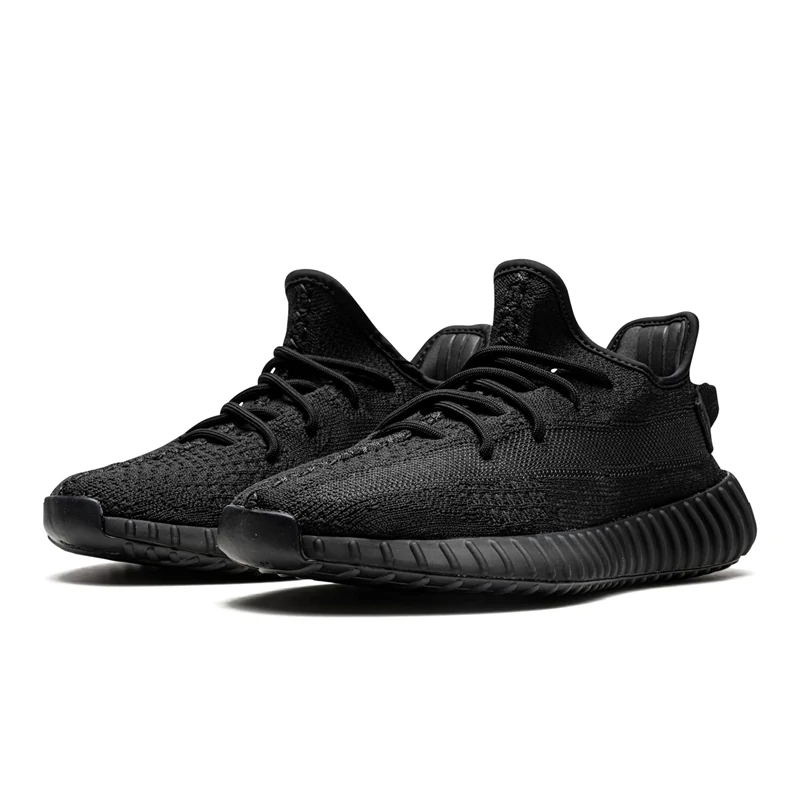
cloudfoam is adidas' entry-level cushioning foam, and it shows up on a lot of shoes that look like running models but are sold as sportswear. So, is adidas cloudfoam for running? For a short treadmill session, a gym class, or an easy jog around the block, yes. For daily mileage, tempo work, or a customer chasing a personal best, it is the wrong tool.
What follows is how we handle that question on the sales floor: what the foam is, where it holds up, how to read a supplier listing, and how to keep returns down when you stock it.
What Cloudfoam Actually Is
Cloudfoam is a compression-molded EVA cushioning unit. It is soft underfoot, light in the hand, and inexpensive to produce, which is why it anchors the entry tier of the Adidas range. You will see it on lifestyle models like the Cloudfoam Pure, Cloudfoam Qt Racer, and Lite Racer, and on budget running shoes such as the Runfalcon and Duramo.
That last part matters, because it is where most of the confusion starts. Cloudfoam does appear in shoes labeled for running, but those are entry models built to a price. Adidas puts Boost, Lightstrike, and Lightstrike Pro in its training and racing shoes, paired with a running-specific last, a published drop, and rubber where the foot actually lands.
Where Cloudfoam Holds Up, and Where It Stops
For a beginner doing walk-run intervals two or three times a week, Cloudfoam is comfortable and cheap enough to replace without pain. It also suits gym floors, commutes, and standing shifts, which is most of what a general shoe Store sells.
But is adidas cloudfoam for running a 5K or a 10K? For a trained runner, no. Single-density EVA compresses and stays compressed, so the shoe feels flat well before the outsole wears through. Heavier runners notice it first, usually in the heel.
There is a rough rule most shops use for running midsoles: expect noticeable breakdown somewhere between 300 and 500 miles, and expect a budget EVA to land at the low end of that range. Treat it as general guidance rather than a spec sheet, since body weight, surface, and storage all move the number.
How to Read a Listing Before You Commit
Supplier pages and pallet manifests rarely say lifestyle foam out loud. A few structural details tell you what you are actually buying.
| Foam | Where you see it | Best use | Feel underfoot |
|---|---|---|---|
| Cloudfoam | Runfalcon, Duramo, Cloudfoam Pure, Lite Racer | Walking, gym, short easy jogs | Soft, flat, minimal rebound |
| Boost | Ultraboost | All-day wear, easy miles | Bouncy, on the heavy side |
| Lightstrike | Adizero SL, Adistar | Daily training | Firmer, lighter, more stable |
| Lightstrike Pro | Adios Pro | Race day | Very light, high rebound |
Use the table as a filter, then confirm the details that decide whether a shoe belongs on your running wall or your casual wall. Ask your supplier plainly: is adidas cloudfoam for running build or sportswear build?
- Product category on the box or listing. Running and Sportswear are separate lines, even when the photos look nearly identical.
- Published midsole stack and heel-to-toe drop. Casual listings usually leave both out, which tells you something.
- Outsole coverage. Full rubber at heel and forefoot suggests pavement use; exposed EVA suggests casual wear.
- Upper construction. Engineered mesh with a firm heel counter reads as running; a knit slip-on reads as lifestyle.
- Style code. Ask for the article number and check it against the brand's own product page before you commit to a size run.
Stocking Cloudfoam Without Eating Returns
Most returns on this foam come from expectation, not defect. A shopper buys a shoe that looks like a trainer, trains in it, and comes back in six weeks with a flat midsole and a complaint. Labeling the model as casual or gym use at the shelf prevents most of that conversation.
On the buying side, keep the Cloudfoam program shallow and fast. That also answers a common buying question: is adidas cloudfoam for running stock worth a full size run? Rarely. A shallow run in core US sizes, with a pair or two at the extremes, turns faster and ties up less cash.
Confirm size runs and pack quantities with your supplier before you commit, and treat this foam as an entry price tier with thinner margins than Boost. Landed cost moves with freight and duties, so work from a current quote rather than an old price list.
FAQ
Is Cloudfoam ok for treadmill running?
Answer it this way: is adidas cloudfoam for running 20 minutes at an easy pace? Yes, and that is what most treadmill users actually do. Push into hour-long sessions or four runs a week and the foam's limits show: it packs down, feels flat, and returns little energy. Point those customers to a proper running model.
Is Cloudfoam the same as Boost?
No. Boost is a TPU-based foam with far more rebound and a higher price tier, which is why Ultraboost sits well above Cloudfoam models. Cloudfoam is molded EVA: softer, flatter, and cheaper to make. If a customer wants the Boost feel, a Cloudfoam shoe will disappoint them, so set that expectation before the sale.
Do Cloudfoam shoes run true to size?
It varies by model. Lifestyle builds like the Pure tend to fit slightly roomy, while some budget running models run narrow through the midfoot. Check the brand's official size chart for the exact style, and when a customer is between sizes, size up for walking and stay true for gym use. Online buyers should measure their feet late in the day.
Can you run a half marathon in Cloudfoam?
You can finish one, but it is not the right choice. Past the first few miles, a single-density EVA loses shape and stops absorbing impact the way a training shoe should. Stock a Lightstrike or Boost trainer for that customer instead. Anyone with existing foot or knee issues should see a clinician, not a sales floor.
If you are planning a spring or back-to-school buy and want a foam program that matches how your customers actually run, send us the size run and target landed cost you are working with. We will come back with current availability, pack quantities, and a quote you can take to your account.