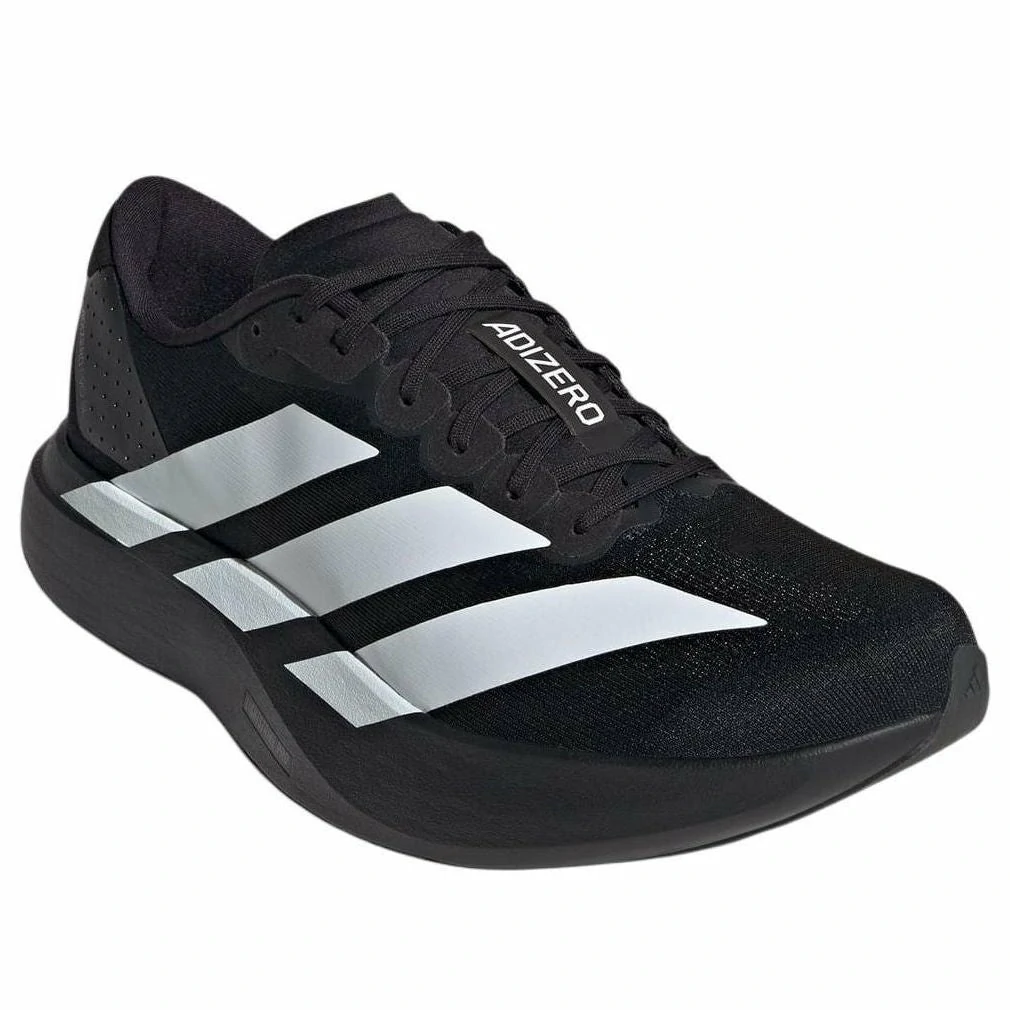
The adidas superstar sneaker in White is still one of the safest shoes a small shop can put on the wall. It is instantly recognizable, it comes in a full size run, and the customer who buys it is not chasing a drop. What changes from Store to store is depth: how many pairs per size to hold, which white version to carry, and how to keep the uppers from yellowing in the stockroom.
What follows covers the build, how the fit compares with other adidas models, how to size a buy for a US store, and the checks to run before reordering. It is written for buyers ordering by the case, not for someone picking one pair off a shelf.
What Retailers Are Actually Ordering
Strip out the marketing and you have a coated-leather or synthetic upper, a rubber shell toe, serrated three-stripe overlays, and a cupsole with herringbone tread. White versions split into two camps: an all-white pair with tonal stripes, and a white pair with contrast black or navy stripes. Both sell, but they sell to different shoppers.
The tonal version reads clean and works as a uniform shoe for restaurant and clinic staff. Contrast stripes read sportier and pull in the casual buyer who wants the shoe to look like the 1980s original. Carrying only one of the two usually costs you the other customer.
Fit and Sizing for US Shoppers
Fit sits close to standard. Most customers take their normal US size, and narrow-footed shoppers sometimes drop a half size. Wide feet generally stay true because the shell toe leaves room across the forefoot.
Most returns on this model trace back to expectation, not sizing. Customers who see the shoe online expect a soft, broken-in feel and get a stiff cupsole on day one. A single line on the product page about break-in time removes most of that friction. Point shoppers to the official adidas size chart instead of guessing for them.
Building a Size Run Without Overbuying
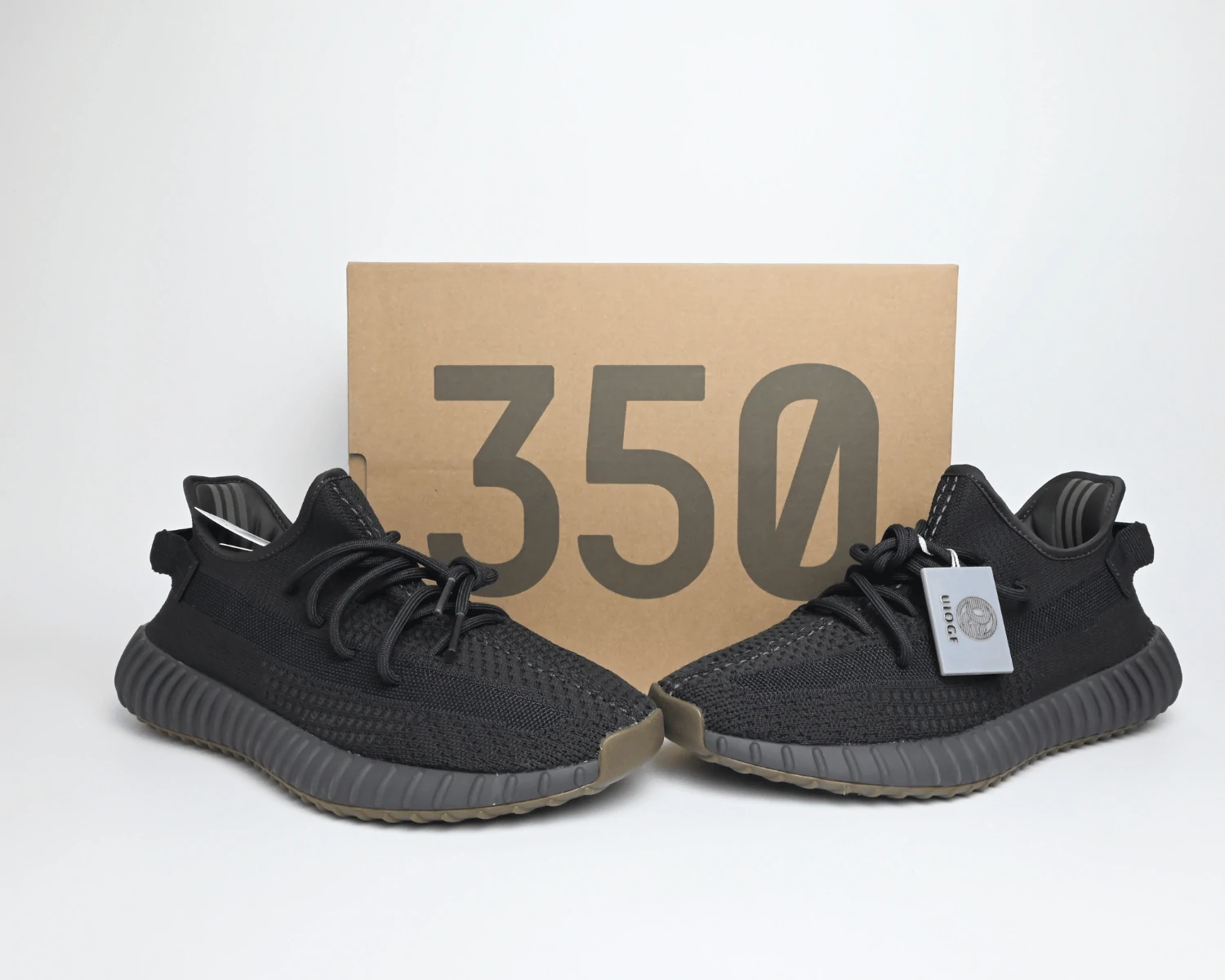
White court shoes move in a predictable curve: heavy through the middle of the run, thin at the ends. The table below is a starting point for a first order, not a formula. Ranges reflect general trade practice and should be confirmed against your own sell-through history and your supplier's pack sizes.
| Size band (US) | Who it sells to | Suggested first-order depth | Watch-outs |
|---|---|---|---|
| 5 to 7 | Women buying the men's silhouette, teens | Light, 1 to 2 pairs per size | Sits if your floor is men's-heavy |
| 7.5 to 10 | Core adult buyers, uniform and hospitality staff | Deepest, 3 to 5 pairs per size | Breaks first; restock this band early |
| 10.5 to 12 | Taller adults, wide-footed shoppers | Moderate, 2 to 3 pairs per size | Half sizes matter more here |
| 13 to 15 | Niche but loyal | Minimal, 1 pair per size | Hard to reorder later; split a pack with another store |
Two rules save money at this stage. Buy the middle sizes deep enough to cover a second sale, because a customer who buys one white pair often replaces it eight to twelve months later. Keep the extreme sizes shallow until you know who your local customer actually is.
Reorders matter more on the adidas superstar sneaker in white than on a trend shoe, because the demand does not expire. If your supplier cannot restock a single size in a reasonable window, your size run breaks and you end up sitting on 7s and 15s. Ask about pack sizes and split-size options before you commit to a quantity.
Why White Pairs Age Differently
White uppers show everything, and that is both the selling point and the risk. Display pairs pick up dust and shelf scuffs, and boxed stock left in a warm back room can yellow the adidas superstar sneaker in white along the midsole and around the shell toe.
Storage discipline protects margin. Keep cartons off bare concrete, keep them out of direct sun, and avoid stacking heavy boxes on light ones for months at a time. Rotating your display pair every few weeks keeps the floor sample salable instead of marked down as a damaged unit.
Cleaning is a merchandising opportunity as well. Shops that stock a basic white sneaker care kit beside the display often attach it to a share of the sales, and a customer who knows how to clean the shoe comes back for the next pair.
Sourcing and Authenticity Checks
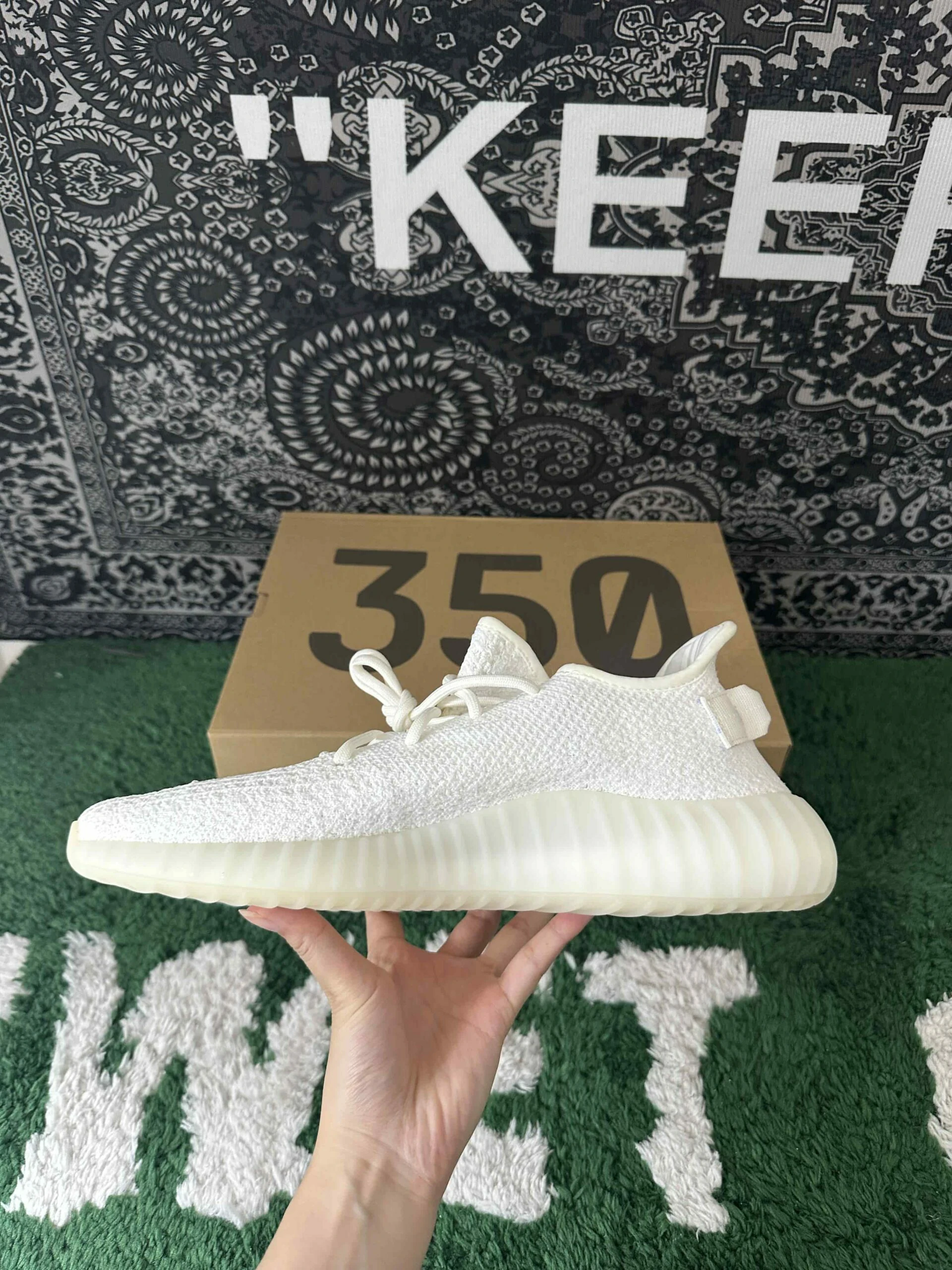
White colorways are among the most copied shoes on the market, so the checks below belong in every receiving routine. None of them replaces professional authentication, but together they catch obvious problems before stock hits the floor.
- Compare the shell toe ridges: originals have even, sharply defined ridges that meet the sole cleanly.
- Check stitch density along the three stripes; loose or uneven stitching is a red flag.
- Look at the heel trefoil: leaves should be even, with consistent spacing and no bleeding edges.
- Read the size tag inside the collar and match the style code against the box label.
- Weigh a pair in hand; an unusually light shoe often means thinner upper material.
- Get the return policy for rejected pairs in writing before the first shipment.
Any quote on the adidas superstar sneaker in white should come with two answers on paper. Confirm whether the supplier ships full size runs or split packs, and confirm who pays freight on a rejected pair. A supplier who dodges those questions is a supplier to skip.
Questions Buyers Ask Most
Does this shoe run true to size?
For most US shoppers, yes. Take your usual size, and consider a half size down only for narrow feet. The shell toe gives extra room up front, so wide-footed customers rarely need to size up. Ask customers to measure their feet and compare against the official adidas size chart rather than relying on a different model they own.
Will white pairs yellow on the shelf?
They can, especially in humid rooms or near windows. Yellowing usually shows first on the midsole and the edges of the shell toe. Keep stock in a dry, shaded area, leave a little air around cartons, and rotate display pairs so one unit does not absorb months of light and dust.
How deep should a small store go on a first order?
Start with the middle of the size run and treat the ends as test quantities. A common pattern is three to five pairs in core sizes and one to two at the extremes, adjusted for your own sales history. Confirm pack sizes with your supplier, since a forced full-run case can leave you long on sizes nobody locally buys.
Is it a year-round seller in the US?
Yes, demand is fairly flat with a mild lift around back-to-school and the holiday season. That steadiness is the appeal for a small shop: it fills the wall without competing with drop-driven releases. Plan reorders ahead of those two windows rather than reacting after stock runs out.
What should I check before switching suppliers?
Ask for the size breakdown per case, the restock lead time, and the policy on short shipments. Request photos of the actual lot rather than catalog images, and inspect a sample pair against the checklist above. A supplier who tolerates a small sample order first is usually easier to work with long term.
If you are building a purchase plan for the adidas superstar sneaker in white, send over your target size curve and quantity range. We can match it against current pack sizes, confirm lead times, and quote landed costs so you can see the margin before you commit.