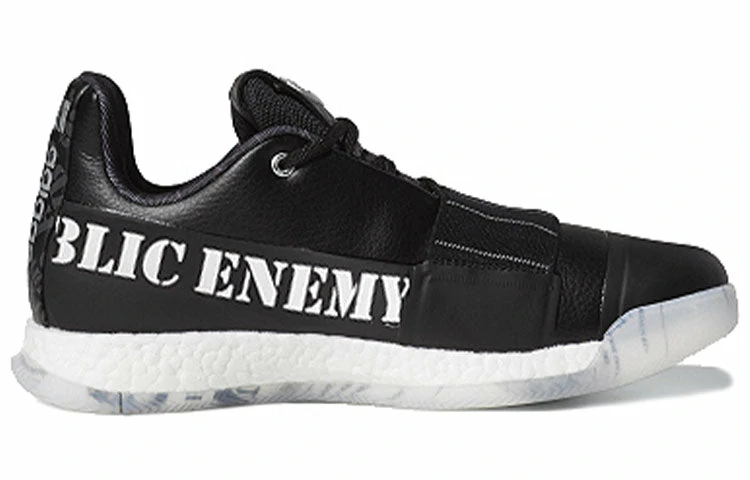
If you are asking what is the difference between adidas ultraboosts and cloudfoams, the short answer is that Ultraboost is a premium running and lifestyle line built around Boost foam, while Cloudfoam is a cushioning family used across many lower-priced Adidas models. That distinction shapes everything a buyer cares about: cost per pair, fit risk, sell-through, and how you talk about the shoe on the sales floor. This guide compares the two for US independent shoe stores, online sellers, and wholesale buyers who need a clear assortment decision.
The Build Difference Buyers Notice First
Ultraboost pairs use a Boost midsole made from expanded thermoplastic polyurethane pellets. The foam feels springy and keeps more rebound underfoot than a basic EVA midsole, which is why the line sits in a higher price band. Most Ultraboost models also use a knit upper and, on many versions, a Continental rubber outsole. Check each SKU because Adidas changes the upper, cage, and outsole across Ultraboost generations.
Cloudfoam is not one shoe. It is a foam platform applied to many Adidas lifestyle and entry running models, such as Cloudfoam Pure and Cloudfoam Qt Racer. The foam is usually EVA-based, softer, and less responsive than Boost.
Uppers tend to be mesh or synthetic, and outsoles are simpler. For a buyer, that means Cloudfoam is a price-point family, not a single competitor to one Ultraboost SKU.
Fit, Sizing, and Return Risk
The answer to the question of what is the difference between adidas ultraboosts and cloudfoams changes when you look at fit, because a single Cloudfoam name can cover several lasts. Ultraboost models generally run snug through the midfoot, and many shoppers take their normal US size, though wide-footed customers often prefer a half size up. Cloudfoam models tend to feel roomier, but the difference varies by model and upper material. Always pull the official Adidas size chart for the exact SKU before you publish fit advice.
Return risk is where fit becomes money. A snug knit runner can generate more size exchanges than a casual mesh shoe, especially for online sales. Keep a small try-on stock in US 8, 9, 10, and 11 for staff checks, and photograph the insole and toe box so customers know what to expect. If your Store sells final sale, say so clearly before checkout.
| Feature | Ultraboost line | Cloudfoam family | Buyer takeaway |
|---|---|---|---|
| Midsole | Boost TPU foam, responsive | EVA-based foam, softer | Different ride and price story |
| Upper | Knit with structured cage on many models | Mesh or synthetic, model-specific | Fit and return risk vary by SKU |
| Outsole | Continental rubber on many versions | Basic rubber, simpler tread | Check durability claims per model |
| Price band | Premium | Entry to mid | Separate margin and markdown plans |
| Best use | Running and premium lifestyle | Casual wear and value-focused shoppers | Merchandise by customer, not by logo |
Wholesale and Assortment Implications
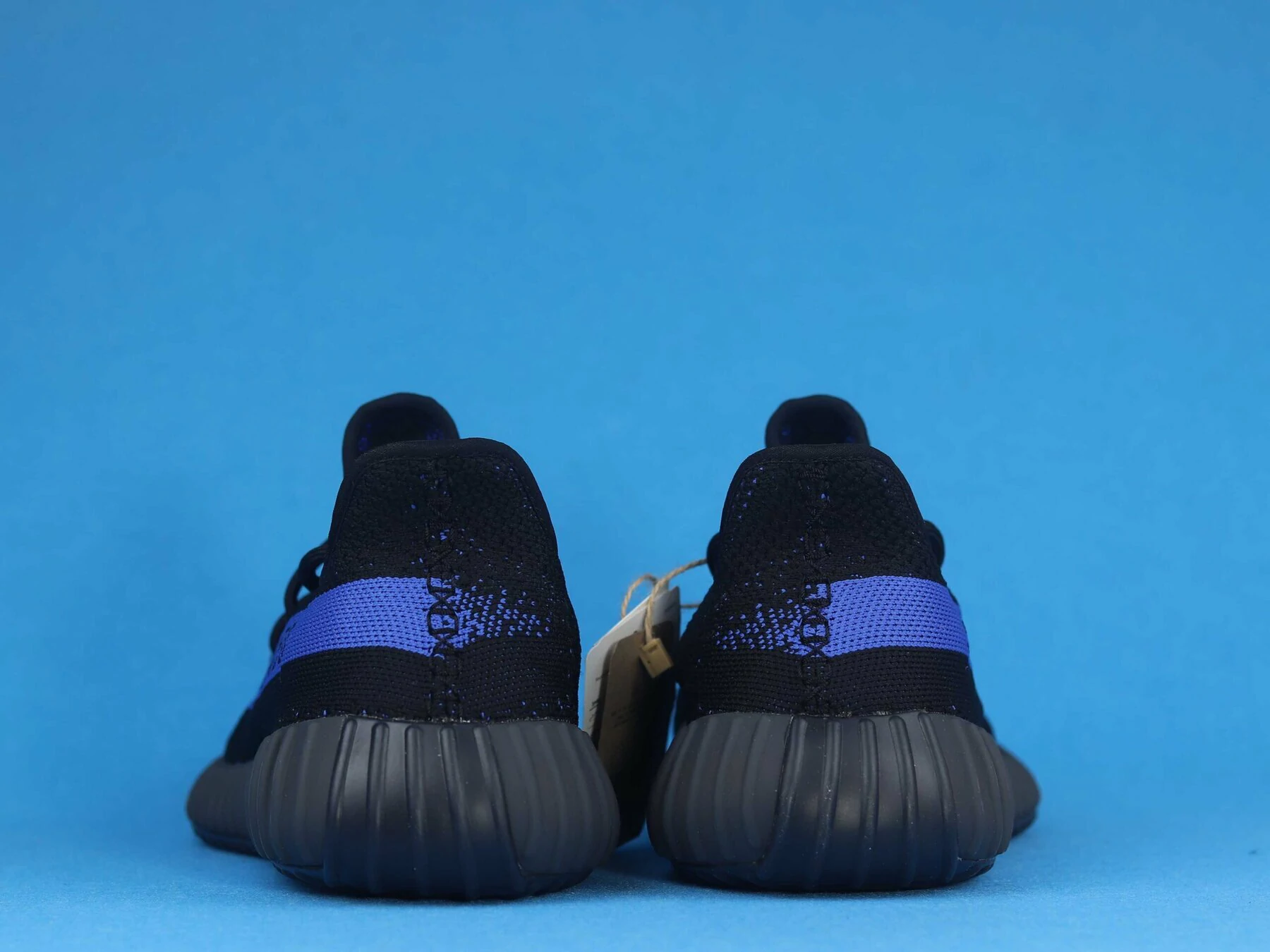
Ultraboost brings brand pull and a higher ticket, but it also ties up more capital per pair. Counterfeit risk is higher on hyped colorways and popular sizes, so supplier checks matter more. Cloudfoam supports entry price points and volume, yet it is easier for nearby stores to match on price. A balanced buy uses Ultraboost for margin and traffic, then Cloudfoam for accessible price points and add-on sales.
Common wholesale ranges vary too much by season, model, and channel to treat as a rule. Ask for a written price list, size curve, and return policy before you commit. MOQ also varies by supplier and SKU, so confirm it in writing rather than relying on a verbal quote. Treat any range you see online as a starting point only, then verify with your supplier.
Sample and Supplier Checklist
Before you place a bulk order, run the same checks on both lines.
- Confirm the exact model name, SKU, and whether the pair is Ultraboost or a Cloudfoam model.
- Compare midsole rebound by hand and underfoot, not just by the label.
- Check upper stitching, cage alignment, glue marks, and outsole tread on both shoes.
- Request a US size run and measure the insole against your own reference pairs.
- Ask for the official size chart, warranty terms, and return policy in writing.
- Verify box label, SKU, and country-of-origin markings against the pair before listing.
A supplier who cannot answer these points clearly is a risk to your margin and your reputation. Put the answers in your purchase order, not just in a chat thread.
Authenticity Checks That Actually Help
Ultraboost fakes often copy the shape but miss the midsole texture, cage placement, or outsole details. Cloudfoam counterfeits are less common, though low-price channels still carry mislabeled goods. Use a checklist, not a single tell.
Compare the SKU on the box, the size tag, the midsole finish, and the stitching under the cage. For high-value pairs, pay a professional authenticator or use a documented inspection process.
Supplier history matters as much as the shoe. Ask for business references, past order records, and clear photos of the actual stock you will receive. Avoid sellers who cannot provide a consistent SKU list or who push you to pay outside a traceable method. If a deal looks far below the normal wholesale band for the model, slow down and verify the source.
How to Explain the Difference on the Sales Floor
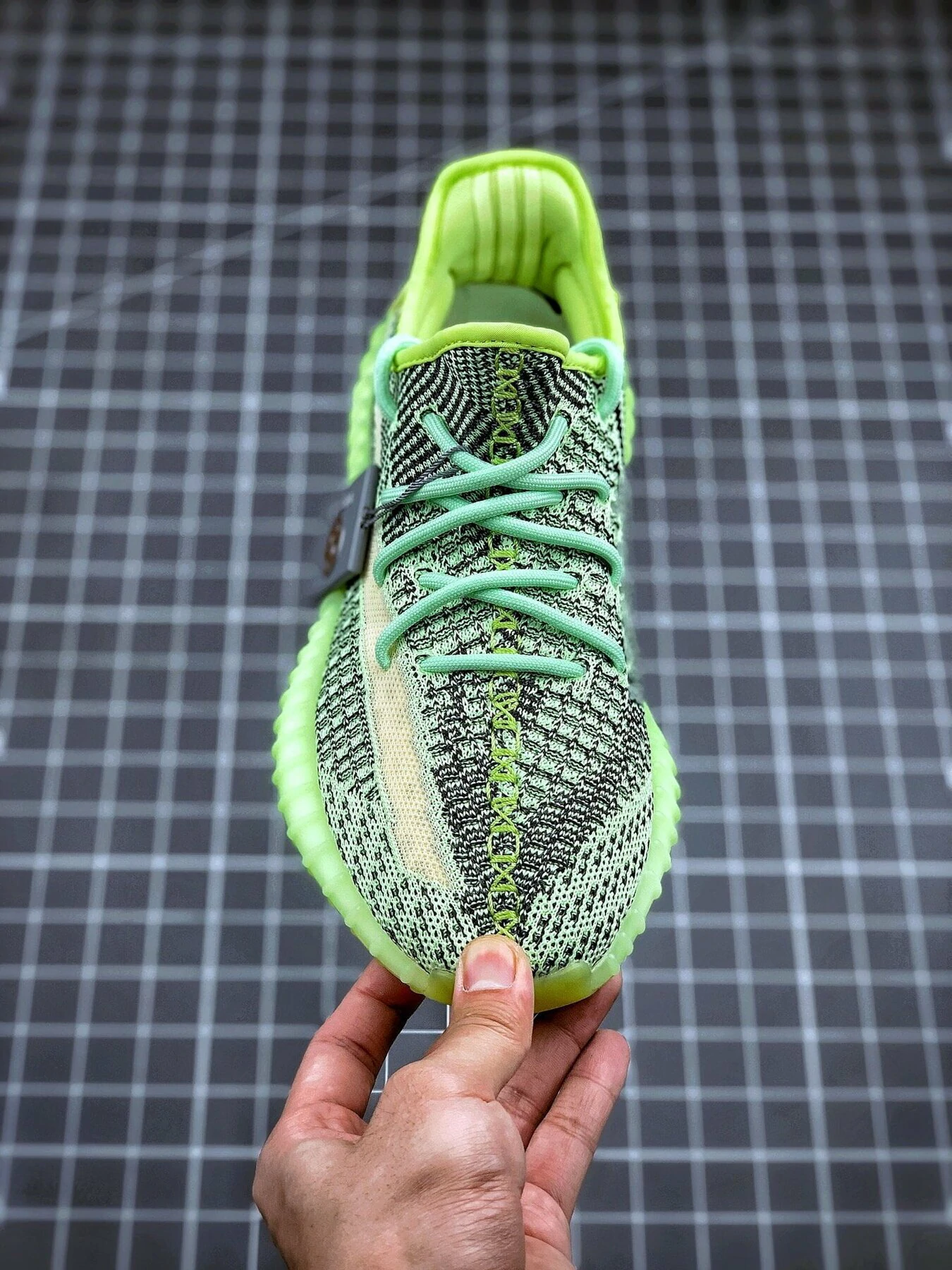
When a shopper asks what is the difference between adidas ultraboosts and cloudfoams, keep the answer practical: one is a responsive knit runner with a higher ticket, the other is a soft casual option at a friendlier price. Ask about weekly mileage, standing time, and budget before you point to a shelf. A runner who wants rebound will notice the Boost feel. A casual wearer who wants cushioning for errands may not need to pay for it.
Train staff to use the same three-point script: midsole feel, upper fit, and intended use. That keeps the conversation honest and reduces returns. Do not promise that either shoe will fix foot pain or replace a medical recommendation. For wide feet, offer a half size up in Ultraboost and check the specific Cloudfoam model before making a fit claim.
FAQ for Buyers
Is Ultraboost better than Cloudfoam for running?
Ultraboost is the stronger choice for runners who want a responsive, cushioned ride and a snug knit fit. Cloudfoam is better for casual walking and lower-impact daily wear. Neither line replaces a proper running shoe fit check. Match the shoe to the runner's weekly mileage, foot shape, and surface, then confirm with a test fit.
Do Ultraboosts run true to size?
Many buyers take their normal US size in Ultraboost, but the knit upper runs snug through the midfoot. Wide-footed shoppers often prefer a half size up. Fit also changes by generation and model, so check the official size chart for the exact SKU. For online sales, publish a clear exchange policy to cover size uncertainty.
Is Cloudfoam a single shoe model?
No. Cloudfoam is a cushioning platform used across many Adidas models, including lifestyle and entry running shoes. That means fit, upper material, and outsole durability can differ from one Cloudfoam SKU to the next. Buyers should treat each model as its own product and request the spec sheet before ordering.
Which line is easier for a small store to sell?
Cloudfoam is easier to place at an entry price point and can move in volume with casual shoppers. Ultraboost brings more brand pull and a higher ticket, but it demands more capital and stricter authenticity checks. A small store can carry both, using Cloudfoam for traffic and Ultraboost for margin and destination shoppers.
How should I merchandise Ultraboost and Cloudfoam together?
A common buyer question is what is the difference between adidas ultraboosts and cloudfoams when both sit in the same store. Separate them by customer intent, not by brand logo. Put Ultraboost near performance and premium lifestyle cues, and place Cloudfoam in a value-focused comfort zone. Use shelf talkers that name the midsole, fit, and best use in plain language.
If you are building a mixed assortment for the next season, start with a short list of exact SKUs, target price bands, and a sample size run. Send that brief to your supplier and ask for availability, MOQ, and lead time in writing. A clear brief gets you a faster, more accurate quote and fewer surprises at receiving.