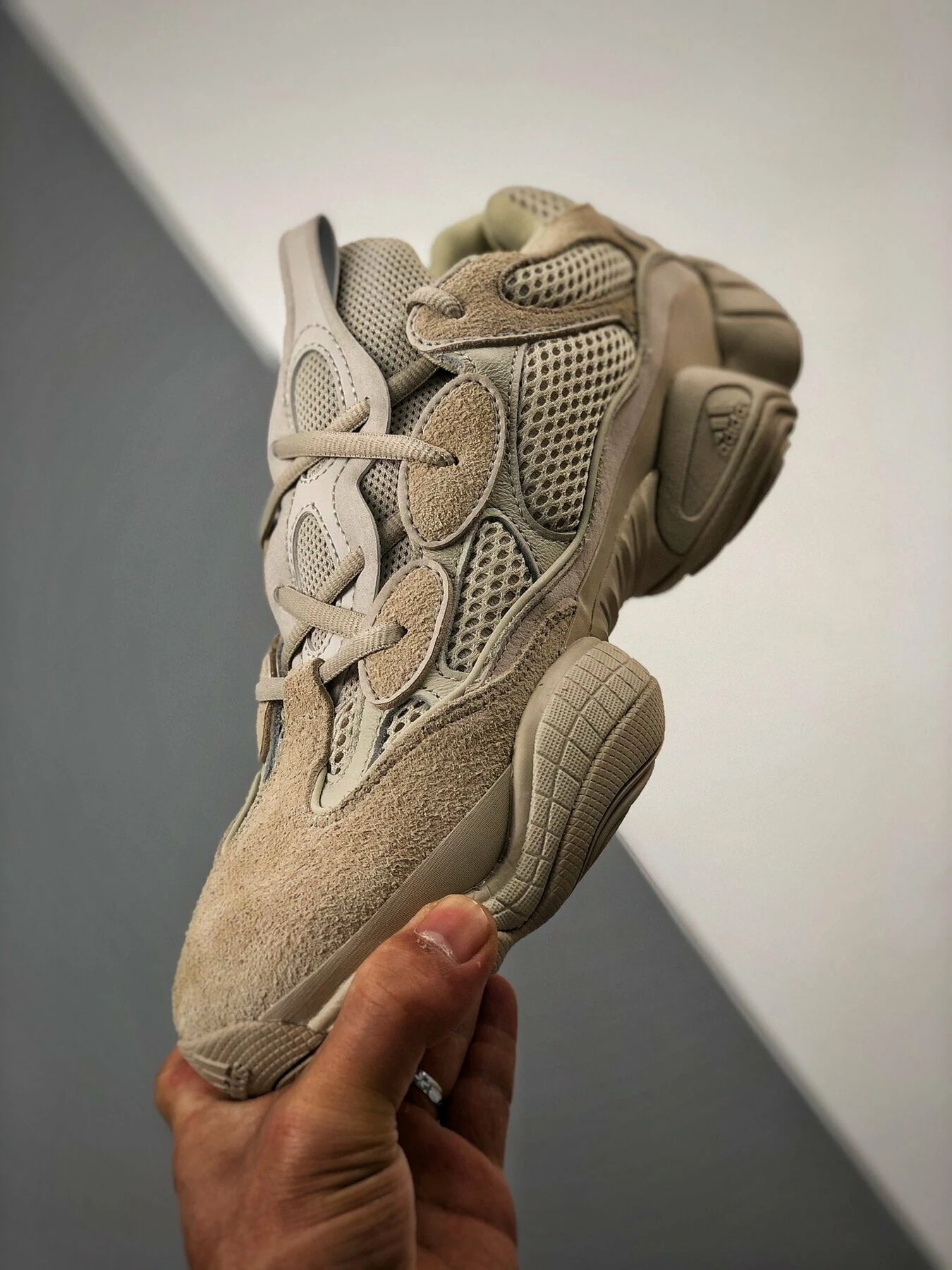
The adidas ultraboost 1.0 shoe is the 2015 original, reissued in cycles over the last several years, and it still earns shelf space because the knit upper and caged heel are instantly recognizable to anyone who bought running shoes in the past decade. Buyers who want a familiar silhouette at a workable cost keep coming back to it. What follows covers what the shoe actually is, how it fits compared with later Ultraboost generations, and what to inspect before you commit to a size run or a bulk order.
This guide is written for independent shops, online sellers, and buyers building mixed lots, so the lens stays on the details that change a purchase order: fit consistency across sizes, which materials age well, condition grading, and how fast each size actually moves.
What the Original Build Actually Is
Primeknit upper, full-length Boost midsole, Continental-branded Stretchweb outsole, and a molded heel cage. That is the recipe, and the 1.0 is the least altered version of it. Later generations added Boost volume, revised the cage, and eventually moved to Light BOOST, which adidas markets as a lighter compound.
Practically speaking, the adidas ultraboost 1.0 shoe rides lower and feels firmer underfoot than the 19 through 22 generations, and the knit gives less across the midfoot. Someone who owned a pair in 2016 notices the difference immediately and usually likes it. Someone who came to the line in 2022 often finds it tight.
That narrows the buyer. The 1.0 sells best to people replacing an old pair or chasing a retro runner look, not to shoppers hunting maximum cushioning.
Fit, Sizing, and Size Run Planning
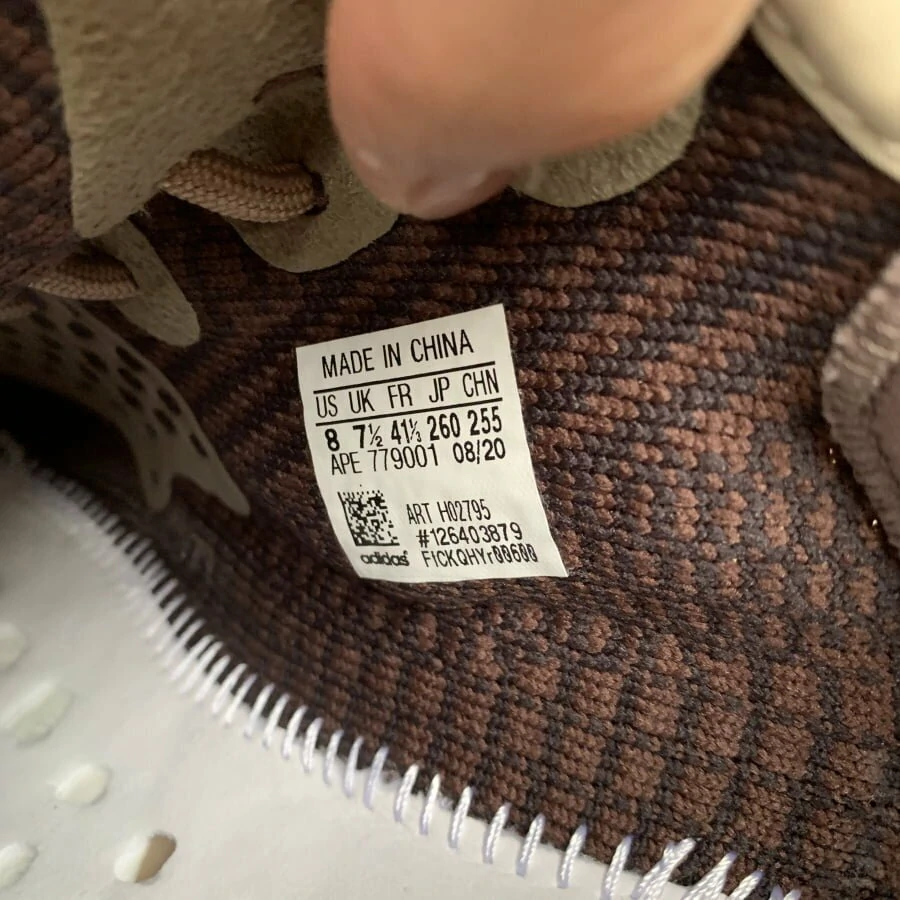
Most buyers take their normal US size in the adidas ultraboost 1.0 shoe. The knit grips the midfoot firmly out of the box and loosens a little after a few weeks, so sizing down rarely works and sizing up usually leaves extra length in the toe.
Wide-footed customers are the exception, and a half size up is the usual fix. A few will never be comfortable in the cage at any size, and saying so up front saves a return. Point shoppers to the official adidas size chart instead of a photo of a tag.
Running a size curve? Weight the middle. Men's US 9 to 11 and women's US 7 to 9 turn fastest in most US markets, while 8 and anything above 12 sits longer. A reasonable first order looks like 60 percent core sizes, 30 percent edges, 10 percent outliers, adjusted after one sell-through cycle. Treat those splits as a starting point and confirm against your own numbers.
How It Compares to Other Ultraboost Generations
The 1.0 is rarely the only Ultraboost a customer is weighing. The table below is a quick read on where it sits against the generations you are most likely to be offered by the same supplier.
| Model | Upper and cage | Underfoot feel | Where it fits in your lineup |
|---|---|---|---|
| Ultraboost 1.0 | Primeknit with the original caged heel | Lower and firmer, snug midfoot | Retro buyers and repeat customers |
| Ultraboost 4.0 | Denser knit, more structured cage | Plusher, slightly roomier | Everyday trainer replacement |
| Ultraboost Light | Lighter knit, simplified cage | Lighter overall, softer step | Shoppers who ask for the current model |
| Ultraboost 5 | Newest build, revised upper | Most cushioning of the group | Walk-in customers focused on comfort |
If your customers skew toward comfort walking, the newer builds will outsell the 1.0. If they skew toward sneaker culture, the 1.0 wins on recognition, and its colorways are easier to merchandise alongside denim and workwear.
What to Inspect on Inbound Pairs
Boxes and tags tell you more than the shoe's surface. A deadstock pair should arrive with a box label matching the size tag, a legible style code, and laces that still hold their factory fold. Anything mismatched is a pricing problem, not a minor detail.
- Box label size, style code, and colorway match the size tag inside the shoe
- Size tag printing is crisp and centered, not blurry or peeling
- Boost pellets show even texture with no glossy patches or paint touch-ups
- Cage stitching is symmetrical across both shoes, with no doubled or loose threads
- Outsole edges are sharp, since worn pairs round off quickly at the heel
- Sockliner print matches the model and is not a generic insert
- Glue lines are thin and consistent, with no overflow across the knit
- Midsole and upper match in shade under daylight, not only indoor light
Photograph both shoes, the size tag, and the box label before you list anything. If a lot is described as factory-fresh and the photos skip the tag, assume there is a reason. For high-value pairs, pay for professional authentication rather than trusting a checklist alone.
Condition Grading and Authentication Basics
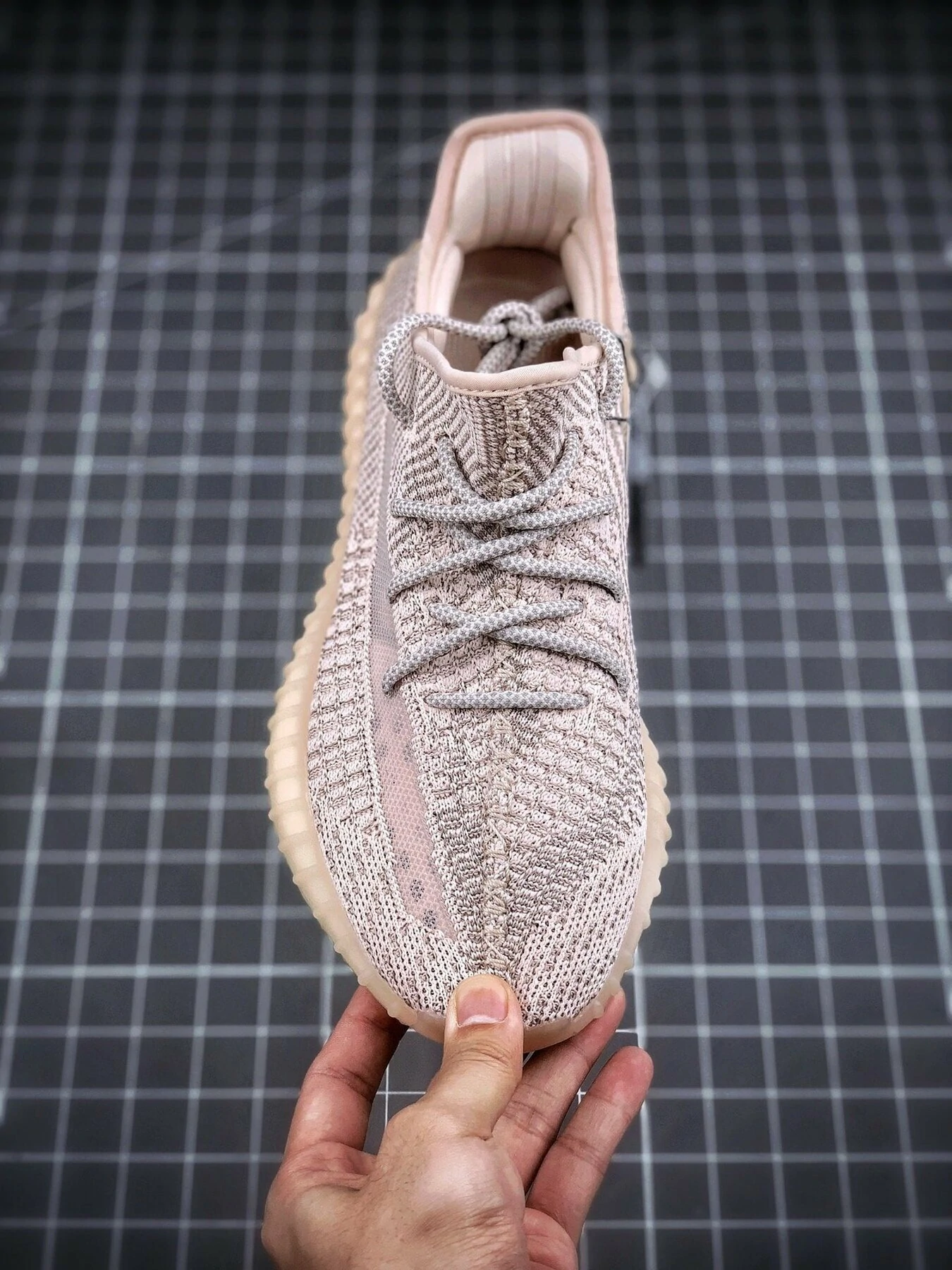
Deadstock means unworn with original packaging, and that is the only grade most wholesale buyers should accept on a first order. Worn pairs belong in a separate, clearly labeled category, because mixing them into a bulk listing damages trust faster than a price mistake.
When you buy the adidas ultraboost 1.0 shoe in bulk, the box and the size tag carry more margin weight than the upper's surface condition. A missing box cuts resale value, a mismatched label stops the sale, and a clean tag lets you describe pairs honestly and price them with confidence.
Nobody should authenticate from a single detail. Boost texture, cage construction, tag fonts, and box printing all need to line up together, and a professional service is the right call when a lot is large or the source is new.
Pricing, MOQ, and Landed Cost
Quotes on this model move with condition, size mix, and colorway, so published ranges only get you into the ballpark. Deadstock pricing commonly lands somewhere between a deep discount to retail and full retail depending on scarcity and colorway, for reference only, so confirm written pricing and minimums with the supplier before you plan margin.
Landed cost is where buyers get surprised. Freight, insurance, and import duties sit on top of the invoice, and duty treatment depends on classification and country of origin. Ask a licensed customs broker to confirm rates before you sign rather than relying on a supplier's estimate.
Every adidas ultraboost 1.0 shoe in a mixed lot should be priced against your own sell-through, not against a list price someone emailed you. If size 8 takes three months to move at your shop, it is not worth the same as size 10, whatever the invoice says.
Buyer Questions
Does the 1.0 run true to size?
For most people, yes. It fits like a snug running shoe, so your normal US size works unless you have wide feet, where a half size up is common. The knit relaxes slightly with wear, so do not size down hoping for a tighter fit. Use the official size chart for conversions.
Is it as comfortable as newer Ultraboosts?
It feels firmer underfoot than later versions, which added more Boost volume. Fans of the original prefer the lower, more connected ride. Shoppers who want maximum cushioning are usually happier in a newer generation. Neither is better, they suit different feet.
Which colorways move fastest?
Core black and white-based makeups tend to go first, and triple black stays consistent across buyer types. Louder collaborations and seasonal colorways can sit unless you have a buyer lined up. Stock what your own customers ask for instead of chasing a list.
Can I mix sizes in a wholesale order?
Often yes, and mixed size runs are common for this model. Ask for the exact breakdown in writing, including pairs per size, and confirm whether the supplier requires full size runs or case quantities. Terms vary by seller, so get it into the quote.
What is a realistic minimum order?
Minimums range from a few pairs to full pallets depending on the seller's position in the chain. Small first orders are usually possible at a higher unit cost. Start small, verify condition and sizing, then scale once you know how the sizes move in your market.
Planning an order? Send your target size split and colorway list, then ask for current availability, unit pricing, and a sample pair for inspection. A supplier who answers those three questions clearly and puts the terms in writing is worth a second conversation.