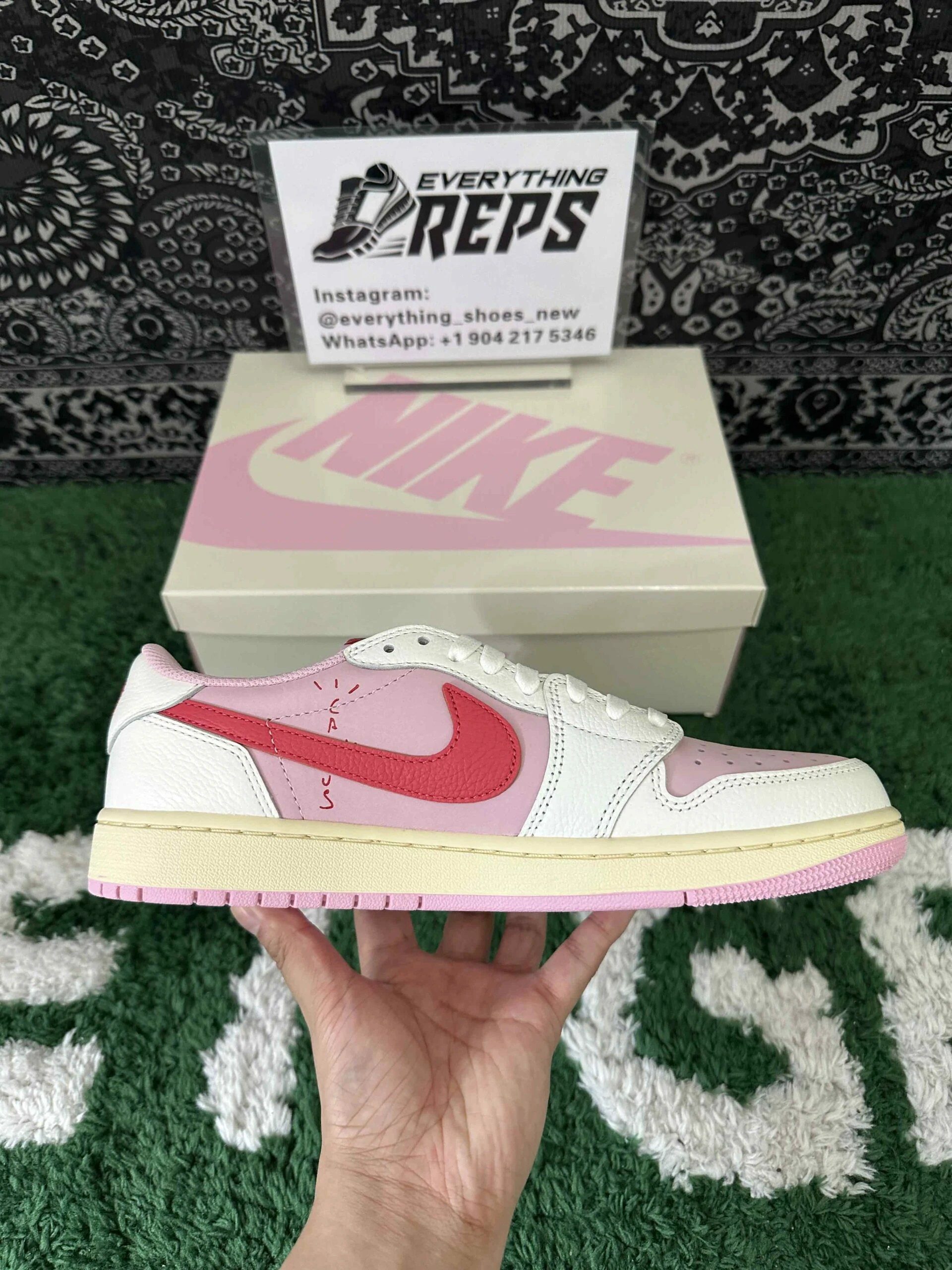
An OG Jordan 4 is a pair built during the shoe's original 1989 production run. A Retro is any reissue made afterward, which in practice means pairs from 1999 through the current season. That one line settles most of the jordan 4 retro vs og question for a buyer: retros show up as size runs you can reorder, while OGs show up as single consignment pieces with no size curve.
New buyers also use "OG" to mean original colorway, as in White Cement or Black Cement. Worth clarifying before you quote a price. A 2016 retro in an original colorway is still a retro, and pricing it like a 1989 pair will end the conversation fast.
What follows is how the two break down on shape, materials, price logic, and the condition checks that protect your margin. Nothing here replaces handling the pair, but it will keep you from quoting the wrong number.
How the Two Versions Differ on the Shelf
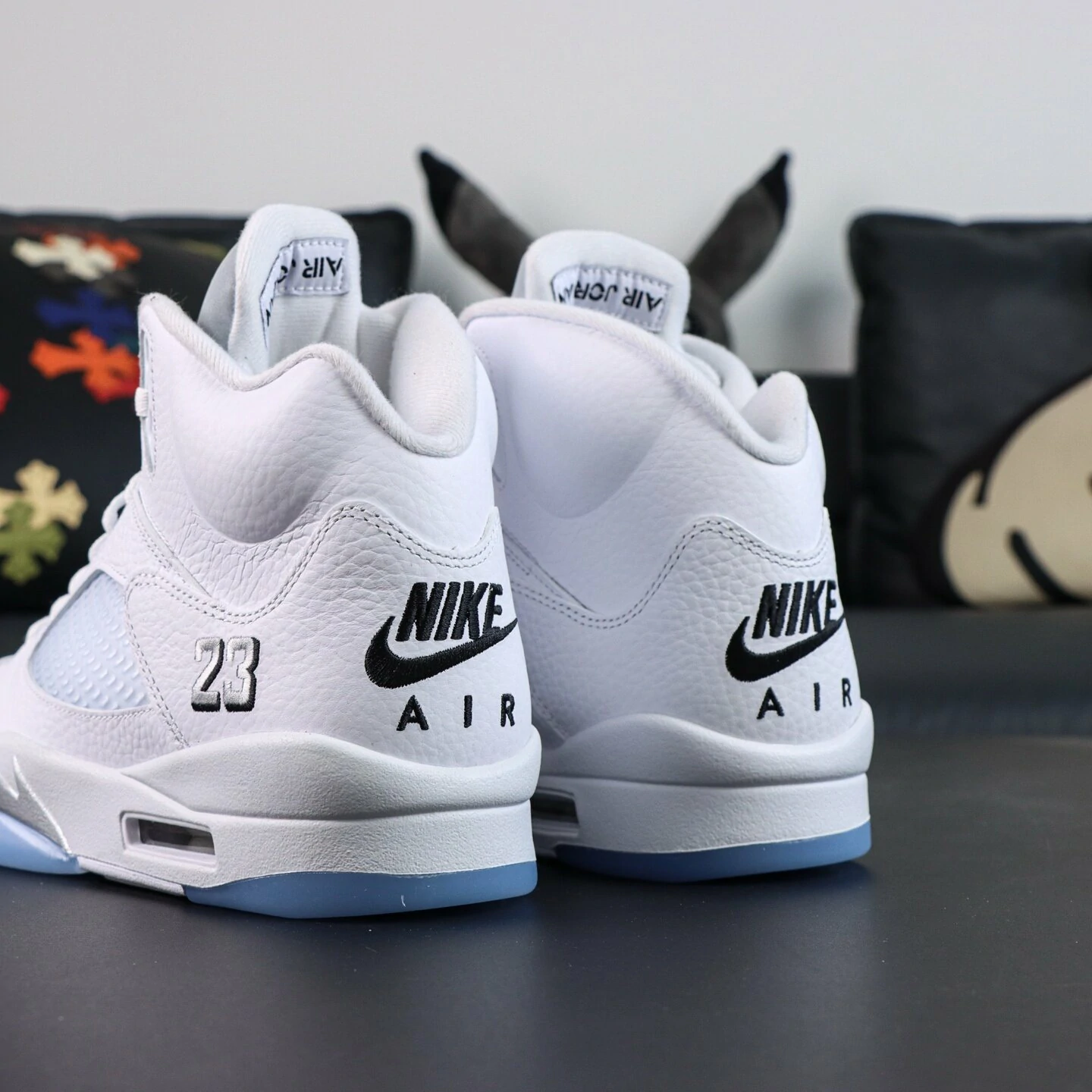
Branding is the first tell. Original 1989 pairs carried Nike Air on the heel tab. Most retros from the 2000s and 2010s used a Jumpman instead, and in recent years Nike has put Nike Air back on selected retro releases. A Jumpman heel does not mean fake, and a Nike Air heel does not mean 1989.
Shape is the second tell. Original pairs sit taller through the toe box and have a slimmer ankle collar than most mid-2010s retros. Recent molds have drifted back toward the original profile, so two retros built five years apart can look like different shoes on the same shelf.
| Feature | 1989 original | Modern retro | What it means for you |
|---|---|---|---|
| Heel branding | Nike Air | Jumpman or Nike Air, by release | Never grade authenticity on the heel tab alone |
| Toe box and collar | Taller toe, slimmer collar | Varies by year and mold | Photograph true side profiles for online listings |
| Midsole and netting | Softening, yellowing, possible crumbling | Factory fresh, consistent paint | OG pairs need an in-hand inspection every time |
| Materials | Durabuck and leather from 1989 suppliers | Nubuck or leather, quality varies by retro year | Compare within a retro year, not against OG |
| Supply | Single pairs, no size runs | Full runs through distributors | Only retros support reorder-based planning |
Materials: Age Explains More Than Spec
When the jordan 4 retro vs og comparison turns to leather and nubuck, most of the difference is 35 years of oxidation, not a different spec sheet. Original pairs were not luxury goods. They were performance basketball shoes built to a price, and the panels that feel rich today feel that way partly because the coatings have aged.
Among retros, quality swings widely. A 2012 pair and a 2023 pair of the same colorway can use different leathers, different netting stiffness, and different midsole paint. If a customer insists one retro year is the good one, ask which colorway and which factory. The claim rarely survives that question.
Netting is a useful check on both versions. Genuine netting has a slight flex and cleanly molded edges. Stiff, glassy netting with sharp flashing is a common sign of a replica, and that holds whether the pair claims to be 1989 or 2024.
Price Logic: Retail, Resale, and Wholesale
Modern Jordan 4 retros have crept into the $210 to $225 retail range in recent years, with resale and wholesale pricing moving around that anchor. Treat those figures as directional only, and confirm current numbers with your supplier or a live price list before you commit to a buy.
OG pairs live in a different market. They trade in collector channels at multiples of any retro price, they come one pair at a time, and condition drives the number more than colorway does. Run the jordan 4 retro vs og math on margin per unit moved, not on headline price. A single OG at a high ticket with slow sell-through can tie up cash that four retro size runs would have turned twice.
For most US shops, the working model is retro inventory plus opportunistic OG buys. Retros give you the size curve customers expect, roughly US 8 to 12 with thin edges at both ends. OGs give you a story, a display piece, and a reason for collectors to walk in.
A Pre-Purchase Checklist for Both
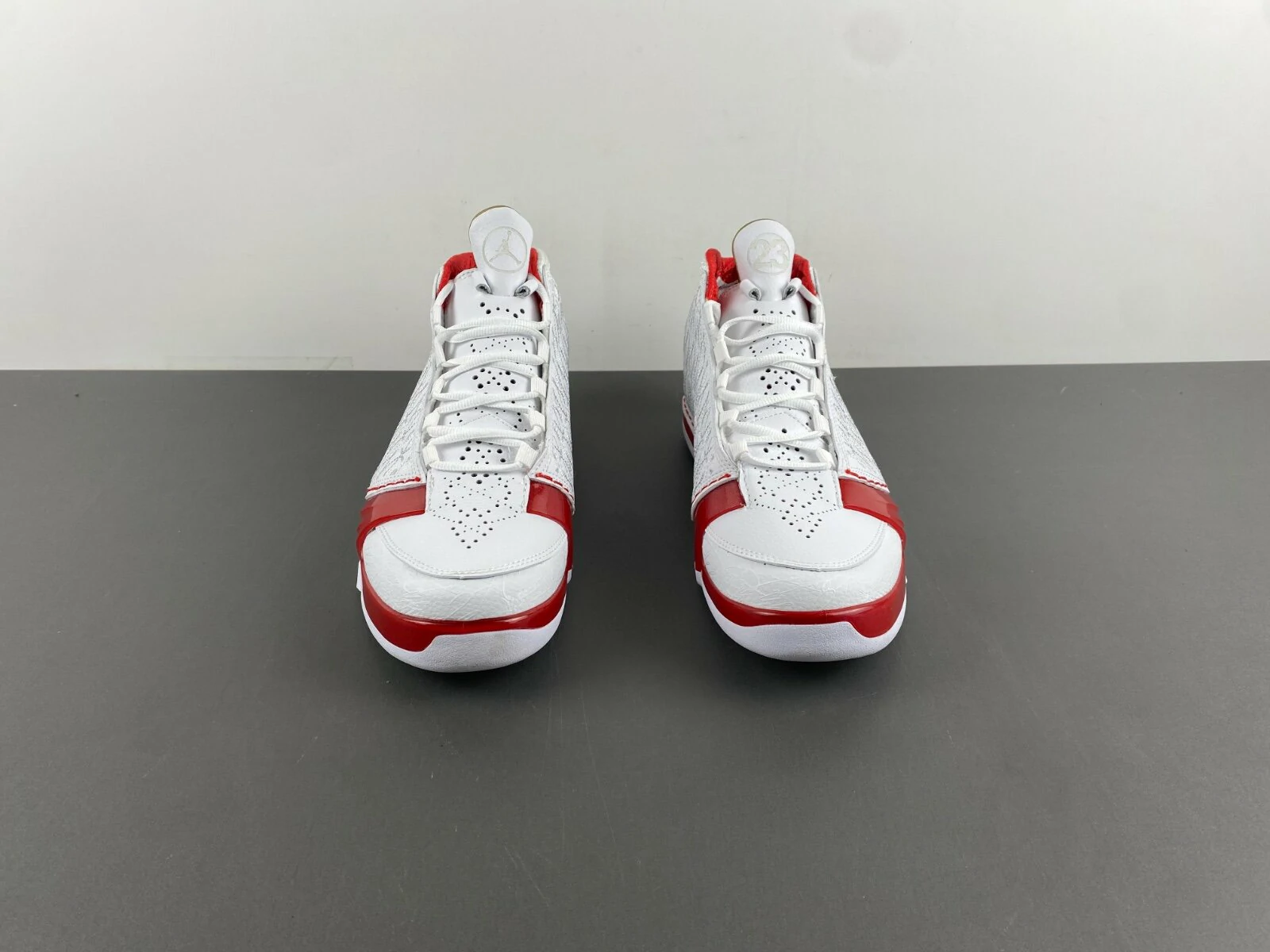
Use the same first pass on every pair, then split by version. The jordan 4 retro vs og checklist below is the one we would hand a new buyer before a first order.
- Confirm the release year and colorway from the box label and style code, not from a listing title.
- Match the size run against your last 90 days of sales; skip sizes you have not sold.
- Photograph the heel tab, tongue label, wings logo, and outsole before the pair enters stock.
- On retros, verify midsole paint lines and netting symmetry; factory variation exists, sloppy work is something else.
- On OG pairs, test for sole separation, crumbling polyurethane, and replaced laces or insoles.
- Price against recent sold comps in comparable condition, not against active asking prices.
- Get the supplier's return policy in writing before the first bulk order.
Authentication Points That Hold Up
Any jordan 4 retro vs og authentication pass starts with the same three points: stitching density on the heel tab, font weight on the tongue label, and the molding of the wings. Replicas tend to get the shapes close and the small text wrong. Compare against a known pair in hand rather than a photo online.
For OGs, authentication gets harder because legitimately aged pairs can carry swapped parts. Original insoles, period-correct laces, and unyellowed netting on a 1989 pair are all reasons to slow down. Pay for professional authentication on anything above a few hundred dollars; the fee is cheaper than one bad sale.
FAQ
Is an OG Jordan 4 better quality than a retro?
Not in any consistent way. Original pairs used 1989 materials and construction, which were good for their era but not superior by default. Condition matters more than vintage. A well-kept 2019 retro will usually outlast a worn OG pair.
Can I buy OG Jordan 4s wholesale in bulk?
No. OGs have not been produced since 1989, so there are no size runs, no MOQ pricing, and no factory channels. Bulk supply exists only for retros. OG pairs come from consignment, auctions, and collector trades, one or two at a time.
Do retros fit the same as the 1989 original?
Close, but not identical. Jordan 4s generally run true to size, and the original and retro lasts are similar. Customers with wide feet often go up a half size. Aging changes fit on OGs as linings compress, so confirm against an official size chart.
Which holds value better for a shop?
OGs hold absolute value but sell slowly and carry authentication risk. Retros hold volume and predictable turns. If cash flow matters, weight your budget toward retros and treat OG purchases as singles you can afford to sit on.
Why do some retros have Nike Air and others a Jumpman?
Branding changed with the era and the release. Most retros from the 2000s and 2010s used a Jumpman on the heel, and recent releases have brought Nike Air back on selected colorways. Check the specific release rather than assuming.
Next Step for Buyers
If you are building a Jordan 4 program for the season, start with retro size runs in the colorways your customers already ask for, then add an OG piece only when the margin and the paperwork both make sense. Send us your size breakdown and colorway list, and we will come back with current availability and terms.