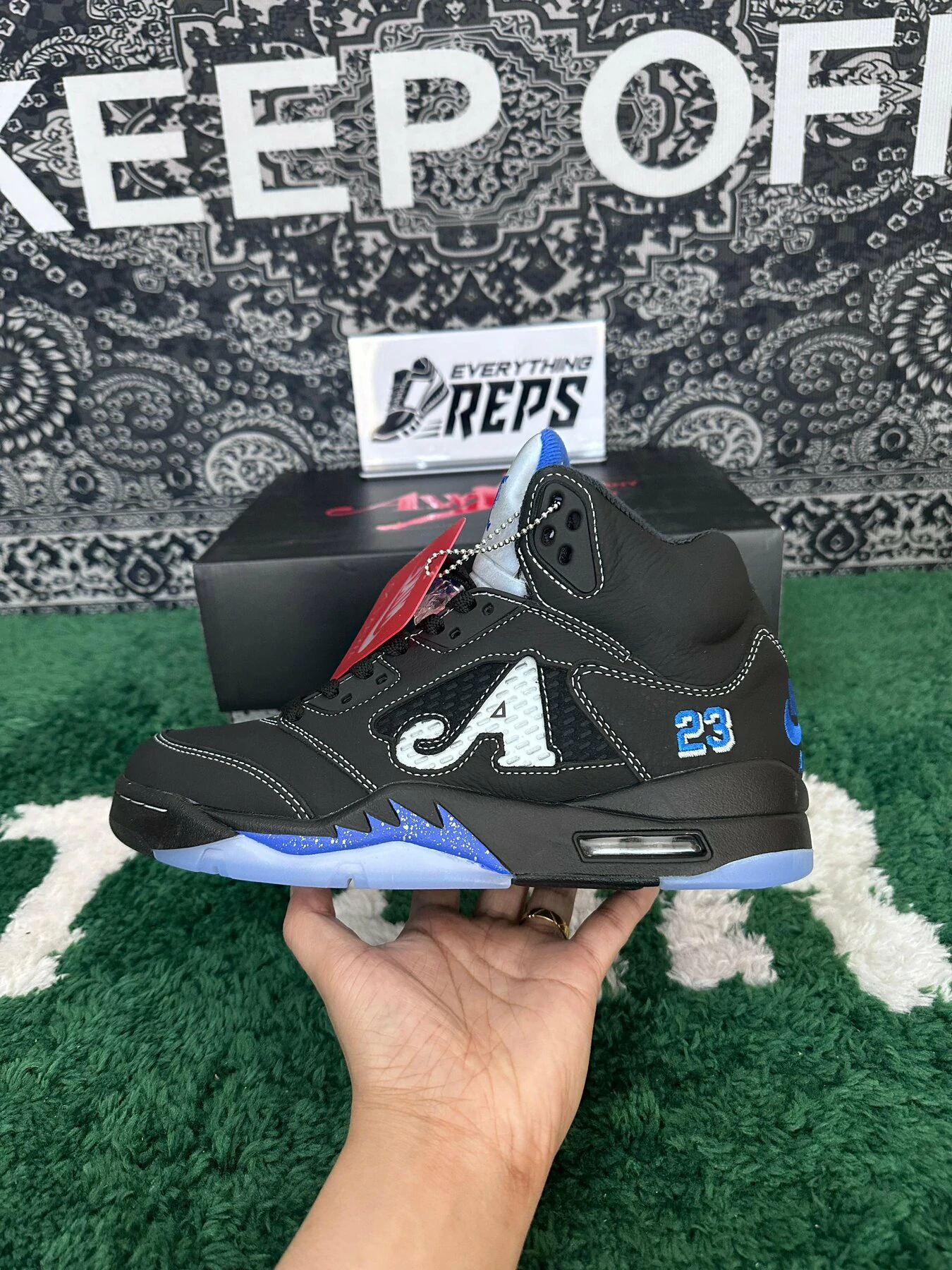
No published list of upcoming Jordan 1 Low colorways stays accurate for long. Dates slip, regional pairs appear without warning, and a mock-up that looked like a sellout can sit on the wall for months. The practical question for a shop is narrower: what do I buy, how deep, and at what landed cost.
This guide is written for independent US retailers and online sellers who Stock retro Jordans. It covers how to read a release calendar, how to tier colorways before you commit cash, how to build a size run, and how to vet a source before the invoice clears.
Read the Calendar Before You Read the Hype
Every buy plan starts with a calendar you maintain yourself. Brand release channels, retailer launch pages, and distributor line sheets are the three inputs most shops work from. They rarely agree, and that disagreement is useful information.
Upcoming Jordan 1 Low colorways that show up on a distributor sheet with a style code are the ones you can plan money around. A date that appears only on an anonymous social account is a rumor, not a purchase order.
Work the calendar 90 days out. Anything inside 30 days is a replenishment call, not a planning call.
Sort Colorways into Three Buy Tiers
Not every pair deserves the same shelf space. Treating a loud seasonal drop like a white-and-black staple is the fastest way to freeze working capital, so assign a tier to each pair before quantity gets discussed.
| Tier | What it usually looks like | Share of open-to-buy | Size focus | Main risk |
|---|---|---|---|---|
| Anchor | White, black, grey or Chicago-style blocking in smooth leather | Roughly 50 to 60 percent | Full run, deepest on 8 to 11 | Thin margin, fast turnover |
| Seasonal | Tonal suede, pastels, earth tones tied to a season | Roughly 25 to 30 percent | Core sizes plus women's-leaning sizes | Markdown if the season turns early |
| Statement | Bold blocking, textured overlays, limited or collab-adjacent | Roughly 10 to 15 percent | Shallow run, heaviest on 9 to 10.5 | Dead stock if the story does not land |
Those splits are a starting point, not a rule. A shop near a campus or in a city with real sneaker traffic can push statement pairs harder. A suburban Store selling mostly to parents and casual wearers should lean further into anchors.
Review the mix each quarter. If statement pairs are still sitting at 60 days, cut that tier for the next cycle and move the cash into anchors you know will turn.
Size Runs Decide Whether You Make Money
Men's US 8 through 11 carries most of the demand in a typical US store, and 9.5 to 10.5 moves fastest. Sizes 7 and below and 12 and above turn slower but see less competition, so a thin run is usually enough. Extended sizes past 13 are a hard sell outside major metro markets.
Women's buying matters more on this silhouette than on the high-top. Many customers shop the men's chart directly, so keep the conversion chart at the counter and on every product page. GS pairs belong on their own line in the plan, because the margin math and the customer are different.
When a new batch of upcoming Jordan 1 Low colorways hits your calendar, sketch the size curve before you set a number. Writing "24 pairs" tells you nothing. Writing "3 each in 8 through 11, 2 in 7 and 12, 1 in 13" is a plan you can defend to a partner or a lender.
Pricing Discipline and Sourcing Checks
Core Jordan 1 Low pairs are a competitive category, and margin on them is thinner than most first-time buyers expect. Price against a landed cost that includes freight, duties, and payment fees, not just the unit price on the invoice. Get that number from every supplier in writing.
Treat any offer of unreleased pairs at a steep discount as a warning sign. Authentic allocation for current-season retros is limited, and legitimate wholesalers do not dump pairs that have not launched yet. If a source cannot explain where the stock comes from, walk away.
Verification takes ten minutes and is worth it. Match the style code and color code across the box label and the shoe tag, check stitching density at the swoosh and heel, and confirm the midsole paint line is clean. For higher-value pairs, pay a professional authentication service instead of guessing.
Pre-Commit Checklist for Store Owners
- Confirm each release date on at least two independent calendars.
- Log the style code and color code for every pair you plan to carry.
- Assign a buy tier before you set quantity.
- Write the size curve in units, not in dollars.
- Get landed cost in writing, freight and fees included.
- Hold back 15 to 20 percent of open-to-buy for in-season opportunities.
- Set a markdown date at purchase, not after the pair stalls.
- Check state sales tax and import paperwork with a customs broker, since rules vary by state and by shipment.
Two items on that list prevent most of the losses: buying without a tier, and buying without a markdown date. A pair you plan to mark down in week ten is a controlled risk. A pair you never planned to mark down becomes a hostage on your shelf.
Common Questions from Retail Buyers
How far ahead are upcoming Jordan 1 Low colorways usually confirmed?
Most retail calendars firm up somewhere between a few weeks and a few months before launch, and dates still move after that. Treat anything further out as a planning hint only. Re-confirm at 30 days and again in launch week before you place a reorder.
Do Jordan 1 Lows fit true to size?
Most buyers take their normal US size in the Low. Wide-footed customers often go up a half size, and anyone between sizes should size up rather than down. Pull the current official size chart for the exact model and ask customers to measure their foot in inches.
How many colorways should a small shop carry at once?
Two or three anchors plus one seasonal pair is a workable default for a single-door store. Add statement pairs only when you have a customer list that will take them. Depth on a few strong pairs beats shallow coverage of ten.
Can a new retailer buy unreleased pairs at wholesale?
Access usually comes through established accounts or authorized distribution, and it takes time to earn. New buyers often start with closeout and older-season stock instead. Verify every source, ask for trade references, and begin with a small test order.
Where should I track upcoming Jordan 1 Low colorways?
Build one spreadsheet with style code, color code, release date, and source, then update it weekly. A single maintained file beats scattered screenshots and half-remembered posts. Share it with whoever handles your ordering so the buy plan and the calendar stay in sync.
If you are planning the next two quarters, start with the calendar and the tier split, then pin down landed cost before anything else. Send over your size curve and target color families, and we will reply with availability and a quote you can check line by line.