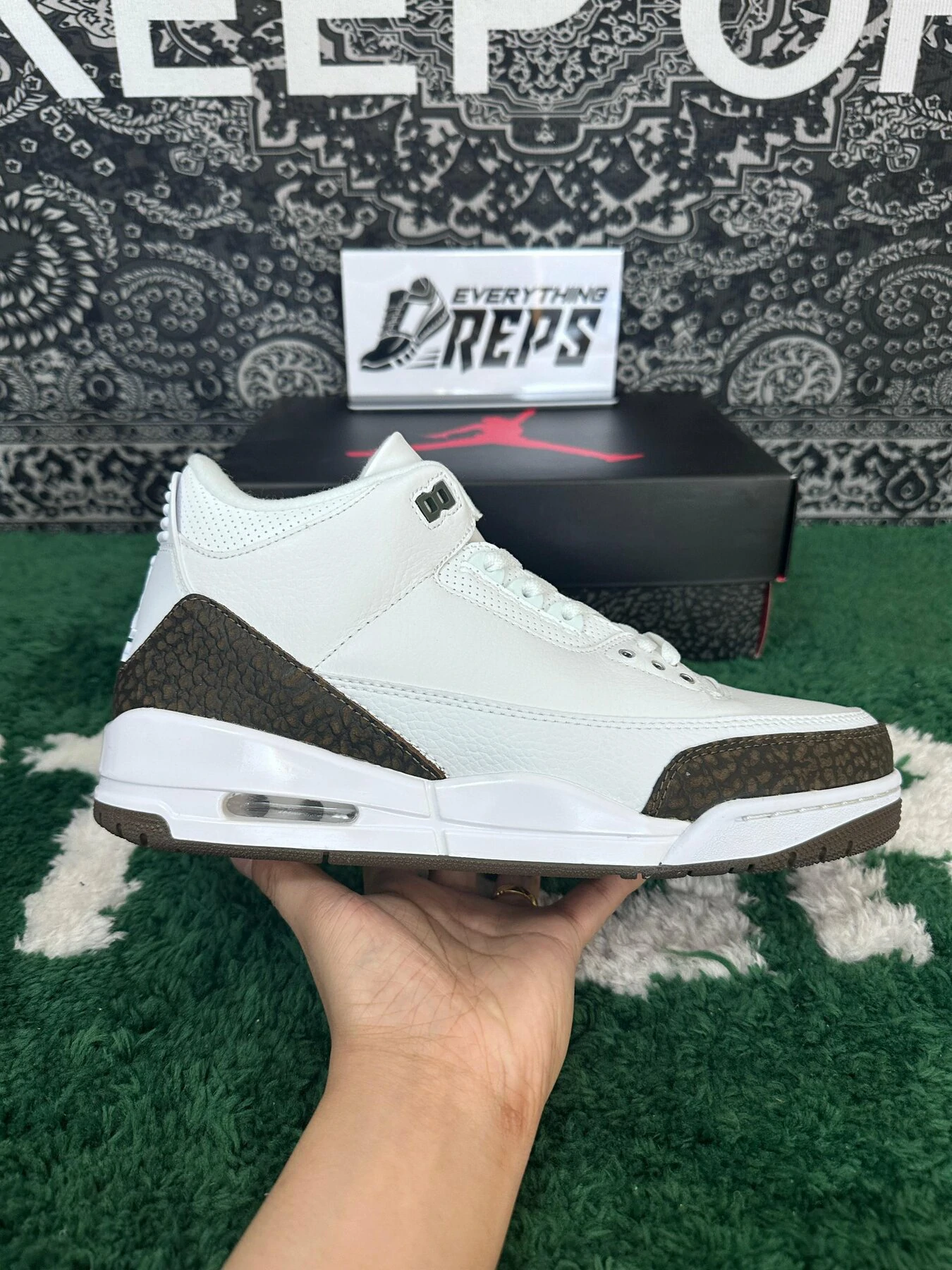
Blue and black Jordans move because they are wearable, easy to photograph, and hard to get wrong on a shelf. For an independent shop, that combination beats hype most seasons. The problem is that the colorway family is crowded, so choosing the right pairs matters more than choosing the right Supplier.
This guide covers which blue and black new jordans are worth ordering, how to build a size run that sells through, and how to vet a supplier before money leaves your account. It assumes you are buying for resale, not for a personal collection.
Why This Colorway Family Keeps Turning
Blue reads as a neutral in photos and in person, which is why it outsells louder accents on the shelf. Black does the practical work: it hides creases, forgives scuffs, and matches denim, so an unsure buyer defaults to it. Put the two together and you get a pair a walk-in customer can justify and a reseller can move without a long story.
There is also a seasonal pattern worth planning around. Demand lifts in late summer for back-to-school and again in November once gift shopping starts. Landing blue and black new jordans four to six weeks before those windows usually works better than chasing stock in December, when availability tightens and freight gets expensive.
Which Pairs Deserve Shelf Space
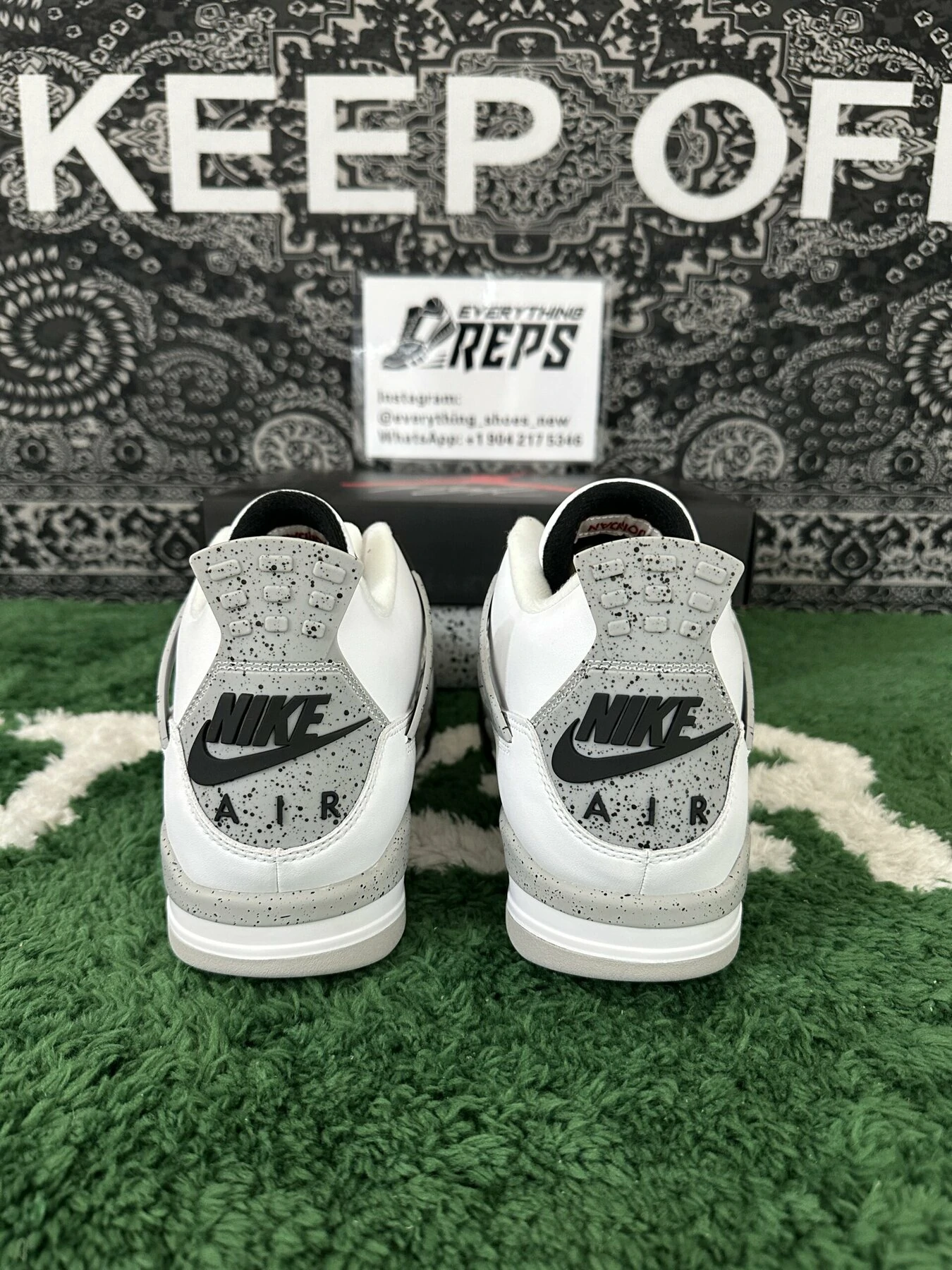
Not every blue pair earns its slot. The strongest sellers tend to be black-based builds with a clean blue accent rather than pale, washed-out tones that photograph gray under store lighting. Royal and Game Royal treatments on the Jordan 1 family carry the deepest recognition, and mid-tier pairs handle the volume.
Buy depth in the pairs customers already ask for by name, and buy one or two sizes deep in the statement pairs. A shop holding eight pairs of the same loud colorway is a shop with dead stock and a cash flow problem.
| Pair type | Typical buyer | Retail band (verify current MSRP) | Buying note |
|---|---|---|---|
| Jordan 1 High in Royal or Game Royal tones | Collectors, resellers | $150 to $200 | Anchor pair, buy once, expect tight size availability |
| Jordan 1 Mid in black and blue | Walk-in retail, parents, gift buyers | $110 to $140 | Volume driver, easiest to reorder |
| Jordan 3 or 4 in black and blue | Repeat customers, collectors | $180 to $220 | Slower turns, keep depth shallow |
| Jordan 12 or team blue builds | Local league and team-sport buyers | $170 to $200 | Strong in markets with active team sales |
Bands above are indicative only and vary by model year, so confirm current MSRP and your supplier's quote before you set a retail price.
Building a Size Run That Sells Through
Men's US 9 to 11 covers most of the demand in the US, and the half sizes inside that range disappear first. If your budget only stretches to ten pairs of one colorway, spread them across 8 to 11 with doubles at 9.5 and 10.5 rather than loading up on 12 and 13.
Women buying men's Jordans commonly size down one to one and a half sizes, so keep a few smaller pairs if your customer base skews that way. Check the official brand size chart before you publish any fit note online, and train staff to measure rather than guess.
- Core run: US 8 through 11, with 9.5 and 10.5 doubled.
- Edge sizes: one pair each in 7.5, 12, and 13, restocked only on request.
- Statement colorways: one pair per size, no depth until you see movement.
- Reorder trigger: roughly 60 percent sell-through on core sizes within 30 days.
- Hold-back: keep two pairs of your best seller unopened for exchanges and display.
Authentication Checks Before You Pay
Replica pairs in blue and black are common because the colorways are simple to copy at a glance. Ask for daylight close-ups of the tongue tag, the wings logo, stitch density along the swoosh, and the size label inside the collar. A supplier who cannot produce those photos is a supplier worth skipping.
Color matching is the tell most buyers miss. Black panels on authentic pairs usually read flat and even, while copies drift toward a purple or green cast under LED light. Pay for a professional legit check on your first order of blue and black new jordans and keep the report on file with the invoice.
Supplier Vetting and Landed Cost
Ask three questions before any sample order: where the stock ships from, how returns are handled in writing, and whether the supplier can fill the same size run twice. A supplier who can repeat a run has real inventory behind the listing. One who cannot is often a broker reselling someone else's photos.
Landed cost is the number that decides your margin, and unit price is only the first line of it. Add freight, duties, payment fees, and the cost of returns before you compare two quotes. Duty rates on footwear vary by construction and country of origin, so confirm the classification with a customs broker instead of trusting a supplier's estimate.
- Written MOQ per style and per size, not verbal.
- Sample order policy and who pays return freight.
- Shoe box condition standards and whether boxes ship flattened.
- Payment terms, plus a traceable method for the first order.
- References from two US buyers in a similar volume band.
FAQ
Are black and blue Jordans a safe first order for a new shop?
Usually yes, if you keep depth low. Black-based pairs have broad appeal and photograph well for online listings, so they clear faster than loud limited pairs. Start with one anchor pair and one volume pair, watch sell-through for 30 days, then expand based on what actually moved rather than what looks good in a catalog.
What is a realistic minimum order for these pairs?
Small wholesale lots commonly start around 12 to 24 pairs per style, and some suppliers want a full size run instead. Terms vary widely and change with model year, so treat any number you hear as a starting point for negotiation and confirm it in writing, with the size breakdown spelled out.
How do I compare two suppliers quoting the same pair?
Compare landed cost, not unit price. Add freight, duties, fees, and the expected cost of returns to each quote, then check how quickly each supplier can restock a broken size. A slightly higher unit price from a supplier who refills your 9.5 and 10.5 within two weeks is often the cheaper route.
Where should I verify sizing before publishing fit notes?
Use the official brand size chart for the specific model, since a Jordan 1 and a Jordan 12 can fit differently on the same foot. If you write fit guidance for customers, base it on measured feedback from your own returns and exchanges, and point shoppers to the chart rather than promising a perfect fit.
If you are building an order for the season, send over your target size run, retail price point, and timeline. We can check availability across the blue and black pairs that fit your market and come back with a quote you can compare line by line before you commit.