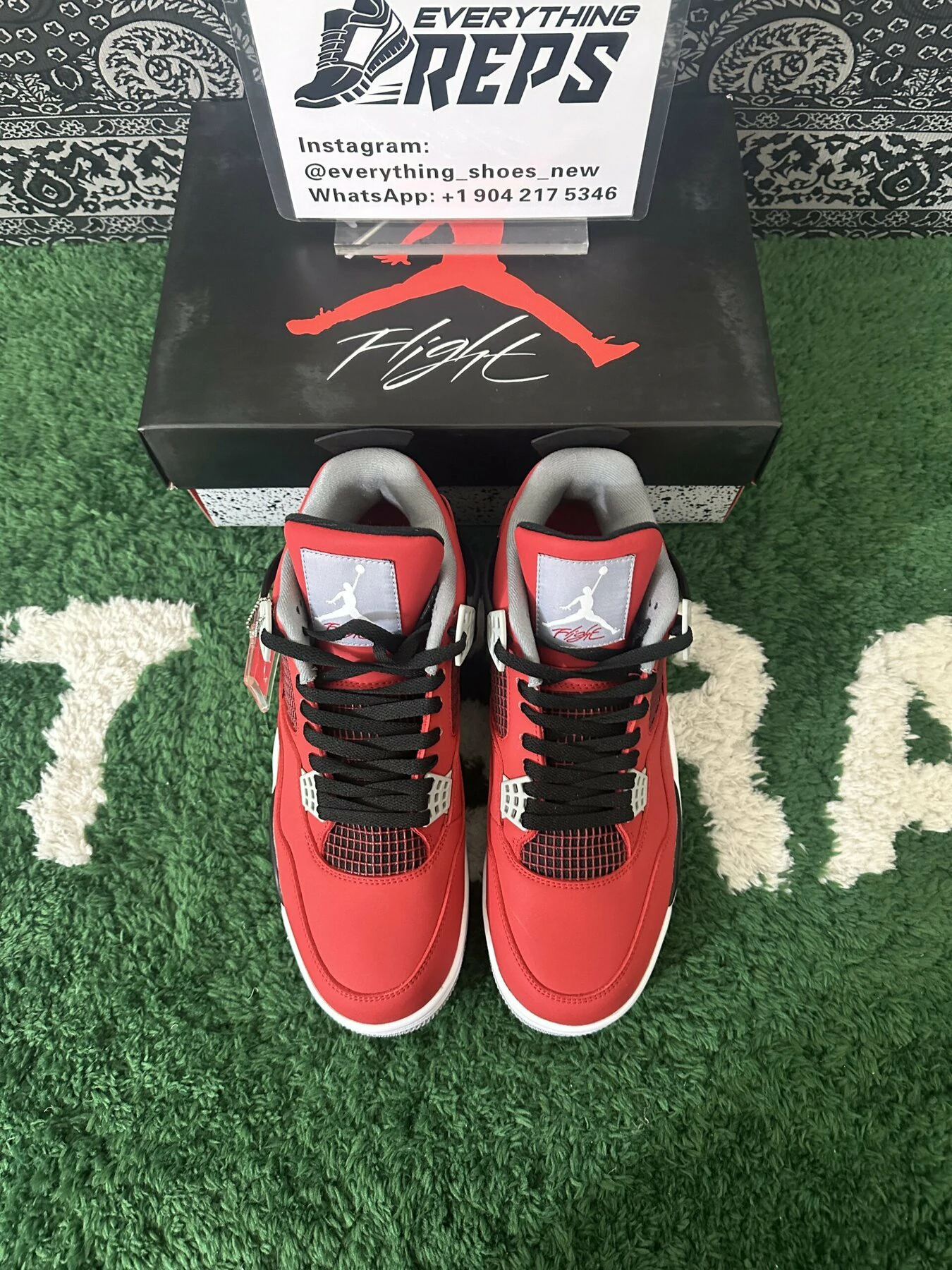
Women's Jordan 4s move, but not on the same schedule as men's pairs. The size run is shorter, the colors that sell are different, and the counterfeits are just as common. Retailers who stock Jordan 4 womens shoes the way they stock a men's run usually end up with broken sizes and dead stock.
This guide covers the parts that decide whether a buy works: size breaks, Colorway selection, authentication checks, Supplier questions, and landed cost. It is written for shop owners and online sellers buying for US customers.
Build the Size Run Around 7 to 10
Ordering Jordan 4 womens shoes in an even spread from US 5 to 12 is the most common first mistake. Most demand sits between 7 and 10, and the half sizes do real work. In most stores, 7.5, 8.5, and 9.5 are the first to go.
The ends behave differently. Sizes 5 and 6 are a small, reliable trickle, mostly gift buyers and younger customers. Women's 11 and 12 are thin sellers unless the colorway reads as a unisex neutral, and even then they can sit for a season.
Kids and GS sizes deserve their own line item. A GS 6.5Y to 7Y fits plenty of customers who would otherwise ask for a women's 8, and the cost per pair is lower. Check the conversion against the official size chart before you print it, since charts shift by model and year.
On fit, the Jordan 4 runs generally true to size with a slightly narrow midfoot. Wide-foot customers often go up a half size, which is another reason 8.5 and 9.5 disappear early. Train staff to say that out loud at the counter; it cuts returns.
Which Colorways Earn Shelf Space
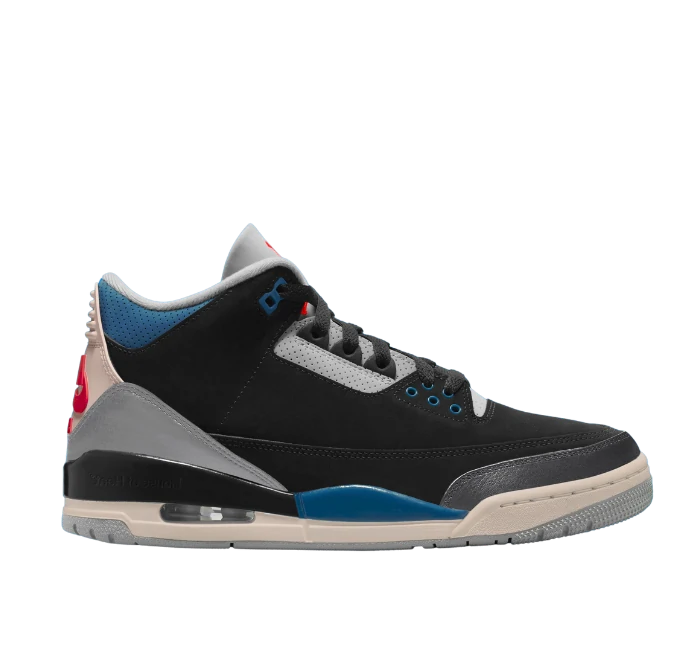
Color is where most of the margin is won or lost. A white or cream build with grey accents sells to almost anyone. A seasonal pastel sells fast for a few weeks and then stops, which is fine if you bought shallow and painful if you bought deep.
Treat collabs and high-heat limited pairs as a separate business. They demand authentication, they tie up capital, and resale pricing can swing hard in a month. If you cannot verify a pair yourself, do not build a buy around it.
| Colorway profile | Depth to buy | Sell-through | Main risk |
|---|---|---|---|
| White or cream neutral with grey accents | Deep, near full run | Consistent, year-round | Most counterfeited look |
| Black and grey classics | Medium to deep | Steady | Restocks undercut your price |
| Seasonal pastels and women's-exclusive palettes | Shallow, one or two per size | Fast for a few weeks, then flat | Leftover sizes after the season |
| Bright, loud limited pairs | Very shallow | Spiky | Price drops once hype cools |
| Collabs and high-heat pairs | One or two pairs, pre-sold if possible | Unpredictable | Authentication and tied-up capital |
Authentication Checks Before Money Changes Hands
Counterfeit Jordan 4s have gotten good, and the women's run gets less scrutiny than the men's. Build a habit of checking the same points every time, in the same order, so nothing gets skipped on a busy day.
- Tongue label: font weight, spacing, and how the label sits against the stitching.
- Toe box stitching: even density and clean rows, no wandering lines.
- Netting panels and wings: shape, flex, and alignment with the eyelets.
- Size tag inside the collar: font, layout, and production dates that make sense together.
- Midsole paint lines and the speckle pattern, if the colorway has one.
- Box label: style code, color code, and size that match the shoe and the retail label.
- Weight and glue smell: light pairs with a sharp chemical odor are a warning sign.
- Provenance: receipts, invoices, or a seller history you can actually verify.
No single check proves a pair is genuine. Use two or three together, and pay for a professional legit check on any lot above your comfort threshold. The fee is cheaper than eating a chargeback and a damaged reputation in the same week.
Vetting Suppliers Without a Purchase Order History
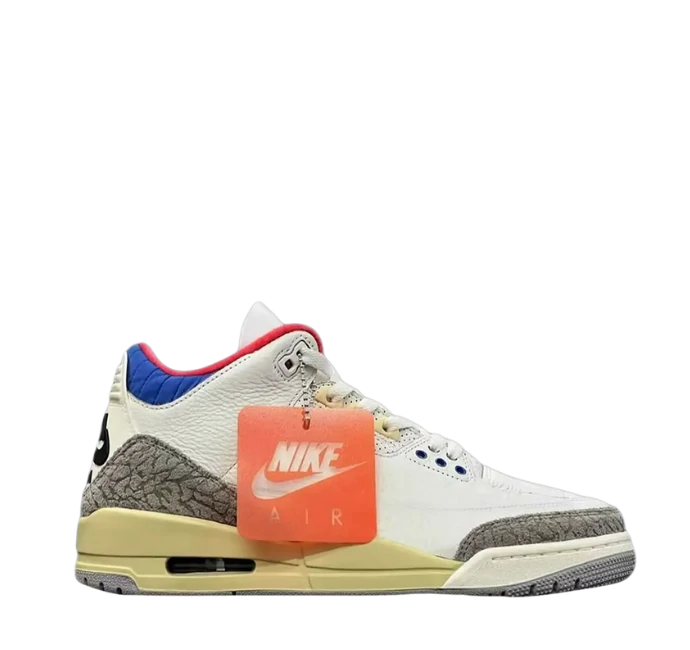
Authorized Jordan distribution is closed to most independent shops, so you are buying through the secondary market, liquidation lots, or overseas suppliers. Each channel fails in a different way.
Domestic secondary market pairs come with receipts and short shipping times, and the per-pair price reflects it. Overseas lots look cheaper on paper but carry the highest counterfeit risk and the longest lead time.
Minimums vary by supplier and colorway. Small lots are commonly quoted in the 6 to 12 pair range per style, and distributor accounts in the 24 to 48 pair range. Those are reference ranges only, so confirm every number in writing with the supplier before you send a deposit.
- Where did the pairs come from: retail sourcing, liquidation, or factory-direct?
- Can you send photos of the actual pairs, including the size tag and box label?
- What is your policy if a pair fails authentication?
- Will you take a small sample order before a full buy?
A supplier who dodges the first two questions is not worth a deposit, no matter how good the price looks. Ask for a video call with the stock in frame if the order is large enough to matter to your cash flow.
Landed Cost, Margin, and What to Skip
Landed cost is unit price plus freight, duties, payment fees, and the cost of returns. A pair that looks cheap per unit can lose its whole margin in freight when the lot is small and the shipping is split across several boxes.
Duty rates depend on the classification, the country of origin, and current trade measures. Those rules change, so confirm the rate with a customs broker before you commit rather than assuming last year's number still holds.
Most independent shops aim for a markup of roughly 2x to 2.5x landed cost on Jordan 4s. That is a rule of thumb, not a guarantee, and it should be checked against what the same colorway is actually selling for in your market that week.
Skip any lot that arrives without matching box labels, any lot priced well below the going rate with no explanation, and any size run that forces you to take 20 slow pairs to get 6 good ones. Broken size runs are the quiet killer of sneaker margins.
FAQ
Do Jordan 4 womens shoes run true to size?
For most people, yes. The fit is true to size with a slightly narrow midfoot, so wide-foot customers often go up a half size. Try the pair on late in the day if you can, and check the official size chart before quoting a conversion to a customer.
Are women's and men's Jordan 4 different shoes?
They are the same silhouette, sized on a women's scale and sometimes built with different materials or color blocking. A women's 10.5 typically converts to a men's 9, but confirm on the official chart, because conversions are not consistent across every release.
What sizes should a small shop stock first?
Start with 7 through 10, weighted toward the half sizes. Add one or two pairs each in 5, 6, 11, and 12 to catch the edges. Once you have sell-through data for your own customers, adjust the depth rather than widening the run.
How many pairs is a realistic first order?
Enough to cover two sizes deep in your best-selling colorway, plus singles in the rest. Small suppliers often quote 6 to 12 pairs per style, distributors 24 to 48. Treat those as ranges, confirm with your supplier, and never let one buy eat your entire open-to-buy budget.
How do I check a wholesale lot before paying?
Request real photos of the actual pairs, not catalog shots, including the size tag and box label. Order a sample first, run a professional legit check, and pay through a method with buyer protection. If a seller refuses any of that, walk away.
Planning a seasonal buy and need current availability in specific sizes and colorways? Send your size breakdown, target colorways, and landed cost to start a quote. We will reply with what is in stock, what is incoming, and which pairs we would leave out for your market.