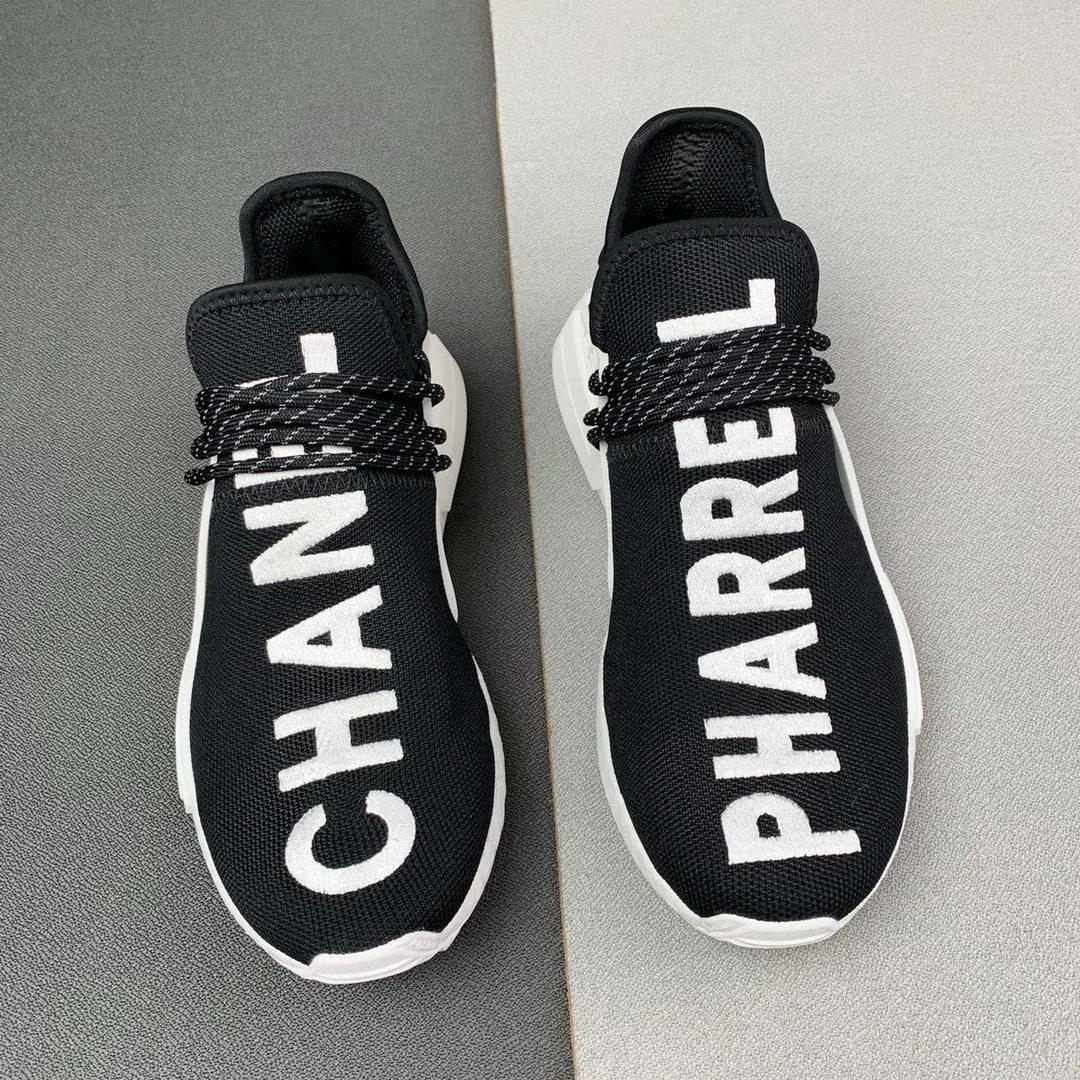
For most US Running customers, the nike pegasus 37 vs adidas ultraboost 21 call is a fit-and-feel decision, not a spec-sheet contest. The Pegasus 37 is lighter and more neutral. The UltraBoost 21 is plusher, heavier, and more snug.
That difference matters on a store wall. A customer who wants simple daily mileage usually gravitates to the Pegasus. A customer who wants soft cushioning and a premium feel asks for the UltraBoost. Stock the size curve and color range that match those two shopper types without overcommitting to either.
Fit and Customer Profiles
When a customer asks about nike pegasus 37 vs adidas ultraboost 21, start with foot shape and use case, not brand loyalty. The Pegasus 37 fits close to true to size for many runners, with a medium forefoot and a secure heel. Customers with wide feet often need to try a half size up or move to a different model. Keep the official Nike size chart at the counter, because returns on running shoes usually start with a fit mismatch.
The UltraBoost 21 runs snug through the midfoot and toe box for some shoppers. The Primeknit+ upper wraps firmly, and the heavier ride rewards customers who want a cushioned feel rather than a fast transition. Wide-foot customers should try before buying, or size up half a size when the upper allows it.
Who reaches for which shoe
Put the Pegasus 37 in front of neutral runners, gym-to-street shoppers, and customers who want a familiar daily trainer. It suits shorter store trials and a broad range of casual wear. The UltraBoost 21 belongs with customers who already know Boost foam and want a softer, more substantial shoe for standing or walking.
For a US independent store, the split is rarely 50/50. Running specialty shops may sell more Pegasus units to mileage customers. Lifestyle-heavy doors may see stronger UltraBoost interest, especially in larger cities and campus areas. Track your own sell-through by size and color before you build the next order.
Materials, Durability, and Return Risk

Nike's Pegasus 37 uses React foam with a forefoot Zoom Air unit, an engineered mesh upper, and a rubber outsole that handles daily road miles. The ride is firmer and more predictable than the UltraBoost 21. That predictability helps when you are selling to customers who rotate one shoe for most runs.
The UltraBoost 21 uses Boost foam, a Linear Energy Push plate, a Primeknit+ upper, and Continental rubber. The cushioning feels deeper and the shoe carries more weight. Its upper can crease and stretch with wear, so customers who want a crisp shape may need a different model. Neither side of the nike pegasus 37 vs adidas ultraboost 21 comparison is a durability miracle, but both are built for everyday use.
Return risk follows the same pattern. Pegasus buyers usually complain about width or toe pressure. UltraBoost buyers complain about weight, a stiff transition, or a too-snug midfoot. Train staff to ask about sock thickness and orthotics before the shoe goes on. A two-minute fit check saves a return and protects margin.
Shelf Placement and Size Curve
Place the Pegasus 37 in the daily trainer zone, near other neutral shoes with similar drop and cushioning. Place the UltraBoost 21 in the premium cushioning or lifestyle running zone. If the two sit side by side, customers will compare weight and price first. If they sit in separate zones, each shoe can serve its own shopper without a direct price fight.
Size curve matters more than color depth for a first order. Keep a full run in the Pegasus 37 because it appeals to a broad running customer. Carry a narrower curve in the UltraBoost 21 and use color to test local demand. A deep buy in every color is risky when the shoe is heavy and fit-sensitive. Check sell-through after 30 to 60 days, then reorder only the sizes that move.
Staff training should cover the difference in feel, not just the spec sheet. Ask each associate to walk in both shoes for a few minutes. They will hear the same customer objections you do: too firm, too soft, too tight, too heavy. That feedback is more useful than a brand slogan when you plan the next buy.
Side-by-Side Comparison
Use the table as a shelf review, not a final answer. Customers shop with their feet, and the same shoe can feel different on a wide forefoot or a high arch. The buying read in the last column is the part that matters for inventory.
| Attribute | Nike Pegasus 37 | Adidas UltraBoost 21 | Retail buying read |
|---|---|---|---|
| Best use | Daily road miles, walking, gym commute | Cushioned walking, standing, lifestyle running | Stock both, weight by local demand |
| Typical fit | True to size for many; medium width | Snug; wide feet often size up | Keep half sizes in both |
| Ride | Firmer, lighter, more neutral | Softer, heavier, more cushioned | Match ride to customer preference |
| Upper and outsole | Engineered mesh, rubber outsole | Primeknit+, Continental rubber | Check creasing and toe wear on returns |
| Inventory note | Broad size curve, core colors | Narrower size curve, premium colors | Test color depth before bulk orders |
A Practical Buying Checklist for Independent Stores
Before you place a running order, compare the two shoes against your actual customer mix. Use the nike pegasus 37 vs adidas ultraboost 21 comparison as a buying filter, not a prediction. The checklist below is a simple way to test a first buy or a reorder.
- Review last season's sell-through by size, not just by style. Running shoes die on the shelf when the size curve is wrong.
- Ask five regular customers which feel they prefer: firm and light or soft and substantial. Their answers map to the Pegasus 37 and UltraBoost 21.
- Keep a half-size run in both models for try-on. A customer who cannot get the right fit will often leave with no shoe.
- Check current availability with more than one verified supplier. Ask for the size run, color options, and return terms before you compare quotes.
- Set a small test order first. Confirm sell-through for 30 to 60 days, then reorder the winning sizes. The exact terms depend on the supplier, so confirm them in writing.
Price conversations need the same discipline. Do not compare a single unit price without landed cost, payment terms, and return support. Ask for a quote based on your size run, and keep a margin buffer for markdowns. The numbers vary by channel and season, so confirm the current range with your supplier.
FAQ
Is the Pegasus 37 good for wide feet?
It depends on the width. Many runners wear their usual size, but wide-foot customers often need a half size up or a different model with more volume. The engineered mesh has some give, yet the toe box is not generous for every foot. Check the official size chart and let customers try the shoe with their usual socks.
Does the UltraBoost 21 run small?
Many shoppers find it snug, especially through the midfoot. Some go half a size up, while others stay true to size if they prefer a close wrap. Wide feet and high arches are the common trouble spots. Use the official Adidas size chart and treat fit as a try-on decision, not a label on the box.
What is the main difference between the two shoes?
The main difference in the nike pegasus 37 vs adidas ultraboost 21 matchup is ride bias. The Pegasus 37 is lighter and firmer, while the UltraBoost 21 is softer, heavier, and more snug. That affects fit, return risk, and the customer you place it in front of. Test both on your own floor before you buy deep.
Which shoe is better for store inventory?
Neither wins by default. The Pegasus 37 usually suits a broader daily trainer customer and a wider size curve. The UltraBoost 21 fits a premium cushioning shopper and may sell in stronger lifestyle colors. Build a small test order around your local demand, then reorder based on sell-through rather than brand hype.
How should I compare wholesale quotes?
Compare the full offer: size run, color mix, landed cost, payment terms, return policy, and delivery window. A low unit price can be expensive if the size curve is wrong or returns are hard. Ask for written terms and confirm current availability with more than one verified supplier before you commit.
If you are building a running wall for the next season, start with a focused test order and a clear size plan. Send your target customer profile, size run, and price band to a verified supplier, then compare quotes on landed cost and return support. A measured buy beats a deep guess on either shoe.