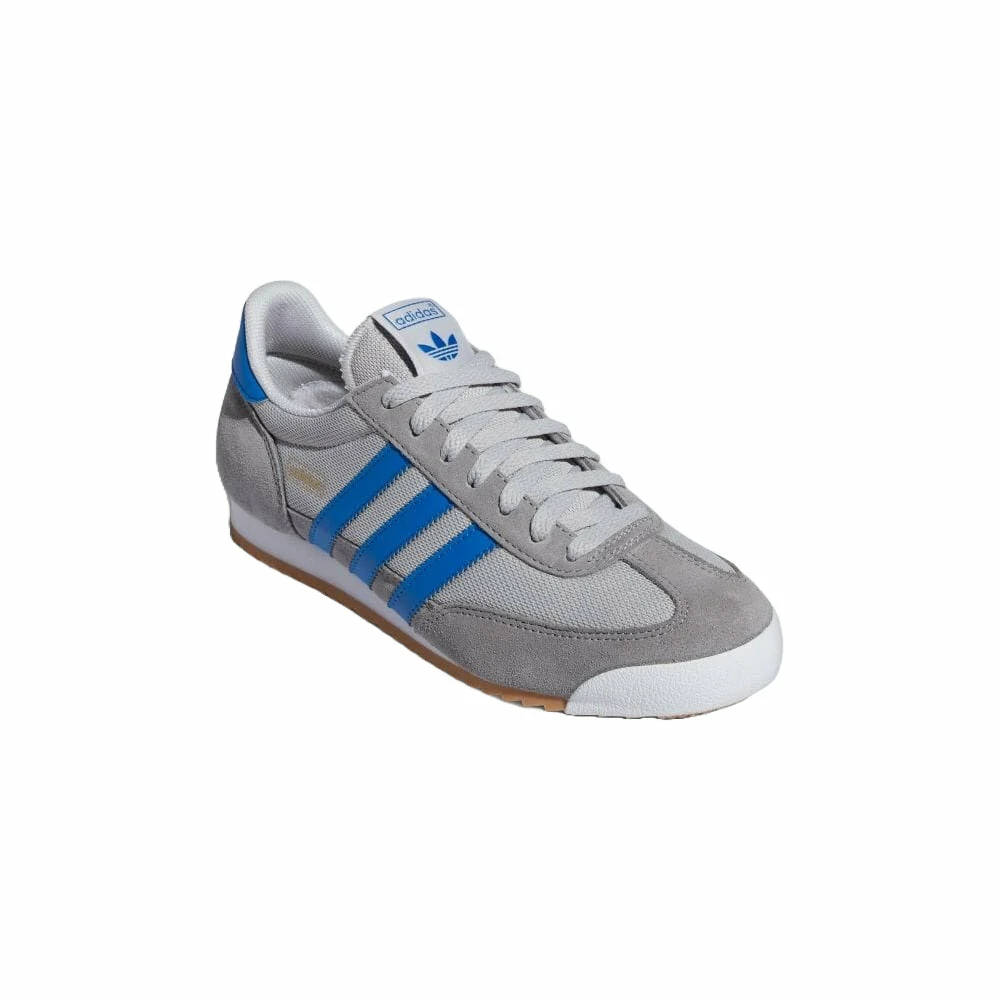
Short answer: this is a women's-specific ultraboost DNA with a tie-dye Primeknit upper, a full-length Boost midsole, and a Continental rubber outsole. It is a lifestyle-leaning Running shoe rather than a stability trainer, so it sells on the print and the comfort story, not on performance claims. Pairs of the adidas women's ultraboost dna tie dye running shoes live or die on pattern appeal, which is why two pairs from the same case can move at very different speeds.
Below is what the shoe actually is, how the women's sizing behaves, where it belongs on a Store wall, and what to inspect before you commit to a case pack or a bulk order.
What the Shoe Actually Is
UltraBoost DNA is adidas's heritage UltraBoost 1.0 silhouette built with current materials. That means a Primeknit upper with a heel cage, a full-length Boost midsole, and a Continental rubber outsole. Nothing about the platform is new, and that is the point: customers recognize the shape and the cushioning immediately.
The tie-dye treatment is the differentiator. Dye placement shifts from panel to panel, so no two pairs look exactly alike. Most accounts treat the adidas women's ultraboost dna tie dye running shoes as a color story rather than a tech story, and that framing keeps expectations honest on the sales floor.
One detail worth writing into your product copy: the shoe is cut on a women's last. It is not a unisex model with a different label sewn in.
Fit, Sizing, and Return Risk
Most women who wear UltraBoost DNA take their usual adidas size. The midfoot is snug, the toe box is roomy, and the knit gives a little after a week of wear. Customers with wide feet often go up a half size, and that half size is usually the first thing to sell out in a run.
Stock the full women's run your market supports, including half sizes at both edges. Sizing complaints are the most common reason a pair comes back, and a return costs more than the extra depth on the shelf. When a customer asks, point her to the official adidas size chart instead of guessing from a men's conversion.
For online listings, publish the size chart image and state plainly that the model uses women's sizing. Shoppers who look up the adidas women's ultraboost dna tie dye running shoes are often comparing against a pair they already own, so clear sizing information cuts both pre-sale messages and post-sale returns.
Where It Belongs on a Women's Wall
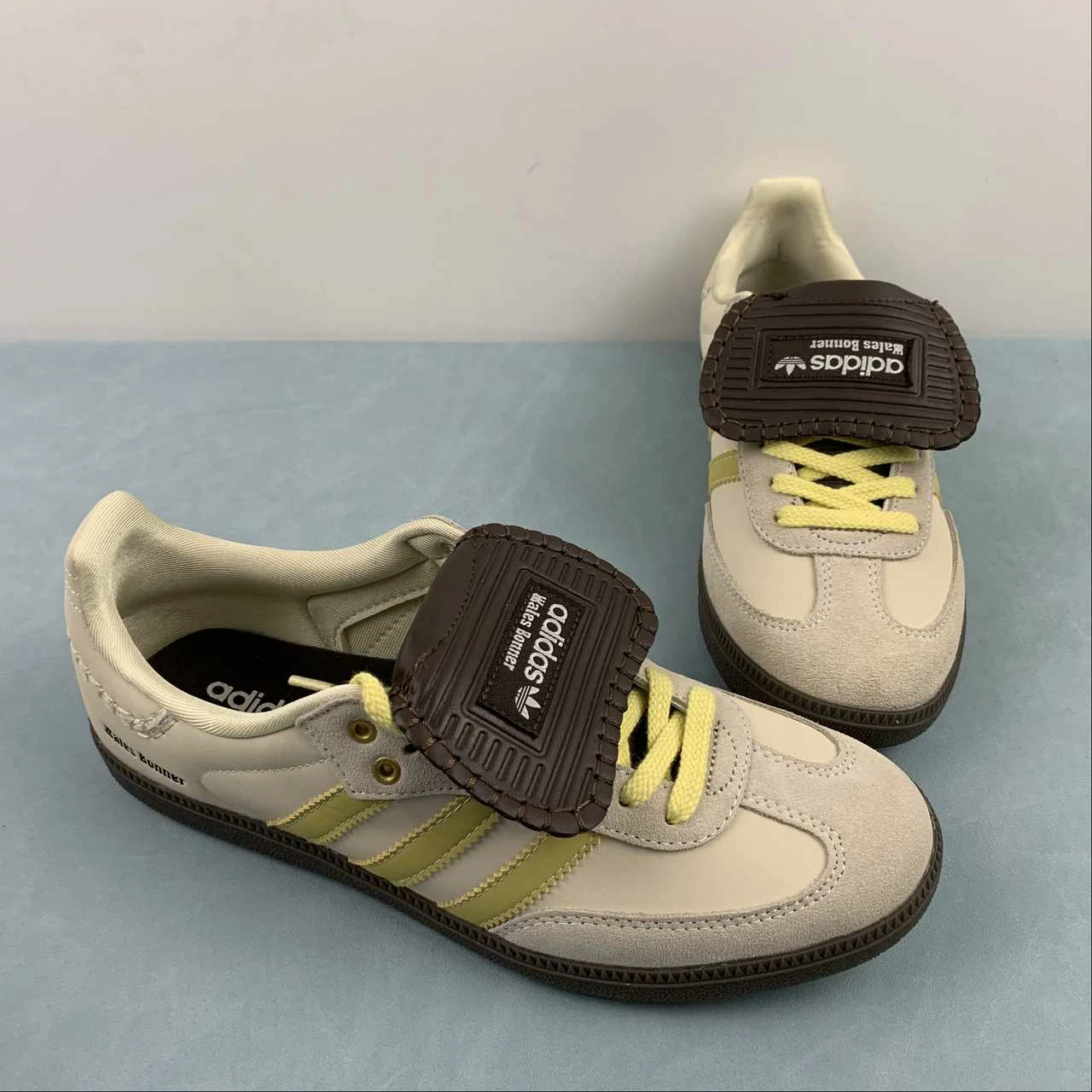
This is a traffic shoe, not a volume workhorse. It draws attention near the front of the store and converts shoppers who walked in for something else. Pair it with neutral lifestyle models rather than with your stability or trail sections.
| Model | Customer it pulls | Fit note | Inventory risk |
|---|---|---|---|
| UltraBoost DNA tie dye, women's | Fashion-led buyers, gift shoppers | True to size for most, snug midfoot | Pattern appeal varies pair to pair |
| UltraBoost 1.0 core colors | Repeat buyers, casual runners | Snug, half size up for wide feet | Low, steady replenishment |
| UltraBoost Light | Performance-minded shoppers | Similar fit, lighter build | Medium, invites spec comparison |
| NMD_R1 | Younger lifestyle buyers | Runs roomy, some size down | Medium, trend sensitive |
Read the table as a stocking guide, not a ranking. If your base skews toward repeat runners, keep the tie-dye pair as a top-up rather than a base. If it skews toward gift buyers, the print does the selling and you want two or three sizes deep through the middle of the run.
Inspection Checklist Before You Pay
Pattern variance is normal. Sloppy construction is not. Ask for photos of the actual pairs in the lot rather than the studio image, then spot-check a few pairs against the list below before you agree to terms on the adidas women's ultraboost dna tie dye running shoes.
- Compare dye placement across pairs; heavy mismatch inside one case suggests a mixed lot.
- Check the Primeknit at the collar and toe wrap for loose threads or puckering.
- Press the Boost midsole; it should feel springy and even, not hard or lumpy.
- Look at the Continental outsole stamp and confirm tread alignment on both shoes.
- Inspect heel cage stitching and three-stripe spacing on the left and right.
- Read the size tag inside the collar and match it to the box label.
- Confirm SKU, color code, and size run on the label match your order sheet.
- Skip scratch-and-sniff tests; rely on structure, materials, and paperwork.
Counterfeit UltraBoost pairs exist in every popular colorway, and busy prints are easy to fake badly. If a lot looks off, walk away or pay for professional authentication. A cheap case of questionable pairs costs more in chargebacks and reputation than it saves on unit cost.
Care Questions Your Staff Will Get
Tie-dye Primeknit is not hard to live with, but it punishes machine washing. Tell customers to hand wash in cold water with a mild detergent, scrub the outsole with a soft brush, stuff the shoe with paper, and air dry away from direct heat. No dryer, no bleach, no harsh spot treatment that can lift dye from the print.
Boost yellowing and midsole creasing are normal with wear, not defects. Say so at the point of sale, and you prevent a share of returns later. For light road and treadmill use the shoe is fine, though most buyers will wear it as an everyday pair.
Questions Buyers Ask Most Often
Is the tie-dye pattern identical on every pair?
No. Dye placement varies by panel and by pair, so expect differences in how much color lands on the toe, midfoot, and heel. Show a photo of the exact pair when selling online, or state clearly that placement varies. That one habit reduces pattern-related returns more than any other fix.
Does this shoe run true to size?
For most women, yes. The UltraBoost DNA is snug through the midfoot with a roomier toe box, and the knit loosens slightly with wear. Wide-footed customers often prefer a half size up. Confirm against the official adidas women's size chart before you publish sizing advice on your own site.
Can I sell it as a running shoe?
Describe it as a running-inspired lifestyle shoe with real running DNA. The Boost midsole and Continental outsole are legitimate components, but the model is not a stability trainer and the printed upper is not the most durable choice for high mileage. Position it for casual wear, walking, and light road runs.
What should I ask a supplier before a bulk order?
Ask for the size run breakdown, the MOQ, photos of the pairs in the lot, and the return policy in writing. Confirm whether pairs ship in original boxes and whether the color code matches your listing. Typical MOQ and lead times vary widely by supplier and season, so treat quoted figures as estimates and verify them directly.
How do I check authenticity?
Compare the size tag, box label, Boost texture, outsole stamp, and stitching against a pair you trust. Look for even three-stripe spacing and clean heel cage attachment. These are general checks, not a guarantee. On high-value lots, use a professional authentication service instead of deciding from photos alone.
If you are building a women's lifestyle buy for the season, send over your size run and target quantity. We will reply with available pairs, real pattern photos, and current terms so you can line the offer up against your other quotes.