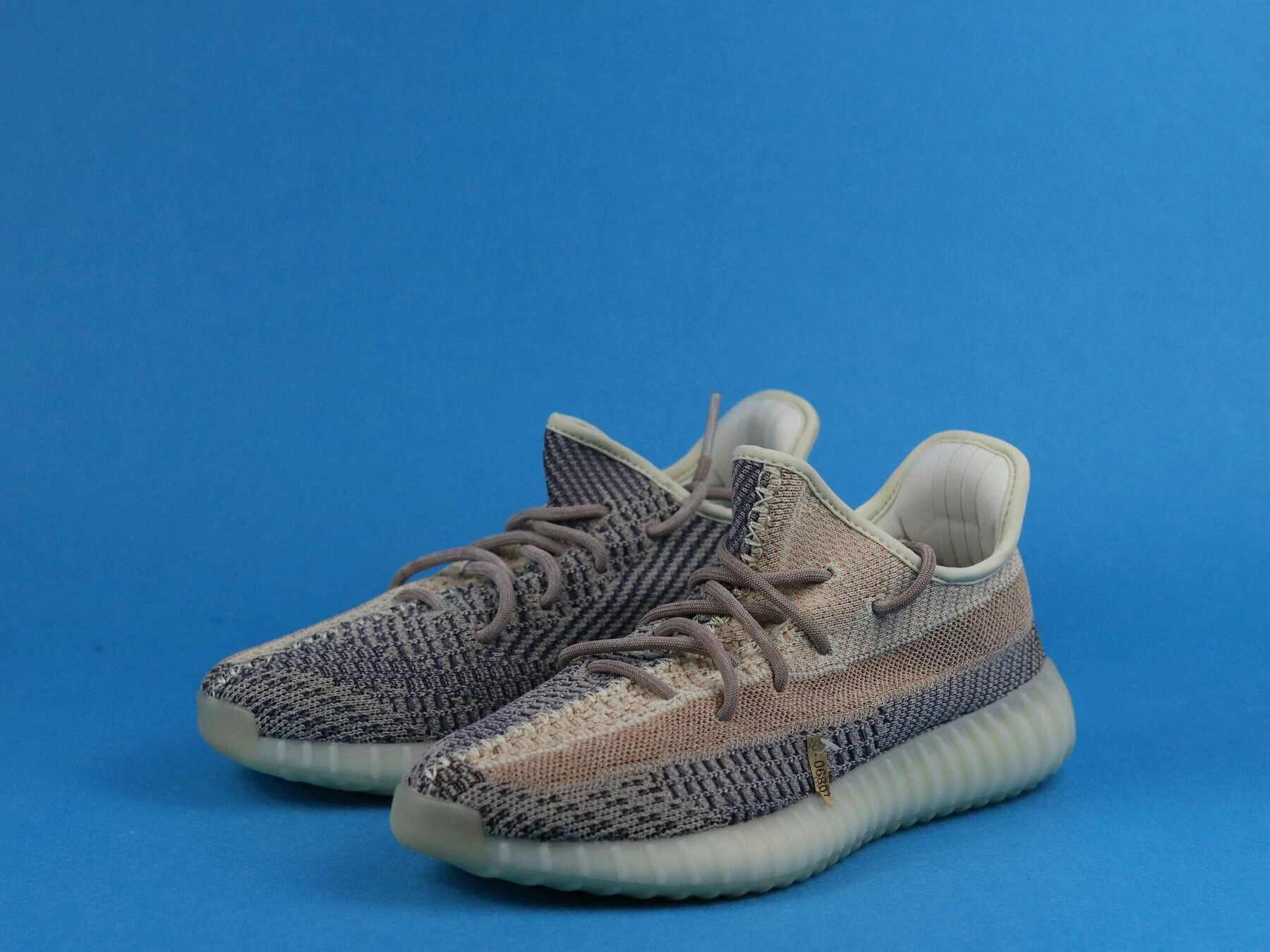
Boost foam takes on very little water on its own, but the shoes built around it can feel soaked after a wet commute. Most of the moisture sits in the knit upper, the sockliner, and the lining, not in the midsole itself. Every fall, store owners hear the same question: does adidas boost absorb water? The honest answer is yes, but lightly and slowly, and the foam generally dries slower than a standard EVA midsole. Below is what actually happens to Boost in rain and slush, how it compares with other foams, and how to dry a pair without damaging the bond.
What Happens to Boost Foam in Wet Weather
Boost is made from expanded thermoplastic polyurethane pellets fused into a midsole. Each pellet is closed-cell, so it does not drink water the way an open-cell sponge does. Water instead clings to the outer surface, works into the seams between pellets, and pools in the gaps where the midsole meets the upper.
The result is a slight weight gain and a damp feel underfoot that can linger a day or more. Repeated soakings followed by hot drying are the real risk. Heat can weaken the adhesive at the midsole-upper bond, which is why a radiator is the worst possible place for a wet pair.
Where the Water Actually Gets In
The upper is almost always the culprit. Knit and mesh models hold water in the yarn, and a non-gusseted tongue gives rain a direct path to the sockliner. Once the insole is wet, the whole shoe feels heavy even when the Boost underneath is nearly dry.
So does adidas boost absorb water differently in a leather or suede model? The foam behaves the same way. Only the upper changes, and leather panels shed rain better while bringing their own winter problems, including salt stains and stiff creasing after a slow dry.
Tell customers the truth at the counter: no Boost sneaker is waterproof, and the models marketed as weather-ready are water-resistant at best. A short, accurate explanation prevents more returns than any hang tag.
Boost vs. Other Midsole Foams
Before you compare materials, keep the main question in view: does adidas boost absorb water more than EVA or PU? In practice it holds less than polyurethane and lands close to EVA, though cut edges and worn seams change the outcome on any model.
| Midsole material | Water uptake | Drying speed | Retail talking point |
|---|---|---|---|
| Boost (expanded TPU) | Low, mostly between pellets | Slow to moderate | Water-resistant foam, not waterproof shoe |
| EVA foam | Low at molded surfaces, higher at cut edges | Moderate | Light and cheap, compresses over time |
| Polyurethane (PU) | Moderate, can break down with long exposure | Slow | Durable, but keep it dry in storage |
| Rubber outsole | None, but traps water against the upper | Fast | Grip story, not a moisture story |
Treat those labels as practical guidance, not lab data. Foam formulations change by model and season, so confirm construction details with your supplier before you quote anything specific to a buyer.
A Drying Routine That Protects the Foam
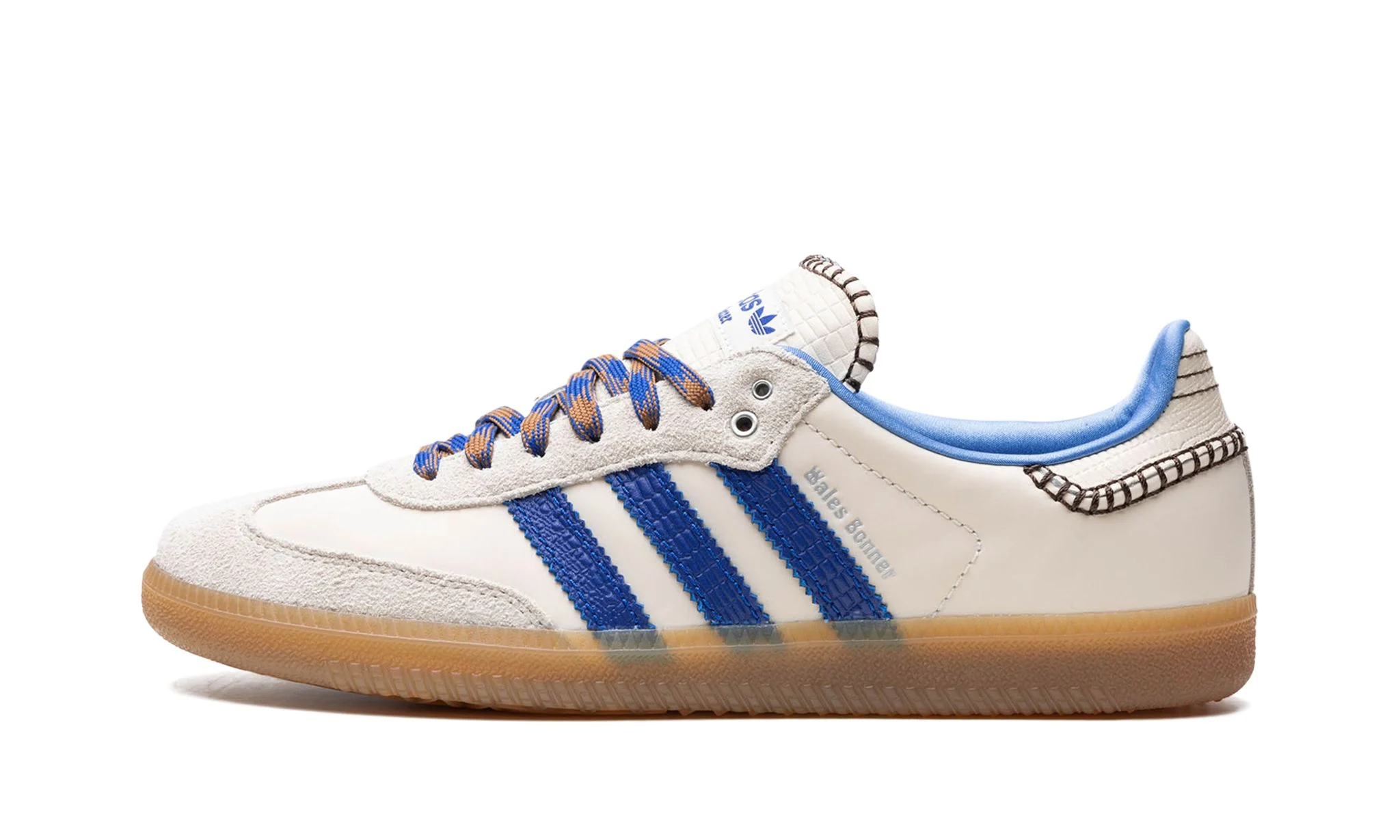
Two questions come up at the counter every winter: does adidas boost absorb water, and how long until the pair is wearable again? Hand customers a routine instead of a guess.
- Blot the outside with a dry towel before anything else.
- Pull the laces and sockliner out so air can move through the shoe.
- Stuff the toe box with newspaper or paper towels, and replace them when damp.
- Air dry at room temperature with the tongue open, ideally near a fan.
- Allow 24 to 48 hours depending on humidity, and rotate pairs when possible.
- Brush off dried salt on leather models with a soft brush and a lightly damp cloth.
Skip the dryer, the space heater, and direct summer sun. Bleach and harsh detergents break down adhesives and dyes, and storing a damp pair in a plastic bag is a fast route to mildew. Never sell or ship a pair that still smells musty.
What This Means for Retailers and Resellers
One question drives a lot of winter support tickets: does adidas boost absorb water, and will the pair be ruined? A clear care note on the product page, plus a one-line answer in the listing description, cuts down on both emails and returns.
Buying decisions should follow your local climate. Stores in slushy, salted markets do better with leather and suede uppers, gusseted tongues, and a second pair recommendation for daily wearers. Keep the knit Boost models for dry climates and casual rotation, where moisture is a smaller risk.
When you inspect bulk lots, check insoles for dark staining and smell before anything else. Ask for close-up photos of the collar lining and sockliner on liquidation pallets, and reject lots stored in humid warehouses. Those defects show up long before any midsole breakdown does.
Common Buyer Questions
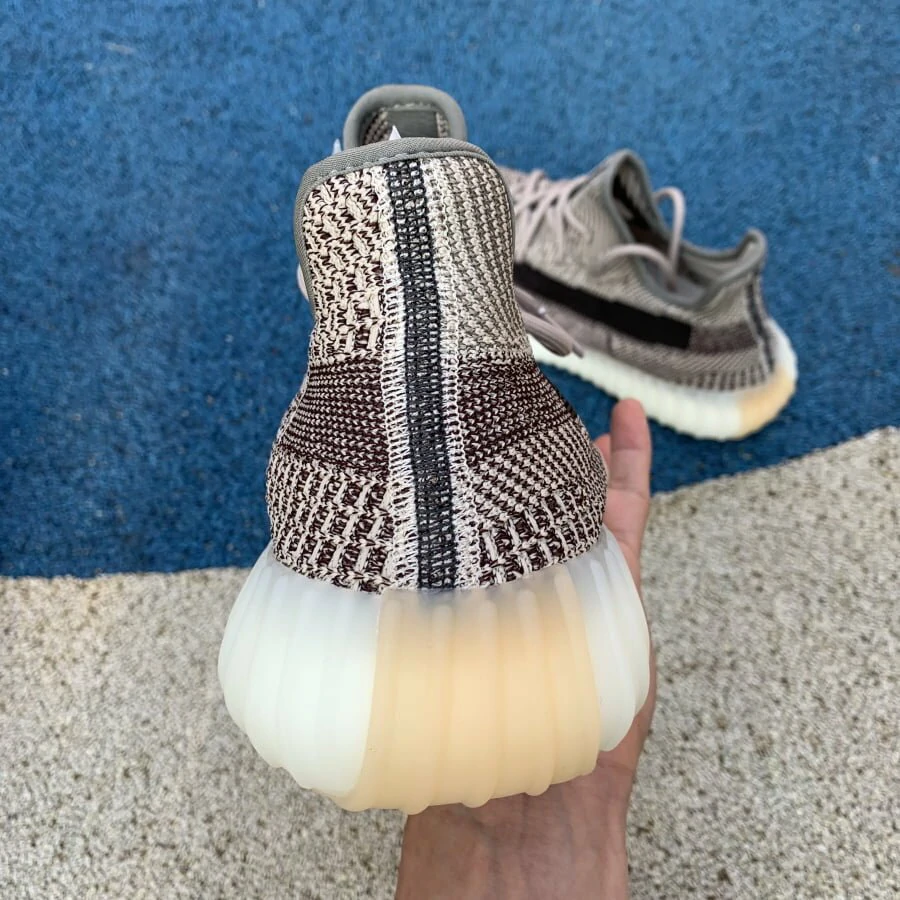
Is Boost foam waterproof?
No. The foam resists water at the surface, but seams, knit uppers, and insoles let moisture in. A shoe with a Boost midsole can be water-resistant if the upper is treated leather with a gusseted tongue, and even then heavy rain will find a way in through the collar.
How long does a wet pair take to dry?
Most pairs need 24 to 48 hours at room temperature with the insoles removed. Humidity, upper material, and how thoroughly the shoe was soaked all shift that window. Rotating two pairs is the simplest way to avoid wearing damp shoes, which is what actually causes odor.
Does water damage the Boost pellets permanently?
Rarely. The pellets themselves tolerate moisture well. The vulnerable points are the adhesive bond and the insole, and both fail from heat and long-term damp storage rather than from one rainy walk. Dry the pair properly and the midsole will keep its feel.
Can a soaked pair be restored?
Usually, yes. Rinse off salt and road grime with cool water, stuff the shoe, and air dry with airflow. Replace the sockliner if it stays compressed or smells. For heavy staining on suede, send the pair to a professional cleaner rather than experimenting with home remedies.
Next Step for Buyers
If you are sourcing Boost models for a US storefront or online shop, request current availability, upper material details, and sample pairs before committing to a bulk order. Confirm care and construction claims in writing, then test one box before you scale up. Contact our team for a quote and a current stock list.