The adidas originals gazelle bold trainers in off White and black are a platform take on a classic indoor silhouette. For a US store, the appeal is simple: a low-profile upper, a chunky sole, and a colorway that photographs well online. This guide covers what to Check Before you stock them, from size-scale confusion to supplier verification and margin planning.
What This Gazelle Bold Release Actually Is
This Gazelle Bold is a fashion-led update of the Gazelle line, not a new performance shoe. It is built around a raised platform sole and a suede or suede-like upper depending on the release. The upper is primarily light, while the black stripes, heel tab, and lining details add contrast.
That contrast matters for merchandising. A mostly white sneaker can look flat in a product grid, while this pair has enough black trim to hold its shape in thumbnails. Confirm the exact material and color code with the supplier, since product names and photo lighting can vary between listings.
The platform is the main selling point. It adds height without the bulk of a chunky skate shoe, which is why it pairs well with wide-leg denim and tailored trousers. If your customers avoid platforms, this is not the pair to push; offer a flat Gazelle instead.
Who It Sells To in a US Store
Most buyers here are fashion-led, often a woman shopping for a platform sneaker that works with denim, skirts, and tailoring. In the US market, many shoppers will search for sneakers rather than trainers, so use both terms in product copy. Avoid positioning it as a gym shoe; the platform sole is for style, not training.
On a shelf, the adidas originals gazelle bold trainers in off white and black read as off white first because the upper dominates, with black stripes and heel details providing contrast. That makes them easy to pair, but also easy to confuse with other white Gazelle releases. Keep the color code visible on the box and product page to reduce the risk of a wrong-item return.
Store placement should match the price and the customer. Put this pair near fashion denim, not in the running section. If you sell online, use a lifestyle photo and a straight-on product shot, because the platform profile is the detail that makes the shoe look different from a standard Gazelle.
Fit, Sizing, and Return Risk
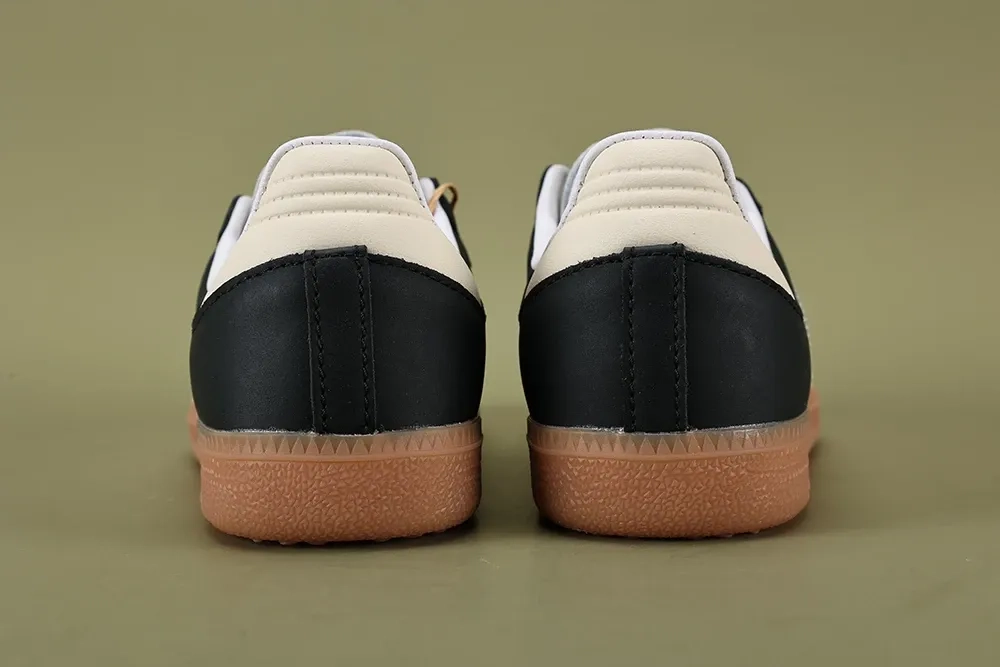
Sizing is the most common source of margin loss on fashion sneakers. Many Gazelle Bold releases are listed on a women's size scale, but listings can differ by market and season. Before you buy, ask for the exact size scale and compare it with the official Adidas size chart for that style.
For fit notes, the adidas originals gazelle bold trainers in off white and black should be treated as a try-on item, not a blind-ship item. Platform tooling can change how the foot sits, and a narrow toe box may push some customers to size up. Keep a sample pair in the store, measure the insole, and publish that measurement next to the size chart.
A simple return policy helps, but prevention is cheaper. Train staff to ask about width and sock thickness, and note that suede can relax slightly with wear. Do not promise a perfect fit; give customers a clear exchange path instead.
Supplier and Authenticity Checks
Wholesale listings for popular Adidas colorways attract inconsistent stock, so verification has to happen before payment. Start with the SKU, color code, and size scale on the box label. Ask for clear photos of the actual pair, not catalog images, including the tongue label, heel tab, sole tooling, and box label.
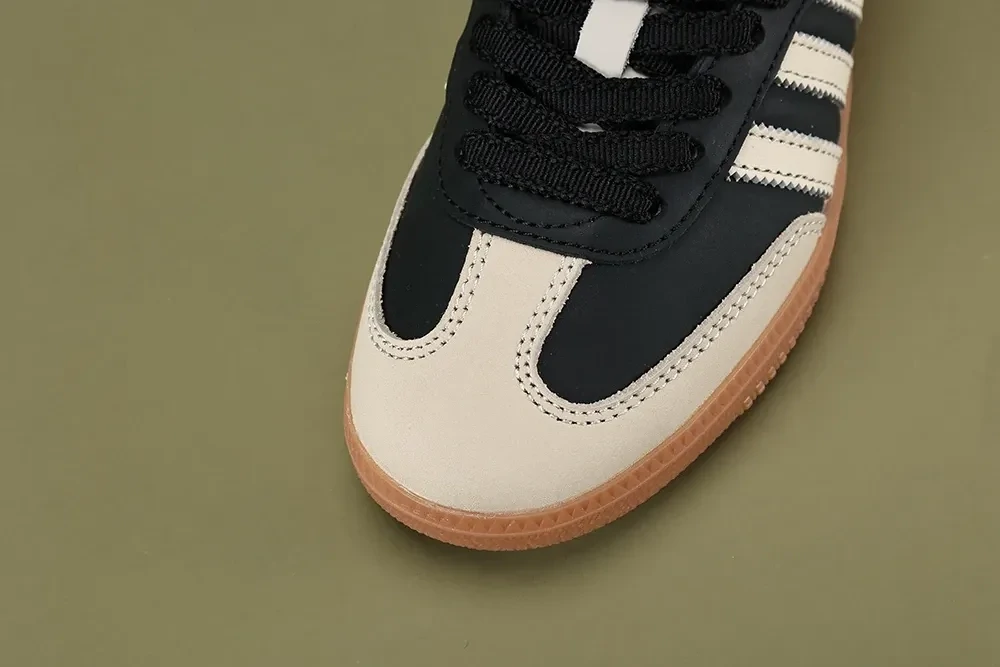
When you evaluate the adidas originals gazelle bold trainers in off white and black, inspect the suede nap, stripe alignment, stitching density, and sole finish. No single detail proves authenticity. Use a checklist and compare against a known pair or a professional authentication service when the order size justifies it.
Order terms deserve the same attention as the shoe. Ask whether the price includes boxes, what happens with damaged pairs, and how the supplier handles size substitutions. Get those answers in writing before you approve a bulk order.
Use this comparison table when you request quotes from more than one source. It keeps the conversation on the details that affect sell-through, not just the unit price.
| What to compare | Why it matters | What to request |
|---|---|---|
| Size scale | Women's sizing versus converted sizes drives returns | Box label and official chart match |
| Color code | Prevents mixing with other white Gazelle releases | SKU and label photo |
| Material | Suede versus synthetic changes perceived value | Close-up of upper and lining |
| Order terms | Freight and returns can erase margin | Written unit cost, lead time, and return policy |
| Authenticity | Chargebacks and reputation risk | Actual-pair photos and authentication policy |
Before you approve a purchase order, run through this checklist with the supplier. Each item should have a written answer, not a verbal promise.
- Confirm the exact color code and size scale in writing.
- Compare the release's size chart with the official Adidas chart.
- Request actual-pair photos under neutral light.
- Check box condition and label alignment before shipping.
- Agree on a return window for defects and wrong sizes.
- Keep a sample pair for in-store try-on.
- Record landed cost, not just unit price.
Margin and Order Planning
This is a seasonal fashion item, not a replenishment basic. Plan a shallow first order, test the size curve, and reorder only after you see sell-through. A broad size run with one or two pairs per size is usually safer than a deep buy in a single size.
Ask suppliers to quote unit cost, freight, duties, and payment terms separately. Minimum order quantities and shipping costs vary widely, so treat any range as indicative and confirm with the supplier. Build your retail price from landed cost and your return rate, not from a competitor's sale price.
For imports, duty rates and clearance rules depend on classification and origin. Confirm the details with a customs broker rather than assuming a rate from a social media post. Keep commercial invoices and product descriptions consistent, because mismatched paperwork slows clearance.
FAQ
Is the Gazelle Bold true to size?
Fit reports vary, and platform tooling can feel different from a standard Gazelle. Use the official Adidas size chart for the specific release, measure the insole of a sample pair, and tell customers to size up if they are between sizes or have wide feet. Do not rely on a single review.
How should a US retailer price the adidas originals gazelle bold trainers in off white and black?
Start from landed cost, then add your target margin and a reserve for returns. Compare similar platform sneakers in your store, not just the lowest online listing. Prices vary by supplier, season, and size availability, so ask for a written quote and confirm what shipping and duties are included.
Are these shoes unisex?
Many Gazelle Bold releases are sold on a women's size scale, but labeling and size conversion can differ by market. Check the official product page and box label for the specific colorway. If you sell to men, publish a clear conversion chart and note that the fit may be narrow.
What should I inspect on a wholesale pair?
Check the box label, SKU, color code, suede texture, stripe alignment, stitching, and sole finish. Ask for actual-pair photos and a defect return policy. For large orders, use a third-party inspection or authentication service. Keep records of every batch so you can trace problems.
Can I reorder this colorway year-round?
Adidas Originals colorways can be seasonal and availability changes. Ask the supplier about repeat availability, lead times, and size breaks before you build a promotion around the shoe. Keep a backup colorway in your buying plan so your display does not go empty.
Ready to compare options? Send your size curve and target landed cost to your supplier, request actual-pair photos, and ask for a written quote that separates product, freight, and duties. A short, specific inquiry gets a more useful answer than a one-line price request.