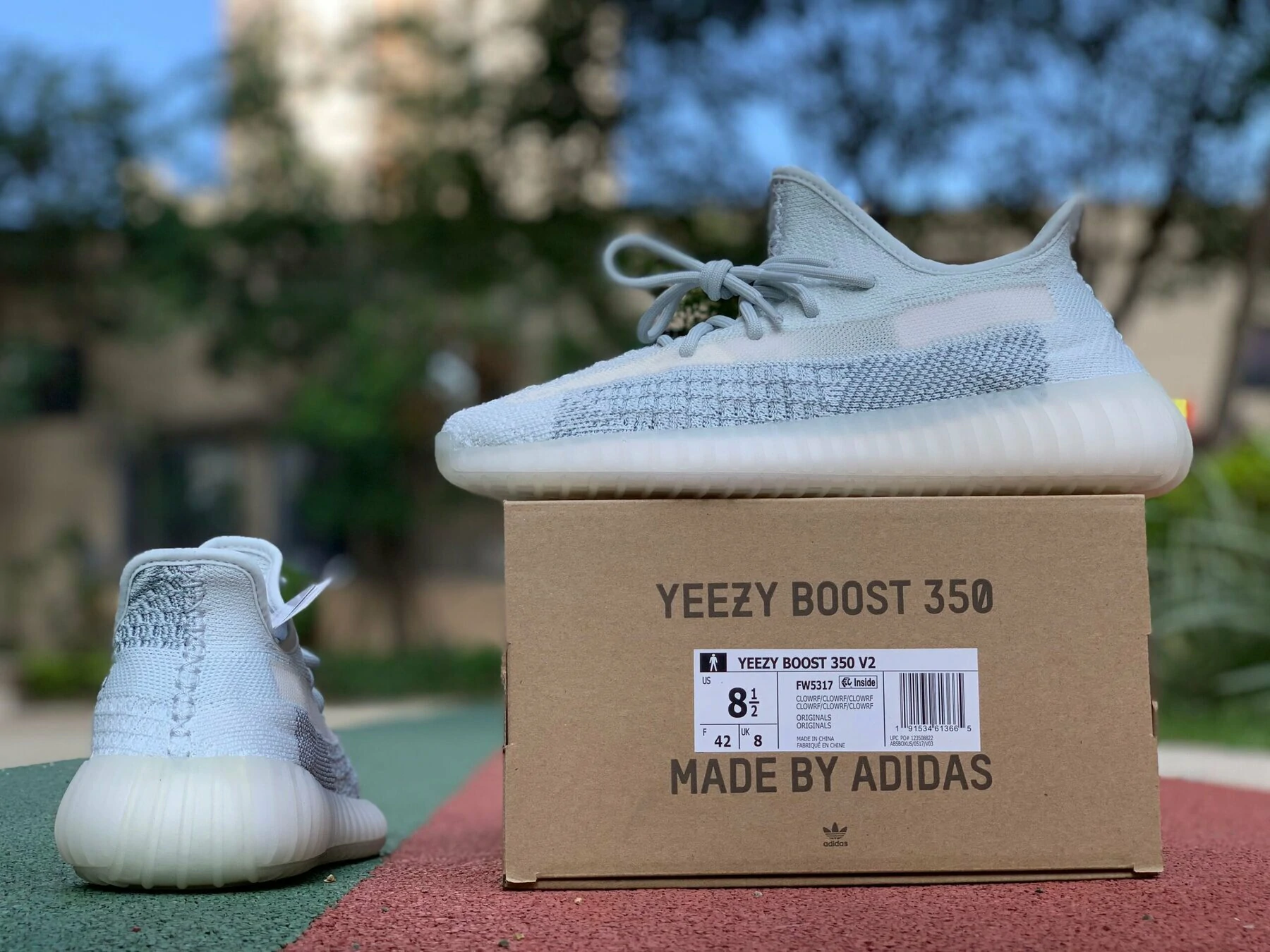
The short answer: sambas de adidas is how Spanish-speaking shoppers search for the Adidas Samba, and in a US store's inbox those queries almost always mean a restock request rather than a hunt for something new. The shoe has held steady demand for several years, and most accounts sell the same handful of colorways on repeat. What follows covers the supply side of that demand: where pairs come from, how to screen a vendor, how sizing drives returns, and how freight and duty change the math.
What Demand Looks Like at Store Level
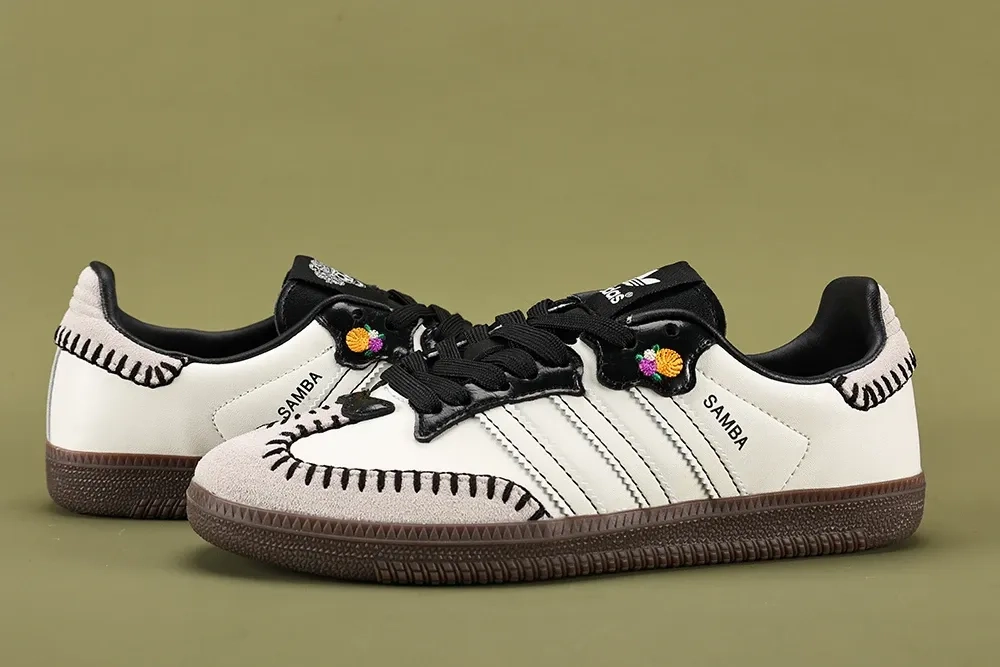
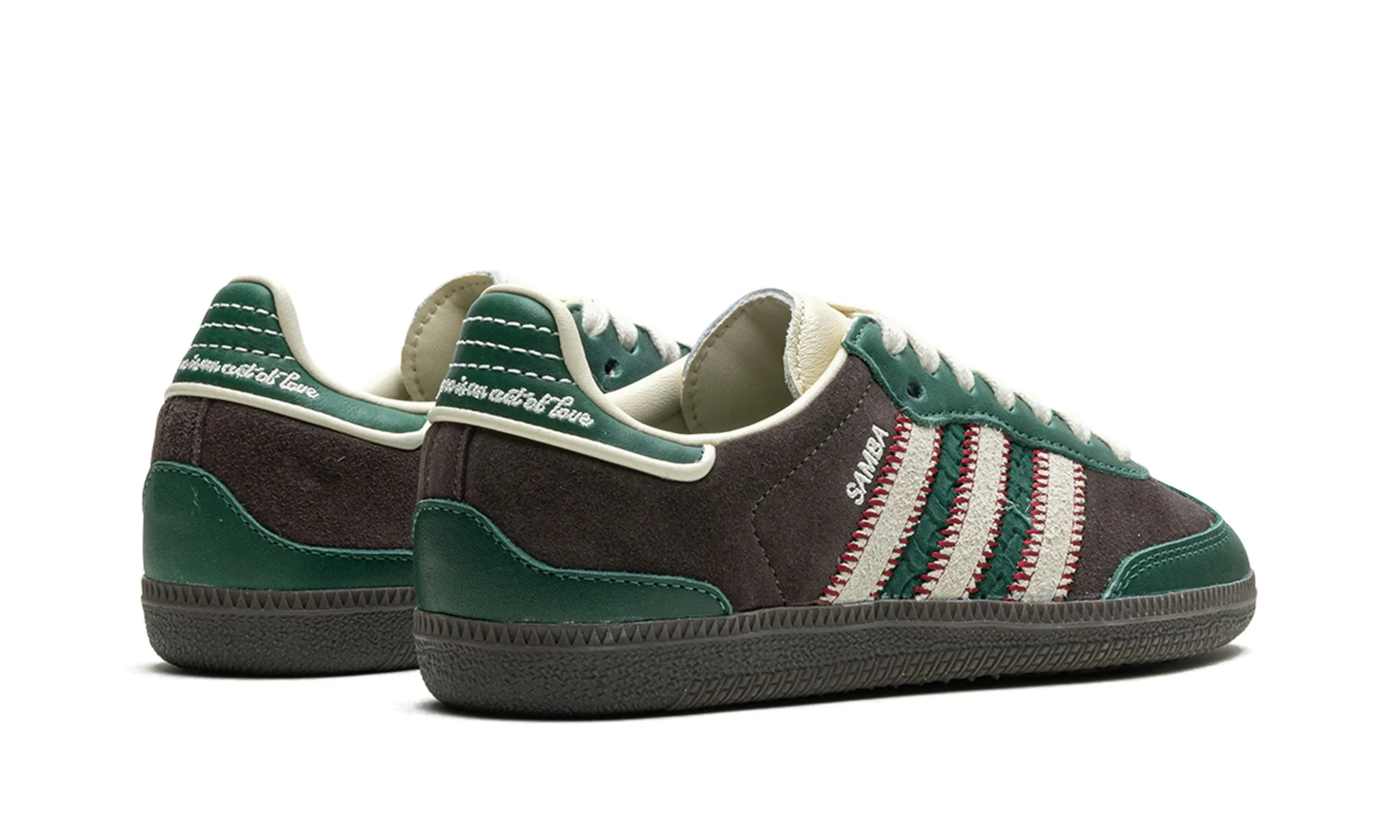
Orders cluster into two groups. The core group is the Samba OG in white with black stripes and a gum sole, plus black-on-black and navy. Those three move in a steady trickle and spike Before each school term. The second group is seasonal and collab-led, where interest is loud but short and markdown risk is real.
Size curves matter more than color. The silhouette is unisex and runs narrow, so women frequently size down and men with wide feet either size up or pass. Weight your buy toward the middle of the run, US men's 7 to 11, and keep a thin reserve at both ends for special orders.
Material specs decide which version you are actually buying. The Samba OG pairs a leather upper with a suede T-toe and a gum outsole, while the Samba Classic uses a longer tongue and a different leather finish. Confirm the exact style code before you commit to a case pack, because the two do not sell at the same price.
Where Pairs Come From
Four channels supply most US shops, and each one trades margin for risk in a different way. None of them is free of allocation problems on the white and black core colorways.
| Channel | Typical MOQ | Lead time | Main risk |
|---|---|---|---|
| Adidas distributor account | Case packs, often 6 to 12 pairs per style | 1 to 3 weeks | Allocation limits on hot colorways |
| B2B wholesale marketplace | Mixed lots, roughly 50 to 300 pairs | 3 to 10 days | Inconsistent grading and specs |
| Closeout or liquidation lot | Pallet or truckload, 300 pairs and up | 1 to 3 weeks | Broken size runs, no reorders |
| Direct import | Per-style minimums set by the factory | 30 to 90 days plus freight | Duty, QC, and brand-rights exposure |
The ranges above are for reference only, so confirm MOQ, grading, and lead times with each supplier in writing. A mixed pallet looks cheap per pair until you count the sizes you cannot sell.
For a first order, a distributor or a vetted marketplace seller is usually the safer route. In practice, sambas de adidas reorders that go sideways do so because the buyer chased a low unit price and received a broken size run instead of the size curve the store actually needed.
Vetting a Supplier Before You Wire Money
Ask for the same four documents from every vendor, then compare them side by side. Slow replies are a signal. So is a seller who quotes far below everyone else without explaining why.
Paperwork to Request Up Front
- Business license, plus a resale certificate on file where your state requires one.
- Style codes, colorway names, and the exact size run for every lot quoted.
- Photos of the actual inventory, not studio shots pulled from the brand's website.
- Written terms covering returns, short shipments, and defective pairs.
- Payment terms, and whether a deposit is held in escrow or released on ship.
Spotting Fakes at Intake
Counterfeits of low-profile terrace shoes are common because the construction is simple. Open a few boxes from every lot and check the same details a resale authenticator would.
- Stitching density along the T-toe and heel tab, which should be even and tight.
- Style code on the size tag matching the code printed on the box label.
- Gum outsole color and texture, since copies often look too orange or too glossy.
- Overall weight and box quality, both of which drop on cheap pairs.
When a lot fails two or more of those checks, stop and get a professional opinion before you list it. One bad batch costs more in refunds and reviews than the margin is worth.
Sizing, Fit, and the Return Math
Low-profile silhouettes cut narrow through the midfoot, and that shows up in return rates. A buyer who wears a US men's 10 in a running shoe sometimes needs a half size up here, and women crossing over from women's sizing usually move down about one and a half sizes. Point customers to the official Adidas size chart rather than a guess.
Width is the bigger issue. A customer with a wide foot will often be unhappy no matter which size they pick, so say so on the product page. That one line prevents a lot of return shipping.
Keep sizing notes for sambas de adidas consistent across channels, online and in store. When the website says one thing and the floor staff says another, you get returns from both.
Landed Cost and Realistic Margins
Unit price is the least useful number on a wholesale quote. Work out landed cost first: unit price, inbound freight per pair, duty, and the cost of the pairs you will inevitably discount.
Freight on a pallet of sneakers may land somewhere between 8% and 15% of goods value depending on distance and mode, and duty rates on footwear vary by construction and declared value. Treat both figures as planning ranges, not quotes, and confirm classification with a customs broker before you commit.
Margin math on the core colorways is tighter than on seasonal pairs because everyone is selling the same three SKUs. A store that buys core at a strong landed cost and holds price makes less per pair but sells through faster, which usually wins on a per-square-foot basis.
Before you scale a sambas de adidas buy from one pallet to a standing order, model sell-through at full price, at 20% off, and at cost. If the third scenario is the only one that clears inventory, the buy is too big.
FAQ
Do sambas de adidas Run True to Size?
Most buyers take their normal US size, but the fit is narrow and some go a half size up, especially with wide feet. Women moving from women's sizing typically drop about one and a half sizes into the unisex run. Check the official Adidas size chart and tell customers the shoe runs slim before they order.
What Is a Reasonable First Order Size?
Start with a mixed run you can sell through in 60 to 90 days rather than the smallest MOQ the supplier allows. For most independent shops that means a few core colorways in a weighted size curve, not a deep buy on one seasonal pair. Get MOQ terms in writing.
How Do I Check a Supplier Is Legit?
Ask for a business license, resale documentation, photos of real stock, and written return terms. Compare the quoted style codes against the brand's current lineup. A vendor who cannot name the exact colorway or ship a sample is not worth a deposit.
Should I Use Closeout Lots to Fill Size Gaps?
Closeout pallets can patch gaps on older colorways, but grading is unpredictable and reorders are impossible. Use them as a supplement to a core program, not the program itself, and inspect a sample before you take the full lot.
Can I Import Directly From a Factory?
Direct import exists, but brand-rights issues, duty, and quality control all sit on you. Most independent US shops are better served by domestic distributors and vetted wholesale sellers until volume justifies the added risk. Ask a customs broker about classification before testing it.
If you are building a standing order and want a quote on core Samba colorways with a documented size curve, send your target size run and monthly volume to our team. We will come back with availability, terms, and a landed cost estimate you can compare against your current supplier. Request a quote and we will follow up with current stock.