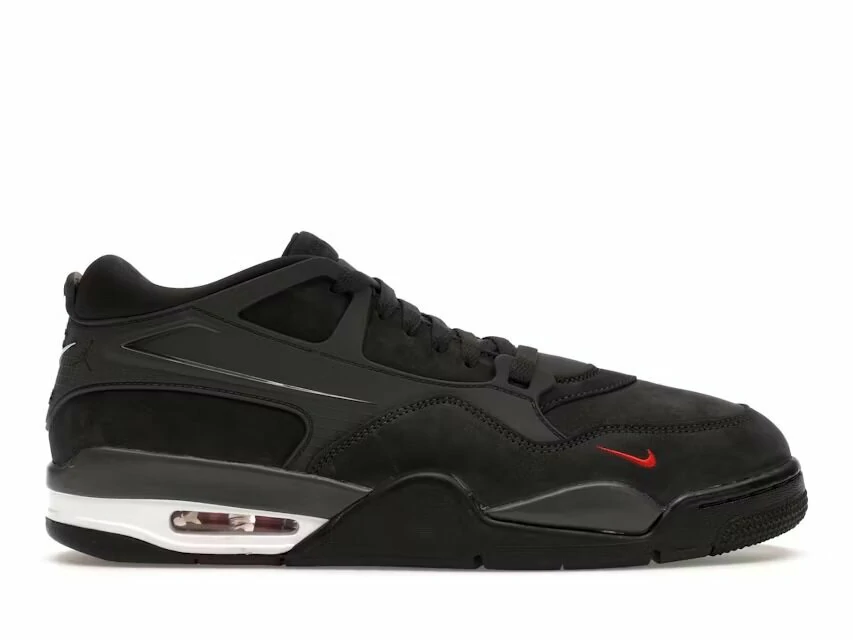
Search interest in the lost boys Jordan 1 low keeps climbing, and most of that traffic comes from Buyers who want one straight answer: is this a real Nike release or a nickname? In practice the name works as a nickname in resale and streetwear channels, not as a line item in Nike's core catalog. Before you spend money on a single pair or a case pack, confirm the style code, the box label, and the size run.
This guide covers what the name usually points to, how to verify a pair before payment, what your customers will ask about fit, and how to decide whether the colorway earns shelf space at your store. Figures here are typical ranges only, so confirm specifics with your supplier.
Why the Nickname Creates Confusion
Jordan 1 Low colorways get named twice: once by Nike on the box label, and again by the resale market based on whatever the color blocking reminds people of. The second name spreads faster, and it is the one buyers type into a search bar. That gap is where bad purchases happen.
Some nicknames trace back to a sample pair, a custom job, or a small regional drop. Others start with one social post and get repeated until they sound official. None of that makes a shoe fake, but it does mean a name alone cannot tell you what you are buying.
Treat the phrase as a search term, not a spec sheet. The spec lives on the tag inside the collar and on the box label. If a listing can only give you the nickname, ask for more before you send a deposit.
Verify the Style Code Before You Pay
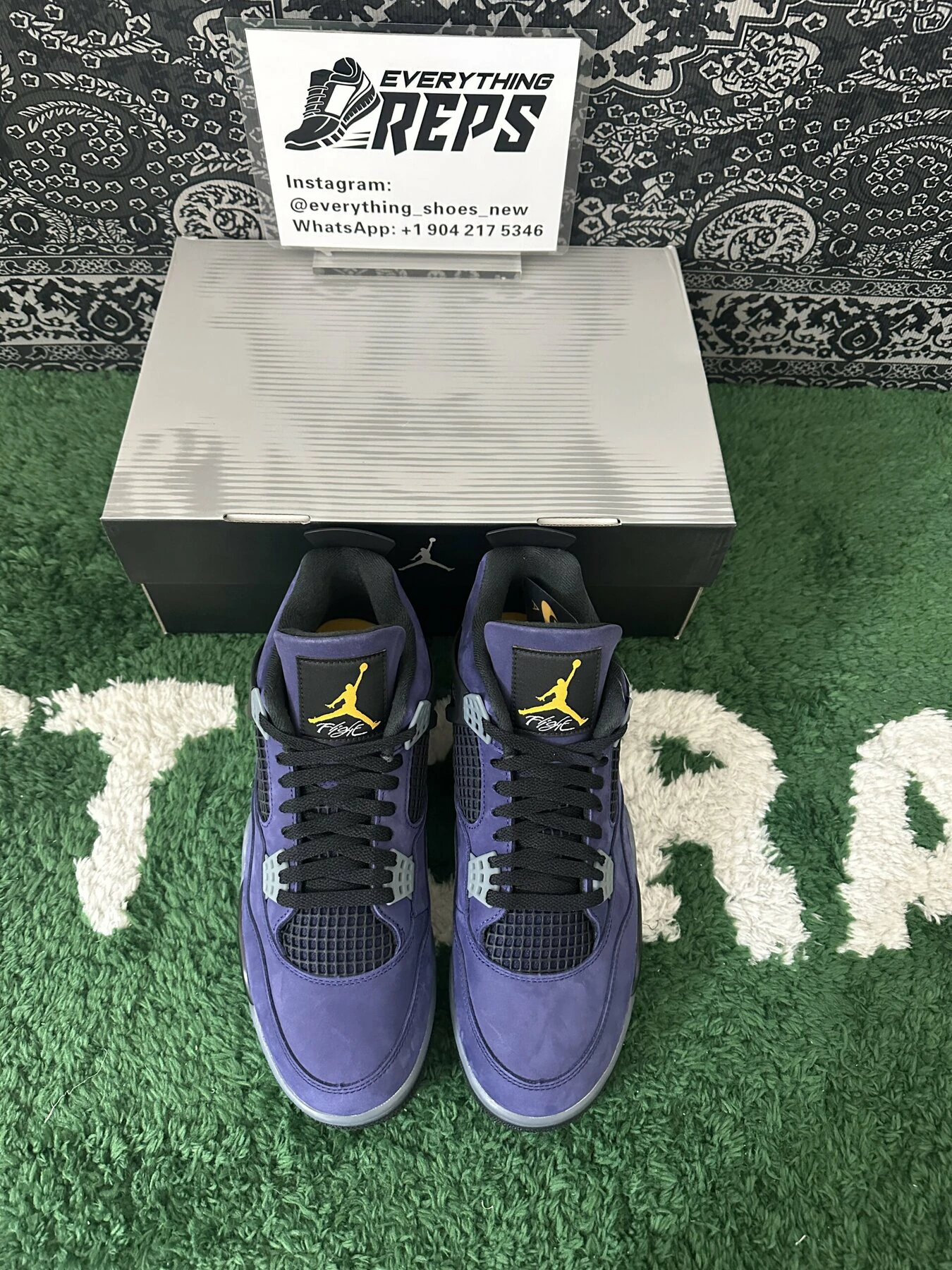
Sellers listing a lost boys jordan 1 low often lead with the nickname and bury the code at the bottom of the page. On Jordan 1 Lows, the inside collar tag carries the style code, the factory code, and a production date range. The box label repeats the style code and adds the official colorway name plus the market.
Those two sources should match each other, and both should match the physical shoe. Run this check on every new supplier, even one a friend vouched for:
- Get a photo of the inside size tag and the box label side by side
- Cross-check the style code against Nike's product page or a public sneaker database
- Confirm the colorway name printed on the label, not the nickname in the listing
- Check the market code on the label against the box you were quoted
- Ask for daylight photos of the heel, outsole, and tongue tag
A supplier who cannot produce those five items should be priced last, not first. Photos take a minute to shoot; a chargeback takes weeks to resolve. Wholesale and liquidation channels move quickly, and the sellers who document properly tend to be the ones still around next season.
Fit and Sizing Notes Your Customers Ask About
Air Jordan 1 Lows generally run true to size for most adults, with a slightly narrow forefoot compared with modern runners. Leather pairs feel stiff across the toe for the first week, while suede and nubuck uppers soften faster. Tell customers that up front and you cut a few returns before they happen.
| Customer type | Size call | Why | Return risk |
|---|---|---|---|
| Average width foot | True to size | Standard AJ1 Low last | Low |
| Wide forefoot | Up half a size | Toe box is the tightest point | Medium |
| High instep | Try in store, or up half | Lacing pressure over the top of the foot | Medium |
| Buying for a teenager | Measure the foot, do not guess | Growth plus a narrow last | High |
Publish the official Nike size chart on your product page and link it next to the size selector. Keep half sizes in stock through the middle of the run, since that is where most exchanges happen. Store staff should know the chart well enough to answer a phone question without checking.
Authentication Checks That Catch Fakes
Low-top Jordans get copied heavily, so build a routine and repeat it. Stitching density around the swoosh, the angle of the swoosh tip, and the shape of the heel counter are the three areas where replicas slip most often. Compare a new pair against a known pair in your own inventory instead of against photos online.
Tongue tags should sit flat, print cleanly, and use consistent fonts. Midsole paint lines should be sharp where the midsole meets the upper, with no bleed onto the leather. Box labels are cheap to fake, so never authenticate a shoe on packaging alone.
For any pair above your comfort threshold, pay for a professional legit check. It costs less than one bad review, and it gives you documentation to show a customer who asks how you sourced the pair.
Deciding Whether to Stock It
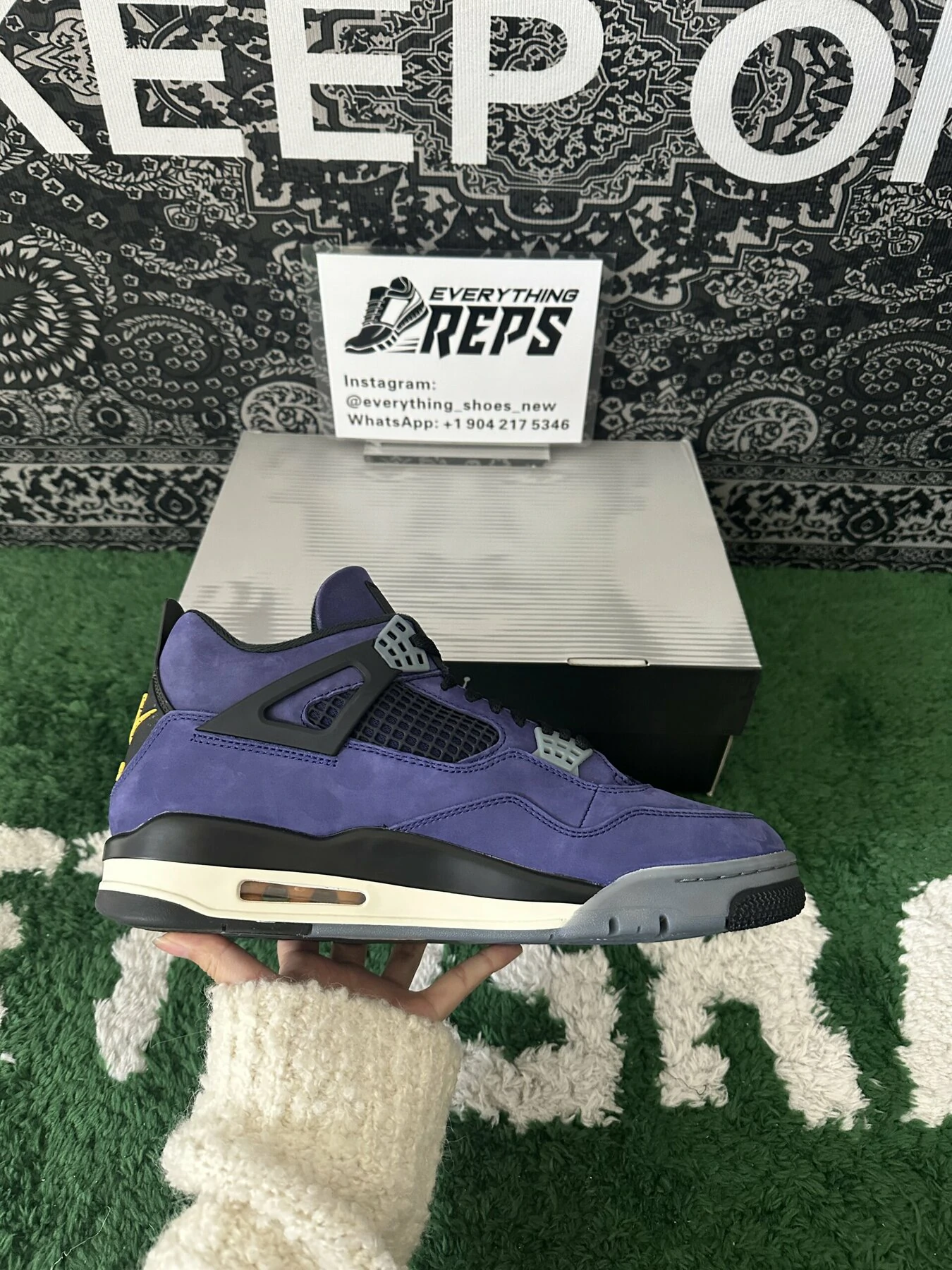
Nickname-driven demand spikes fast and fades just as fast, which makes depth risky for a small shop. Buy shallow, watch sell-through for two to three weeks, then reorder if the size curve holds. A colorway that sells out in the middle sizes is telling you something different from one that only moves in size 9.
Run three questions before you commit to any case pack:
- Can the supplier show a style code photo today, not after payment?
- Does this colorway fill a gap in my low-top wall, or duplicate something already sitting there?
- Can I start with a small run and reorder, or am I locked into a full case?
Margin math matters more than sticker price. Work from landed cost, which includes freight, insurance, and any duties, then apply your normal markup. Duty rates and clearance rules vary by origin and classification, so confirm them with a licensed customs broker rather than relying on a supplier's summary. Broad industry ranges are useful for planning only, and your actual numbers belong in a spreadsheet.
If a lost boys jordan 1 low listing cannot answer those three questions, that is your answer. There will be another pair next month.
Frequently Asked Questions
Is the lost boys jordan 1 low an official Nike colorway?
It circulates mainly as a nickname. Nike names colorways on the box label, and that label is the authority. Ask your supplier for the style code and the printed colorway name before you order. If the only answer you get is the nickname, treat the listing as unverified and price your risk accordingly.
Does the Jordan 1 Low run true to size?
For most adults, yes. The forefoot sits on the narrow side, so customers with wide feet often prefer half a size up. Anyone with a high instep should try a pair in person when possible. Use the official Nike size chart as your reference rather than guesswork from other models.
What is a reasonable first order for a small shop?
Start with a shallow run through the middle sizes and treat it as a test. Minimums differ widely by channel, so ask each supplier for their terms in writing, including case packs and size breakdowns. As a rule of thumb for planning only, keep your first commitment small enough that slow sell-through will not strain cash flow.
How do I spot a fake Jordan 1 Low quickly?
Check stitching density around the swoosh, the shape of the swoosh tip, the heel counter profile, the tongue tag print, and the midsole paint line. Compare against a pair you already trust. Fast visual checks catch obvious problems, but a professional authentication service is the safer call on anything expensive.
Do I need a resale certificate to buy wholesale?
Most US suppliers ask for a resale or sales tax permit before opening a wholesale account. Requirements vary by state, so check with your state revenue office. Ask the supplier what documentation they accept, and keep a current copy ready to speed up account setup.
Chasing a specific pair or building out a low-top program? Send us the style code and size run you need, and we will confirm current availability, minimum order terms, and tag photos before you commit.