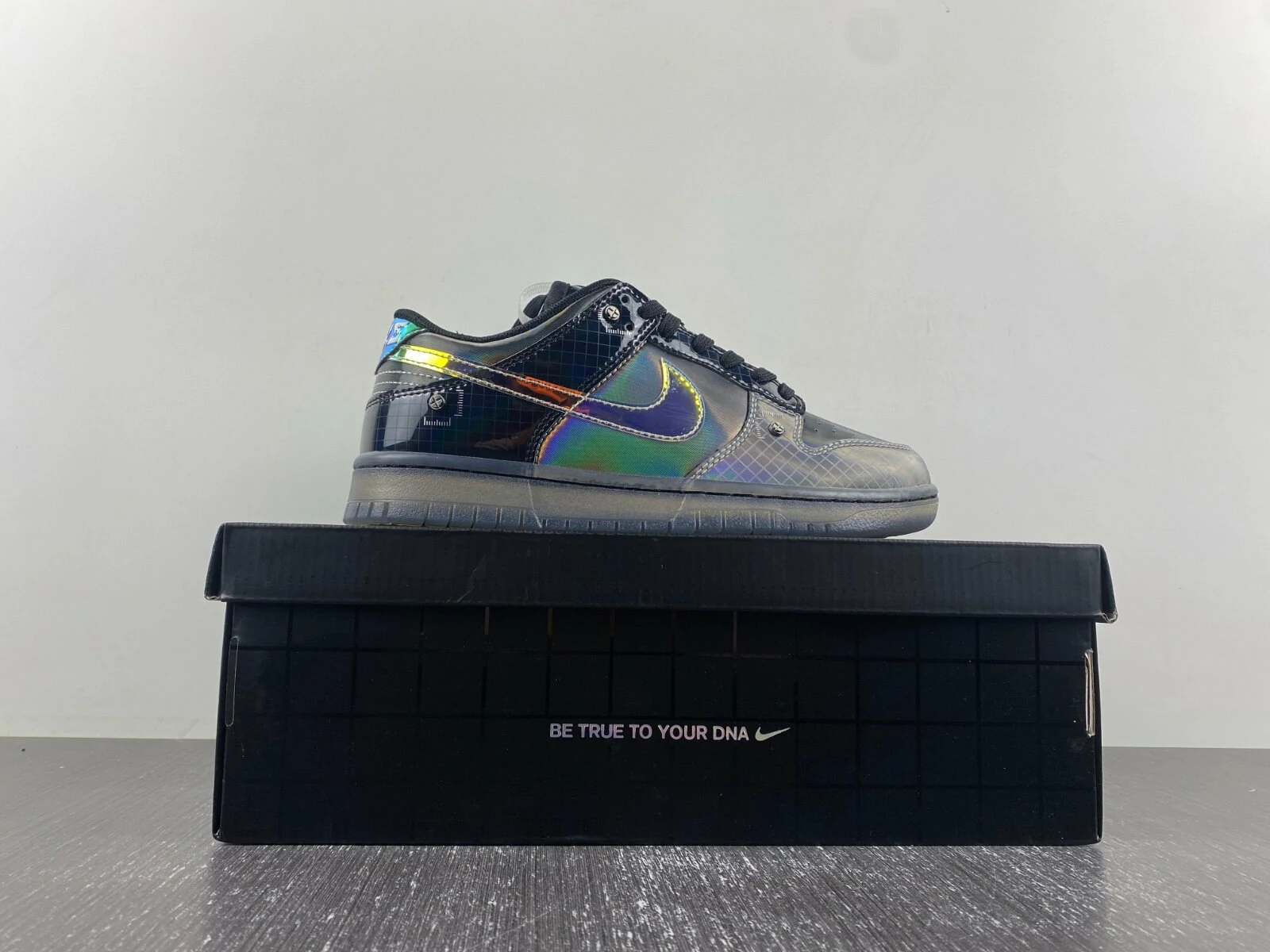
The Dunk Restock wave that ran through august 2022 was real, but it was thin. Nike pushed pairs out through SNKRS, its own Retail doors, and a short list of partners in repeated small drops rather than one large release. Independent shops that read headlines about Dunks being easy again and bought deep ended up holding sizes nobody asked for.
This piece covers what the Nike Dunk restock August 2022 cycle actually put on shelves, why it never translated into easy wholesale supply, and how to source restock pairs now without overpaying or eating fakes. It is written for store owners and online sellers who spend their own money, not a brand's marketing budget.
What the August Drops Actually Put on Shelves
Most of the volume sat in general release Dunk Lows. The white and black Panda colorway restocked repeatedly, alongside a rotating set of GR colorways and a few older retros that had been quiet for a season. Dunk Highs moved in smaller numbers, and SB Dunk allocation went almost entirely to skate accounts.
Nothing about the cadence suggested abundance. Each drop was small, size runs broke within hours, and the same pairs reappeared weeks later at a slightly different set of retailers. For a buyer, that pattern is the signal: repeated shallow drops mean scarcity is being managed, not solved.
Why Restock Headlines Did Not Equal Wholesale Supply
Nike's sales mix has shifted toward direct channels for years, and Dunks followed that path. A restock on SNKRS or at a flagship store does not create new wholesale allocation for a 900-square-foot shop in Ohio. Accounts receive reorders based on tier, sell-through history, and seasonal commitments.
This is where a lot of buying decisions went Wrong. Sellers saw the Nike Dunk restock August 2022 coverage, assumed the secondary market would soften fast, and pre-sold pairs they had not secured. When allocation came in short, they filled orders from marketplace sellers at or above retail and gave away their margin.
There is also a language problem worth knowing. Restock is consumer vocabulary. In wholesale channels you will hear reorder, replenishment, carryover, or closeout. If a supplier leads with restock in a B2B pitch, ask which production run the pairs came from and who the account of record is.
Margin Math by Buying Channel
Unit cost is only half of the margin story. The other half is whether the pairs arrive in a usable size run, with boxes, and with a story you can defend at the counter. The table below compares the four channels most US shops use when they need Dunks between official drops.
| Channel | What you actually receive | Cost vs retail | Authentication risk | Best fit |
|---|---|---|---|---|
| Authorized brand account | Seasonal reorders of GR colorways, allocated by account tier | Below retail, at standard wholesale | Low | Shops with an existing account and steady sell-through |
| Licensed distributor or jobber | Mixed assortments and brand-authorized overstock | Near wholesale to slightly above | Low to medium | Smaller shops without a direct account |
| Liquidation and pallet sellers | Unverified mixes, often no clean size run | Well below retail, sometimes suspiciously so | High | Nobody buying Dunks blind |
| Secondary market bulk buys | Specific sizes at near-retail or above | At or above retail | Medium to high | Filling one-off size gaps only |
A standard Dunk Low carried a retail price in the $110 to $120 range during that period, and current MSRP may differ, so confirm it before you build a price ladder. Work backward from retail: landed cost, payment fees, inbound freight, and a realistic markdown on slow sizes.
Most of the sellers who got hurt in the Nike Dunk restock August 2022 window bought on unit price alone. A pair at a great price in a size 14 is not a deal if size 14 sits for eight months. Price the whole run, not the cheapest box in the lot.
A Supplier Checklist Before You Wire Money
Sourcing Dunks outside an official account is workable, but it rewards paranoia. Run every potential supplier through the same steps, and do not skip ahead because the price looks right.
- Ask for the account of record or a distributor letter, and confirm the entity name matches the invoice.
- Request a written size-run breakdown instead of a photo of stacked boxes.
- Cross-check style codes and UPCs on the box label, the tongue tag, and the inner size tag.
- Order one test case or a single size run before committing to volume.
- Get the return policy in writing, specifically for authentication disputes.
- Pay through a traceable method with buyer protection, and keep the paperwork.
- Ask whether they can repeat the same size run next month.
That last question separates real suppliers from opportunists. A distributor with steady inventory can usually repeat a run. A broker working one lot cannot, and that lot is probably someone else's leftover.
Building a Size Run That Sells Through
Dunk Lows sell in a predictable curve that skews toward men's 8.5 through 11. A reasonable opening run for a small shop looks like 1-2-2-3-2-2-1 across that span, one pair each at the extremes, and a few small sizes for women who buy men's sizing. Adjust to your own sell-through before you scale it.
Depth beats breadth here. Three colorways in a clean size run will outperform eight colorways in scattered sizes, because customers who find their size buy and customers who do not walk. Confirm fit against the official size chart before promising anything, since Dunk sizing is generally true to size but not identical across models.
Frequently Asked Questions
Did the Nike Dunk restock August 2022 push resale prices down?
It softened them briefly, mostly on high-volume GR colorways like the Panda, where repeated drops added real supply. Limited and older retros firmed up again within weeks. The takeaway for buyers is that a single restock rarely resets a market. Sustained repeated drops do, so watch drop frequency rather than one announcement.
Are restock pairs lower quality than first-run pairs?
Generally no. Pairs come off the same production lines to the same specification. What varies is age: check the production dates on the inner size tag, because a wide gap from release can mean older stock with yellowed midsoles or storage wear. Judge the pair in hand, not the label the seller uses.
How deep should a small shop buy into a Dunk restock?
Start with what your own sell-through supports, not what a supplier wants to move. A common approach is a test run of one or two size runs in a proven colorway, then scaling after you see 60 to 90 days of movement, which is general guidance rather than a rule. Confirm minimums and terms with each supplier directly.
Can a new store buy Dunks at wholesale without a brand account?
Yes, through licensed distributors, jobbers, and closeout sellers, though margins are thinner and authentication risk is higher. Verify the account of record, request size-run detail in writing, and start small. If the pricing looks impossible for the market, it usually is, and the paperwork is what protects you later.
Restock windows like the Nike Dunk restock August 2022 one reward buyers who plan size runs before they plan budgets. If you are stocking Dunk Lows, Dunk Highs, or SB pairs for the next quarter, send us your size curve and colorway targets. We will come back with current availability, pack options, and a price list so you can compare landed cost against your own shelf.