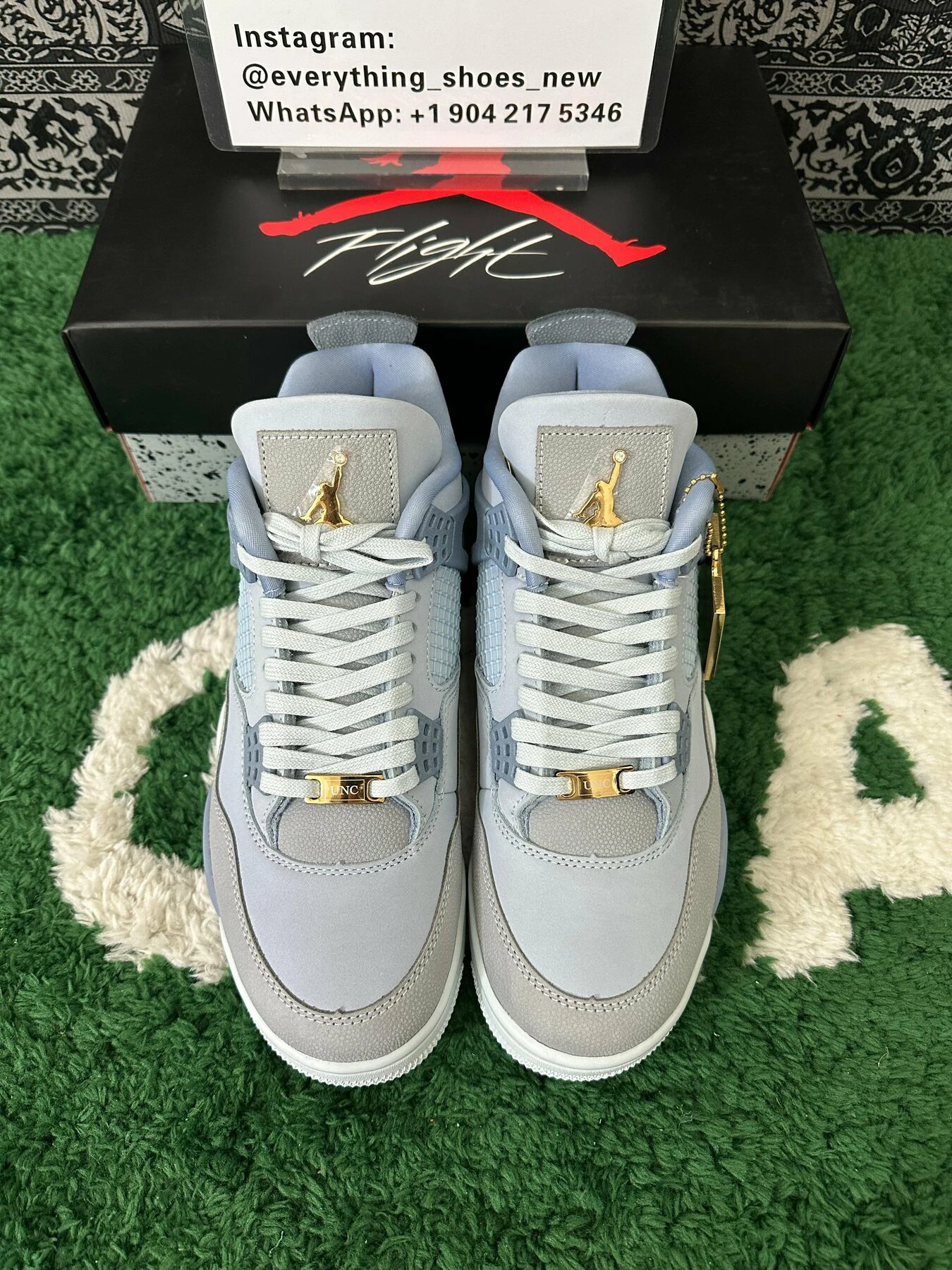
The patent Leather Jordan 1 low is a glossier take on a staple silhouette, and it behaves differently at retail than the standard leather version. Shoppers notice the shine first, then they ask about creasing, fit, and whether the finish will hold up. This guide covers what Store Buyers and online sellers Should Check before adding pairs to an assortment.
What the Patent Leather Finish Changes
A patent leather jordan 1 low uses a coated leather or synthetic upper with a high-gloss surface. That coating changes how light hits the shoe and how easily the toe box shows wear. On a standard leather pair, small creases blend into the grain. On a glossy pair, every fold catches the light.
For a store owner, that means display appeal is high but tolerance for handling is lower. Try-on pairs need extra care. Keep the tissue in the toe, avoid stacking heavy boxes on top of the display pair, and train staff to handle the upper with clean hands. Customers who expect a rugged daily sneaker may need a different recommendation.
Price position matters here. A glossy low-top can support a higher shelf price than a basic leather pair in some shops, but the gap depends on colorway, size, and local demand. Do not treat the finish alone as a reason to raise the retail price. Check sold comps and your own sell-through before you set the ticket.
Sizing, Fit, and Customer Questions
When a customer asks whether the patent leather jordan 1 low runs true to size, the safest answer is to start with the official size chart and their measured foot length. Jordan 1 Low models generally fit similarly across materials, but the coated upper can feel firmer at first. Wide-footed customers often prefer going up a half size or trying both sizes in store.
Do not promise a break-in period you cannot verify. Instead, describe the initial feel: a stiff collar, a firm toe box, and less give through the midfoot than a soft leather or knit upper. For online sales, show a photo of the insole measurement and state whether the pair fits narrow, average, or wide. That reduces return rates more than a generic true-to-size badge.
For store buyers, sizing is also a buying decision. A US size run that skips 9.5 or 10.5 can look complete on paper but leave gaps at the shelf. Track the sizes that sell first, then adjust the next order. If your supplier only offers prepack runs, ask whether you can swap one or two sizes before shipment.
Authenticity and Material Checks
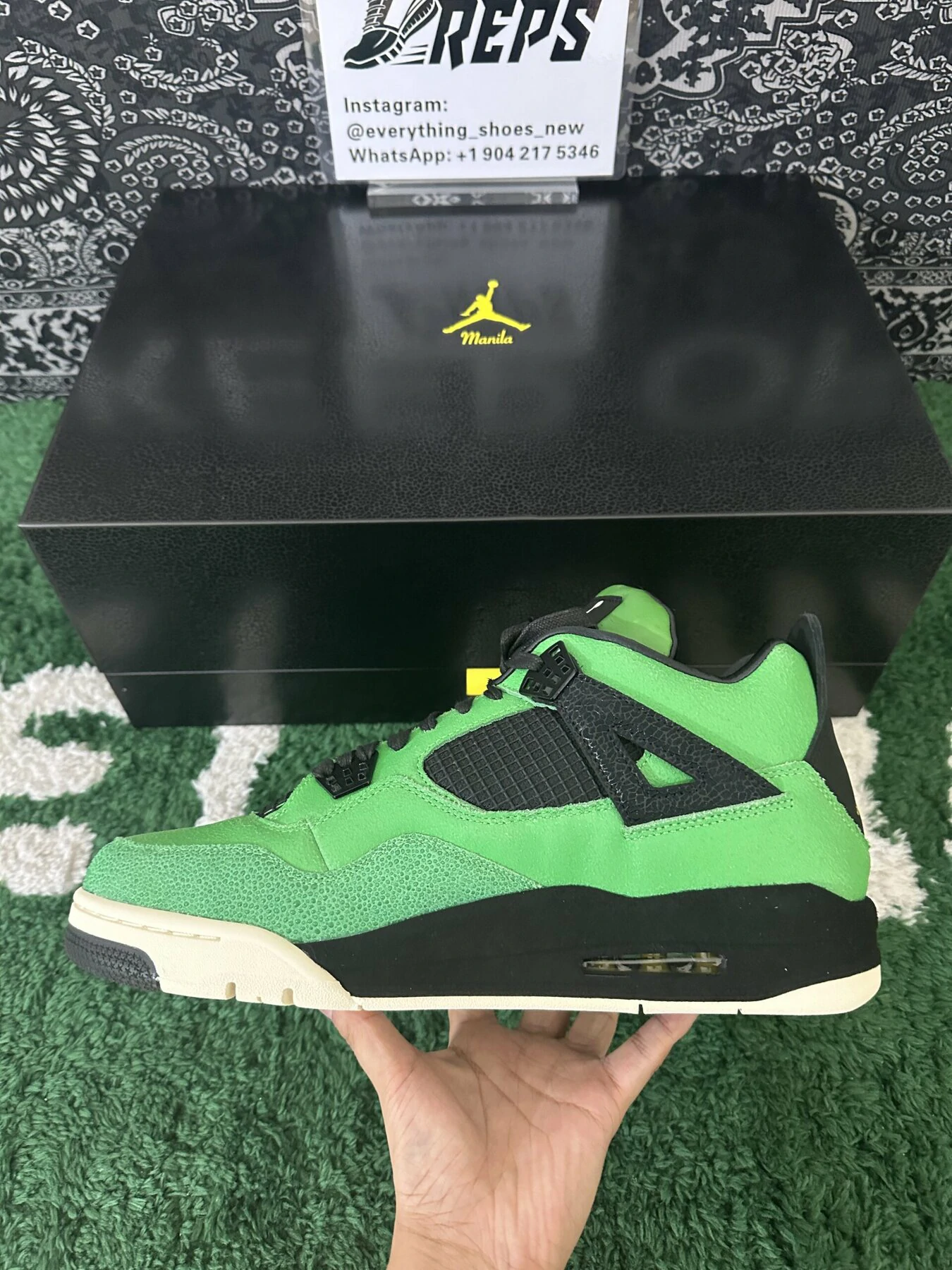
Glossy finishes attract counterfeiters because a photo can hide poor materials. On a patent leather jordan 1 low, check the shine consistency across both shoes, the stitch spacing around the swoosh and collar, and the transition where the coated upper meets the lining. Loose threads, uneven gloss, or a chemical smell are reasons to pause, not proof by themselves.
Use a process rather than a single tell. Compare the size tag, box label, and insole print against known authentic examples. Weigh the pair if you have a reliable reference.
Run a blacklight check only if you know what you are looking for, since some materials fluoresce and some do not. For high-value pairs, use a professional authentication service and keep the record with your inventory.
- Check both shoes under the same light for gloss and color match.
- Inspect stitching at the swoosh, heel tab, and collar for even tension.
- Compare size tags, box labels, and SKU details with known pairs.
- Review the return window and authentication policy before bulk purchase.
- Photograph flaws before listing so buyer expectations are clear.
Inventory and Margin Planning for Shops
A patent leather jordan 1 low can look premium on shelf, but glossy uppers are less forgiving in a busy store. Order deep enough to cover common US sizes, yet keep the first buy narrow until you see local sell-through. Size runs matter more than a single hero size, especially for online orders that depend on full-size availability.
Build your margin around landed cost, not just the wholesale unit price. Freight, duties, payment fees, and returns all change the real cost. Ask suppliers for a size-run breakdown, box condition policy, and defect rate. The table below is a planning framework, not a price quote, so confirm every figure with your supplier and customs broker.
Watch the sell-through by colorway, not just by model. A neutral gloss pair may move faster than a bright patent color, especially in stores with conservative customers. If a color stalls, bundle it with a standard leather pair or feature it in a window display. Markdowns on glossy pairs should happen early, before creases and scuffs reduce the pair to a handling-risk item.
| Option | Upper feel | Crease visibility | Display appeal | Buying caution |
|---|---|---|---|---|
| Patent-finish Jordan 1 Low | Firm, glossy | High | Strong under light | Handle try-ons with care |
| Standard leather Jordan 1 Low | Soft to firm | Moderate | Familiar, easy to sell | Watch grain and color match |
| Suede Jordan 1 Low | Soft, textured | Moderate | Seasonal | Store away from moisture |
| Synthetic leather Jordan 1 Low | Stiff | Moderate to high | Price-led | Check breathability and finish |
Display, Care, and Returns
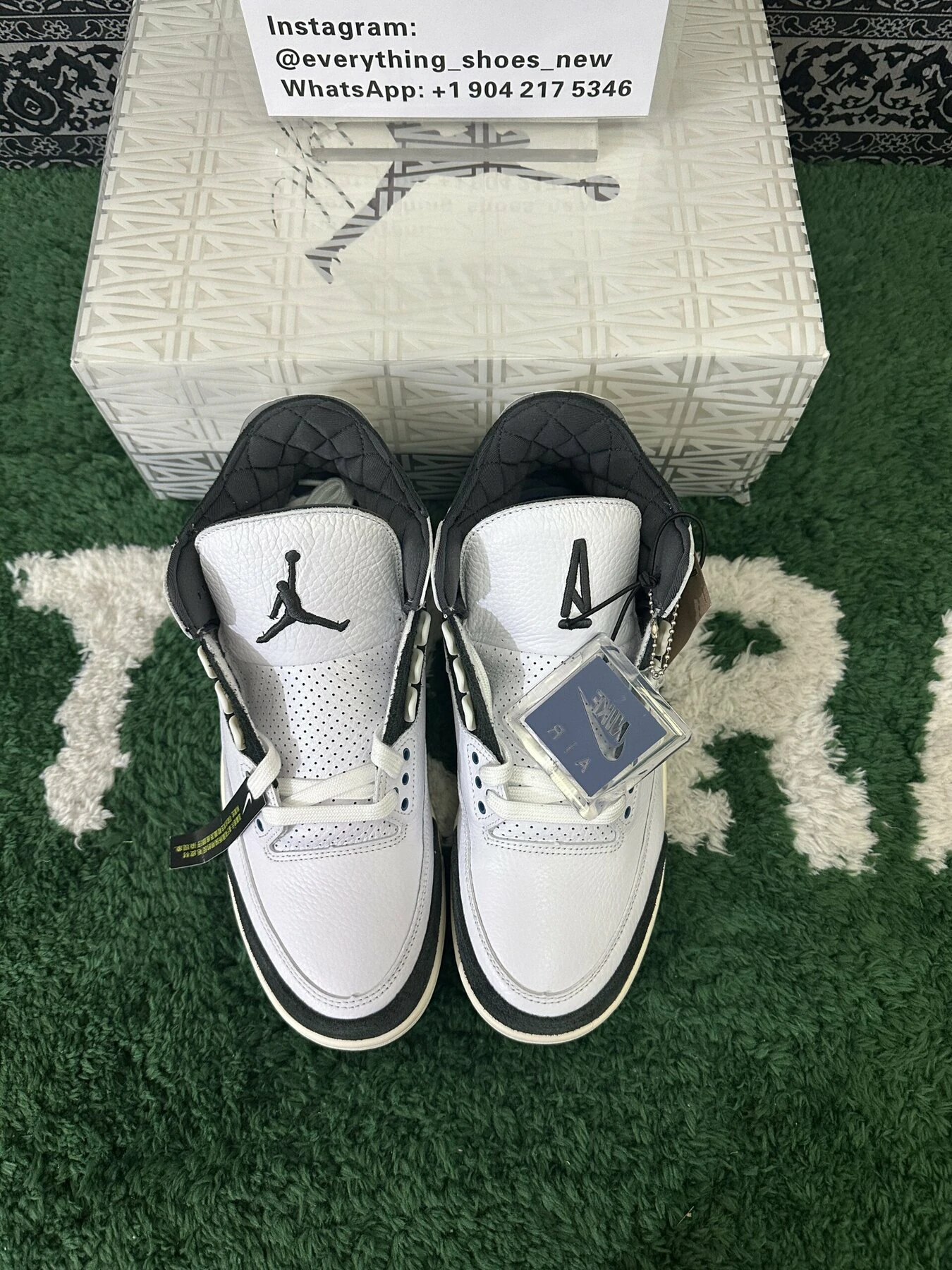
Customers who buy a patent leather jordan 1 low often ask how to clean the shine without dulling it. Recommend a soft, damp cloth and a mild soap only when needed, then dry with a microfiber towel. Avoid acetone, alcohol, and rough brushes. Creases can be reduced with shoe trees, but they cannot be erased once the coating folds.
Set return rules that match the material. A glossy upper shows scuffs and fingerprints quickly, so inspect returns under daylight before restocking. If you sell online, include close-up photos of the toe box and heel. State that creases and light handling marks are normal on try-on pairs, and keep that language consistent with your platform policy.
Train the team to offer a shoe horn and a clean try-on sock. Small habits protect the finish and reduce complaints. When a pair is returned, check the collar and toe box under daylight, not just under store lighting. A pair that looks clean in a dim corner can show fingerprints near the window.
FAQ
These are the questions that come up most often at the counter and in inboxes.
Is the glossy finish hard to maintain?
It needs more attention than standard leather, but it is not fragile. Wipe fingerprints with a soft damp cloth, dry with microfiber, and store with tissue or shoe trees. Avoid alcohol cleaners and rough brushes, and inspect the toe box after try-ons. For a retail pair, the main cost is handling time, not cleaning products.
Should I stock full size runs?
Start with the sizes your customers actually request. A narrow first buy in US men's 8 to 11 can test demand, then expand based on sell-through. Full runs help online conversion, but they tie up cash. Ask your supplier for size-run flexibility and a clear policy on broken sizes before you commit.
How can I check authenticity without a lab?
Use multiple checks: gloss consistency, stitch quality, size-tag printing, box label details, and insole measurements. Compare against known authentic pairs, not social media photos alone. Keep purchase records and use a professional authenticator for expensive inventory. No single flaw proves a pair is fake, and no single detail proves it is real.
What should I tell customers about fit?
Tell them to measure their foot and compare it with the official size chart, then choose based on preferred fit. Many shoppers stay true to size in Jordan 1 Low models, but the coated upper can feel firmer at first. Wide-footed customers should try a half size up. Offer exchanges so they can compare both sizes.
Ready to test the style without overcommitting? Send your supplier a clear request with the size run, box condition standards, and return terms you need. Ask for current availability and landed-cost estimates before you place a purchase order.