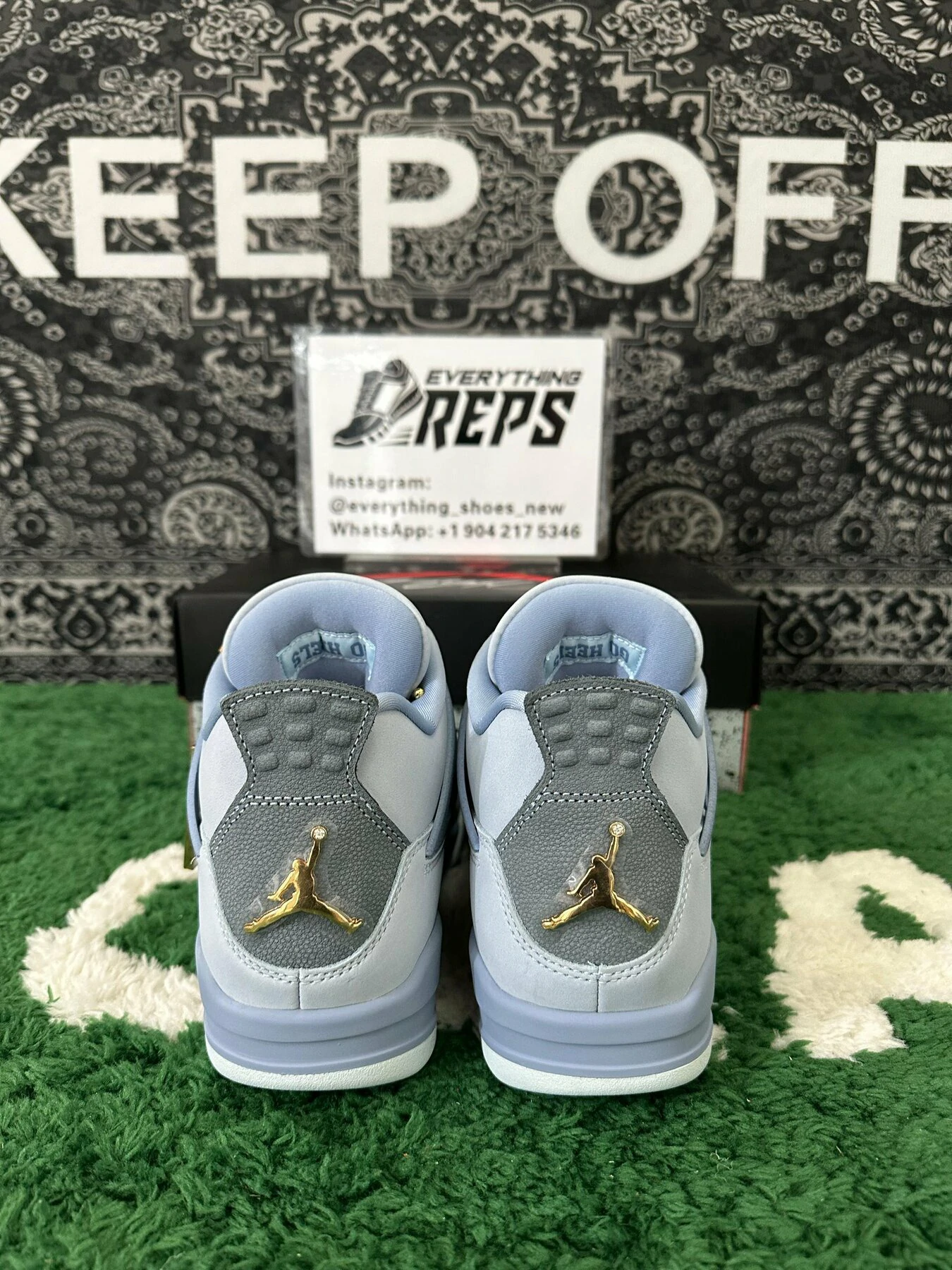
The black toe Jordan 1 lows take the most recognizable color blocking in the Air Jordan line and move it onto a low-cut silhouette. For a US shop, that means a shoe that sells across age groups and seasons, not only to collectors chasing a drop. What follows is a practical read on the colorway, the fit you should be quoting to customers, the build signals worth checking, and the order questions that protect your margin.
What the colorway actually is
Black toe blocking means a black overlay across the toe and eyestays, white quarter panels, and a red heel and outsole. It is the same layout used on the original high-top, cut below the ankle. That familiarity does the selling for you, because a customer recognizes the pair without needing a story attached to it.
Low-cut Jordans sit in a useful spot in a store's lineup. They cost less than the highs, they suit people who find a tall collar bulky, and they work as an everyday shoe rather than a display piece. In most shops the black toe jordan 1 lows pull buyers who want the look without the price jump of a retro high, and that buyer tends to come back for a second pair in a different colorway.
Fit and sizing advice you can pass on
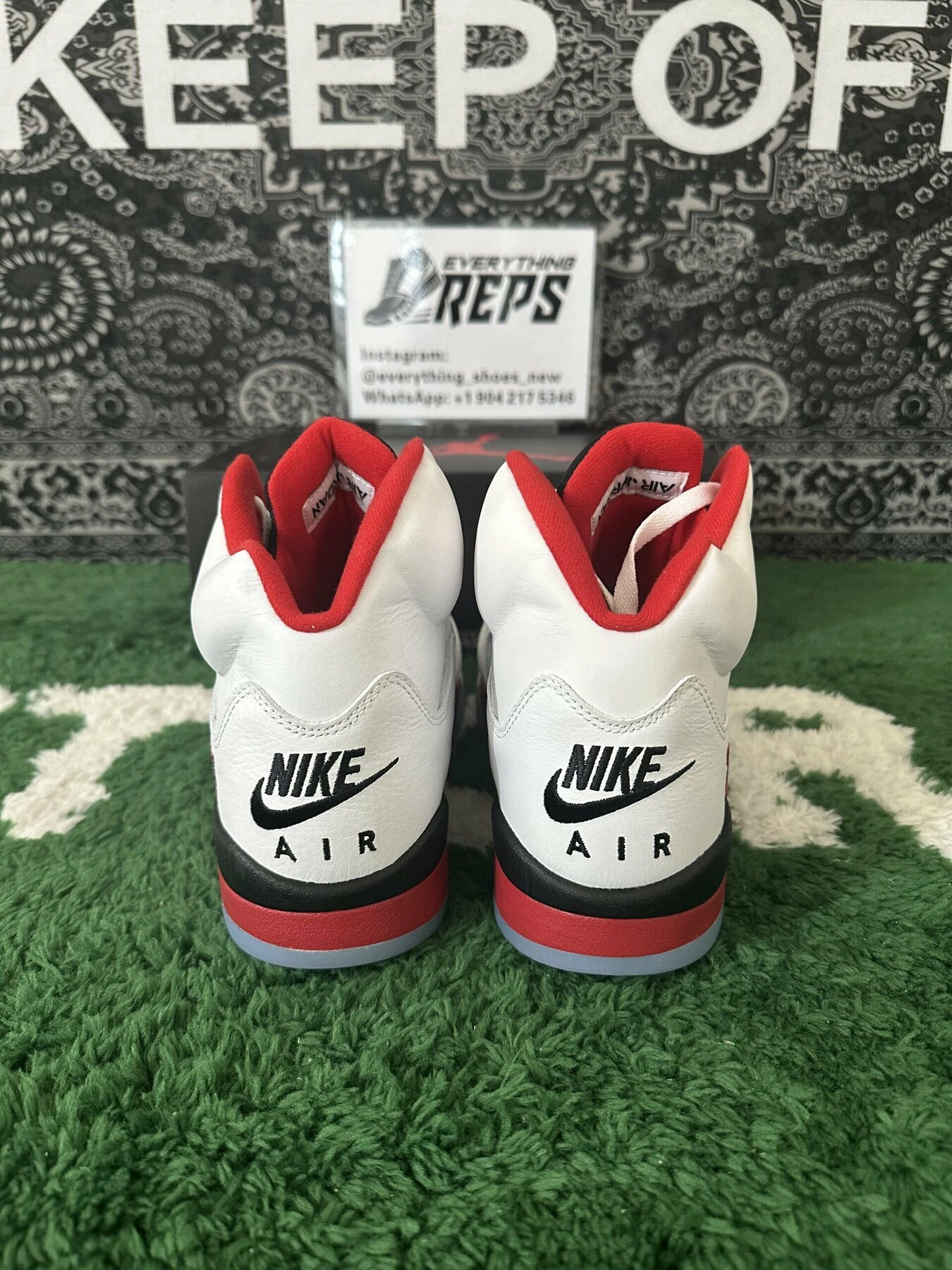
Most buyers take their normal US size in this model. The midfoot runs fairly narrow, though, and the toe box sits lower than a running shoe, so customers with wide feet often prefer a half size up. Ask them to try pairs on with the socks they actually wear.
Watch the conversion when women shop men's pairs. A men's 8 is roughly a women's 9.5, and that gap drives more online returns than any other single issue. Kids' and GS sizes follow their own chart. When a customer is between sizes, send them to the official size chart for that specific release year, since lasts have shifted slightly between versions.
Leather, shape, and build signals
Two pairs in the same colorway can feel very different in hand. Leather softness, toe box shape, and stitch consistency vary by release year, factory, and market. None of it shows up in a stock photo, which is why in-hand images from the actual lot matter more than a clean catalog shot.
| Signal | Weaker pairs | Solid mid-tier | Better-grade pairs |
|---|---|---|---|
| Leather hand | Stiff, plastic feel, sharp creases | Some give, creases in soft folds | Supple, fine grain, recovers shape |
| Toe box shape | Flat, wide, or visibly uneven | Slightly rounded, consistent across the lot | Low profile, even left to right |
| Stitching | Uneven spacing, loose threads | Mostly even with minor drift | Tight, even, clean at panel joins |
| Midsole finish | Visible glue lines, soft edges | Clean join, minor excess | Sharp edges, tidy glue job |
Treat these signals as a conversation starter with a supplier, not a grading certificate. If a pair is pitched as a premium release and the toe box looks collapsed or the stitching wanders, ask for a second sample pulled from a different lot before you discuss volume.
Checks before you place an order
Before you commit to a bulk order of black toe jordan 1 lows, run through the list below. Each item takes minutes and each one has saved a buyer from a pallet of slow movers.
- Confirm the exact style code and release year in writing, not just the colorway name.
- Ask for photos of the actual pair you will receive, including the size label and box tag.
- Check that the box label style code matches the shoe, and ask what happens when it does not.
- Get the size run breakdown in writing: solid packs versus mixed runs, half sizes included or not.
- Confirm the returns or credit policy for pairs that fail an authentication check.
- Ask about lead time and payment terms, then compare them against your cash flow, not against a competitor's promise.
On import, duties and clearance rules depend on classification, country of origin, and the broker you use. Common practice is to confirm the harmonized code and landed cost with a licensed customs broker before the shipment leaves, since a small classification error can erase the margin on a whole run.
Reorder signals and size depth
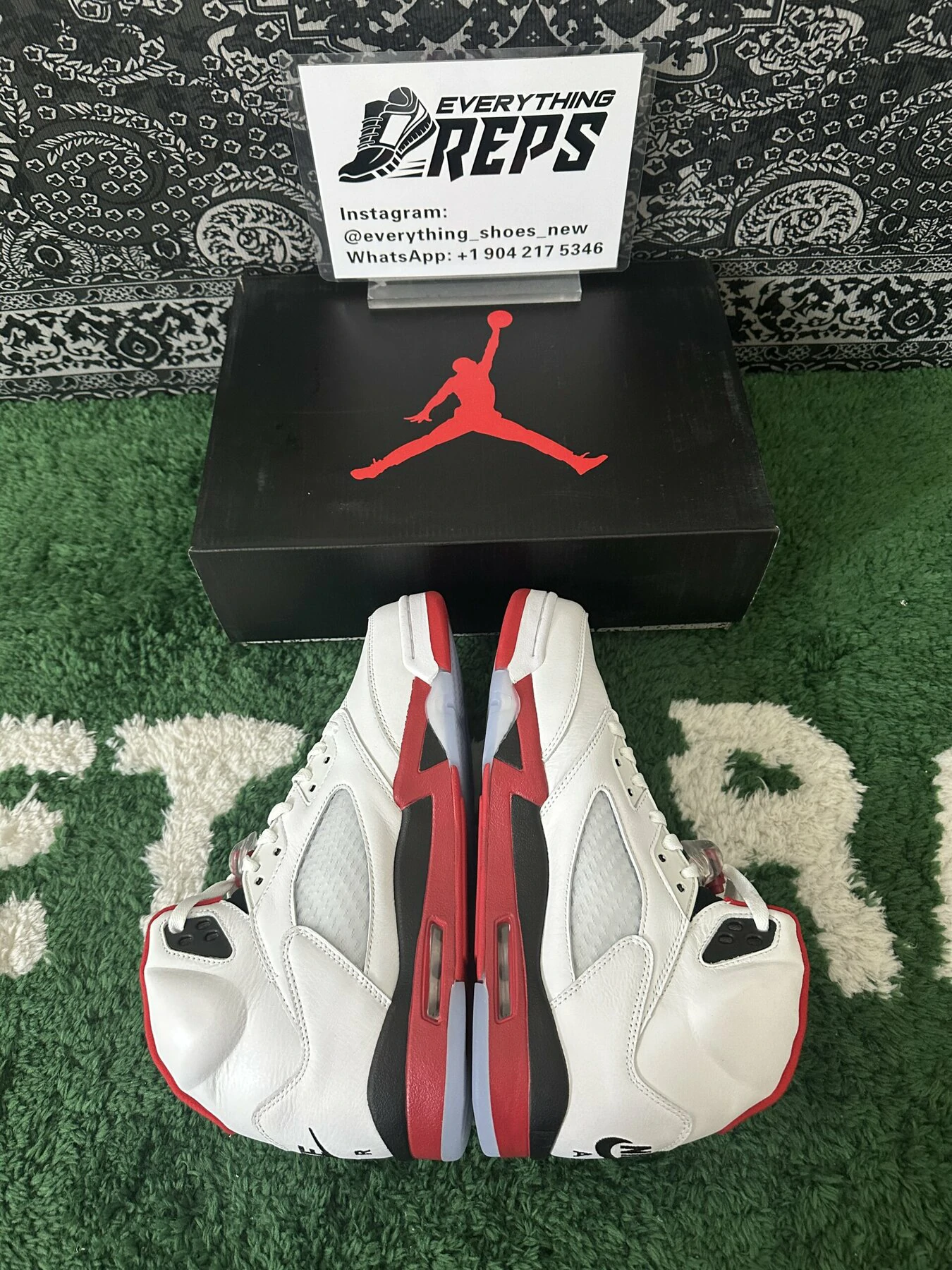
A classic low top rarely spikes, so plan for steady turns rather than a single hot month. Track sell-through by size and you will usually see US 9 to 10.5 move first, with 8 and 11 close behind. Reorder when the middle of the run starts breaking, not when the shelf looks empty.
Depth matters more than breadth here. Carrying four colorways at two pairs per size is usually weaker than carrying two colorways with a full run in the sizes your customers actually buy. For black toe jordan 1 lows, a clean size run in the core range plus a couple of pairs at each end keeps you covered without tying up cash in sizes that sit for months.
Questions buyers ask most
Do these lows run true to size?
For most people, yes. The black toe jordan 1 lows fit close to a standard US size, with a slightly narrow midfoot and a low toe box. Wide-footed customers often go up a half size. Always confirm against the official size chart for the release you are selling, because the fit is not identical across every year.
How do I check a pair without a legit-check service?
Start with the basics: box label versus shoe tag, stitch spacing along the swoosh and heel, and the shape of the toe box from a side angle. Compare against photos of a known pair in the same size. For high-value orders, pay for a professional authentication service rather than relying on in-house judgment alone.
What size run should a small shop carry?
For a first order, a run from US 8 to 11 with half sizes, weighted toward 9 to 10.5, covers most demand. Add one pair each in 7.5 and 11.5 only if your customer base skews that way. Ask suppliers for a mixed run rather than solid packs, and confirm the split before you pay.
Do low tops sell as well as the highs?
They serve a different buyer. Highs attract collectors and resale-driven customers, while lows sell to people who want the colorway for daily wear at a lower price. In most independent shops, lows turn more steadily and carry less markdown risk, though the ceiling per pair is lower.
Next step
If you are building a size run for the season, send over the sizes, quantities, and colorways you need and ask for current availability plus sample photos from the actual lot. A short list of questions now beats a long conversation about returns later.