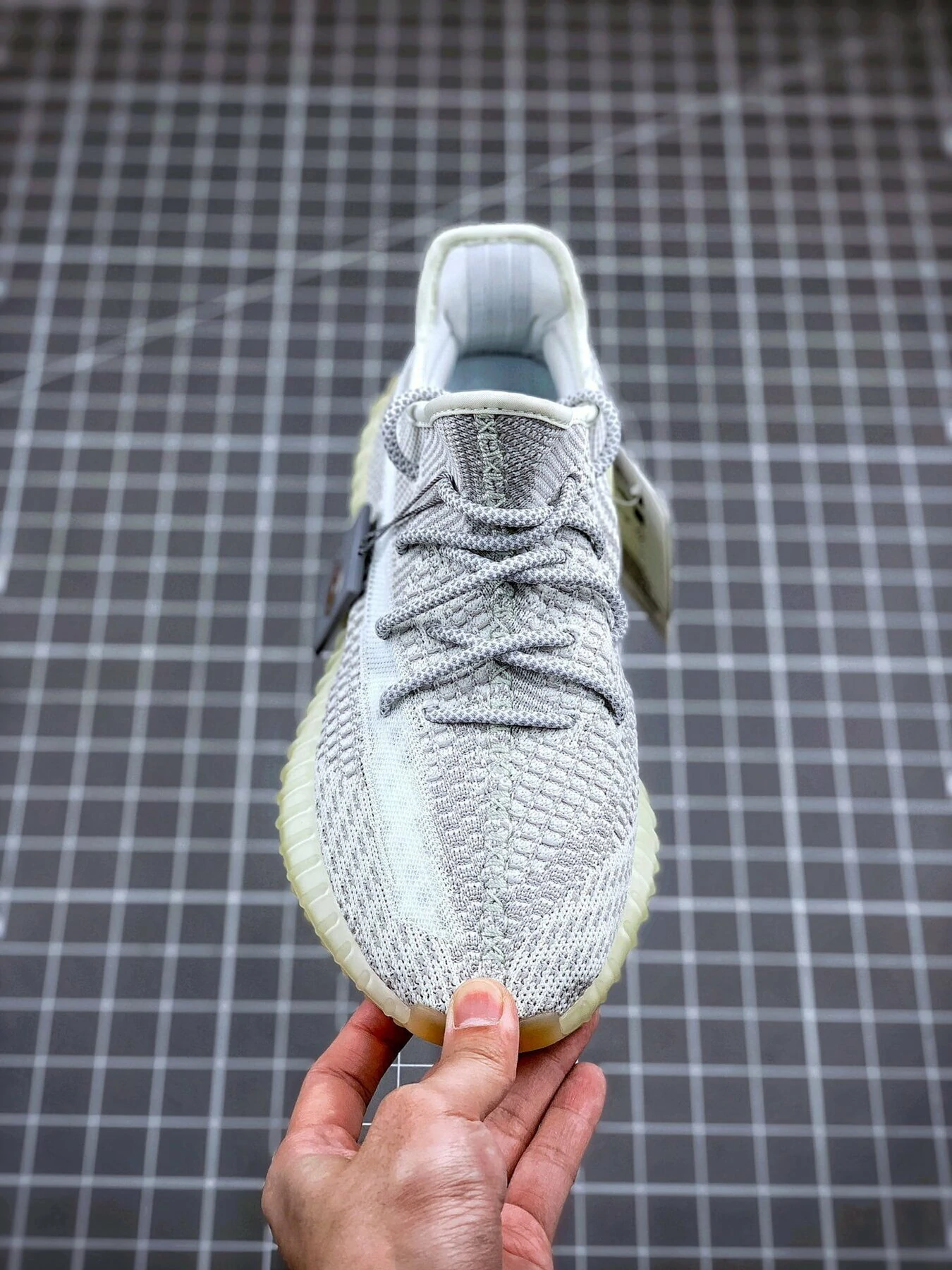
The adidas Samba leopard US release is a print take on a terrace classic, and it does not behave at retail like a core black Samba. Demand arrives in bursts, skews toward a fashion customer, and rarely fills out a full size run. This piece covers what the shoe actually is, how it fits, what to inspect in a shipment, and how to set Depth so you are not stuck with tail sizes.
Most of the advice below applies whether you run one storefront or a small Shopify operation. Your numbers will differ from anyone else's, so treat every range here as a starting point and confirm the details with your supplier before you sign off on a purchase order.
What the Shoe Is and Who It Sells To
The adidas Samba Leopard US colorway keeps the silhouette buyers already know: low profile, T-toe overlay, three stripes, gum outsole. What changes is the upper, and that single change drives everything else. Most leopard releases use a printed hair or pony-hair-look material rather than smooth leather, which gives the shoe texture in hand and a look that photographs well.
Ask your supplier for the exact upper spec in writing, because listings use the word leopard loosely across hair, synthetic, and embossed leather versions. That spec also decides your customer. A smooth leather Samba sells to almost anyone who wants a clean low-top. The printed version sells first to women shopping for a statement sneaker, then to streetwear buyers who already own the basics.
Sizes cluster in the women's 6 to 9 band. Men's 10.5 and up tends to sit unless your area has an active resale scene, so plan the top of your run accordingly.
Sizing, Fit, and Return Risk
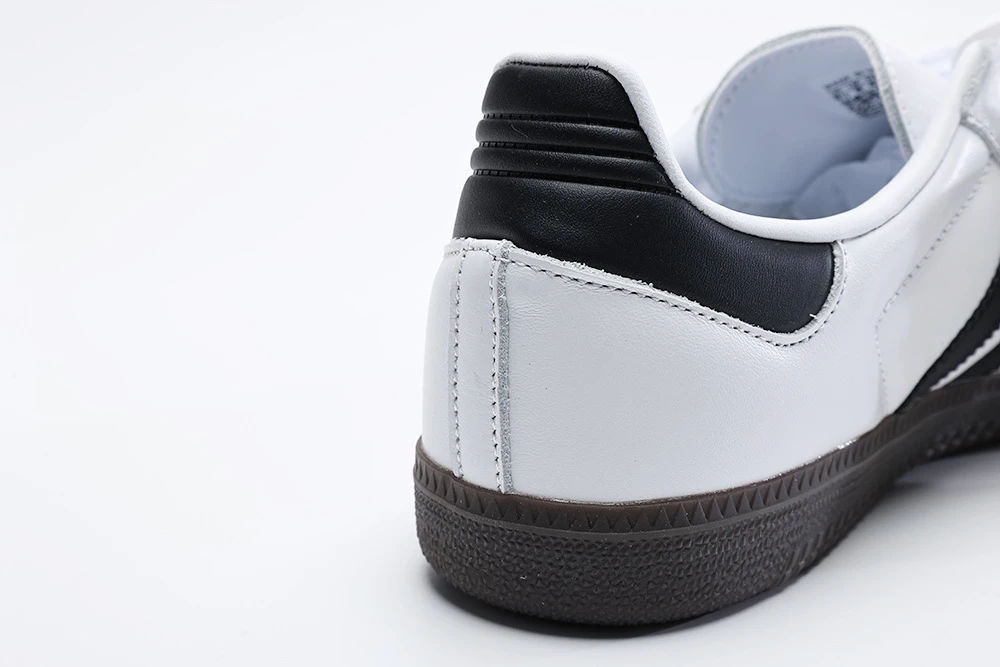
Fit on the adidas Samba Leopard US pairs tracks the core Samba closely: snug through the midfoot, slightly narrow, with a little extra length at the toe. Shoppers who sit between sizes usually go down a half size. Hair uppers can feel stiffer out of the box than leather, so tell customers to expect a short break-in rather than a roomy fit from day one.
| Attribute | Core leather Samba | Leopard print Samba | What it means for your order |
|---|---|---|---|
| Upper | Smooth leather with suede T-toe | Printed hair or pony-hair-look material on most releases | Texture shows shipping rub and scuffs faster, so inspect every pair |
| Fit | Snug midfoot, slightly narrow | Same last, stiffer feel at first | Budget for a share of fit returns either way |
| Demand curve | Steady year-round, broad size spread | Trend-driven bursts, narrow size spread | Buy shallow and wide instead of deep |
| Markdown risk | Low to moderate | Higher once the print cycle passes | Keep reorder windows short |
Post the official size chart on the product page and link it directly in the size selector. One clear line about half sizes cuts a surprising number of runs-big complaints. In store, keep a thin sock near the mirror for try-ons, since the hair upper grabs thicker socks and makes the shoe feel tighter than it is.
Print Quality and What to Check at Intake
Leopard print hides small marks better than white leather, which is why some buyers rush inspection. Do not. Hair and pony-hair-look uppers bruise in transit, and print placement varies from pair to pair, sometimes between the left shoe and the right one in the same box.
Check three things before any pair reaches the floor: the print match between left and right, bald or crushed patches near the toe and heel, and glue residue along the midsole edge. A mismatched pair comes back as a return. So does a pair with a visible bald spot, even when the customer caused the mark later.
Store stock flat and away from direct sun. Hair uppers flatten under weight, and a stack of boxes in a hot window will show it within a couple of weeks. Photograph pairs on a clean surface too, because lint sticks to this material and shows up badly in close crops.
Setting Depth, Reorders, and Price Positioning
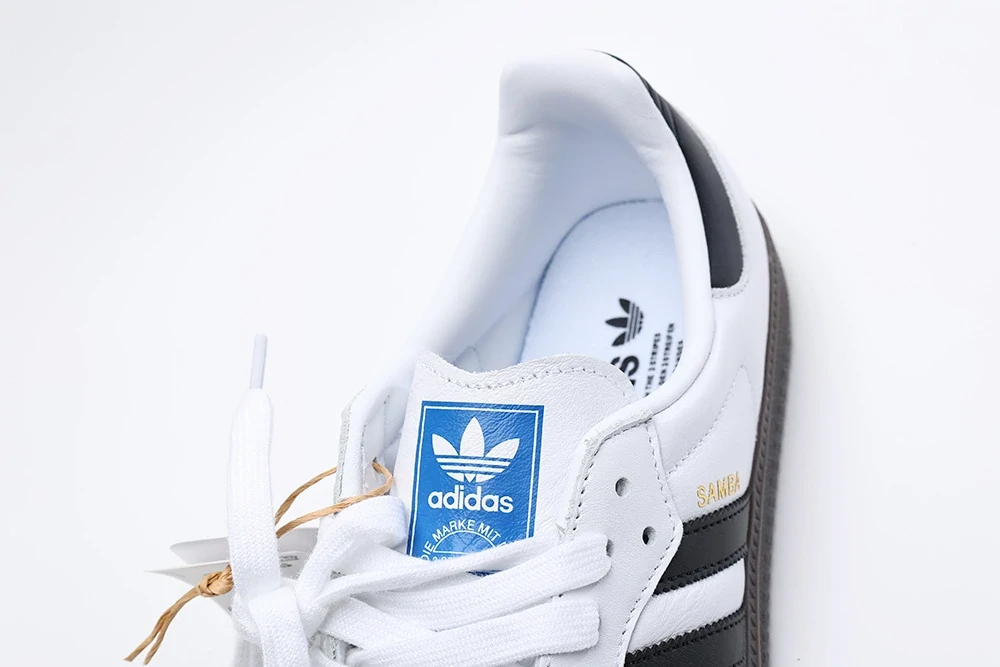
A shallow buy is the right default for adidas Samba Leopard US stock. Take the middle of your women's run at two to three pairs per size, add one extra pair in the sizes your customers ask for most, and skip the extremes until you see real sell-through. Two weeks of full-price sales tells you more than any forecast.
Reorder windows are short on print shoes. Once the cycle moves on, the same pair that sold at full price sits at 30 percent off, and that markdown eats the margin from your first ten pairs. Decide in advance who approves a second order and which sell-through number triggers it.
Keep your price close to the core Samba band for your market. The print is not a premium item unless your customers already pay premiums for limited colorways. Check what large US retailers are listing, set your number, then hold it until the run slows.
Order Checklist Before You Commit
Run this list against every supplier quote. It takes ten minutes and can save you weeks.
- Confirm the upper material in writing: printed hair, pony-hair look, or synthetic.
- Ask for the available size run and the minimum per size, not just the total minimum.
- Request photos of three random pairs rather than the sample pair.
- Confirm the US size conversion printed on both the box and the shoe.
- Ask about the defect return policy and who covers return shipping.
- Get lead time in writing, plus what happens if a shipment splits.
- Review sourcing documentation and any brand authorization the supplier claims to hold.
Anything vague on that list is a reason to slow down. A supplier who cannot answer the photo request within a day is not a supplier you want controlling your reorder window. Terms, minimums, and freight estimates vary widely, so compare at least three quotes.
Common Questions from Buyers
Does the adidas Samba Leopard run true to size?
Most buyers take their normal Samba size. The last is the same, so anyone who already owns a Samba or Gazelle should stay put. Shoppers between sizes usually go down a half size. Wide feet should size up rather than squeeze, and it helps to point them to the official size chart before checkout.
Is the leopard upper real hair or printed synthetic?
It varies by release. Some pairs use a genuine hair or pony-hair-look material, others use a printed synthetic. Photos alone will not settle it. Ask for the material composition from the supplier and match it against the product page before you list the shoe, because customers notice the difference immediately in hand.
How many sizes should a small shop carry?
Start with the middle four to five sizes in your women's run at two pairs each, plus one pair in the sizes your customers request most. Skip the true extremes for the first order. If the middle sizes clear a sell-through threshold you set in advance, add the adjacent sizes on reorder.
Do leopard Sambas sell at full price?
Early in a print cycle, yes. The first few weeks usually clear at full price, especially in the middle sizes. After that, expect slower movement and build markdowns into your margin math. Shallow buying keeps that risk small and leaves room to reorder if the run outperforms.
Can independent stores buy these directly from adidas?
Most independents buy through distributors, licensed wholesalers, or the secondary market rather than a direct account. Ask any supplier for sourcing documentation and verify authorization claims independently. Minimums, payment terms, and lead times differ sharply between sellers, so three quotes is a reasonable floor.
If a leopard run is on your buying plan for the coming season, start with a short size list and a supplier who answers material questions in writing. Send over your size breakdown and target quantity, and we will come back with availability, lead time, and current terms.