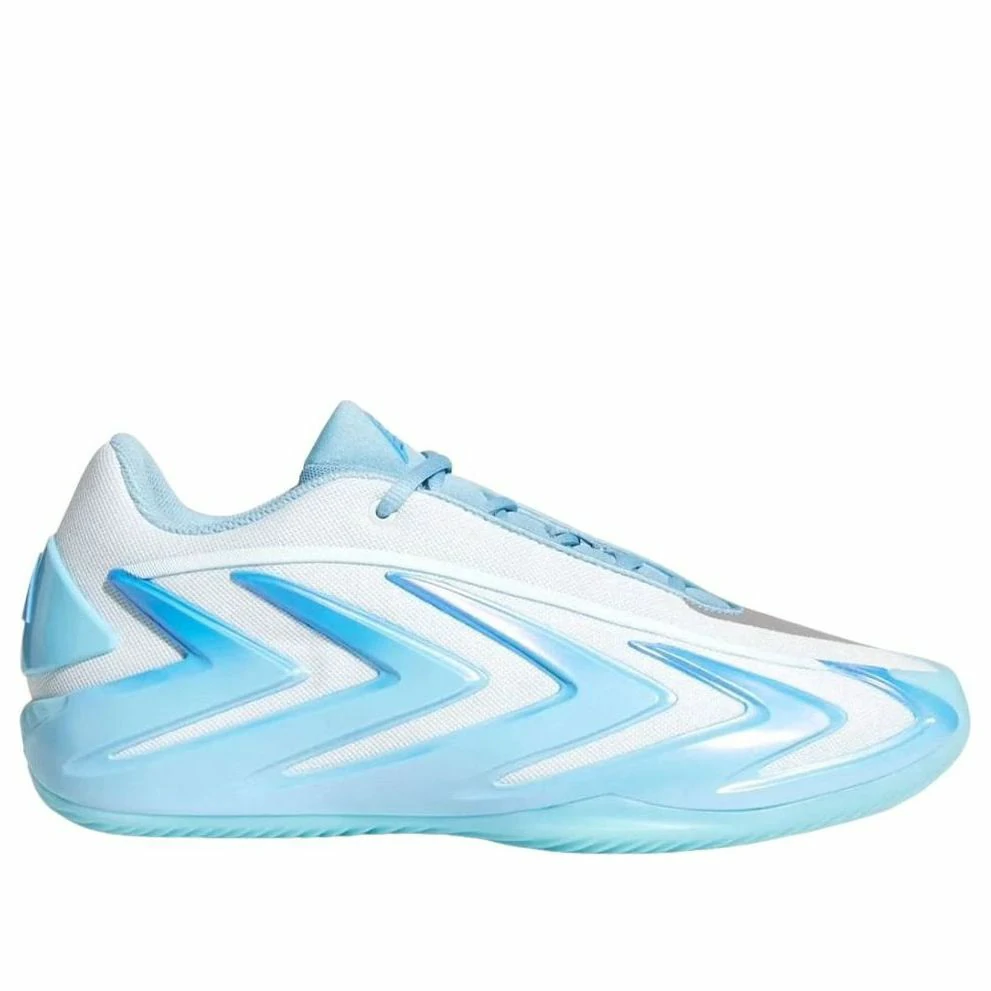
Search results for Samba Jane adidas Thailand pull in two very different things: real trading companies that export footwear out of Bangkok and Laem Chabang, and listings that borrow the phrase purely to sound like a factory. The shoe itself is a Mary Jane take on the Samba, with an instep strap and a low, flat sole, and it sells well in women's lifestyle accounts. Those two facts have almost nothing to do with each other.
This guide covers how to read origin claims on a listing, what to request from a Thai supplier Before you send a deposit, and how to build a landed cost that still leaves margin after freight and duty. It assumes you already know the shoe and want to source it, not the other way around.
Why Buyers End Up Searching That Phrase
Most independent stores get the Samba Jane through Adidas wholesale channels, not through overseas factories. The Samba Jane Adidas Thailand search usually comes from a buyer who wants either a lower unit cost or a size run their regular distributor cannot fill. Both are reasonable goals, and both are easy to get wrong.
Some Thai companies are legitimate exporters. They buy from licensed producers, hold stock, and ship mixed cartons to small accounts. Others advertise "factory direct" on a model they have never produced. The distinction matters far more on a branded shoe than on a blank sneaker, because branded production runs on contracts, audits, and allocation.
What a Thailand Origin Label Really Tells You
Adidas footwear is produced across a handful of countries, and Vietnam, Indonesia, China, India, and Cambodia account for most of it. Thailand is not a common country of origin for Adidas shoes. That does not make every Thai seller a fraud, since plenty of them trade in imported stock, but a listing that claims current Thai factory production of this model deserves a second look.
The fastest test is a photo of the inner size tag and the box label side by side, showing the same style code and the same production window. Ask for a short video of the actual pair being packed. A supplier who sends that without stalling is telling you something, and so is one who only forwards catalog images.
| Listing claim | What it usually means | What to ask for | Risk level |
|---|---|---|---|
| Factory direct, made in Thailand | Trading company, or a generic factory making unbranded copies | Inner tag photo, style code, production dates | High |
| Authorized Thai distributor | Sometimes real for regional stock, rarely valid for US-bound branded goods | Written authorization and territory limits | Medium to high |
| Overrun or stock lot | Mixed sizes, mixed seasons, no replenishment | Full size breakdown and per-style counts | Medium |
| Sample-ready, low minimum | They will source from a third party after you pay | Named factory, lead time, deposit terms | Medium |
Read that table as a set of questions, not verdicts. A trading company can be a perfectly good partner if you know that is what you are buying from. The problem starts when a trader markets itself as the plant.
The Checks I Run Before Any Deposit
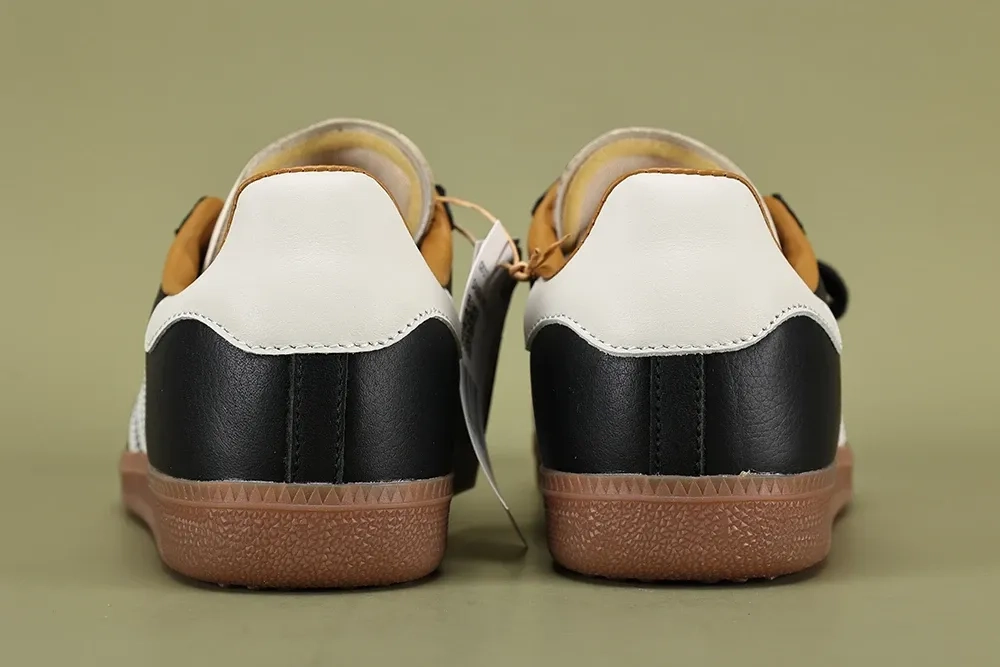
Nothing below replaces an inspection, but these steps remove most of the obvious risk before money moves. Run them in order and stop at the first evasive answer.
- Ask for the style code and compare it against the official product listing and the box label. A mismatch is a stop sign.
- Request photos of the inner size tag, the box label, and the outsole tooling on the same pair.
- Confirm which country appears on the tag, and ask the seller to explain any gap between that and the listing title.
- Get the size curve in writing: how many pairs per US size, and whether the run includes half sizes.
- Ask whether the stock is held in Thailand or drop-shipped, and who handles export paperwork.
- Request one paid sample shipped by air before discussing volume.
- Set payment terms with a deposit and a balance against a pre-shipment inspection, not a full transfer up front.
- Ask for two references from US or EU accounts, then actually call them.
A Samba Jane Adidas Thailand supplier who can answer all eight items in writing is worth a sample order. One who answers four and deflects the rest is telling you how the shipment will go.
When the sample lands, judge it against a pair you already own. Check the strap hardware, the stitch density on the toe, the sockliner print, and the box paper. Counterfeit Mary Jane conversions tend to fail on the strap and the last shape rather than on the upper material.
Building a Landed Cost You Can Sell Against
Quoted unit prices move with run size, colorway, and whether the seller holds stock or has to source it. Ask for a quote that separates the unit price, carton and packing cost, and export documentation. A single blended number hides where the money goes and makes it hard to compare two suppliers fairly.
Then add the pieces that are not in the FOB quote: air or ocean freight, insurance, US customs duty, port or broker fees, and inbound trucking. Footwear duty rates in the US vary by upper material and construction, and some categories carry rates high enough to wipe out a thin margin. Have a licensed customs broker classify the shipment before you set a retail price.
Minimum order quantities on branded lifestyle shoes are commonly quoted in the low hundreds of pairs per style and colorway, and mixed runs are sometimes negotiable. Treat any figure you hear, including that one, as a starting point and confirm it with the supplier in writing.
Sizing Details That Drive Returns
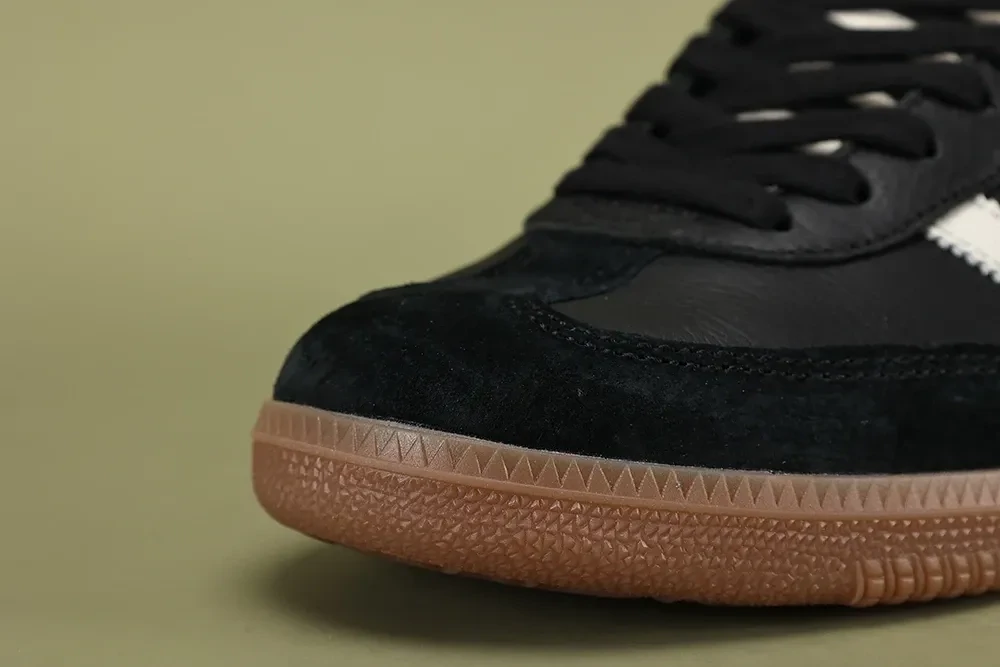
The Samba family runs narrow through the midfoot, and the Samba Jane keeps that profile while adding a strap across the instep. Buyers with wide feet often size up, which means your size run needs more depth in the middle sizes than a standard women's lifestyle buy. Stock full runs rather than broken ones, and expect the strap to make half sizes matter more than usual.
Confirm the sizing system on the box before you list anything. Pairs sourced through Asian distribution often carry EU or UK sizing as the primary label, and a sloppy conversion on your product page turns into a return. Use the official Adidas size chart as your reference, not a supplier's spreadsheet.
Red Flags Worth Walking Away From
Be wary of anyone who quotes a price far under market and explains it with "factory surplus." Surplus exists, but it comes in odd size breaks and short colorways, not in a clean full run of a shoe that is currently selling at full price. Pressure to pay by wire transfer or crypto within 24 hours is another hard stop.
Also watch for suppliers who cannot name the port of export or the freight forwarder they use. Legitimate exporters know both without checking. If the logistics story keeps changing between emails, the goods probably do not exist yet.
Questions Buyers Keep Asking
Is the Samba Jane actually made in Thailand?
Unlikely for current production. Adidas footwear production is concentrated in Vietnam, Indonesia, China, India, and Cambodia. Check the inner tag on any sample you receive, and treat a Thai factory claim on a current model as a claim to verify rather than a fact.
Can I buy a small test run of 30 to 50 pairs?
Sometimes, usually from traders holding stock rather than from producers. Expect a higher unit price and limited size breaks at that volume. Ask for the exact size curve before you agree, because a cheap 40-pair lot with no size 8 or 9 is not a useful test.
How do I check authenticity on a sample pair?
Compare the style code on the tag, box, and product listing. Look at stitch consistency on the strap, the sockliner print quality, and the shape of the toe. If the stakes are high, send photos to a professional authentication service before you scale the order.
What paperwork should ship with the goods?
At minimum, a commercial invoice, packing list, and bill of lading, with the country of origin stated correctly on each. Your customs broker will tell you what else applies to your entry. Confirm the document set before the container leaves, not after.
Does a Samba Jane Adidas Thailand order save money after duty?
Often less than buyers expect. Freight, duty, and broker fees can close most of the gap between an overseas quote and domestic wholesale. Run the full landed cost on a small order first, then decide whether the margin justifies the operational work.
Next Step
If you are sourcing this silhouette for a US store, start with one paid sample, one written quote with the cost lines broken out, and one call to a customs broker. Send us your target size run and colorways, and we will walk you through what a realistic quote looks like for your volume.