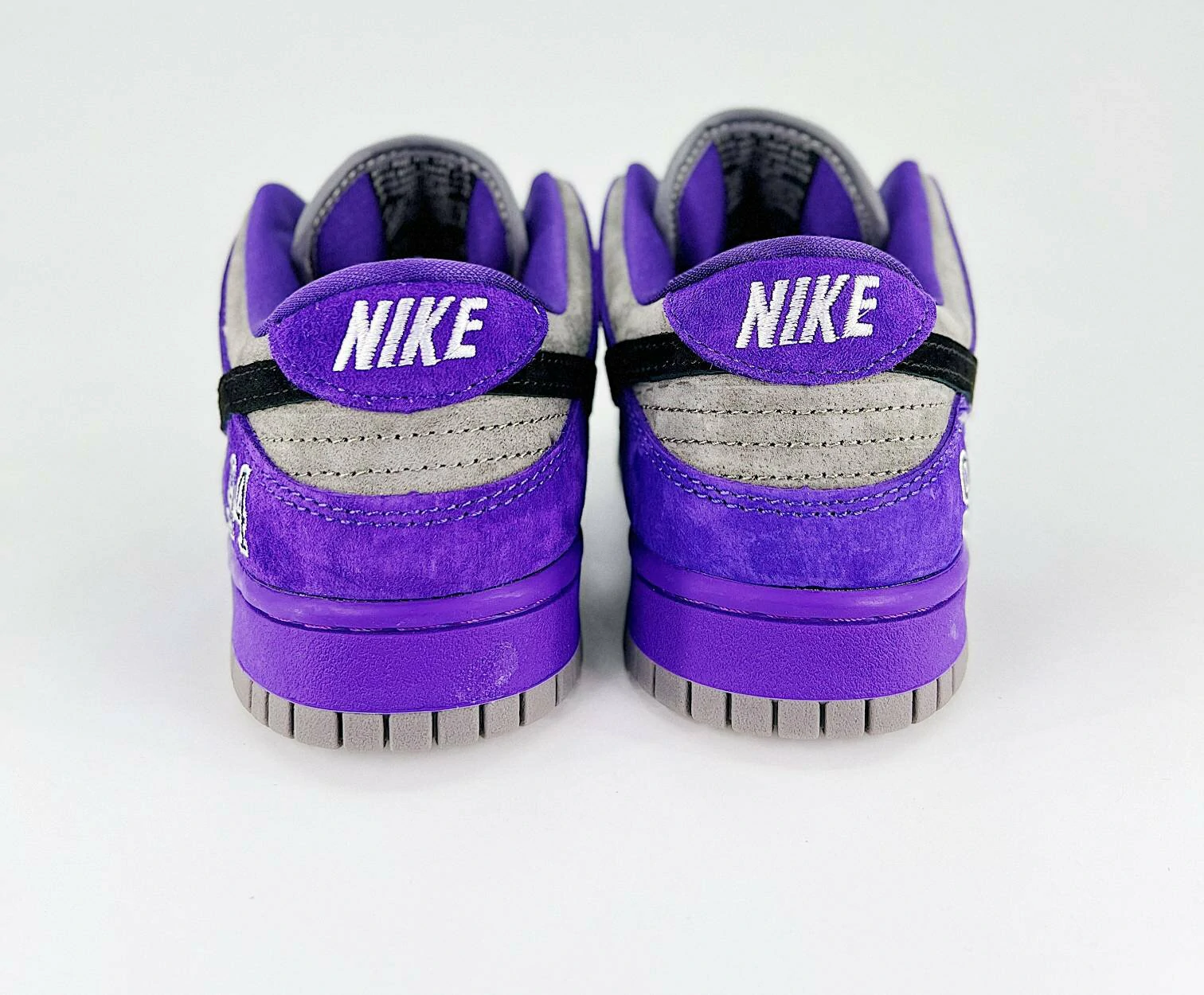
The Nike Air force 1 kids size chart is not one chart. Nike splits kids' footwear into three lines, and each line carries its own size range, its own box label, and its own fit behavior. Toddler runs 2C to 10C, preschool runs 10.5C to 3Y, and grade school starts at 3.5Y and stops at 7Y.
A missing letter suffix in a listing is enough to ship the wrong box. This guide covers what each size run means, how to measure a child's foot in about two minutes, and how to turn both into buy depth you can defend when the next order comes due.
What Each Kids Size Run Covers
The letters matter more than the numbers. A "C" points to children's sizing on toddler and preschool lasts. A "Y" means youth, built on a longer, wider last that sits closer to adult proportions. Anyone buying kids' footwear for resale needs to read those letters fast and without guessing.
Foot length is the only reliable cross-check. Nike lists centimeters on its official chart, and that figure is what you compare against a real measurement, not the age printed on the box or the size the parent remembers from last year.
| Segment | US size range | Typical age | Approx. foot length | Build notes |
|---|---|---|---|---|
| Toddler (TD) | 2C to 10C | 1 to 4 years | 3.5 to 6.5 in | Soft sole, hook-and-loop strap, easy entry |
| Preschool (PS) | 10.5C to 3Y | 4 to 8 years | 6.5 to 8 in | Firmer outsole, strap on most pairs |
| Grade school (GS) | 3.5Y to 7Y | 8 to 12 years | 8 to 9.5 in | Laced, adult-style upper, closest to men's sizing |
Ages and foot lengths above are typical ranges only. Confirm against the official size chart and measure the actual foot Before you commit inventory to a run.
Cross-check every pair you receive against the Nike Air Force 1 kids size chart before it reaches the shelf. Box labels and shoe labels disagree more often than most shops expect, especially on closeout and liquidation stock.
Where the Chart Ends and Fit Begins
Plenty of kids land about half a size down in the Air Force 1 compared with their running shoe size. The toe box is roomy and the leather upper starts stiff, so a chart-size pair can feel sloppy on a narrow foot.
Use the Nike Air Force 1 kids size chart to pick the starting size, then adjust for the foot in front of you. Wide, high-volume feet usually stay at the chart size. Narrow feet with a low instep often go down a half size once the strap or laces are snugged up.
Growth room is the other variable. Leave roughly 0.4 to 0.5 inch, about a thumb's width, between the longest toe and the end of the insole. Anything past that and the heel slips, which is the single most common reason a parent brings a pair back.
How to Measure a Kid's Foot Before You Sell
A Brannock device is nice to own, not mandatory. Paper, a pencil, and a ruler land within a few millimeters as long as the child is standing and wearing the socks they plan to use.
- Stand the child on a sheet of paper with the heel against a wall.
- Mark the tip of the longest toe and measure heel to mark in inches.
- Repeat on the other foot and size to the longer one, since most people differ by a half size.
- Measure late in the day, when feet are at their largest.
- Add growth room, then match the total against the official chart in centimeters.
Measure both feet every time you size a child in person. Kids under six can move a full size in four to six months, and a customer who bought in spring is often shopping a different size by fall.
Mistakes That Turn Into Returns
Returns on kids' shoes usually trace back to labeling, not to the shoe itself. Fix the listing and the return rate drops before you touch your inventory plan.
- Listing "size 10" with no C or Y suffix attached
- Converting UK or EU numbers by eye instead of using the official chart
- Assuming an Air Force 1 fits like the running shoe the child wore last
- Quoting a size from memory instead of the label inside the shoe
- Carrying one width in a market where a share of buyers need wide
- Forgetting that most toddler pairs are strap-only while grade school pairs are laced
Keep a printed conversion sheet at the register and paste the same table into every product page. Retail staff turnover is high, and a laminated chart catches the errors that a busy shift will not.
Building a Size Curve for a Kids AF1 Order
Kids' size curves are steeper than adult curves. The middle of each run carries the volume while the ends sit. On a grade school run of 3.5Y to 7Y, the 4Y to 6Y range usually moves fastest for a general-market store, and the 3.5Y and 7Y ends turn noticeably slower.
Ask suppliers for mixed-size runs rather than single-size cases. Use the Nike Air Force 1 kids size chart as your reference for what actually exists in each segment, then map it against last season's sell-through before you commit.
First orders should stay shallow and wide. One full size run at low depth tells you more about local demand than a deep buy in three sizes, and it keeps cash free for the next drop. Case packs and minimums differ by supplier and are often negotiable on mixed runs, so get the breakdown in writing before any deposit goes out.
Common Questions From Buyers
Do Air Force 1s run true to size for kids?
For many kids, yes, with a caveat. The roomy toe box and stiff leather upper mean narrow-footed children often size down half a size. Start at the chart size, check for heel slip, and only go down if the foot slides inside the shoe.
What do the C and Y on a kids size mean?
C is children's sizing, used on toddler pairs from 2C to 10C and preschool pairs from 10.5C to 3Y. Y is youth, used on grade school pairs from 3.5Y to 7Y on a longer last. A 3Y and a 3.5Y are different shoes, not two labels for one fit.
How much growing room should I leave?
About 0.4 to 0.5 inch between the longest toe and the end of the insole. Beyond 0.6 inch you get heel slip and heavy creasing at the toe. For toddlers, re-measure every three months, since growth arrives in uneven bursts.
Is the toddler version the same shoe as the grade school one?
No. Toddler pairs use a softer sole and a wide hook-and-loop strap. Preschool adds a firmer outsole. Grade school pairs switch to a laced, adult-style build. Same silhouette, different construction, which is why both the sizing and the wholesale cost change.
How do I convert a kids AF1 to a women's size?
Common practice treats a youth size as the same number in men's, so a 6Y is roughly a men's 6 and a women's 7.5. That is a rule of thumb, not a guarantee. Confirm on the official conversion table before you print that number on a listing.
Send over the segments you carry, the size range you need, and your target buy depth. We will reply with available runs, current pricing, and lead times so you can build a kids' Air Force 1 order that matches how your customers actually buy.