
adidas boxes sold in the US usually print US, UK, and EU numbers side by side, and those three labels do not always point to the same fit. The adidas shoes size chart in cm is the fastest way through that mess, because foot length holds steady while regional numbers shift. This guide covers what the centimeter column actually measures, a working men's conversion table, a measuring routine your staff can repeat, and the places where the numbers fall apart.
It is written for independent shop owners, online sellers, and buyers who quote sizes over the phone and pay for the return shipping when a pair goes wrong. Half a size of guesswork costs you twice, once on the return and once on the discounted resale.
What the centimeter figure on an adidas chart measures
Most people assume the cm column describes the length of the shoe. It does not. Adidas charts generally list foot length, measured from the back of the heel to the tip of the longest toe, with the foot standing and bearing weight. The shoe is longer than that number, often by a full centimeter or more, because the last and the toe box need clearance in front of the toes.
That gap matters when a customer measures an insole and compares it to the chart. An insole pulled from a well-fitting pair usually reads 5 to 10 mm longer than the foot length listed for that size. Treat insole length as foot length and you will sell everyone a half size too small.
Typical men's conversions at a glance
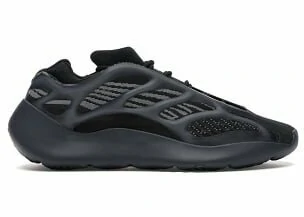
The adidas shoes size chart in cm below is built on the men's ladder, since most unisex pairs in a shop are sold that way. The EU column uses adidas's two-thirds steps, which is why the numbers look strange next to brands that run whole sizes.
| US men's | EU | UK | Foot length (cm) |
|---|---|---|---|
| 6 | 38 2/3 | 5.5 | 24.0 |
| 7 | 40 | 6.5 | 25.0 |
| 8 | 41 1/3 | 7.5 | 26.0 |
| 9 | 42 2/3 | 8.5 | 27.0 |
| 10 | 44 | 9.5 | 28.0 |
Treat the table as a starting point, not gospel. Adidas publishes separate charts for men, women, and youth, and the figure attached to a size can move by a few millimeters between silhouettes. Values here are typical and rounded, so confirm against the current official chart or your supplier before you print shelf labels. The progression runs close to 0.5 cm per half size, which makes counter math easy: two half sizes is about one centimeter.
How to measure a foot in cm without guessing
A repeatable measurement beats a confident opinion. Give staff one method and use it every time a customer asks whether a pair will fit.
- Place a sheet of paper on a hard floor, not carpet, with one edge tight against a wall.
- Have the customer stand with the heel against the wall and weight spread evenly across both feet. Seated measurements come out short.
- Mark the tip of the longest toe, which is not always the big toe.
- Measure from the paper edge to the mark in centimeters, then repeat on the other foot.
- Use the longer foot and add 0.5 cm of allowance for socks and natural swelling.
- Measure late in the day when possible, since feet spread as the hours pass.
For restocking, a faster method is to pull the insole from a pair the customer already wears and measure it flat. Subtract roughly 5 mm to get back to foot length, then compare that against the chart. It is less precise than the paper method but good enough to settle a half size argument on the sales floor.
Width gets lost in all of this. The cm figure describes length only, so a wide foot at the correct length can still need a half size up in a narrow silhouette. Ask about width before you recommend anything.
Where the numbers stop being reliable
Women's sizing is the first trap. Women's labels run about 1.5 sizes above the men's number for the same foot length, so a women's 8.5 sits close to a men's 7 at roughly 25 cm. Unisex pairs such as the Superstar or Campus follow the men's ladder, which is why a woman who wears an 8 in a women's-specific runner often lands in a 6.5 or 7 in a unisex pair.
Kids and youth sizing drifts even more, and youth charts do not line up neatly with adult numbers at the top of the range. Football and rugby boots are their own problem, since many players go up half a size and the narrow last makes length alone a poor guide. This is the point where the adidas shoes size chart in cm gives you a range, and the specific model decides the rest.
Model-to-model variation is real. A Samba, an Ultraboost, and a Forum all read differently on the same foot, and knit uppers forgive more than a structured leather toe box. Keep notes on the silhouettes you sell most, recording the size customers actually buy for a given foot length.
Putting centimeters to work on the floor and in purchasing
Print a copy of the adidas shoes size chart in cm and keep it at the counter and in your purchasing folder. Staff can settle a size question in ten seconds instead of guessing, and online listings can show foot length next to US size, which cuts the most common return reason.
When you talk to a supplier, ask which labels appear on the box and whether the centimeter figure is foot length or internal shoe length. Suppliers who cannot answer that clearly are worth a second look. Ask for the size run by EU number too, since EU is the most consistent label across production batches.
- Which sizes are printed on the box: US, UK, EU, or all three?
- Does the cm figure describe foot length or shoe length?
- Can you confirm the run by EU number?
- Do the shoe labels, box label, and carton label agree on size?
Label checks help with more than sizing. Mismatched size printing, a cm value that contradicts the chart, or a carton label that disagrees with the shoe are all reasons to slow down and verify the pair. None of those alone proves a fake, so send anything suspicious to a professional authentication service before it reaches your shelf.
Common questions from buyers
Is adidas true to size in centimeters?
Generally yes. Most adult pairs, including the Ultraboost and Superstar, land close to the chart if you measure foot length properly and add about 0.5 cm. Football boots, narrow silhouettes, and some lifestyle models run short or tight. Compare against the model-specific chart and your own notes instead of assuming one universal fit.
How many centimeters is a US 9 in adidas?
Roughly 27 cm of foot length on the men's chart, which corresponds to EU 42 2/3 and UK 8.5. Women's charts place a US 9 closer to 25.5 or 26 cm. Use these as reference points and confirm against the current official chart, because the figure can shift slightly between silhouettes and chart updates.
Should I size up when a foot falls between two rows?
Go up. The cm column has no half step, and extra room is easier to live with than a compressed toe box. For narrow models or wide feet, add another half size and mention the break-in period. Never size down to correct a length problem, since that only moves pressure onto the toes.
Why does the box show a different cm value than the chart?
A published adidas shoes size chart in cm is a reference, not a guarantee. Box labels and online charts are not always updated on the same schedule, some models use a different last, and packaging varies by region. Trust the official chart for that model plus your own measurement, and use the box figure as a secondary check.
Still working out which size runs to stock? Send over the silhouettes your customers ask for most and the foot lengths they quote, and our team will help you build a size curve that fits your market. Ask for current availability and confirm sizing details before you commit to a carton.