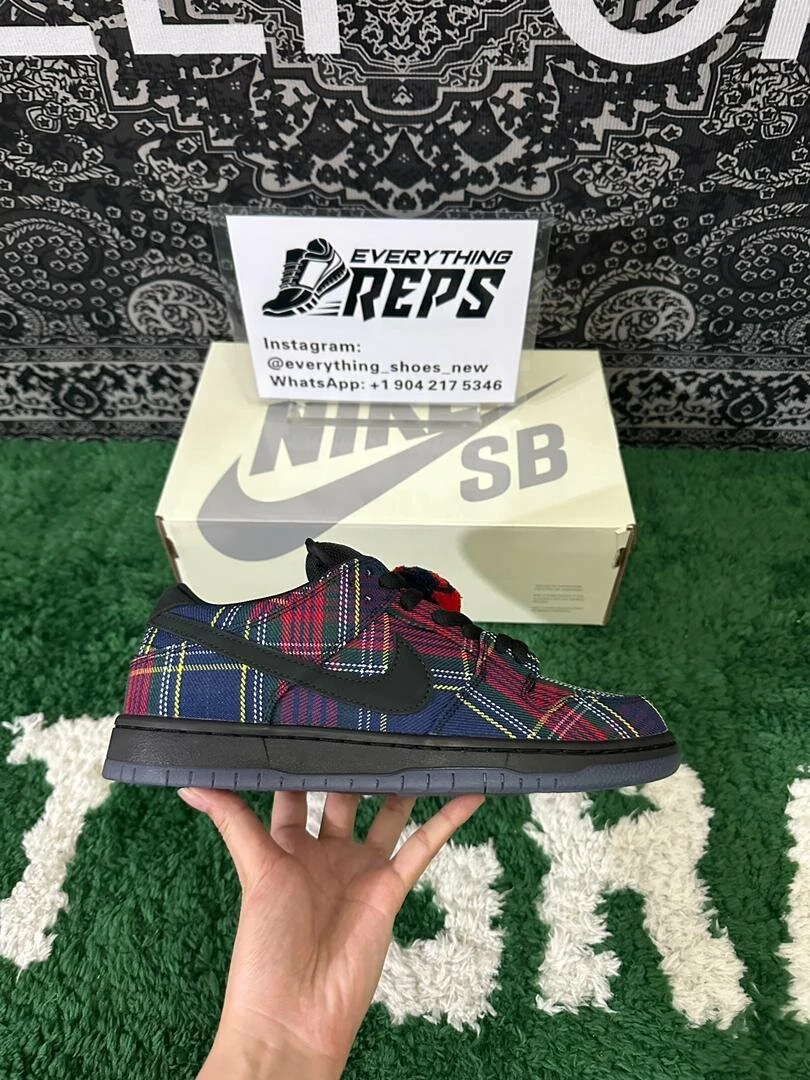
Product listings for the nike low dunk pale ivory usually describe a women's lifestyle Dunk Low in a soft off-white and pale ivory mix. For an independent shop, the decision is less about hype and more about whether the colorway fits your customer, your shelf, and your Reorder plan. This guide covers what the shoe is, how it fits, what to check before you buy stock, and where retail buyers commonly get burned.
What the Colorway Is and Who It Suits
Most pairs sold as the nike low dunk pale ivory sit in the Dunk Low lifestyle line, not the SB skate line. That distinction matters because SB Dunks use a different last, padding package, and tongue. A standard Dunk Low is a casual shoe with a flat sole, low collar, and a shape that has stayed close to the original basketball silhouette.
The pale ivory treatment is neutral, but it is not a pure white shoe. Expect slight variation between panels, especially on suede or nubuck overlays if the pair uses them. Under store lighting, the difference can look larger than it does on foot. Photograph pairs under daylight before you list them, and show any visible shade shift instead of hiding it.
A neutral Dunk Low moves well with customers who want an everyday sneaker that does not read as a statement piece. It suits business-casual outfits, school rotations, and buyers who already own louder Dunks and want a quieter pair. In a US shop, that often means women's lifestyle customers and men who size down or wear smaller men's sizes.
It is a weaker fit for skate customers who need SB-specific cushioning, and for anyone who wants a crisp all-white shoe. Pale ivory shows dirt at the collar and toe, and some customers will expect a shoe that hides wear better. If your floor traffic skews toward heavy workwear or performance running, do not force this colorway into that space.
Sizing, Fit, and Exchange Risk
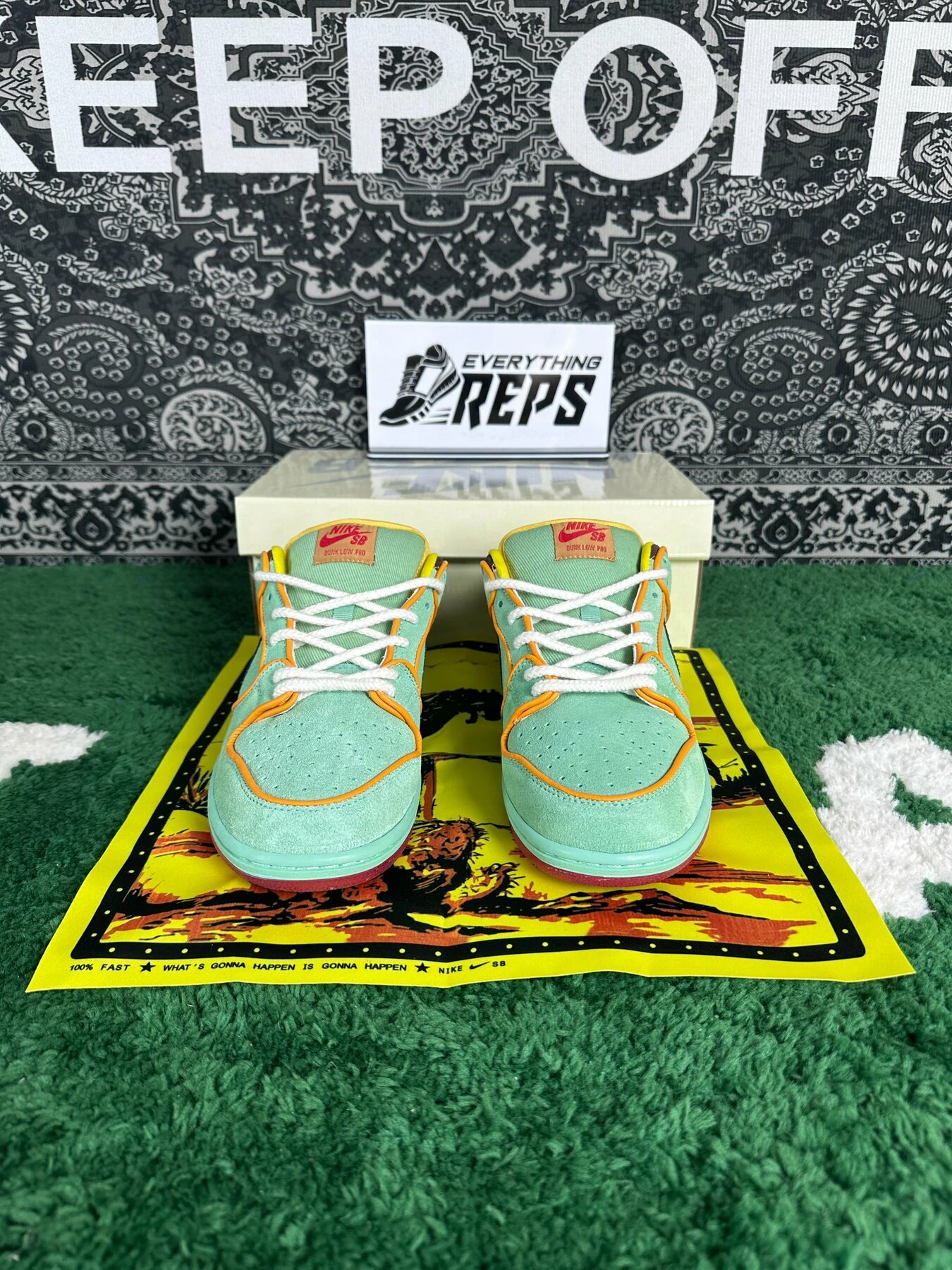
For the nike low dunk pale ivory, start with the standard Dunk Low fit rather than treating it as an SB Dunk. The common retail read is a true-to-size feel, but toe shape and width matter more than the size label. Customers with wide feet often need a half size up, while customers who wear thin socks may prefer their usual size.
Do not promise a universal fit. Ask customers for their measured foot length and compare it with the official size chart, because Nike's women's and men's charts use different numbering. Keep a simple return policy for online orders and inspect exchanges for creasing before you restock them.
| Buyer type | Usual Dunk Low choice | What to watch | Stock note |
|---|---|---|---|
| Narrow, average foot | Usual US size | Heel slip if half up | Core sizes move fastest |
| Wide forefoot | Half size up | Toe box pressure | Offer exchange, not blind preorder |
| Women buying men's sizing | 1.5 sizes down from women's | Chart mismatch | Label sizes clearly |
| Skate customer | SB Dunk fit, not standard | Different padding | Do not substitute |
Materials, Color Match, and Authenticity Checks
A counterfeit pair of the nike low dunk pale ivory often fails on small details before it fails on overall shape. Check the toe perforations, the spacing of the eyelets, the heel embroidery, and the insole print. On pale colorways, glue stains and mismatched panel shades are easier to spot, so use bright light and take close photos.
Ask suppliers for actual photos of the pair you will receive, not catalog images. A legitimate wholesale listing should be able to show the size tag, box label, and a close-up of the stitching. If a supplier refuses those basics, treat it as a sourcing risk, not a test of your negotiating skill.
Color matching matters more on ivory than on black or white. Two pairs from different production windows can look slightly different side by side, and customers will notice under store lighting. Build a small buffer into your listing language, such as "soft ivory tone may vary slightly by pair," and keep your own reference photos consistent.
Stock Planning, Pricing, and Supplier Checks
Treat the nike low dunk pale ivory as a controlled test before you treat it as a core style. Order a narrow size run, track sell-through by size, and reorder only after you see consistent demand. A neutral shoe can sell steadily without producing the opening-weekend spike that a limited colorway creates.
Use a simple scorecard for each supplier: fill rate, pair condition, box condition, and how fast they answer size-specific questions. Those factors affect your margin more than a small unit-price difference. If a supplier cannot confirm what is in stock, a low quote is not a real quote.
Run this check before you commit to a purchase order. It is written for shops that need to protect cash flow, not for collectors chasing a single grail.
- Confirm whether the listing is standard Dunk Low or SB Dunk.
- Ask for the exact US size run and whether sizes are mixed by production batch.
- Request real photos of the toe box, heel, size tag, and box label.
- Check the supplier's return policy for color mismatch and visible glue marks.
- Compare landed cost against your planned retail price, including shipping and any duties your broker confirms.
- Start with a shallow size run and reorder after two weeks of sell-through data.
Do not use the checklist as a substitute for your own sales data. Ask what sold in similar neutral Dunks, then compare that pattern with the size run the supplier can actually deliver.
Specific prices for this colorway move with size, condition, and supply, so any quote is only a starting point. Ask for a landed-cost breakdown that includes shipping to your door and any import charges your customs broker identifies. Keep the comparison on the same size run and the same box condition, or the numbers will mislead you.
When you talk to a supplier, lead with the details that separate a real wholesale conversation from a retail flip. Ask about case packs, mixed-size options, and whether they can hold a reorder for a specific size. Do not name a target margin before you know the landed cost. For any duties or clearance questions, confirm with a licensed customs broker rather than relying on a supplier's summary.
FAQ
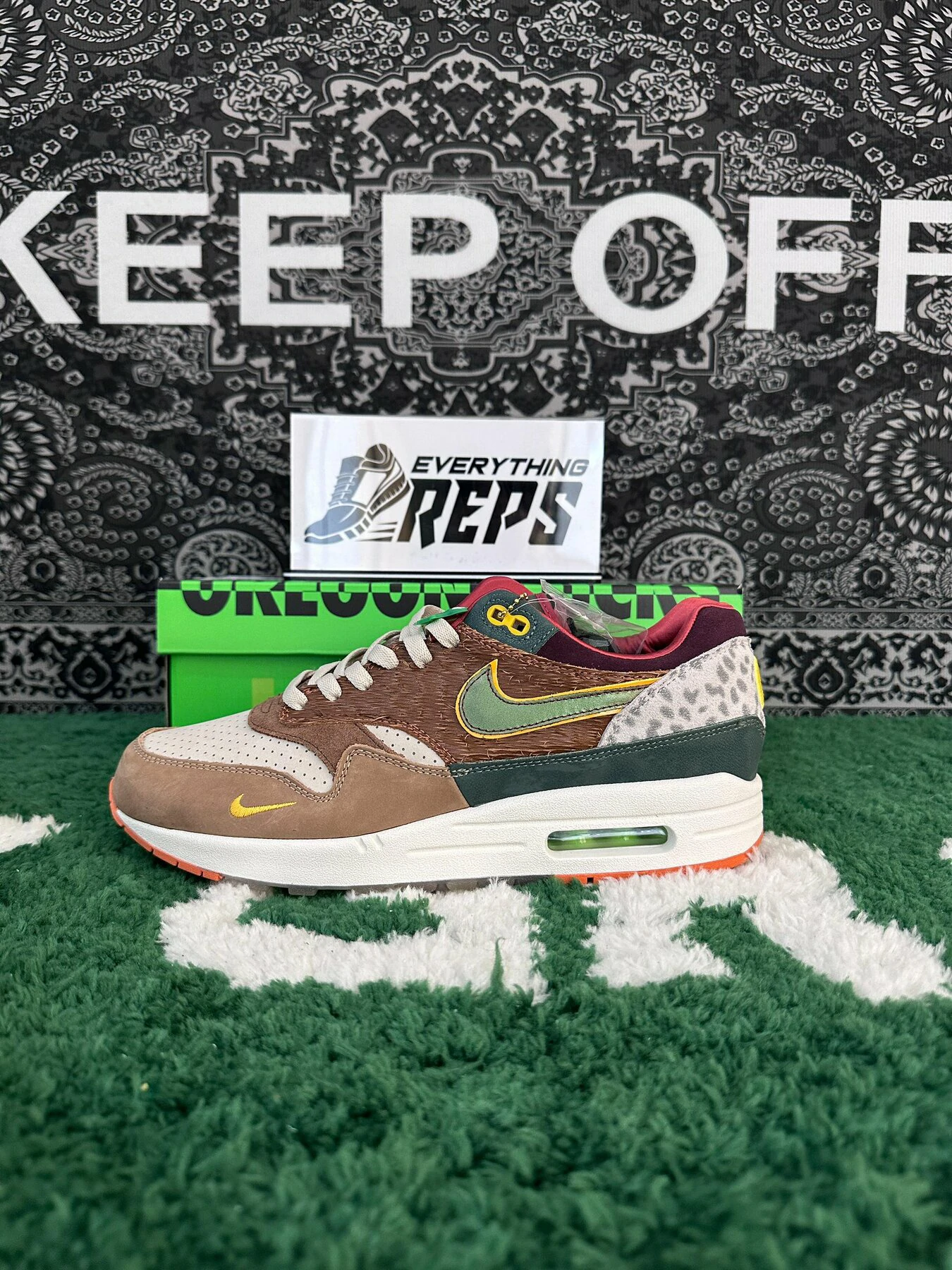
Is the standard Dunk Low the same as an SB Dunk?
No. The standard Dunk Low and the SB Dunk use different padding, tongues, and sole setups. The SB version is built for skate use and often fits differently. If a customer asks for an SB Dunk, do not substitute a standard lifestyle pair just because the colorway looks close.
How should I handle color variation between pairs?
Photograph each pair or each batch under daylight, note any visible shade difference, and keep your listing language honest. Ivory and pale tones can vary by panel and production window. A clear note and real photos reduce returns more effectively than a strict no-return policy.
What should I check on a supplier invoice?
Check the style code, size run, unit count, box condition, and whether the price is landed or ex-works. Ask what happens if a size is missing or a pair arrives damaged. Keep the invoice and photos together so a claim does not turn into a memory test.
Can I sell this colorway year-round?
Neutral colorways usually have a longer selling window than seasonal brights, but demand still depends on your local customer. Watch sell-through for four to six weeks before you commit to a deep buy. Reorder the sizes that actually sold, not the sizes you wish had sold.
If you are planning a test order, send your target size run and ask for current availability, real photos, and a landed-cost quote. A good supplier will answer those questions before asking for payment.