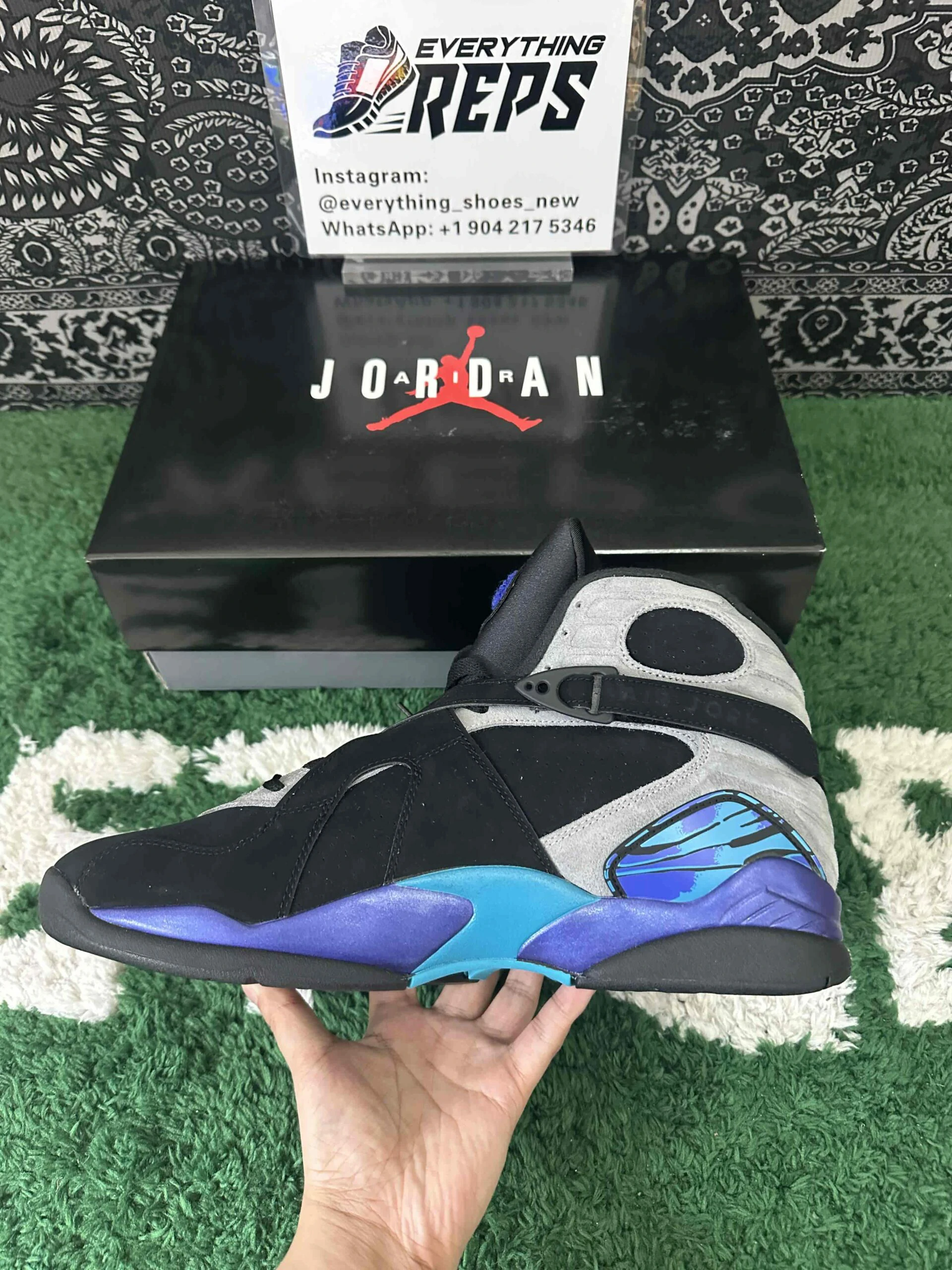
When a customer says "show me the new jordans," they are not asking for a catalog. They want the last four to eight weeks of releases, in their size, on a shelf they can reach. The buying decisions behind that moment separate a shop that turns inventory four times a year from one with dead stock stacked in the back room.
This guide covers how independent shoe stores and online sellers should evaluate new Jordan releases: what counts as new, how the core models fit, how deep to buy each drop, and what to verify before you pay a supplier.
What Counts as New in the Jordan Lineup
Jordan Brand runs on a rolling release calendar. Retro OG colorways, fresh retro colorways, collaborations, women's exclusives extended into larger sizes, and the current signature model all land in the same window. A release calendar is the only reliable way to answer a request to show me the new jordans without guessing.
For buying purposes, new means still inside the allocation window, roughly the first 60 to 90 days after launch. After that, the same pair becomes a restock conversation or a closeout conversation. Knowing which stage a colorway sits in tells you more about sell-through than any social post.
One more distinction matters. A retro OG colorway returning after several years behaves differently from a brand-new colorway on the same silhouette. The OG carries built-in demand from everyone who missed it the first time. A new colorway has to earn its shelf space on its own merits.
How the Core Models Fit
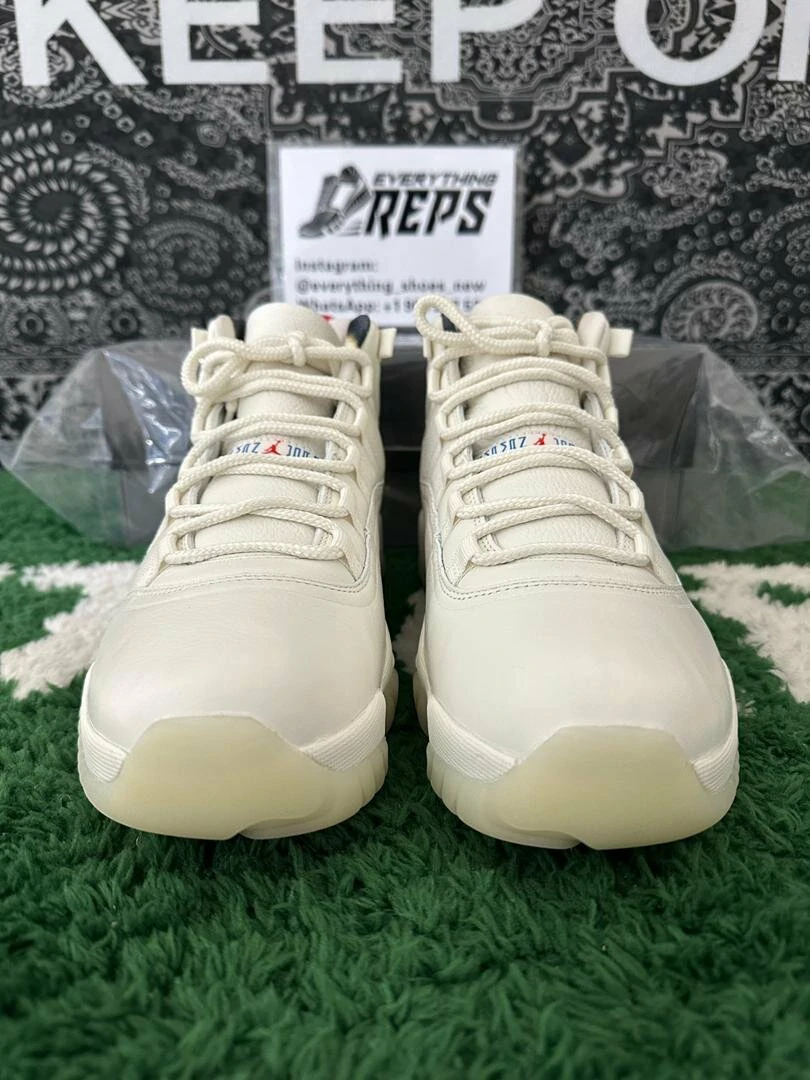
Fit drives returns, and returns eat the margin on a $150 to $200 shoe. The patterns below reflect what most shops report, but always confirm details against the official size chart and let customers try pairs on when your return policy allows it.
| Model | Common fit note | Sizes that move first | Buy depth guidance |
|---|---|---|---|
| Air Jordan 1 High | True to size for most; stiff leather early on | US 9 to 11 | Moderate depth across the run |
| Air Jordan 3 | True to size, roomier toe box | US 9 to 11, then 8 and 12 | Moderate; wide-foot friendly |
| Air Jordan 4 | Snug through the midfoot; many go up half a size | US 9 to 10.5 | Depth on core sizes, light on extremes |
| Air Jordan 11 | True to size; narrow feet sometimes go down half | US 9 to 11 | Deep when drops cluster near the holidays |
| Air Jordan 12 and 13 | True to size with a wider platform | US 9 to 12 | Moderate; holds up through winter |
Size spreads matter more than total units. A run missing US 9.5 and 10 will sit no matter how strong the colorway is. Ask every supplier for a full size breakdown before you approve a case pack, and confirm whether substitutions are allowed.
Women's exclusives deserve a second look. Many run up to men's size 12 and beyond, which widens your customer base without adding a new SKU to the wall. If your traffic skews female, that is leverage rather than a niche.
Reading the Release Calendar Without Overcommitting
A calendar is a menu, not a shopping list. When a rep offers to show me the new jordans for the coming quarter, the useful question is which three colorways fit your price band and size curve, not how many drops exist.
Set a cap before you open the calendar. A common approach is to hold each drop to a small share of open-to-buy, then review sell-through at four weeks. Pick the percentage that fits your cash flow rather than copying another store's number.
Speed counts as well. If a colorway is trending, the window to capture demand is short, and a late reorder lands after the moment passes. Plan restocks for the two or three sizes you know will clear, not for the whole run.
A Pre-Order Checklist for Small Shops

Run this before you commit to any drop. It takes ten minutes and saves weeks of markdowns later.
- Confirm the colorway's status, upcoming, live, or restock, on the official release calendar.
- Pull your last twelve months of Jordan sell-through by model and size.
- Request a full size breakdown, not just total unit counts.
- Get authentication and return terms in writing.
- Build landed cost with freight, insurance, and duties included.
- Check the supplier's references and past order history.
- Set a markdown date before the stock arrives.
Item five is where new buyers get hurt. Landed cost includes freight, insurance, and whatever duty a broker confirms applies to your shipment. Get the classification and rate from a licensed customs broker instead of accepting a supplier's estimate, since tariff treatment changes and errors are expensive.
Item two deserves real attention. If your records show that US 11 and 11.5 account for a third of your Jordan sales, buying flat across the run guarantees leftovers. Depth on proven sizes beats breadth on every size.
Sourcing Channels and What to Verify
There are three realistic channels: authorized accounts, licensed wholesale distributors, and the secondary market. Each carries a different cost structure and a different risk profile, and mixing them without tracking performance per channel hides the ones losing money.
Authorized accounts offer the best pricing and full authenticity protection, though allocation is not guaranteed and applications take time. Distributors and wholesale suppliers fill gaps, but the quality of paperwork varies widely. Secondary market sourcing is the fastest route to a hot colorway and also the easiest place to buy a fake.
None of this works if the sales floor is disorganized. Staff should be able to show me the new jordans in under a minute, and that only happens when pairs are out and the team knows the names. Train five facts per model: silhouette, colorway nickname, retail price, release date, and what makes this version different.
Authentication basics apply to every channel. Check stitching density, the size tag's font and placement, the midsole paint line, and whether the box label matches the shoe. When anything feels off, pay for a professional legit-check before listing. One bad pair can cost you a regular customer permanently.
Frequently Asked Questions
How often are new Jordans released?
New colorways arrive most weeks, with clusters around seasonal and holiday periods. The exact cadence shifts by quarter and region, and dates move more often than buyers expect. Work from the official release calendar rather than a supplier's list, and re-check it weekly before you finalize any purchase order.
Do the new Jordans run true to size?
Most retro models run close to true to size. The Air Jordan 4 runs snug through the midfoot, while the Air Jordan 3 feels roomier in the toe. Wide-footed customers often size up half. Confirm on the official size chart and let buyers try pairs when your policy allows it.
Should a small shop stock every new release?
No. Three well-chosen drops outperform ten scattered ones. Match each colorway to your customers' price band, size curve, and style, then review sell-through at four weeks and reorder only the sizes that moved. Cash tied up in the wrong colorway is cash you cannot spend on the next one.
How do I check a wholesale supplier before paying?
Ask for business registration, past invoices, and references you can call. Get authentication and return terms in writing, then start with a small test order. Use a payment method with buyer protection. Prices far below normal wholesale levels are a warning sign rather than a bargain, so walk away and verify.
How should I compare wholesale and retail pricing?
Wholesale pricing on retro Jordans typically sits well below retail, but the gap depends on channel, volume, and freight. Model your margin on landed cost rather than sticker price, treat any range you hear as a planning figure, and confirm every number with the supplier before you commit.
Buying the newest Jordans well is a discipline, not a lucky guess. Send us your size curve, the models you are chasing, and your target landed cost, and we will reply with current availability and terms. The next time a customer asks you to show me the new jordans, you will have an answer on the shelf instead of a promise.