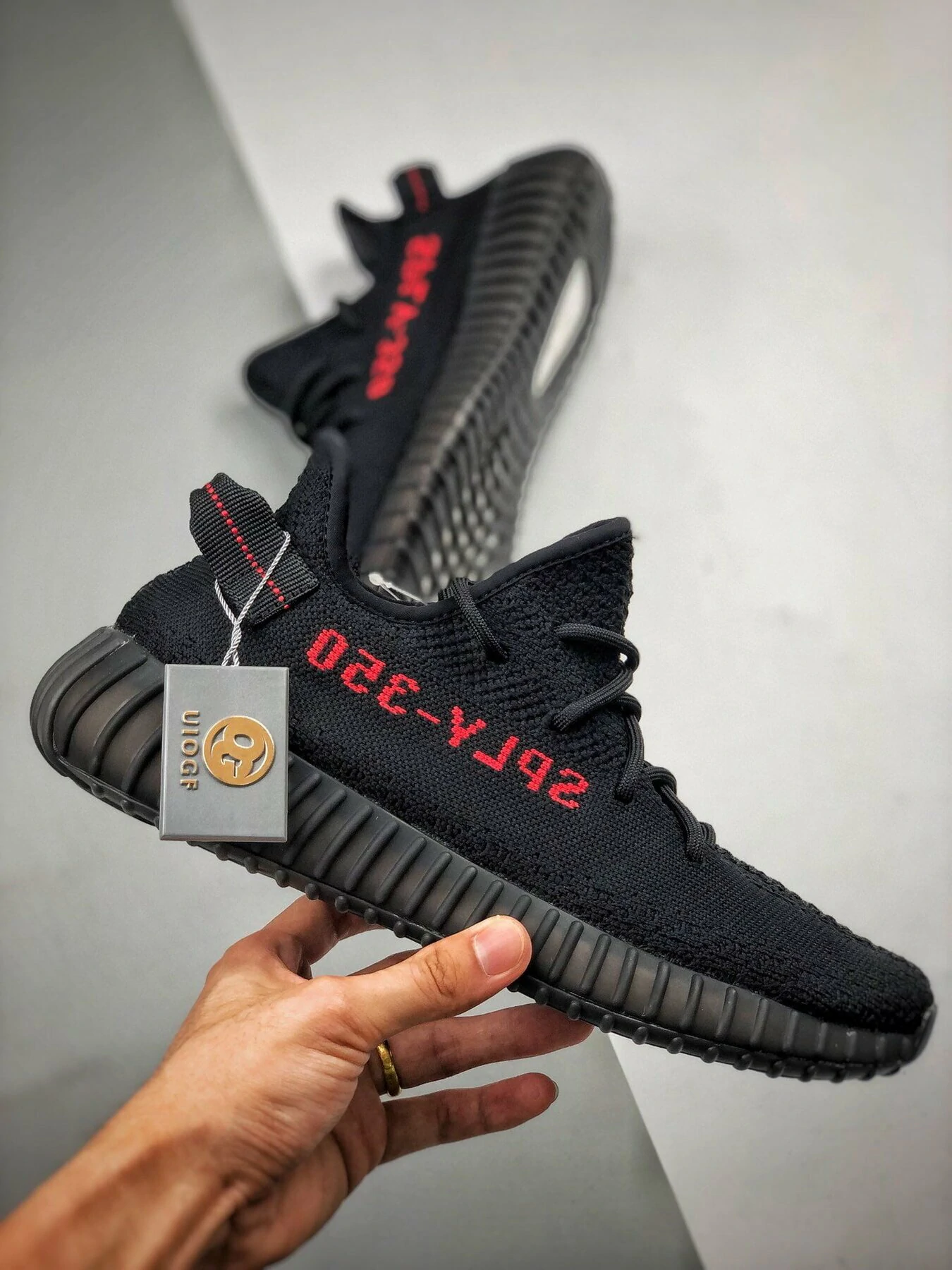
Parents walk in asking for the kids' toy story adidas samba by name, usually with a phone screenshot in hand. It is a small-size Samba dressed in Toy Story styling, and it sells on character appeal rather than on the Samba's usual reputation. That one fact should shape how you buy it, price it, and display it.
What follows is a buyer's breakdown: what the shoe actually is, where kids' Samba sizing goes wrong, what to inspect in hand, and how to source themed pairs without sinking cash into a size run that stalls on the shelf.
What the Shoe Actually Is
The Samba began as an indoor football shoe and turned into a lifestyle staple. Kids' versions keep the low profile and the T-toe overlay but usually soften the upper and simplify the closure for small hands. A Toy Story edition layers character color and graphics on top of that base.
Themed runs like this tend to be short. Distribution is uneven by region, and a colorway that sat in one market can be gone in another within weeks. Before you place a bulk order, ask the supplier for the style code on the size tag and match it against adidas' own product page.
Who Buys It, and Who Does Not
The core buyer is a parent or grandparent shopping for a child roughly three to eight years old, often around a birthday or a movie release. Gift buyers are a big slice, which means the shoe competes with toys, not just with other sneakers.
Buyers who will not convert: parents shopping for uniform compliance, and adults hunting a Samba for themselves. Keep a plain black or white kids' Samba next to the themed pairs so those customers have somewhere to land. A themed kids' toy story adidas samba display works best as a two-pair story, hero shoe plus basics.
Sizing and Fit: Where Returns Come From
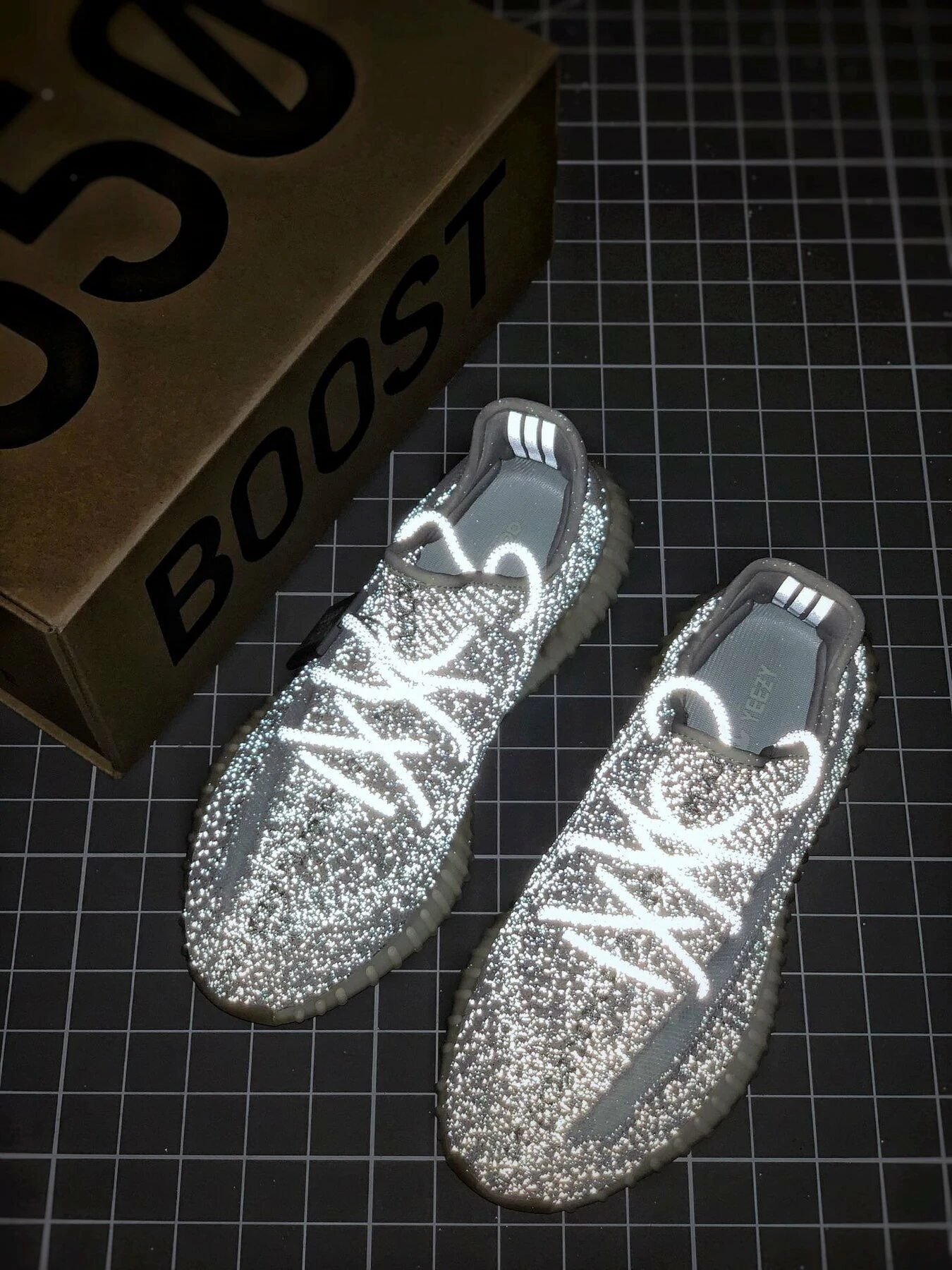
Kids' Samba sizing drives more returns than quality does. The size bands change naming at awkward points, and parents routinely guess. When a parent asks whether the kids' toy story adidas samba runs true to size, the honest answer is that it fits like the standard kids' Samba, and the band matters more than the number.
Use the table below as a counter reference, then confirm against adidas' published size chart before you print anything.
| US size band | Typical wearer | What goes wrong |
|---|---|---|
| 2C to 10C (toddler) | Roughly ages 2 to 4 | Parents buy a full size up and the shoe slips off the heel |
| 10.5C to 3Y (little kids) | Roughly ages 4 to 8 | Half sizes thin out, so kids between bands get squeezed |
| 3.5Y to 7Y (big kids) | Roughly ages 8 to 12 | Buyers assume youth sizing equals adult width, which it does not |
Two habits cut returns. First, measure the child's foot in centimeters and compare that to the chart, not the age. Second, check where the half sizes stop at the top of each band, because a kid sitting between bands often has to move up.
Width is the quiet issue. A chunky or wide foot in a low-profile Samba can rub at the little toe, and no amount of break-in fixes a shell that is too narrow. Ask parents about width before they leave the counter.
What to Inspect in Hand
Open one pair from every lot you receive and run the same checks each time. Ten minutes at intake saves a week of arguments later.
- Toe shape: the T-toe overlay should sit symmetrical, with even stitching tension on both shoes.
- Size tag: style code and size should be crisp and match the box label exactly.
- Midsole paint: look for bleed onto the upper or a wavy edge along the foxing tape.
- Insole print: character graphics should be sharp, not fuzzy or dot-matrix.
- Closure: check laces, elastic, or strap hardware depending on the size band.
- Pair consistency: stand both shoes side by side and compare toe height and heel shape.
Photograph anything that fails. Suppliers resolve claims faster with a clear photo of the defect next to the size tag than with a paragraph of complaint.
Sourcing Channels and What They Cost You
Three channels supply most of this inventory in the US, and each behaves differently on cash flow. Authorized wholesale gives you clean product and returns support, but allocation for themed kids' runs is thin and you rarely get the full size curve.
Closeout and liquidation lots offer better unit margins. The trade-off is a size curve you did not choose, plus condition questions on boxed product. Marketplace sourcing fills gaps but costs the most per pair.
| Channel | Typical order size | Margin picture | Verify before paying |
|---|---|---|---|
| Brand wholesale or authorized distributor | Case packs, often dozens of pairs | Thinner margin, cleaner returns | Account status and allocation terms |
| Closeout and liquidation lots | Mixed sizes, case or pallet | Better margin, uneven risk | Style codes, size curve, condition of boxes |
| Marketplace and resale sourcing | Single pairs to small lots | Highest cost, useful for fills | Seller history, tag photos, authenticity |
Model your margin on landed cost, not on the invoice price. Freight, duty, and payment fees on small lots can eat a double-digit share of the spread, and rates move by lane and season. Confirm current duty treatment with a customs broker rather than relying on a supplier's summary.
Order small the first time. A two-case test tells you more about sell-through in your neighborhood than any trend report, and it keeps your first kids' toy story adidas samba order from becoming a shelf fixture.
Spotting Lookalikes
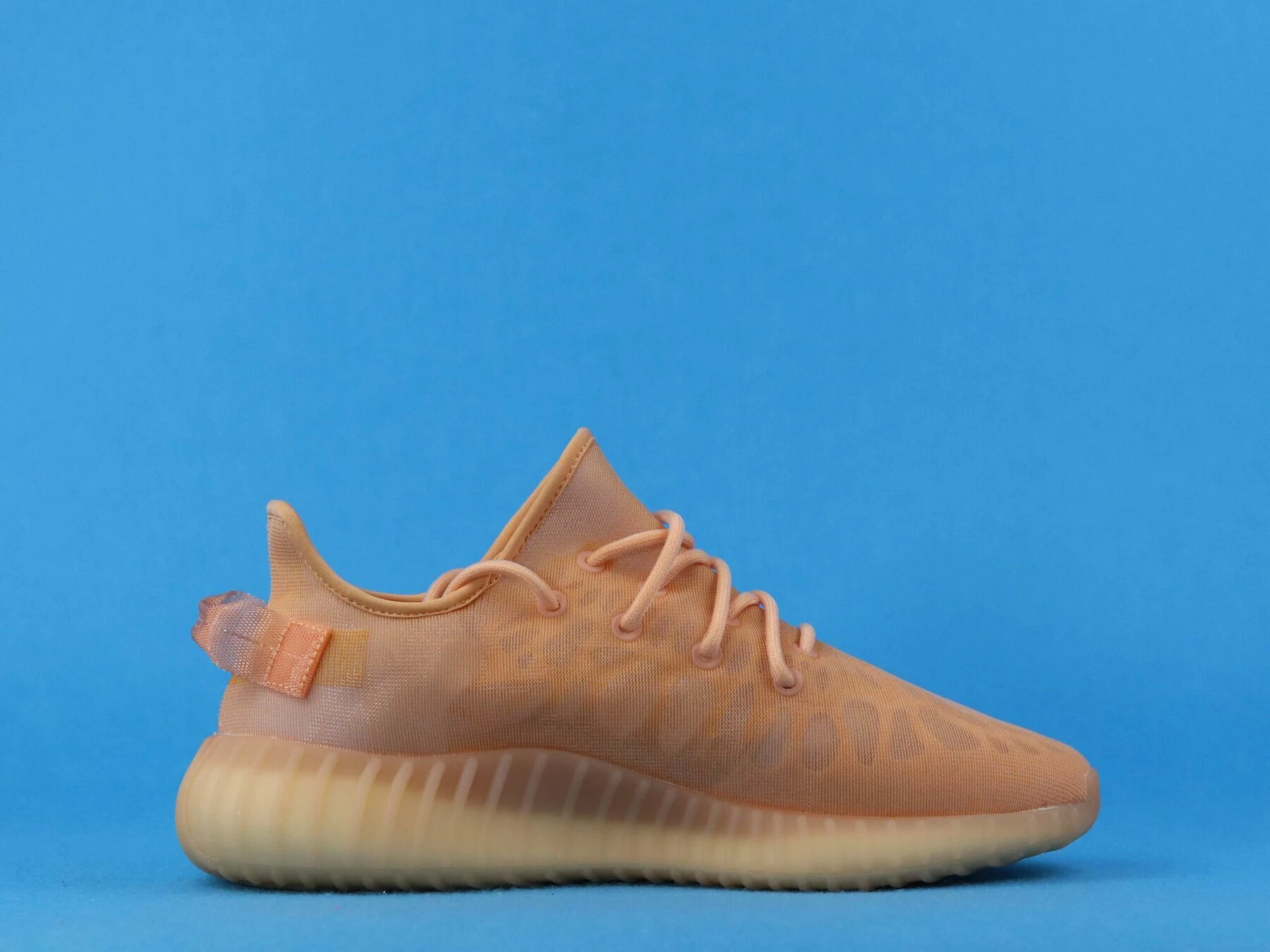
Character graphics are easy to copy, so themed kids' shoes attract fakes and gray-market lookalikes. Counterfeit kids' toy story adidas samba pairs usually fail on small details: soft tag printing, muddy character print, and a box label that does not match the shoe.
Run a three-step check. Compare the style code to adidas' product page, compare the tag font and placement to a pair you already trust, and weigh the pair against a known authentic if you have one on hand. When the money involved is significant, pay for professional authentication.
Sellers who cannot produce a tag photo before payment are not suppliers worth having. That rule alone filters out most of the noise in this category.
FAQ
Is the kids' toy story adidas samba a limited release?
Toy Story themed adidas kids' runs have generally been short and unevenly distributed, but availability shifts by region and restock. Treat any lot as limited until the supplier shows current stock with tag photos, and do not build a reorder plan around a colorway you cannot source twice.
What sizes should a small shop stock first?
Start in the middle of the toddler and little-kids bands, roughly 6C to 12C, because that is where gift buying concentrates. Add one or two big-kids sizes only after you see demand. Confirm the exact band boundaries on adidas' size chart, since the labels shift between ranges.
Can I sell these without an adidas wholesale account?
Yes, through closeout, liquidation, and marketplace channels, but you take on more authenticity and condition risk. Buy from sellers who provide style codes, tag photos, and a written return policy. Avoid any supplier who pressures you into a large first order or refuses documentation before payment.
How should I price a themed kids' Samba?
Anchor to the standard kids' Samba on your shelf, then add a modest premium for the character. Anything much beyond a 20 to 30 percent premium tends to slow sell-through in independent shops, though local demand varies. Check completed sold listings rather than asking prices before you set the tag.
If you are building a back-to-school or holiday kids' shelf, request the current kids' toy story adidas samba size curve and tag photos before you commit to anything. Send your target sizes and quantities, and we will confirm availability, landed cost, and lead time in writing.