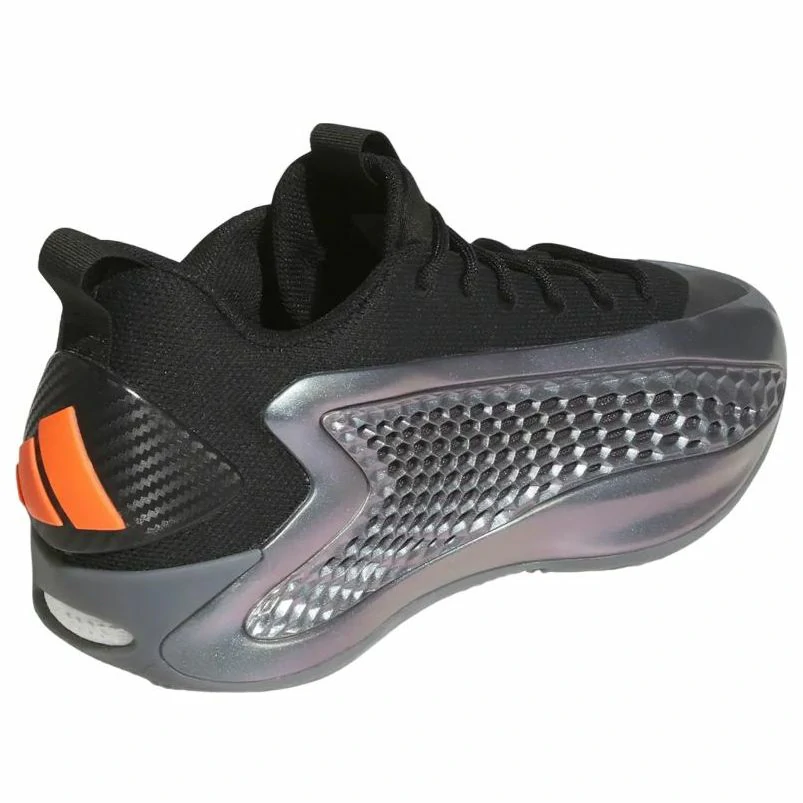
For most shops, adidas ultraboost 3.0 vs its newer siblings comes down to a single question: which pair still moves at full margin? The 3.0 is softer and roomier than the 4.0 and the Ultraboost Light, which makes it an easy sell to casual buyers and a harder sell to runners. What follows is a buying-focused comparison: how the models differ, how they fit, and what to inspect before you commit to a size run.
Clean stock has thinned out since 2017, so the real choice is usually between deadstock 3.0s from a closeout supplier and current-production pairs from a distributor. Both can work. They just serve different customers and carry different risk.
Where the 3.0 Sits in the Ultra Boost Timeline
Adidas launched the Ultra Boost 3.0 in late 2016 and kept it in rotation through 2017, so nearly every pair you find today is deadstock, lightly worn, or secondhand. The formula stayed the same as earlier runs: a full-length Boost midsole, a Primeknit upper, and the plastic three-stripe cage. What changed was the knit and the cage detailing.
The cage is the fastest way to identify a 3.0 on a shelf. It is semi-translucent with a vertical rib pattern, and on older pairs it yellows faster than the knit underneath. That yellowing is cosmetic, not structural, but it does affect what you can ask for a pair.
Compared with the 4.0, the 3.0's Primeknit feels looser across the forefoot and breaks in faster. That matters for your size run. Customers who describe Ultra Boosts as pinching almost always end up happier in a 3.0, and that is a talking point your staff can use at the counter.
adidas ultraboost 3.0 vs 4.0 and the Ultraboost Light: Side by Side
The table below is the version worth taping behind the register. It compares the models customers actually ask about, not every Ultra Boost ever made.
| Model | Fit and upper | Midsole and outsole | Best customer | Buyer notes |
|---|---|---|---|---|
| Ultra Boost 3.0 | Roomy Primeknit, forgiving forefoot | Full-length Boost, Stretchweb with Continental rubber on most runs | Comfort buyers, casual wear | Cage yellows; check heel and outsole wear on used pairs |
| Ultra Boost 4.0 | Slightly snugger, denser knit | Full-length Boost, Stretchweb | Sneaker fans chasing the 2017 look | Cage pattern is the quick ID; runs closer to true to size |
| Ultraboost Light | Snugger, more structured upper | Light BOOST, lighter overall build | Runners and walkers wanting less weight | Current production, so restocking a broken size is easier |
| Ultra Boost 1.0 retro | Snuggest knit of the group, firm underfoot | Full-length Boost, Stretchweb | Collectors paying for the original | Higher retail, thinner margin per pair |
Read the table as a margin map rather than a spec sheet. The 3.0 usually lands in the middle on cost and at the top on comfort, which is why it keeps selling to people who never plan to run in it. The Light is the better restock item if you need continuity, since you can reorder it instead of hunting closeouts.
One pattern holds across every model: colorway decides more than spec. Core black, triple white, and the oreo-style knits turn fastest. Loud limited colorways sit longer and should be bought in shallow size runs, never full curves.
Fit and Sizing: What to Tell Customers
Most wearers go a half size up in the Ultra Boost 3.0 compared with their standard sneaker size, largely because the Primeknit stretches and the cage sits close over the midfoot. Treat that as a starting point, not a rule. Anyone with a wide foot should try the pair or buy from a seller with a return policy.
When buyers ask about adidas ultraboost 3.0 vs the Ultraboost Light for sizing, the honest answer is that the Light feels tighter out of the box. The 3.0 gives more room immediately; the Light needs break-in time. Always check the official size chart before quoting a conversion, especially for women's to men's sizing.
Two practical notes for your floor staff. First, the insole is removable, so a thin aftermarket insole buys roughly a quarter size of room. Second, half sizes above men's 13 are scarce in older 3.0 stock, so plan your size curve accordingly instead of promising a 14.5 you cannot source.
Stocking Checklist Before You Commit
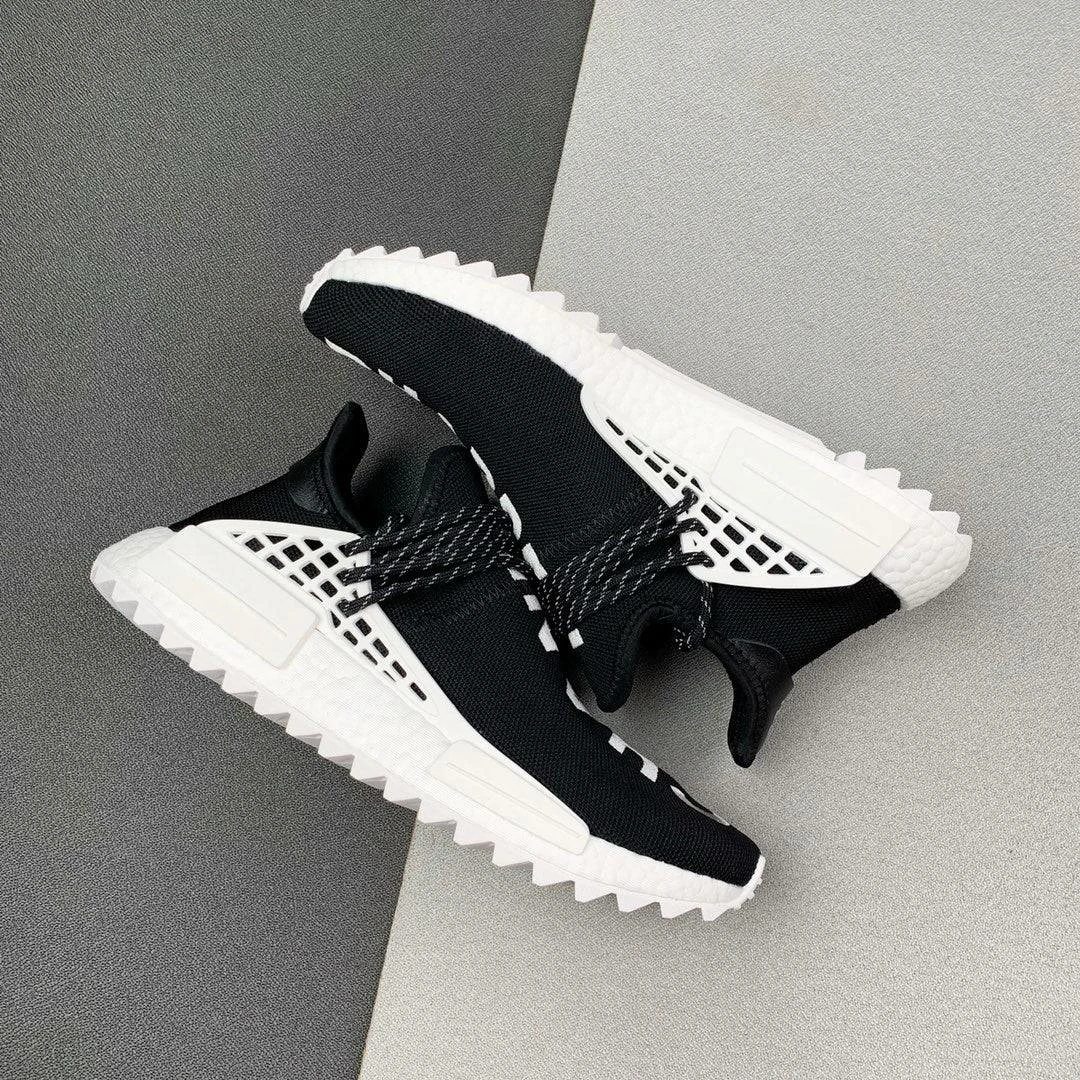
Run this list on every lot, whether you are buying ten pairs or a pallet. Skipping steps here is how shops end up with inventory they cannot move.
- Confirm the size curve matches your actual sell-through, not a uniform spread.
- Check for cage yellowing, glue marks, and knit pilling under direct light.
- Flex each shoe and listen for separation at the midsole bond.
- Weigh a pair against a known authentic pair if you have one on hand.
- Photograph box labels, style codes, and production dates before payment.
- Ask the supplier for the return policy on condition issues, in writing.
- Verify landed cost after freight and duties, not just unit price.
Cost expectations vary widely by condition, colorway, and lot size. Deadstock 3.0s typically trade at a discount to current Ultraboost retail, but any number you hear is a reference point only, so confirm pricing and minimums with each supplier directly. Freight and import duties shift too, and a customs broker is the right person to ask about classification and fees.
Authentication and Condition Checks That Protect Margin
Boost foam is the first tell. Authentic Boost has a slightly uneven, pellet-like texture and springs back when pressed. Copies often feel firmer and smoother, almost like standard EVA. Compare a suspect pair against a pair you trust rather than judging from photos alone.
Move to the details next. The cage should flex without creaking, the three stripes should align cleanly with the eyestay, and the heel counter should sit symmetrical on both shoes. Box labels, style codes, and the font on the size tag are worth a second look. If anything feels off, walk away or pay for professional authentication.
Condition matters as much as authenticity on older stock. Boost oxidizes and turns yellow, which is normal with age but reduces what a customer will pay. Soles wear at the heel first, so flip every pair over. On used inventory, check the collar lining for sweat stains since those rarely come out.
FAQ
Is the Ultra Boost 3.0 true to size?
Most people size up half a size. The Primeknit stretches, but the cage sits close over the midfoot, so a snug pair stays snug. Wide-footed customers should try before buying or order from a seller who accepts returns. Check the official size chart for conversions.
Do Ultra Boost 3.0s still sell well for independent shops?
Yes, mainly to comfort-driven buyers who like the silhouette and do not care about the newest model. Core colorways in common sizes move steadily. Limited or loud colorways need a narrower size run. Current-production models are easier to restock, so many shops carry both.
How can I tell a fake Ultra Boost 3.0 from a real one?
Start with the Boost midsole. Real Boost has visible pellets and springs back quickly; fakes feel firm and flat. Then check cage alignment, heel symmetry, stitching, and the box label font. Photos are not enough for a confident call, so use a professional authentication service on any large lot.
What should I check before buying a bulk lot?
Get the size breakdown, condition grade, and photos of the cage, outsole, and box labels. Ask how the pairs were stored, since heat speeds up yellowing. Confirm the return policy in writing and calculate landed cost with freight and duties before you agree to a price.
Is the 3.0 a running shoe or a lifestyle shoe?
It was built as a running shoe, and plenty of people still run in it, but most sales today are lifestyle. The Boost midsole is soft and comfortable for walking and standing. Runners who want less weight usually prefer the Ultraboost Light.
Next Step for Buyers
If you are building a Boost section for the spring, start with a tested size curve of core colorways and keep the limited pairs shallow. Send us your target sizes, condition requirements, and quantity, and we will come back with current availability and landed pricing so you can compare it against your plan.