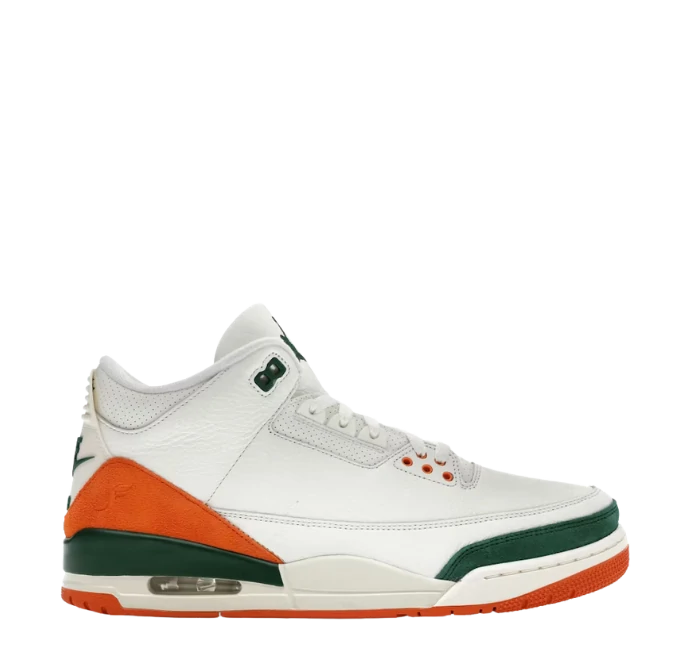
The Jordan low 1 baron is a gray-and-white Air Jordan 1 Low built on the Barons color story, a reference to Michael Jordan's brief minor league baseball detour. It is not a hyped release, and that is exactly why it earns shelf space. Neutral pairs sell to walk-in customers who never read sneaker blogs, and they photograph cleanly for an online listing. Below is what the shoe actually is, how it fits, what to inspect when a shipment lands, and how to plan a Reorder.
What the Colorway Actually Is
Most pairs of the jordan low 1 baron that reach US shelves pair a white leather base with gray suede overlays across the toe, eyestays and heel. Black shows up on the collar, lining and outsole, which keeps the shoe from reading flat. The result is a low-profile sneaker that looks closer to a lifestyle staple than to a basketball shoe.
Nike has reused the Barons name on more than one silhouette, including an earlier high-top. Do not assume the low shares materials or proportions with those older pairs. Treat every SKU on its own spec sheet, and ask your supplier for photos of the actual production run rather than stock images pulled from a different year.
Who Buys It, and Who Walks Past It
A gray low-top crosses demographics in a way that louder colorways do not. Men buy it as a daily shoe, women buy it in extended sizes when the run includes them, and parents buy it because it hides scuffs better than triple white. For a shop, that spread is the point: one SKU serving three shopping occasions.
The customers who skip it are the ones chasing drops. If your traffic skews toward resale-driven buyers, this pair will sit while a limited colorway moves. Stores with a steady mix of walk-in families and online buyers shopping at mid-tier retail prices generally do better with neutrals than with statement colorways.
Fit, Sizing, and Size-Run Planning
Air Jordan 1 Low fit is well documented and stable across runs. The jordan low 1 baron runs true to size for most people, with a slightly narrow midfoot and a flat, firm ride underfoot. Wide-footed customers often go up a half size, and anyone wearing thick socks should expect a snug first week before the leather relaxes.
Sizing advice only goes so far when you are planning a buy. What matters more is the shape of your run: which sizes sell through in two weeks and which sit for a season. Use your own sell-through data first, then fill gaps with the standard curve.
| Position in the run | Typical buyer | Sell-through pattern | Stocking call |
|---|---|---|---|
| US 8 to 10 (men's core) | Daily wear, repeat customers | Fastest | Deepest depth |
| US 10.5 to 12 | Collectors, wide-foot swaps | Steady | Standard depth |
| US 7 to 7.5 and 13 plus | Women's crossover, larger-foot buyers | Slower and size-dependent | Shallow, reorder on demand |
| Extended women's and kids sizes, if offered | Parents, gift buyers | Seasonal | Test small first |
Treat that grid as a starting frame, not a rule. Pull your own numbers before you commit, and check the official size chart before you quote fit to a customer over the phone or in a chat window.
Intake Inspection Before You List
Gray suede is unforgiving. Shade variation between a left and right shoe shows up in photos and in person, so open every box and compare pairs side by side under neutral light. One mismatched pair in a listing image costs more in returns than the margin on that single sale.
Run the same checks on every shipment that lands:
- Compare suede nap direction on both shoes; patchy or shiny spots usually point to a lower-grade overlay.
- Check stitch density along the toe cap and eyestays for skipped or doubled stitches.
- Inspect midsole paint lines and the outsole bond for gaps, bubbling or glue smears.
- Match the tongue tag, the inner size tag and the box label; mismatches are a red flag worth a second look.
- Photograph each pair before it goes live so you have evidence if a buyer files a claim.
When provenance is unclear, use a professional authentication service instead of guessing. Buyers ask for proof more often than they used to, and a written opinion from a legit checker is cheaper than a chargeback plus a relisting.
Sourcing, Pricing, and Reorder Depth
Where you buy determines what you can charge. Authorized distribution is closed to most independents, so shops typically work through wholesale distributors, liquidation lots or overseas suppliers with mixed reputations. Each channel has its own failure mode: late delivery, condition problems, or inconsistent sizing across a single lot.
Ask for a written price list with size-level breakdowns, quoted MOQ and lead times. MOQ tiers at smaller distributors often start in the dozens per size run and climb into the hundreds at pallet level, but treat any figure as a starting point and confirm it in writing with the supplier. The same caution applies to freight, duties and customs clearance, which shift by entry port and by season; run landed cost past a licensed customs broker before you commit.
Price the jordan low 1 baron against your other gray and white low-tops rather than against its own past listings. If an offer undercuts a comparable pair by a wide margin, that usually signals condition or provenance problems, not a bargain.
Reorder depth should follow sell-through, not enthusiasm. A workable pattern is a deeper first buy on core sizes, a shallow test on the tails, and a second order only after four weeks of data. Two smaller orders beat one oversized order when a colorway is a steady seller rather than a spike.
Buyer Questions
Does the jordan low 1 baron fit true to size?
For most people, yes. It follows standard Air Jordan 1 Low sizing: true to size, slightly narrow through the midfoot, with limited cushioning underfoot. Wide-footed buyers usually prefer a half size up. Recommend customers measure their foot and compare against the official chart rather than assuming their usual sneaker size carries over.
Is it sold in men's or women's sizing?
The low generally ships in men's US sizing, with women converting by dropping roughly 1.5 sizes. Availability in extended women's and kids sizes depends on the specific release, so confirm the size range on the box label and spec sheet before you advertise a full run to customers.
What should a small shop expect to pay wholesale?
There is no single number. Cost depends on channel, condition, size mix and volume, and quotes move with freight and duties. Compare landed cost against your target margin after returns, and get every quote in writing with the size breakdown attached so you can spot gaps before the invoice arrives.
Do gray low-tops hold value?
They hold steady rather than spiking. That makes them a poor flip and a solid repeat seller, especially for shops with local foot traffic. If your business model depends on quick resale premiums, this type of neutral pair belongs in a small test position, not a deep buy.
How many sizes should a first order cover?
Cover the core four to six sizes at real depth and keep the tails thin. Sizing tails are where dead stock accumulates, and most suppliers will let you reorder core sizes faster than you can discount an odd 14. Start narrow, measure sell-through, then widen once the data supports it.
If you are building a buy list for the next quarter, send over your size curve and target landed cost. We will come back with available stock, current MOQ and realistic lead times so you can compare offers side by side before you commit.