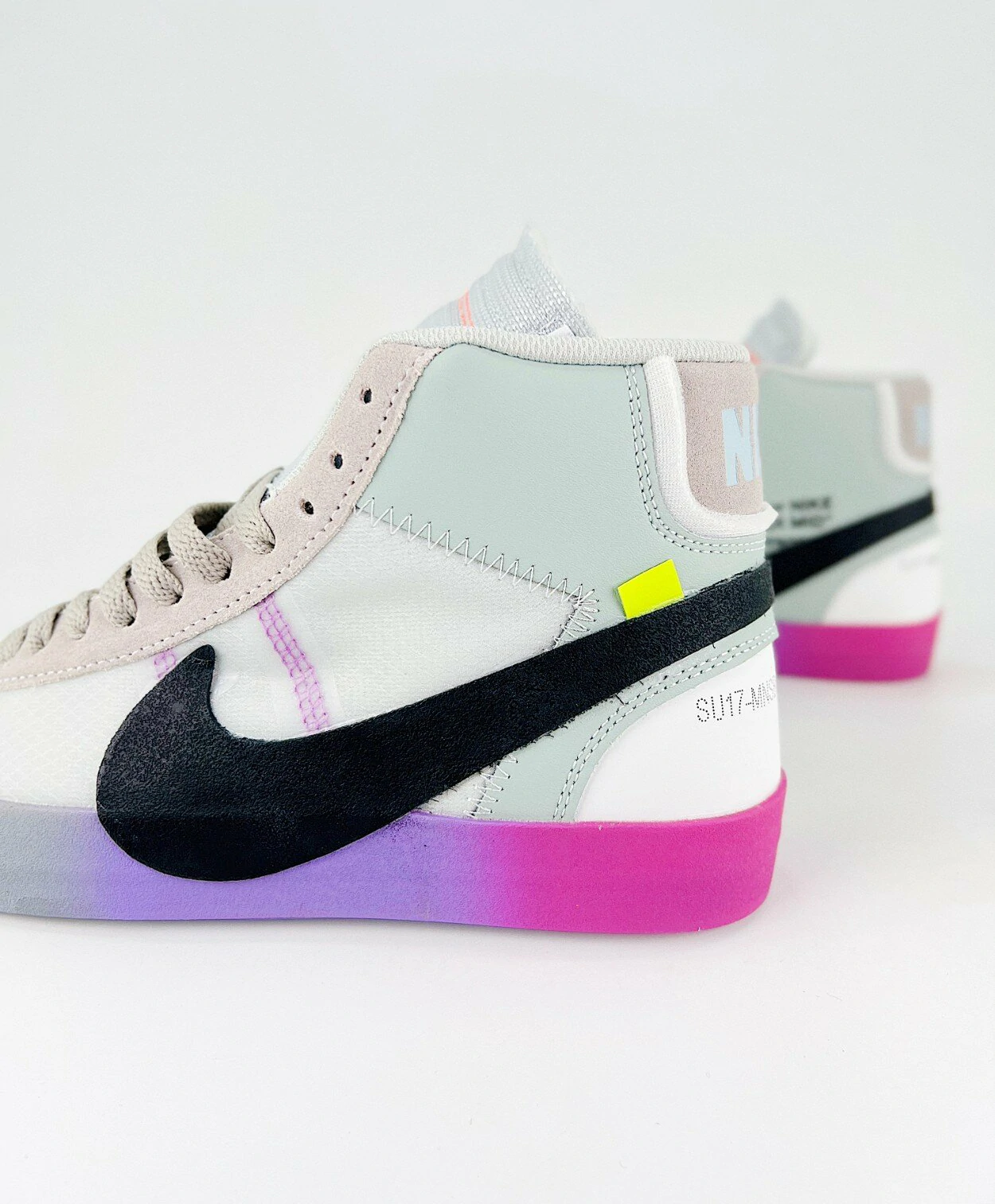
Most nike sb dunk low drops do not reach independent Shops through one channel, and that is the first thing to plan around. Pairs move through skateboard accounts, Nike's own retail and SNKRS, and a resale market that reprices the shoe within days of release. This guide covers where Allocation goes, how to read a release calendar, which sizes carry margin, and how to vet a supplier when you buy outside your normal account.
Where the Pairs Actually Come From
Nike routes the SB line through skateboard retailers that hold SB accounts, plus its own store and SNKRS. A shop without an SB account cannot order SB Dunks at wholesale, no matter how much volume it does in running or lifestyle. For those owners, the realistic path is secondary Sourcing.
Allocation tiers decide who gets the smallest runs. Tier-zero and quickstrike accounts take the limited colorways, while in-line pairs spread across a wider base. That split explains why one colorway sits at retail for weeks while the next disappears in an hour. Identify which tier a colorway belongs to before you price it.
Reading a Drop Calendar Before You Commit
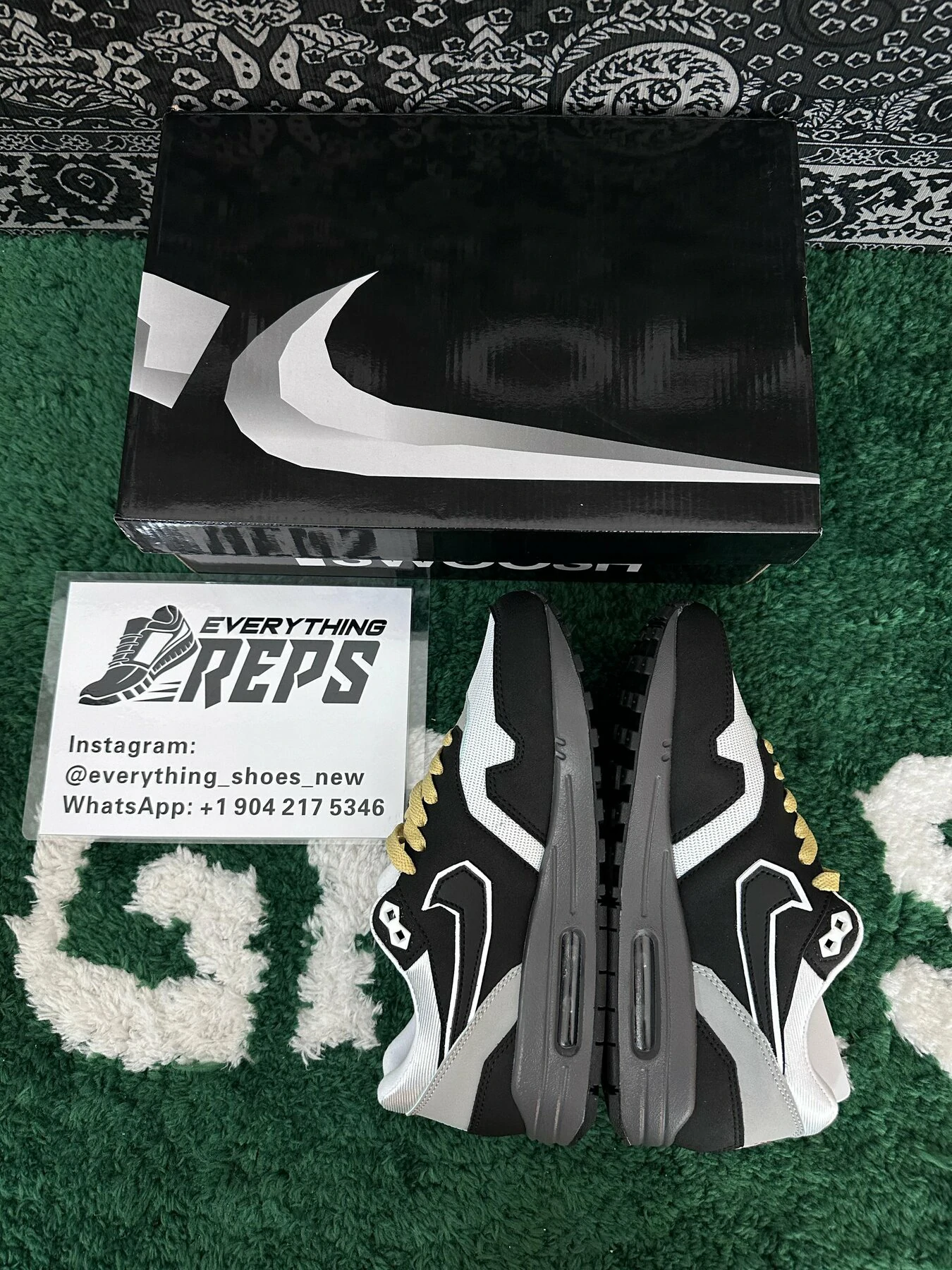
Nike confirms SB dates late, sometimes only a week or two ahead, and moves them without much warning. Early calendar entries help you plan cash, but treat them as tentative until the brand or a skateshop posts a confirmed date. Plan around a two-week window instead of a single day.
Volume matters more than any single date. Because nike sb dunk low drops cluster into short bursts, cash tied up in one release can leave you short on the next. Keep part of your buy budget for the second and third colorway in a season instead of spending it all on the headline pair.
- Confirm the style code and official colorway name before you quote a price to anyone.
- Note the release type: in-line general release, skateshop quickstrike, or collaborator drop.
- Check the previous two releases in the same family and how fast they cleared.
- Ask for the exact size run available, not a size range.
- Confirm whether the supplier owns the stock or is brokering the order.
- Ask about restock plans, since a second run changes your pricing.
Which Sizes and Colorways Hold Value
Sizing demand on Dunk Lows is not evenly spread. US 8 to 11 moves fastest on in-line pairs, while collaborator releases often skew toward smaller and women's sizes because of extended runs. Sizes 12 and up sit longer and usually need a markdown to clear.
Among nike sb dunk low drops, collaborator pairs carry the widest price spread between release week and the following month. That spread is the profit opportunity and the risk in the same package. If you cannot authenticate confidently, skip the heat and take the safer in-line run.
| Release type | Main channel | Fastest-moving sizes | Planning note |
|---|---|---|---|
| In-line general release | Nike.com, SNKRS, wider SB account base | US 8 to 11 | Buy close to full runs; expect a modest premium, not a spike |
| Skateshop quickstrike | SB accounts only | US 9 to 12 | Short runs, thin restock, highest early premium |
| Collaborator drop | Raffles, tier-zero accounts, boutiques | US 6 to 9 and women's sizing | Widest price swings; authentication risk is highest |
| Restock or closeout lot | Retail restocks, liquidation pallets | Broken runs | Cheapest entry point, worst size mix |
Vetting Suppliers When You Buy Off-Channel
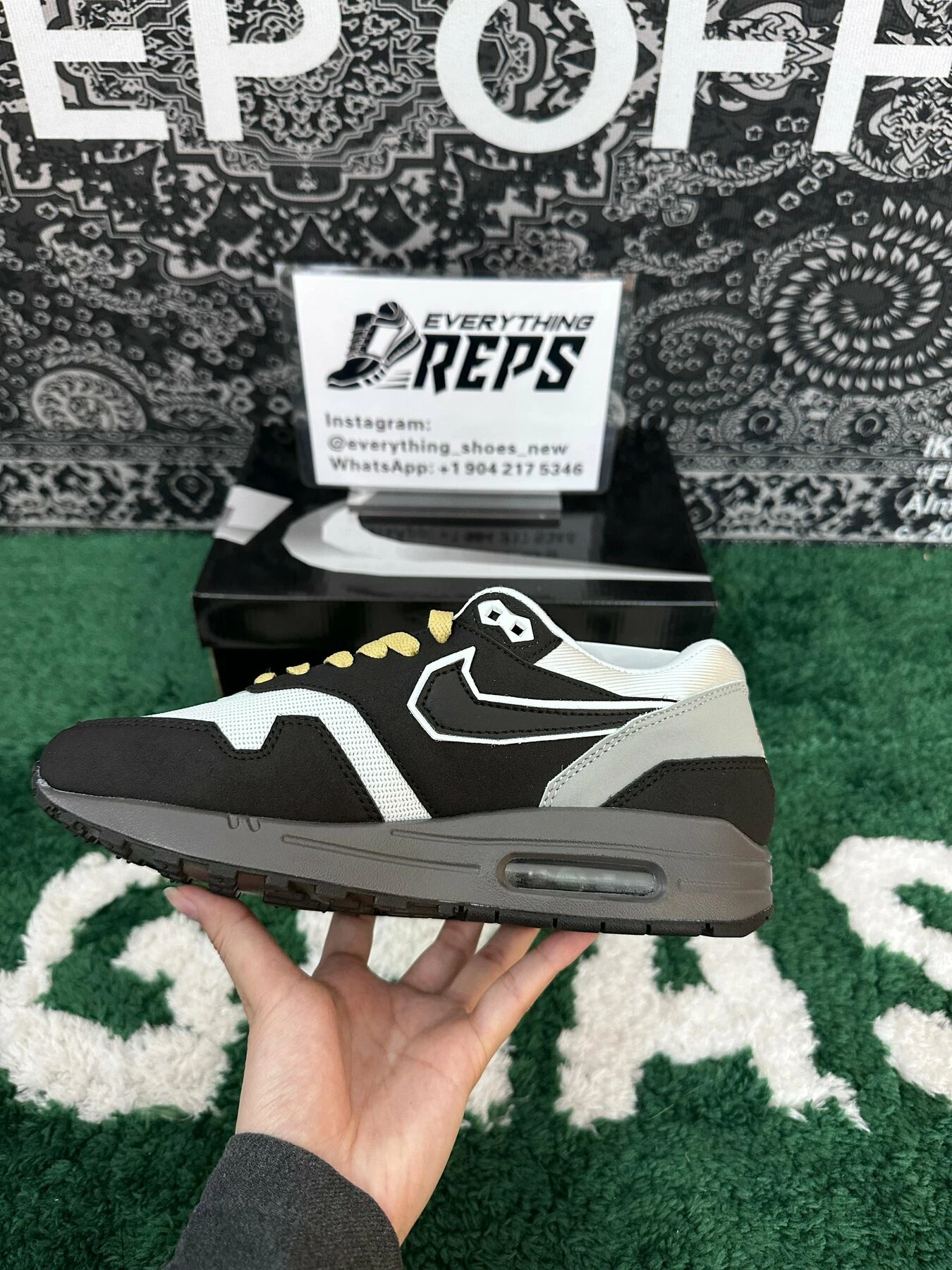
Off-channel buying is where most losses happen. A supplier who cannot send tagged photos of the actual pairs, with today's date and your shop name in frame, is not a supplier you should prepay. Ask for a short video walking a full size run with box labels visible, then match the label code to the code inside the shoe.
Samples come before bulk. Order two or three pairs, check heel stitching density, toe box shape, and insole print, then send them to a paid authentication service if the colorway is a known replica target. On high-heat nike sb dunk low drops, budget for authentication on every inbound lot, not just the first one.
Margin, Cash Flow, and How Much to Commit
Skate footwear buying commonly targets a 30% to 45% gross margin after freight and fees, though that band swings with colorway heat and how long stock sits. Run your own numbers and confirm landed cost with the supplier before you commit, since minimums and case packs vary by channel.
Cash flow decides more buys than margin does. A pair that returns 20% in three weeks often beats a hotter pair that returns 50% in five months, especially when you are paying rent on the inventory. Track sell-through by size before you scale any colorway to a second order.
Common Questions From Buyers
Do all SB Dunk releases sell out?
No. In-line pairs in common sizes often sit for weeks, and larger sizes frequently reach discount. Quickstrike and collaborator colorways are the ones that clear on day one. Judge each release on its tier and on its two most comparable predecessors instead of assuming every drop is a sellout, then price your buy accordingly.
Can any retail store open an SB account?
SB accounts are limited and tied to skateboard retail, so a running or lifestyle store usually cannot open one simply by asking. Applications run through Nike's sales channels and depend on location, assortment, and skate presence. Owners without an account typically buy through secondary suppliers, which changes cost, lead time, and authentication risk.
How many pairs should a small shop commit to?
Start with a size run you can turn in eight to ten weeks, and hold back 20% to 30% of the budget for the next colorway. First orders on an unproven colorway should stay small. Get minimums and case packs confirmed in writing before you commit, because they differ by supplier.
How do I check authenticity before a bulk order?
Request tagged photos and a video of the actual lot, match the style code on the box label to the shoe, and compare toe box shape, heel stitching, and insole print against a pair you know is genuine. Pay for authentication on samples before scaling. No photo set replaces a physical inspection.
Are restocks worth the lower margin?
Often yes, if the size mix works. Restocks and closeout lots carry thinner margins but lower risk, and broken runs sell well to walk-in customers who need one specific size. Count how many pairs fall in US 8 to 11 before you take a pallet.
Planning your next buy around a specific colorway or size run? Send the style codes, target sizes, and quantities, and we will come back with availability and landed cost. Confirm current MSRP, freight terms, and duties with your supplier and a licensed customs broker before you book.