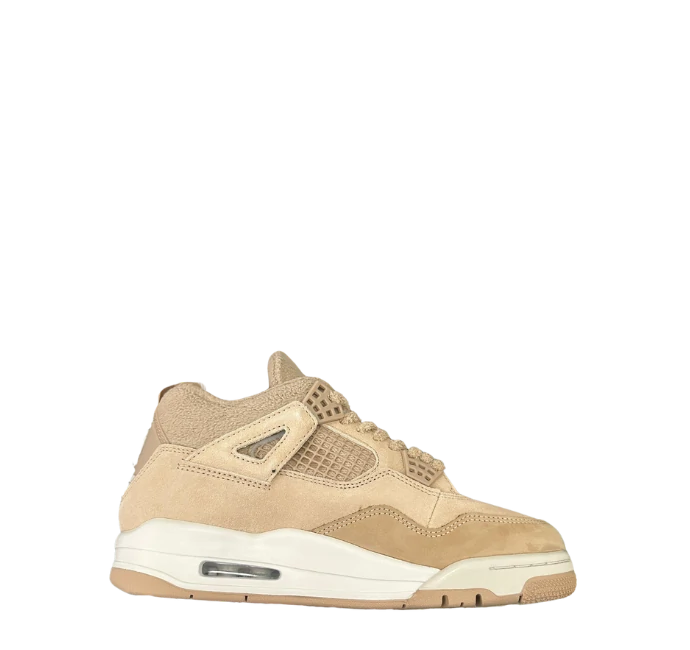
Search traffic for men's Jordan black cat splits into two groups: shoppers hunting one specific All-black retro, and resellers checking what that same shoe is worth in bulk. Most of them land on the same three silhouettes. This breakdown covers what the Black Cat name actually means, how the 3, 4, and 6 differ, fit notes your staff can repeat, authentication checks, and the questions to ask a supplier before you wire money.
What the Black Cat name means on a Jordan retro
Black Cat is Michael Jordan's own nickname, and Jordan Brand has reused it as a colorway name on several all-black retros over the years. The most familiar are the Air Jordan 3, the Air Jordan 4, and the Air Jordan 6. There is no standalone Black Cat model with its own tooling, last, or cushioning setup.
That distinction matters at the counter and in a purchase order. A customer asking for "the Black Cat" may mean any of the three, and a supplier may apply the nickname to whatever all-black pair happens to be sitting in the warehouse. Model number plus color code settles the question in seconds.
Model differences that affect what you stock
All three share the same design idea: black upper, black midsole, tonal branding, minimal contrast. What changes is the upper material, the panel construction, and how the shoe ages. Those differences drive returns and complaints far more than the colorway does.
When a listing says men's jordan black cat and shows a single photo, ask for tagged shots of the actual pair. Wholesale listings borrow images from other sellers constantly, and the pair you receive is often a different production run than the one pictured.
| Model | Upper and build | Fit tendency | Strongest buyer | Watch-out |
|---|---|---|---|---|
| Air Jordan 3 | Nubuck-heavy with tonal elephant print overlays | True to size for most, slightly roomy toe box | Buyers who want a retro that works with denim and leather | Print texture varies pair to pair; check both shoes match |
| Air Jordan 4 | Nubuck upper, mesh netting, plastic wing panels | Snug through the midfoot; wide feet often go up a half size | Younger buyers and resale-heavy accounts | Netting and wing alignment are common counterfeit tells |
| Air Jordan 6 | Suede or nubuck with a molded heel tab and pull loop | Close to true to size, taller collar | Customers who prefer a bulkier, taller retro | Heel tab and loop stitching quality |
Black nubuck hides dirt but shows scuffs as light gray marks, which generates care questions a month after the sale. Keep a brush and a suede eraser behind the counter and demo the fix at checkout. Small service touches like that cut returns on dark colorways.
Size curves deserve a hard look before you commit to a deep run. In most US Shops, sizes 9 through 11 carry the bulk of demand on retros, but check your own sell-through before trusting anyone's rule of thumb. Deep runs in the tails are where all-black pairs sit longest.
Fit notes your staff can repeat to customers
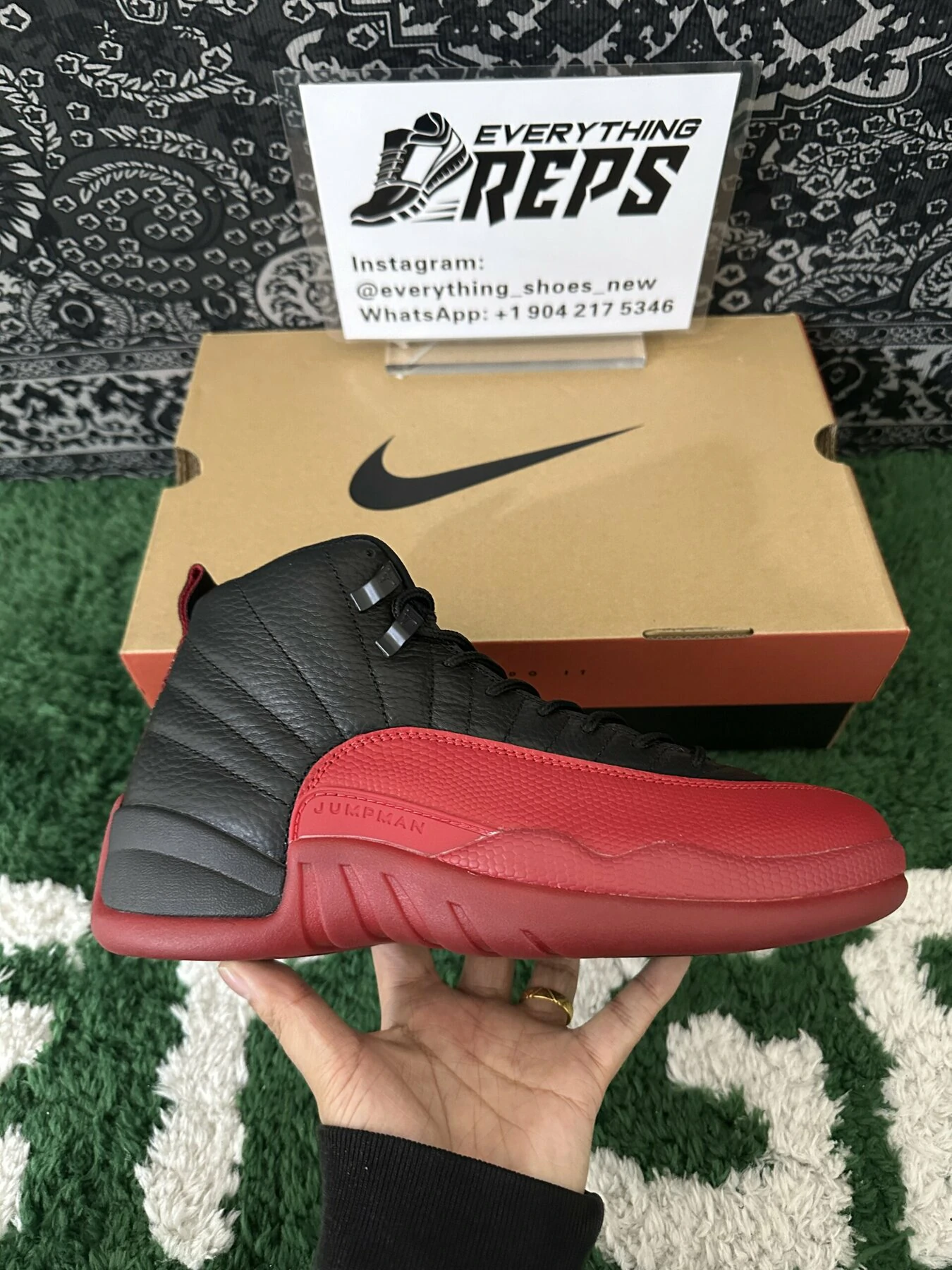
Standard advice for these retros: true to size for an average foot. Narrow-footed buyers rarely need to size down, and doing so usually creates heel slip in the 3 and the 6. Point customers to the brand's official size chart if they are between sizes.
Wide feet change the guidance. The Air Jordan 4 feels tight across the midfoot for many wide-footed wearers, so a half size up is a reasonable suggestion. The 3 and 6 are more forgiving, though thick socks and aftermarket insoles can eat that extra room fast.
Anyone who searched men's jordan black cat and ended up on a 4 should also hear about break-in. Nubuck softens with wear, but the first week can feel stiff through the toe. Telling a customer that up front prevents a "these run small" review later.
Authentication checks before you approve an invoice
All-black pairs are easier to counterfeit than loud colorways, because there are fewer color details for a faker to get wrong. Your defense is process, not a single glance at a photo. Work through the same list every time, especially with a new supplier.
- Match the box label to the shoe: style code, color code, size, and production dates should all line up.
- Inspect tongue label stitching for even spacing and clean edges.
- Look at the midsole paint line where it meets the upper; sloppy masking shows up on replicas.
- Feel the upper. Nubuck should have a slight nap, not a uniform plastic sheen.
- Request photos with a dated tag beside the pair, not catalog images.
- Confirm the seller's footprint: past invoices, a written return policy, and a phone number that answers.
- Send first orders of higher-value pairs through a third-party authentication service.
Two red flags end the conversation for me: a seller who cannot produce a size breakdown, and one who pushes a deposit before any inspection. Neither is normal for a legitimate distributor, no matter how good the price looks.
If you are unsure about a pair, pay for authentication. The fee is small against the cost of a chargeback and a damaged reputation with a regular customer.
Sourcing, MOQ, and where the margin actually goes
Wholesale quotes on all-black Jordan retros vary widely by channel. Small distributors often quote minimums in the range of 6 to 12 pairs per style, while importers work in cartons or pallets. Those ranges are typical, not fixed, so confirm the current terms with each supplier in writing.
Recent Black Cat retros have carried retail prices around $190 to $210, and legitimate wholesale should land meaningfully below that once shipping is included. A quote far under market usually means a fake, a bait listing, or a pair with no recourse if something goes wrong. Ask what happens if the shipment fails inspection.
Import costs are the part most new buyers underestimate. Duties, brokerage fees, and freight move the landed cost well above the invoice price, and rates shift by country of origin and current trade policy. Treat any number you hear as an estimate and verify it with a licensed customs broker before you build a margin model.
For stores testing the category, start narrow: one model, a focused size run, and a supplier you can call. Sell through that before adding the other two silhouettes. All-black retros reward discipline more than they reward volume.
Common questions from buyers
Is the Air Jordan Black Cat true to size?
For most people, yes. The 3 and 6 fit close to true, while the 4 runs snug through the midfoot. Wide-footed customers often prefer a half size up in the 4. Always compare against the brand's official size chart rather than another retailer's conversion table.
What is the difference between the Black Cat 3, 4, and 6?
Same color concept, different builds. The 3 uses nubuck with elephant print overlays, the 4 adds mesh netting and plastic wings, and the 6 has a taller collar with a molded heel tab. Fit, weight, and break-in all differ, so treat them as three separate products on your shelf.
Are Black Cat retros limited releases?
Availability depends on the specific drop and region, and it changes year to year. Some Black Cat colorways sold through quickly, others sat on shelves. Check current release calendars and confirm allocation with your supplier instead of assuming scarcity, because scarcity claims drive up wholesale quotes.
How much should a shop expect to pay per pair?
There is no public wholesale price list for these, so expect a range rather than a fixed number. Compare quotes against current retail, factor in freight and duties, and confirm terms with the supplier. Anything dramatically below market deserves extra authentication before payment.
Is buying liquidation pallets a safe way to get these?
It can work, but pallets are a mixed bag: sizes, models, and conditions vary, and returns are usually limited. Ask for a manifest, request photos of actual cartons, and price the deal as if a portion of the inventory is unsellable. Buy pallets for margin, not for a specific model.
If you are building a buy list for all-black Jordan retros this season, send over the models and size runs you need. We can confirm current availability, share tagged photos of actual pairs, and quote landed costs so you can compare options before committing to an order.