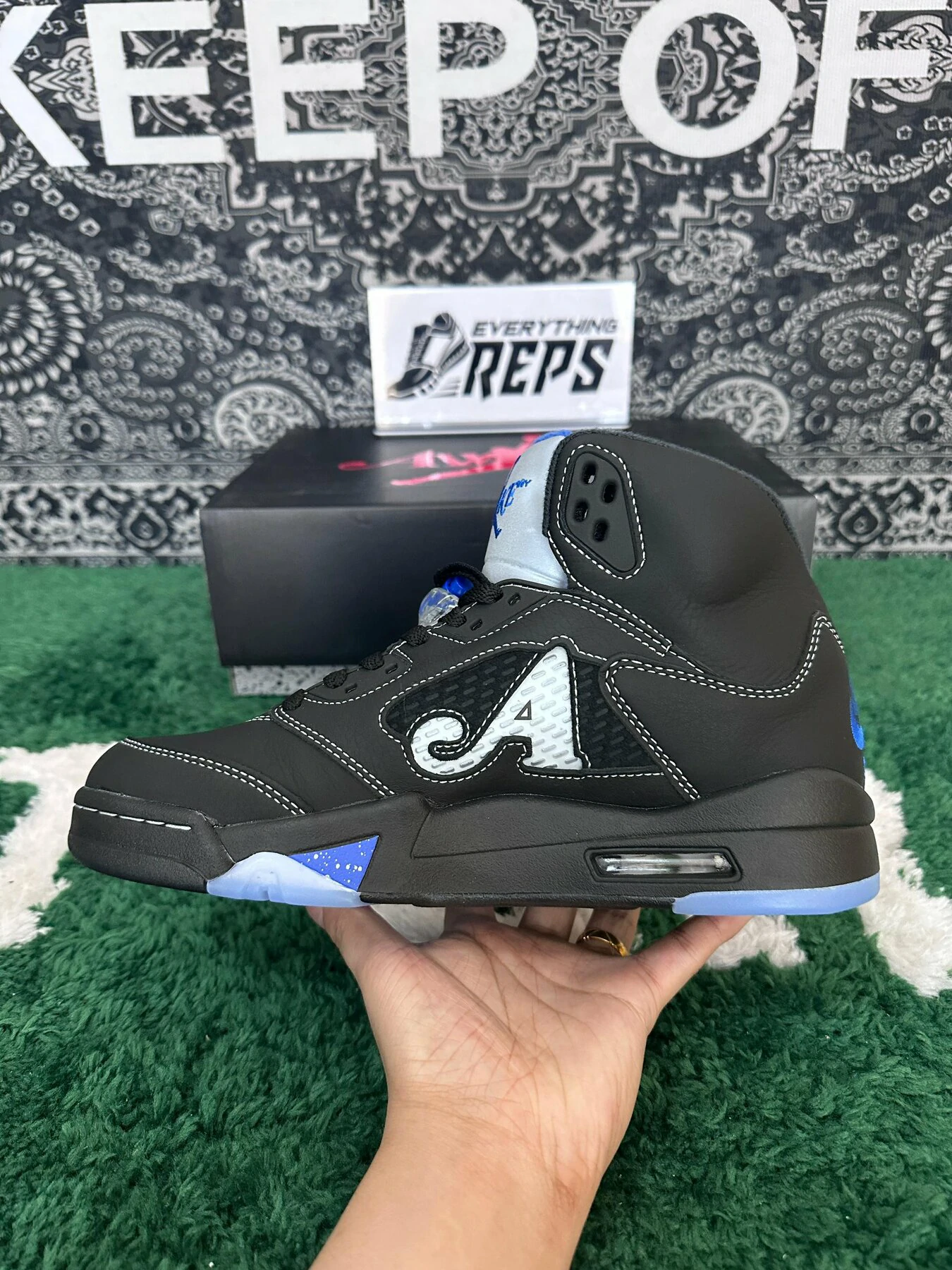
A blue-led Air Jordan 4 with black, White, and Habanero red in the mix sells in most US markets, and the Jordan Retro 4 Loyal Blue Black White Habanero Red is that kind of colorway. It sits between the loud pairs that only move to collectors and the plain white pairs every shop already stocks. What follows covers how store owners and online sellers can plan a size run, inspect incoming pairs, and protect margin without overbuying.
What This Colorway Brings to a Shelf
The name tells you most of what you need for a listing: loyal blue carries the upper, black and white handle the base and blocking, and habanero red shows up on the small accents that catch the eye at retail. On a Jordan 4 those accents usually land near the tongue branding, the heel tab, and the midsole trim, which is enough contrast to read from across a store without turning into a loud sneaker.
Construction is standard AJ4: mesh netting on the quarter panels, plastic wing eyelets at the laces, a visible Air unit in the heel, and a rubber outsole built for pavement. That mix of mesh and molded plastic is why the model photographs well and also why it shows creasing and scuffs on the toe box faster than a full leather shoe.
For buyers, the practical point is that blue AJ4s reach a wider audience than themed pairs. A customer who would never wear a bright orange retro will still wear a blue and black one to work. Compare the panel layout against official product photos before you write your listing copy, because Color placement shifts from one release to the next.
Demand Read Before You Commit
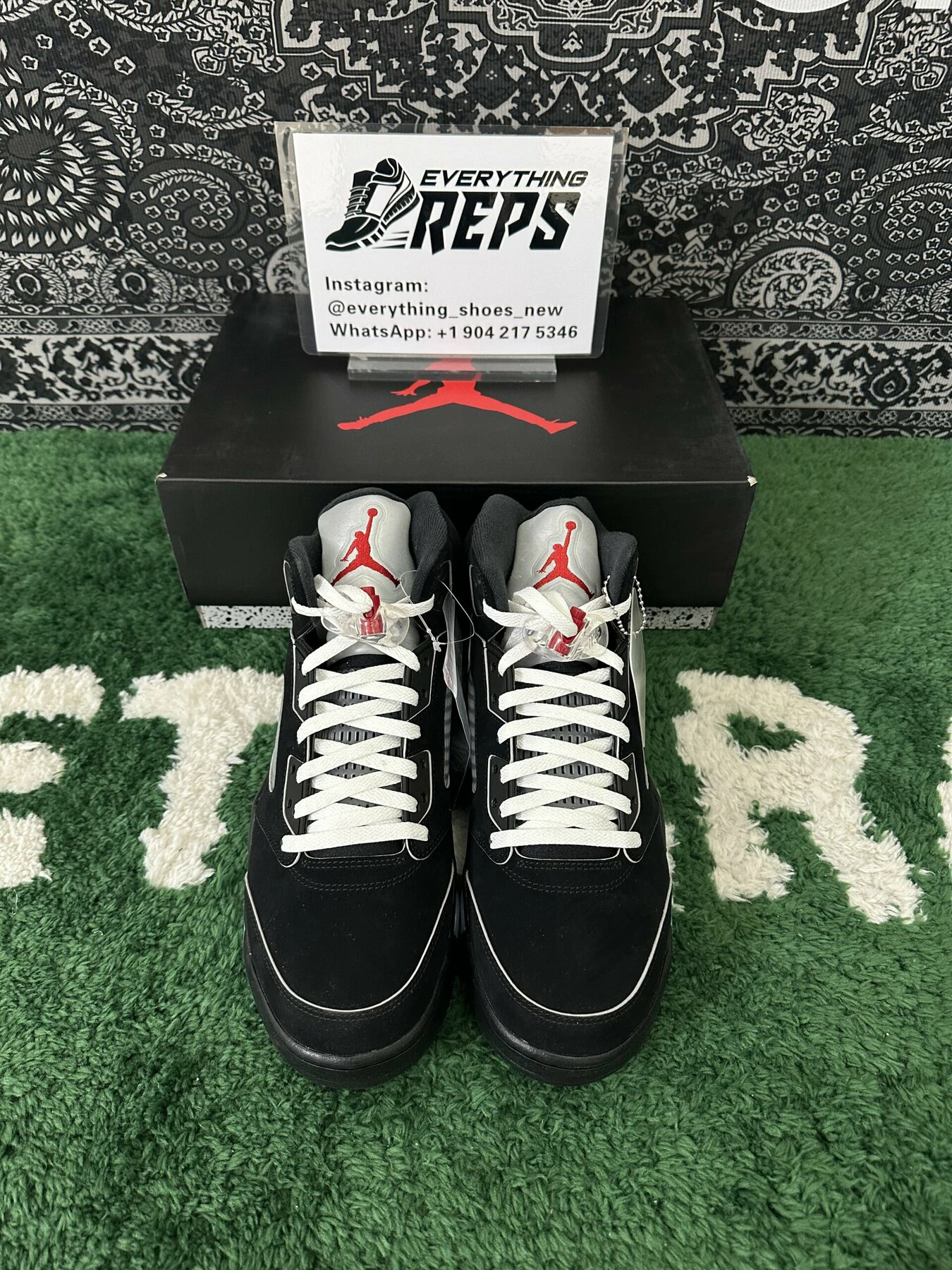
Two groups ask for this pair. The first is the core AJ4 buyer, usually 16 to 30, who already owns a black or white pair and wants a blue option. The second is the casual buyer who likes the shape and the price point better than a new-release hype shoe. That second group buys later and asks more questions about fit.
Pairs of the Jordan Retro 4 Loyal Blue Black White Habanero Red move fastest in the first weeks after a drop and then settle into a steady trickle. Plan around that curve. If your buy lands late, expect a shorter full-price window and lean on bundle offers or in-store display to keep them moving.
Regional taste matters more than national averages. College towns and metro stores absorb blue retros quickly; rural shops with an older customer base often do better with black and grey. Check what sold in your own store last year before you mirror somebody else's buy sheet.
Size Run, Fit, and Depth per Size
Most buyers take their normal Nike size in the Jordan 4, and the model has a fairly structured toe box. Customers with wide feet sometimes go up a half size, so keep a few of those on hand for exchanges. Point shoppers to the official size chart rather than guessing over the phone.
The Jordan Retro 4 Loyal Blue Black White Habanero Red follows that same fit pattern, which means your size curve should look like the curve you already use for other AJ4s. Do not invent a new allocation for one colorway. Use last season's sell-through by size and adjust by one or two pairs at the edges.
Depth is where most independent shops lose money. Ordering four or five pairs of every size feels safe, but it ties up cash in sizes that sit for months. Go deep in the middle, keep the ends shallow, and treat the largest sizes as special order unless you have a customer waiting.
| Size band (US men's) | Who asks for it | Depth that usually works | Watch for |
|---|---|---|---|
| 7 to 8 | Teens, women buying small men's sizes | Shallow, one or two pairs | Slow if your floor skews older |
| 8.5 to 10 | Core adult buyers | Deepest part of the run | Sells out first, restock early |
| 10.5 to 11.5 | Core buyers plus repeat customers | Moderate to deep | Easy to underbuy here |
| 12 to 13 | Taller customers, small team orders | Moderate | Steady, rarely spikes |
| 14 and up | Niche | Special order only | Cash sits for months |
Inspection Checklist for Incoming Pairs
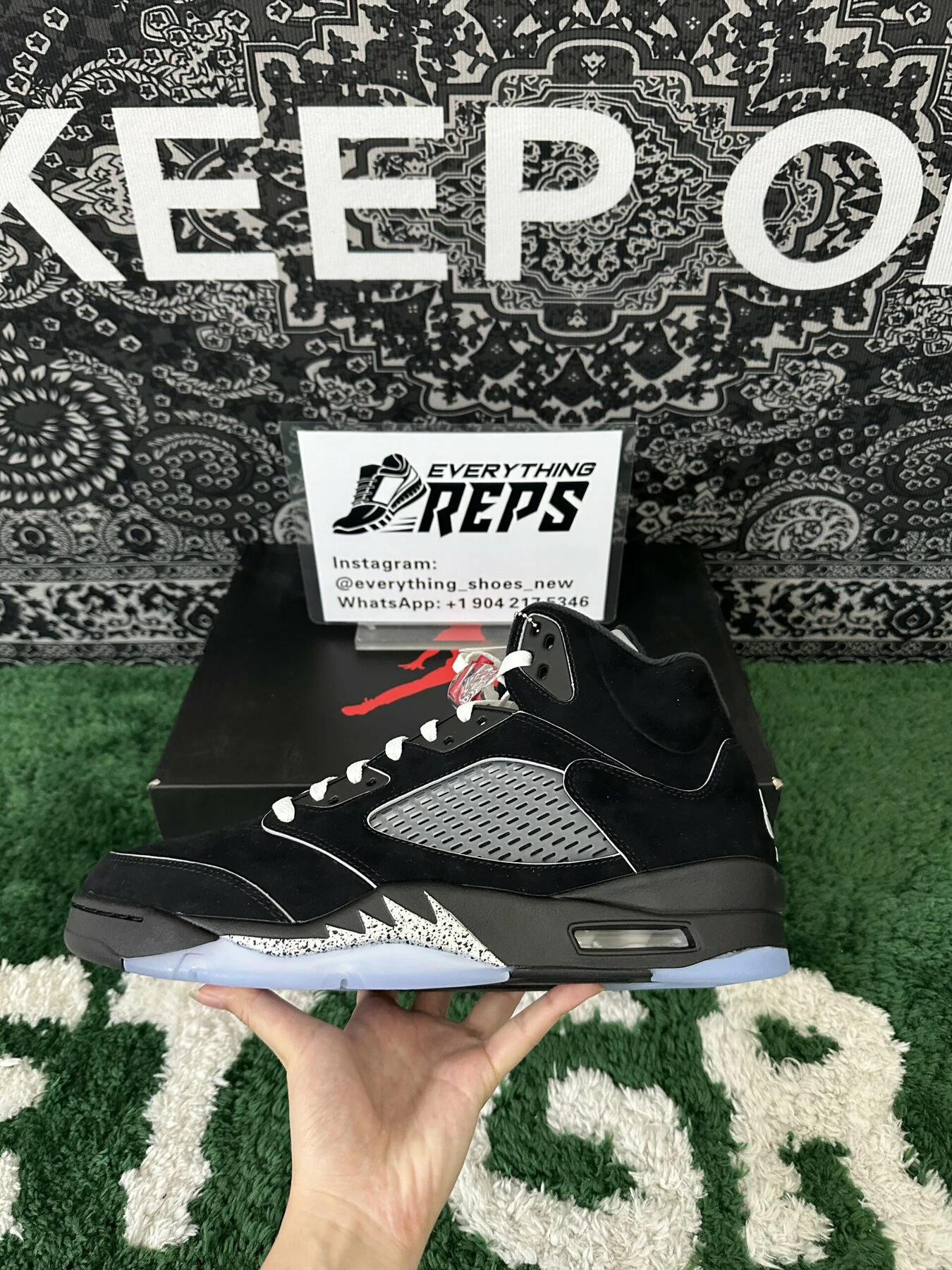
Every carton gets opened before it reaches the floor. The checks below catch most problems that turn into returns, and they take about two minutes per pair once your staff has done a few hundred.
- Match the box label to the shoe: style code, color code, size, and production dates should agree with your supplier invoice.
- Look at the netting on both quarter panels. The pattern should sit flat against the wing and line up with the plastic edge.
- Check stitching along the wing eyelets and the heel tab. Uneven spacing or loose thread on both shoes is a warning sign.
- Run a thumb along the midsole paint line. Overspray, drips, or a wavy edge usually means poor quality control.
- Compare the tongue label and insole print to a known pair. Font weight and letter spacing are the fastest tells.
- Weigh both shoes. A noticeable difference between left and right points to a mismatched or counterfeit pair.
- Smell the pair. A strong chemical odor is not proof of anything, but it is a reason to look closer.
On the Jordan Retro 4 Loyal Blue Black White Habanero Red, pay extra attention to the blue panels, since dye inconsistency hides more easily in dark colors than in white. Hold the pair under daylight, not just store lighting, before you photograph it for a listing.
If a pair fails two or more checks, set it aside and get a professional authentication opinion before selling. Photos of the flaw plus the box label are usually enough for a supplier conversation, and most will replace or credit a clearly defective pair.
Price, Margin, and Terms
Landing cost for a retro Jordan 4 colorway commonly falls somewhere between the mid-100s and low-200s per pair, depending on channel, quantity, and shipping method. Treat that as a rough range only, and confirm the real quote with your supplier before you build a buy sheet.
Margin math has to include the costs that never show up on the invoice: inbound freight, duties, payment fees, and the discount you will eventually take on the last few pairs. Sellers who compare unit cost to retail price alone usually discover their true margin after the run sells through.
Quotes on the Jordan Retro 4 Loyal Blue Black White Habanero Red vary most on size minimums, case packs, and whether the supplier will mix colorways on one order. Many wholesale programs set a minimum per style or per run, but terms differ widely, so get everything in writing. A supplier who will not answer basic questions about box condition and returns is not worth a first order.
For customs and import questions, talk to a licensed customs broker. Duty rates and clearance requirements depend on country of origin, declared value, and current trade rules, and none of that should be taken from a blog post.
Questions Buyers Ask Most
Does this colorway run true to size?
Yes, for most people. The Jordan 4 is a standard-width shoe with a structured toe box, so a buyer who wears a 10 in other Nike retros usually takes a 10 here. Wide-footed customers often size up a half. Check the official size chart and let customers try a pair when you can.
Is a blue AJ4 a safe buy for a small shop?
It is safer than a themed or limited pair, because the color works with more outfits and appeals to buyers who are not collectors. That said, blue is not black. Keep your first order modest, watch sell-through for two weeks, then restock the middle sizes if demand holds.
What is the fastest way to spot a bad pair?
Start with the box label and the tongue tag. Counterfeit pairs often fail on font weight, letter spacing, or production dates that do not match the style. Then check netting alignment and the midsole paint line. If anything looks off, get a professional opinion before the pair reaches your shelf.
How many pairs should I order first?
Enough to cover the core sizes and no more. For most independent shops that means a small run weighted toward US 8.5 to 11, with one or two pairs at the edges. Add depth after you see real sell-through, not before, and confirm minimums with your supplier first.
Planning a buy? Send your target size run, box condition requirements, and delivery window, and we will come back with availability and a quote. Ask for the current price list and per-size minimums before you commit to a run.