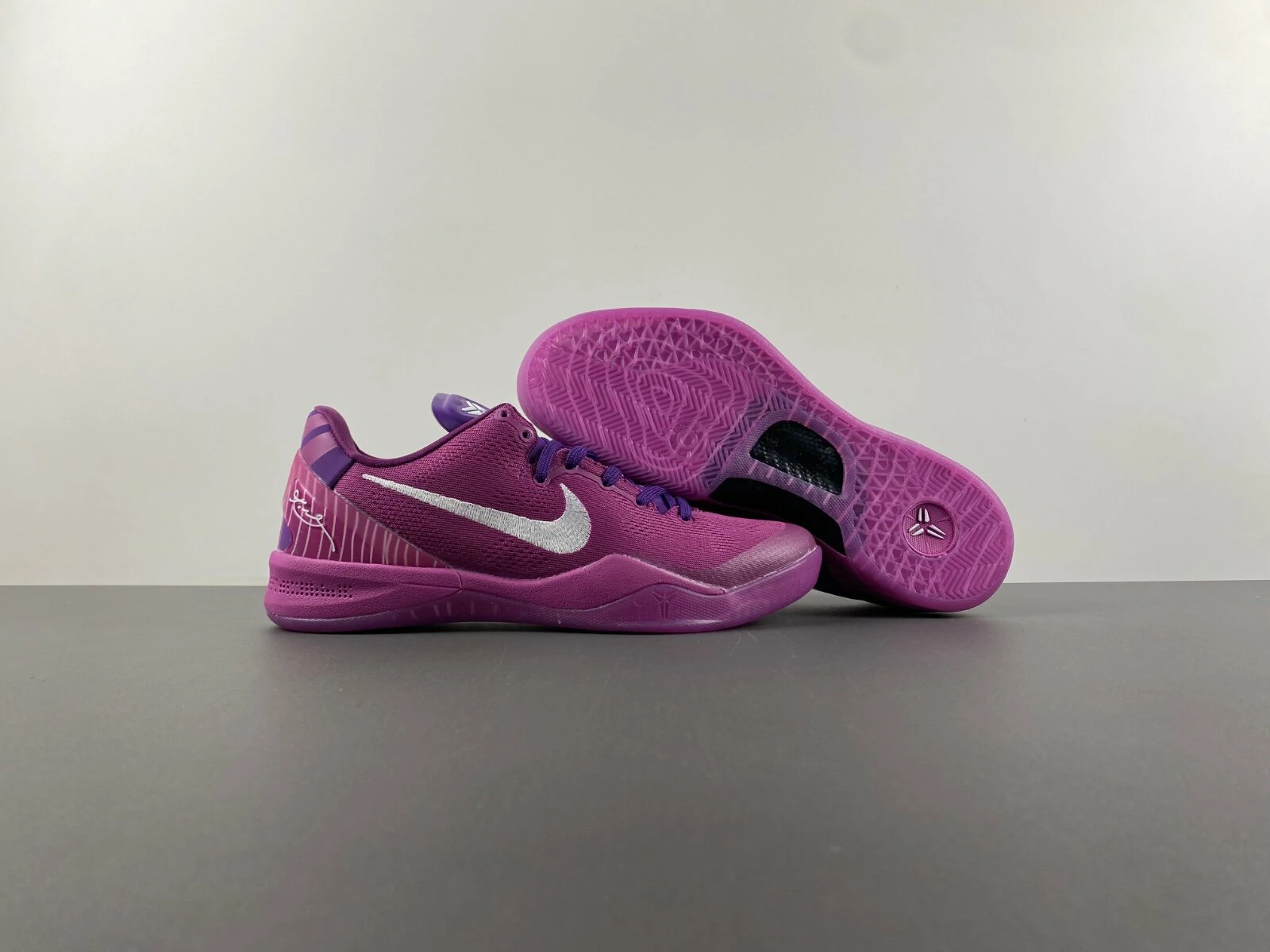
The Nike SB Dunk Cleveland is a regional-story SB Dunk, which usually means short supply, a narrow buying window, and customers who ask about it before you have it on the wall. Treat it as a limited SB release rather than a general-release Dunk, and build your order around that assumption.
What follows is a buyer's read: what to confirm with a supplier, how the SB Dunk last fits compared with a standard Dunk, and where Margin tends to land for an independent shop or an online reseller working in small quantities.
Confirm the Pair Before You Confirm the Order
Colorway names travel faster than facts. By the time a regional SB release starts trending, forum posts, resale listings, and supplier catalogs are already blending details from three different drops. Before you commit to a quantity, pull the official colorway name, style code, and whether it is a Low or a High straight from the brand's catalog or your account rep.
Then match that against the physical pair. The box label, the size tag, and the style code should agree with each other and with the official listing. If a supplier cannot send a photo of the box label sitting next to the shoes, that tells you plenty about how organized their stock is.
Ask one more question: is this US stock or overseas stock? It changes delivery time, return options, and how much paperwork sits between you and a sellable pair. Getting the Nike SB Dunk Cleveland into your case two weeks after the trend peaks is a very different purchase than getting it before.
How the SB Dunk Last Fits Compared With a Standard Dunk
SB Dunk pairs fit slightly roomier than the standard Dunk, mostly because of the padded tongue and the thicker insole. Most customers stay with their usual Nike size, and few need to size down. Wide-footed buyers often find the extra padding works in their favor instead of against them.
That said, "true to size" carries less weight than it used to. If you sell online, publish insole length in inches beside every size, not just US 9, 10, 11. Returns on a limited pair cost you shipping both ways and sometimes the sale entirely.
Keep a demo pair in the store if you can spare one. Customers who try the Nike SB Dunk Cleveland on once tend to stop asking whether it runs big, and that conversation is cheaper in person than in an email thread after the sale.
Materials, Cushioning, and Where Value Holds
SB Dunk builds share a common skeleton: a Zoom Air unit set into the insole, a thick padded tongue with the SB tag, a cupsole with a grip-focused tread pattern, and upper panels that change material from colorway to colorway. Suede and nubuck look great on day one and crease by day three.
| Feature | SB Dunk | Standard Dunk | What It Means for Buyers |
|---|---|---|---|
| Cushioning | Zoom Air unit set into the insole | Standard foam insole | SB pairs feel firmer and break in slower |
| Tongue | Thick padding with an SB tag | Slim, flat tongue | Check tag stitching on every incoming pair |
| Upper materials | Suede, nubuck, or leather by colorway | Mostly smooth leather and synthetics | Suede panels crease fast and show wear |
| Outsole | Cupsole with grip-focused tread | Standard Dunk tread | Skated pairs lose resale value quickly |
| Retail range | Roughly $115 to $150, confirm with your account | Roughly $110 to $125 | Premium depends on the regional story |
For a shop, the practical read is simple. Customers who actually skate will wear through the toe and the outsole fast, and those pairs have no resale floor. Collectors care about the box, the extra laces, and clean suede nap. If your base leans toward the second group, condition and packaging carry more weight than any spec sheet.
Inspection Checklist for Incoming Pairs
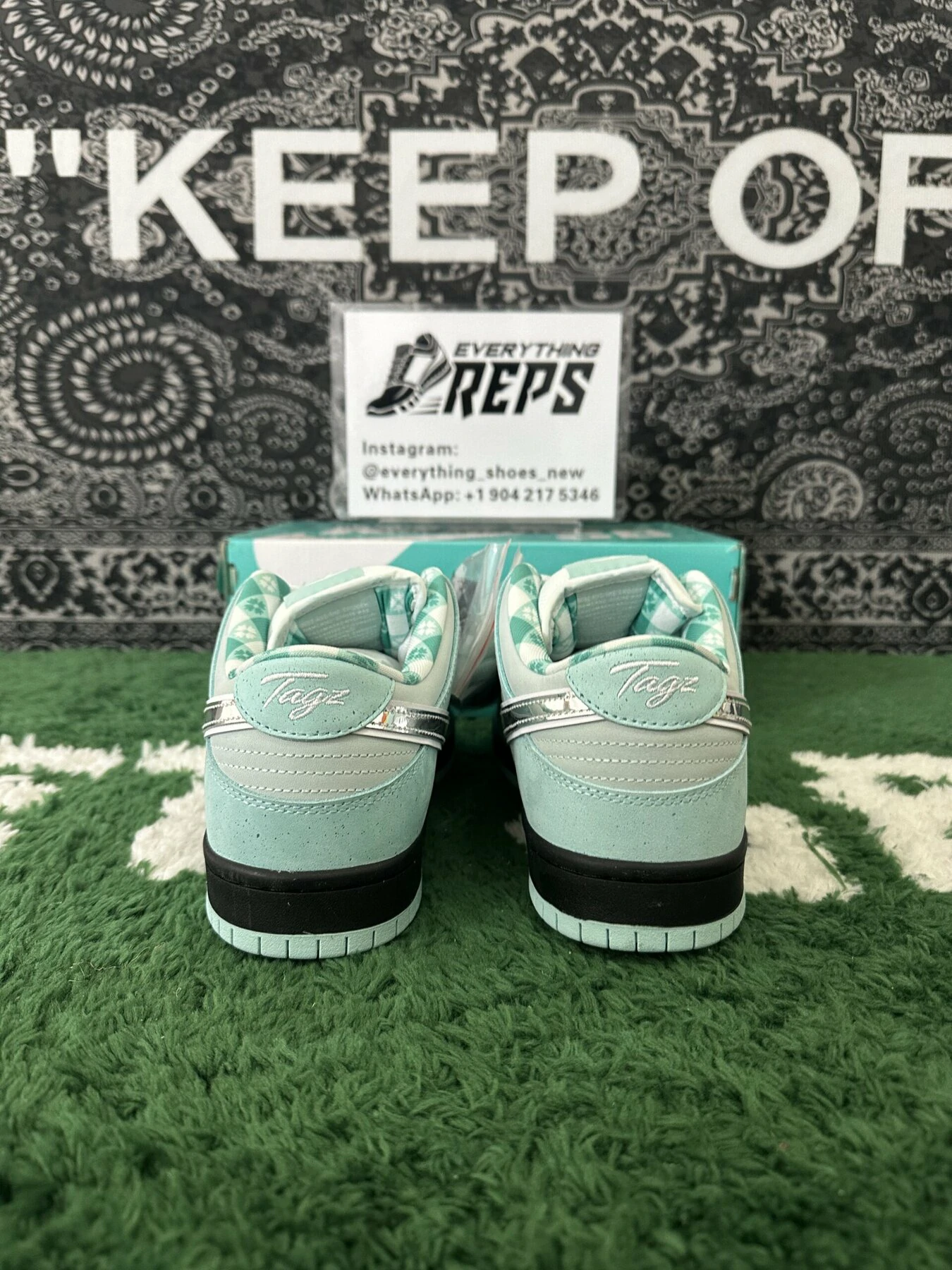
Run this on every pair before it reaches the shelf. It takes a few minutes and catches most of the problems that turn into refunds.
- Box label: style code, colorway name, and size all match the shoes.
- Size tag inside the collar: font, spacing, and code line up with the box.
- Tongue tag stitching: even density, no loose threads, centered placement.
- Insole print: crisp edges and correct logo proportions.
- Suede nap: consistent direction and tone across both shoes and matching panels.
- Midsole paint and glue lines: clean transitions, no overflow at the toe.
- Extras: lace sets and packaging match what the release is supposed to include.
For anything priced above your usual ceiling, pay for a professional authentication check. Phone photos are enough for most services, and the fee is small next to the cost of eating a fake pair you cannot return.
Sourcing, Minimums, and Margin Reality
Three channels supply most small shops: an authorized account, a distributor carrying mixed-brand inventory, and liquidation or pallet sellers. Each one sets different expectations on minimums. Distributor minimums for a limited SB style often land somewhere between a few pairs and a full size run, while pallet sellers push volume in mixed assortments. Treat any quoted number as a starting point and get it in writing.
Size curve matters more than total units on a narrow release. A typical independent store moves US 9 through 11 quickly and sits on 7s and 13s for months. If you can only take one run, take the middle and skip the tails.
Margin usually comes from paying close to wholesale and selling fast, not from holding. When a supplier quotes well below everyone else on the Nike SB Dunk Cleveland, the discount is often priced into the risk. Ask for references, ask for box-label photos, and start with a small test order even when a bigger minimum looks tempting.
Importing adds another layer. Duties, brokerage fees, and state sales tax treatment vary by shipment and location, and none of it should be guessed at from a forum thread. A customs broker will give you a straight answer for your situation in one call.
Frequently Asked Questions
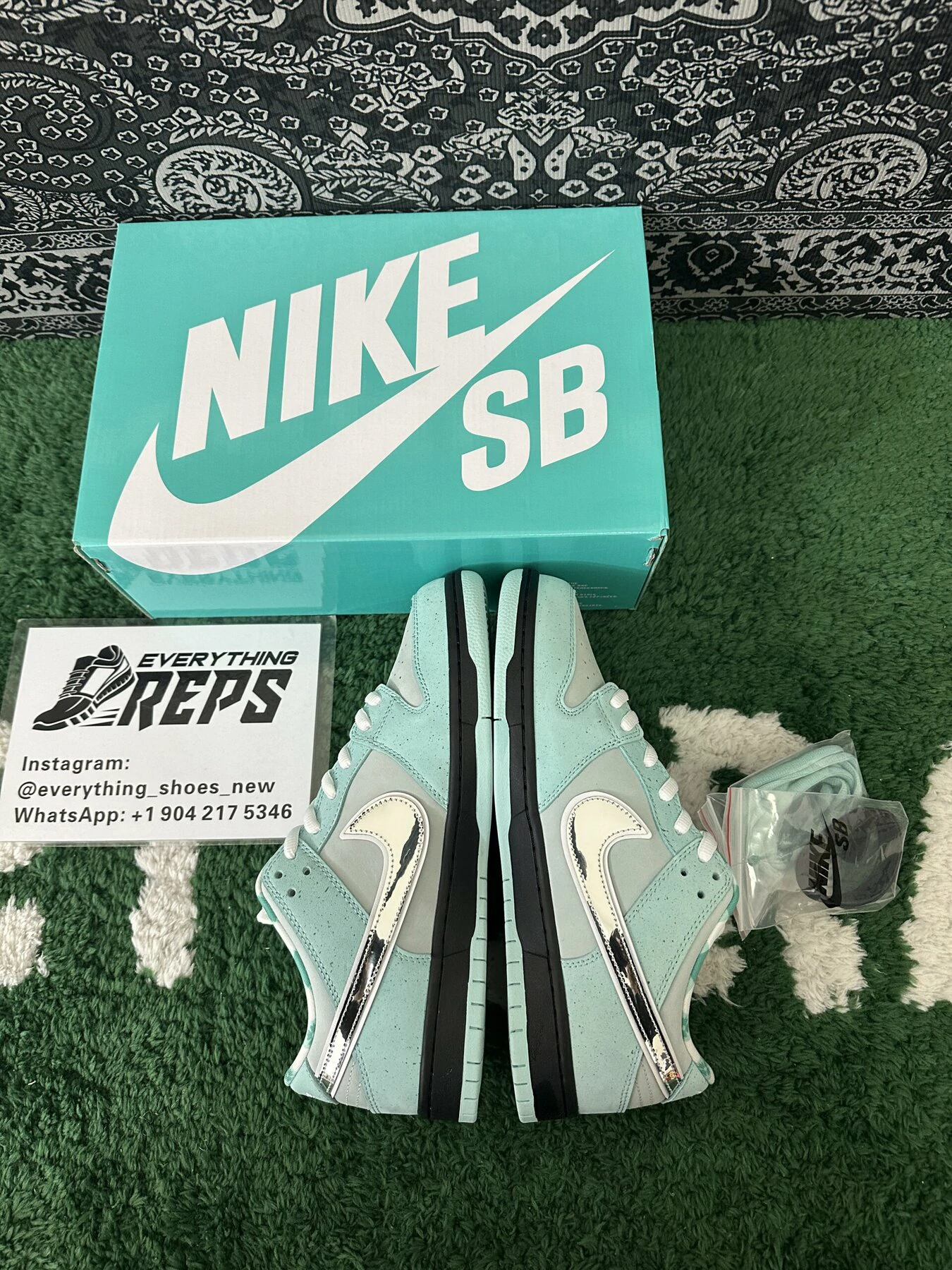
Does the Nike SB Dunk Cleveland fit true to size?
Most buyers take their normal Nike size. The SB last runs a touch roomier than a standard Dunk thanks to the padded tongue and thicker insole, so sizing down is rarely needed. Wide feet usually stay put. If you sell online, publish insole measurements so customers can compare against a shoe they already own.
Is it a limited release?
Regional-story SB Dunks are typically produced in smaller numbers than general-release Dunks and are often allocated through skate shops and select accounts. Wholesale availability moves quickly after launch. Confirm the current supply situation with your supplier instead of relying on launch-week posts.
Can I get wholesale pricing without a brand account?
Yes, through distributors and resellers, though pricing and minimums will be less favorable than an authorized account. Ask about mixed-brand ordering, the return policy on flawed pairs, and whether stock ships from the US. Get the terms in writing before you send a deposit.
Which sizes should I order first?
Start with US 9 to 11, then add a couple of 8s and 12s if budget allows. Those middle sizes turn fastest at most independents. Skip the extreme ends on a narrow release unless a specific customer has already asked for them.
How do I check authenticity on a limited SB pair?
Compare the style code on the box label, the size tag, and the official catalog listing. Check stitching density around the tongue tag, the insole print, and suede nap consistency across panels. For expensive pairs, pay a professional authentication service. It costs less than a refund.
Planning a buy on this release? Send over your size curve and target quantity, and we can confirm current availability, box-label photos, and shipping timelines before you commit to a deposit.