A shopper who searches for new red Jordans is often reacting to a launch, a restock, or a social post, not reading a spec sheet. For a store owner, that urgency is useful but dangerous. The color sells, yet red increases the cost of a wrong size run and a wrong authentication call.
This guide is for US independent shops and online sellers building a small, sensible buy. It covers silhouette selection, size curves, supplier checks, and the questions to ask before you commit to a pack.
Start with the colorway story, not the hype
Red is not one product. A true red, a burgundy, a chili tone, and a pink-red attract different buyers. A bright varsity red reads team, campus, and weekend. A darker red reads premium and autumn.
If your store serves a campus nearby, bright red moves earlier. If you sell online to a national audience, photos and color accuracy matter more than local weather. Check how the red sits against black, white, cement grey, and sail.
Those are the blocking colors most buyers already own. A red pair that clashes with common denim or neutral joggers will sit longer. A pair with white or black accents usually gives the customer an easier outfit decision.
Also separate new from limited. A recent Colorway can still be widely available, while an older red pair can be scarce. Ask the supplier for the style code, official color description, and production window. If those details are missing, the offer is not ready for a purchase order.
Which red Jordan silhouettes deserve shelf space
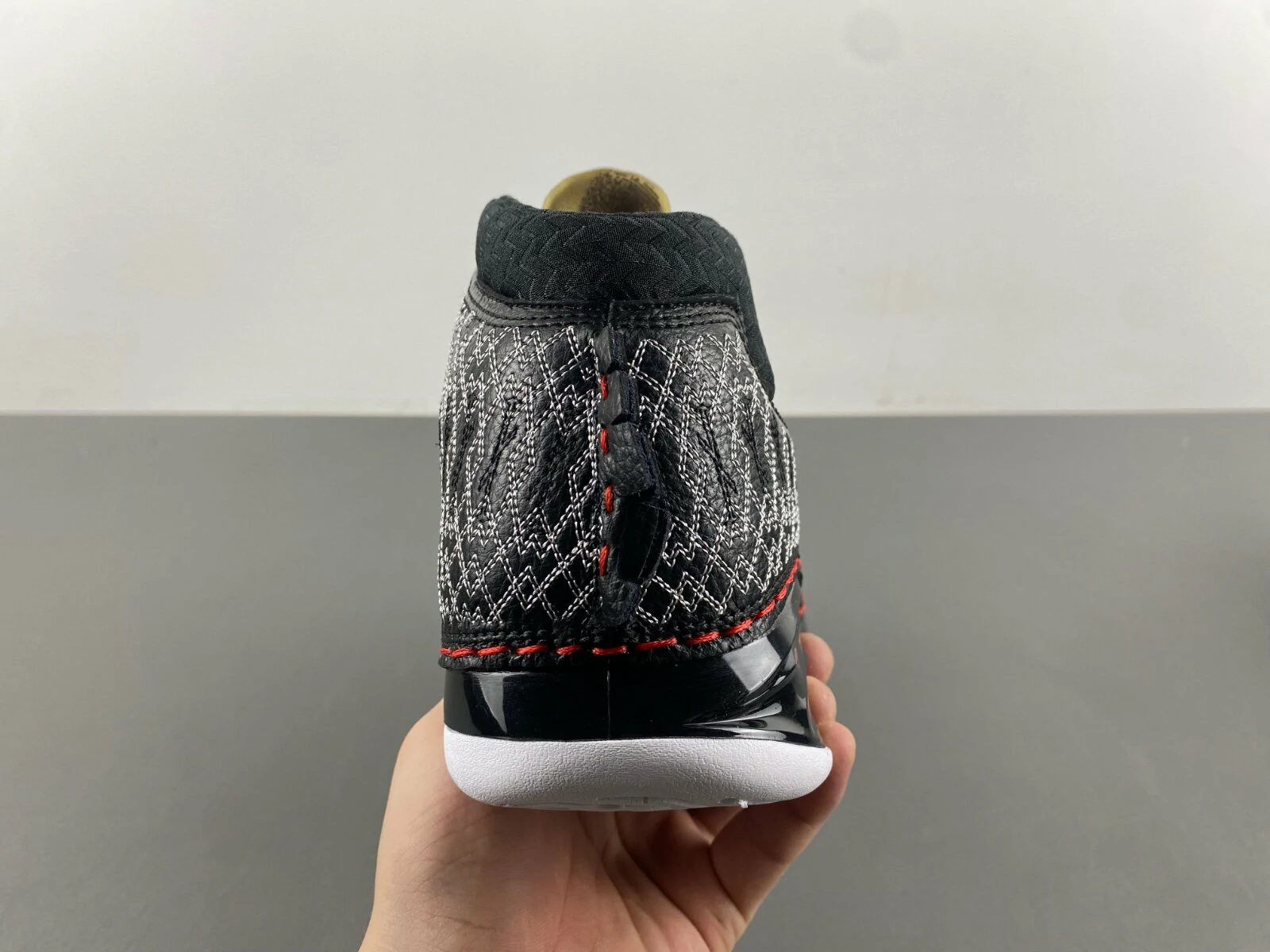
Treat new red jordans as three buying groups: low-profile daily wear, mid-tier retro, and high-attention statement pairs. Each group needs a different size curve and a different return policy. Do not buy one uniform run across all three.
Air Jordan 1 Low and Mid models are the easiest entry for a mixed audience. They photograph well, work across genders, and fit many store price bands. Air Jordan 3 and 4 retros carry stronger sneaker-culture demand, but they also invite more authentication questions. Air Jordan 11 creates the most launch-day attention, so it suits stores that can manage raffles, holds, or preorders.
| Silhouette | Core buyer | Size curve to watch | Inventory risk |
|---|---|---|---|
| Air Jordan 1 Low | Casual buyers and gift shoppers | Women's and youth sizes can sell out first | Low if the color is versatile |
| Air Jordan 1 Mid or High | Younger sneaker buyers | Half sizes around 8 to 10.5 US | Medium; watch satin or patent finishes |
| Air Jordan 3 | Retro collectors | Men's 9 to 11 US, plus women's demand | Medium; shape and materials get scrutinized |
| Air Jordan 4 | Hype-aware buyers | Broad men's run, strong 8 to 12 US | Higher; authentication and timing matter |
| Air Jordan 11 | Launch-focused buyers | Men's and women's full runs | High; late deliveries hurt sell-through |
Use the table as a starting filter, not a forecast. Your own sell-through history should override any general rule. A store near a school may need more youth sizes than a downtown boutique. An online seller shipping nationally may need a wider size spread and fewer units per size.
Size runs and margin math for independent stores
Red Jordans do not fix a weak size plan. A sensible size run for new red jordans should follow your last 90 days of returns, not a supplier's best-seller sheet. Pull three numbers for your top Jordan styles: sell-through by size, return rate by size, and days on hand. The size that sells fast and returns rarely earns the extra unit.
For a small first buy, a broken run is safer than a deep single-size bet. Take one or two units in the middle sizes and one unit at the edges. If the supplier requires a larger pack, split it with another store only when you trust the partner and the style codes match.
Margin math needs more than landed cost. Add payment fees, inbound freight, authentication time, and the cost of holding slow sizes. A pair that looks profitable at wholesale can lose money after two returns and a markdown. Set a target margin range that fits your store, then confirm every cost with the supplier in writing.
Common wholesale and freight ranges vary by volume and route. Treat any quoted range as a starting point only and confirm details directly. Do not assume red pairs carry a premium. Some red colorways sell at full price, while loud or oversized models need a discount to clear. Build a markdown reserve into the plan before you approve the order.
Supplier checks before you wire a deposit
Supplier photos of new red jordans should show the actual pair, not a catalog render. Ask for tagged photos with the style code, size label, box label, and a close-up of the stitching and sole. A supplier who cannot send fresh images for a current offer is a risk, even if the price looks attractive.
Confirm the return window, defect policy, and whether the supplier ships from stock or takes preorders. Preorders can tie up cash during a launch window, so ask for a written ship date and a backup date. For imported orders, ask a customs broker about duties, clearance, and labeling before you finalize the landed cost. Rules vary by product, value, and entry point, so do not rely on a generic chart.
Authentication is your responsibility at resale. Learn the basic checks for the silhouette: box label alignment, size tag format, stitching density, midsole shape, and accessory placement. Use a professional authenticator for high-value pairs. No blog post replaces a hands-on check, and no supplier's verbal assurance replaces your own inspection.
A practical buying checklist
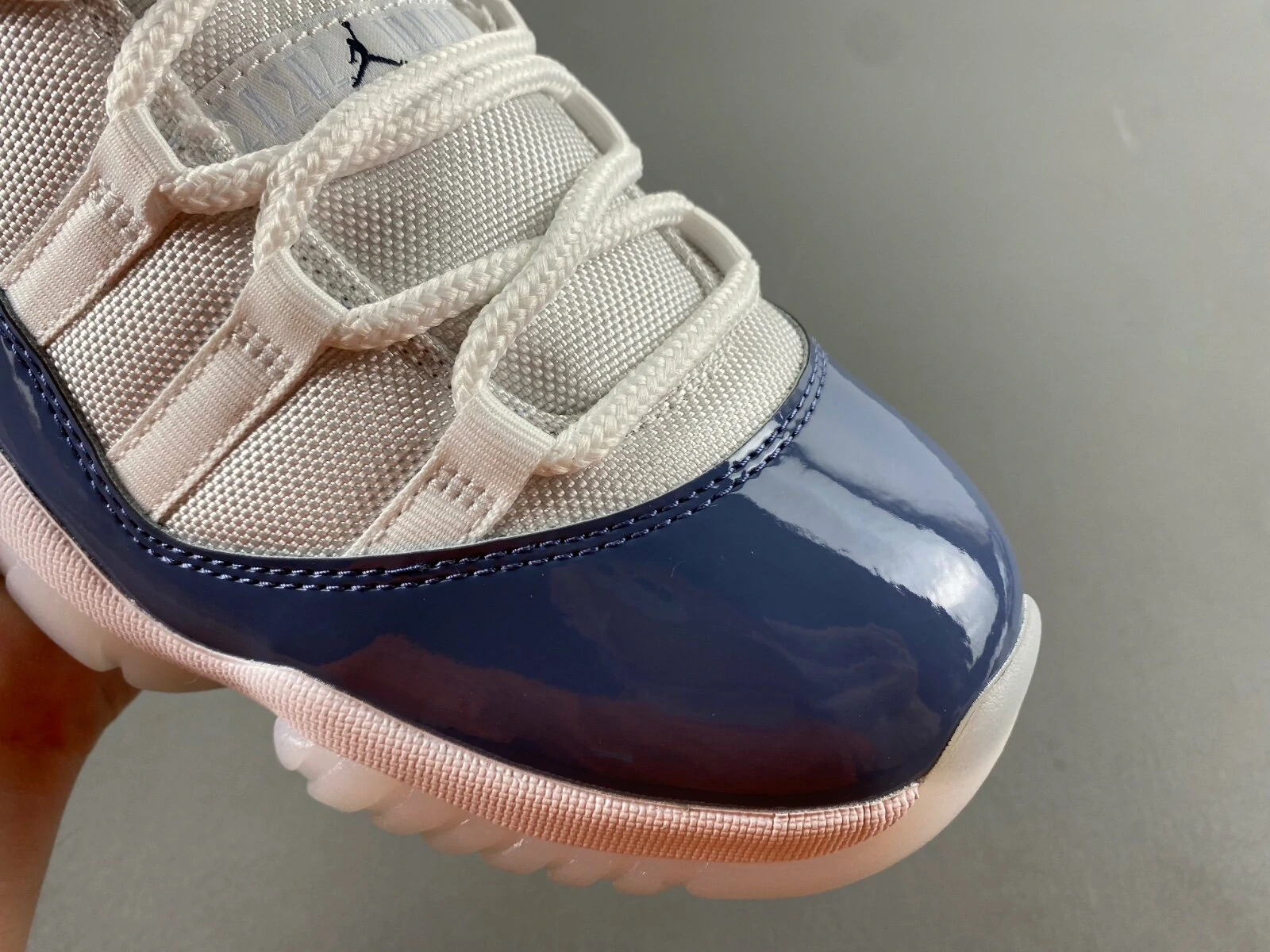
Use this list before you approve a red Jordan purchase. It keeps the decision tied to your store, not to a supplier's urgency.
- Confirm the exact style code, official color name, and size run in writing.
- Match the silhouette to your customer base, not to a general best-seller list.
- Review your last 90 days of sell-through and returns by size.
- Request tagged photos of the actual pair and the box label.
- Calculate landed cost with freight, fees, and a markdown reserve.
- Ask about return windows, defect claims, and preorder ship dates.
- Plan authentication before listing high-value pairs.
A supplier who answers these points clearly is easier to work with than one who only sends a price sheet. Keep the written answers with the purchase order so there is no confusion later.
FAQ
Are new red jordans a good first Jordan buy for a small shop?
They can be, if you choose a versatile low or mid and keep the first order shallow. Red attracts attention, but it also narrows the outfit match. Start with a colorway that includes black, white, or grey blocking, then test your local response before adding a louder pair. Confirm final cost and availability with your supplier.
Do red Jordan colorways run true to size?
Most Jordan retros follow standard US sizing, but fit changes by model and material. Air Jordan 1 and 4 often feel different from Air Jordan 11. Ask customers for their usual Nike size, and check the official size chart for the exact model. Do not promise a fit guarantee based on another red pair.
How many sizes should a small store stock?
There is no universal answer. Use your own sell-through by size and keep one or two units in the middle sizes. For a first test, a broken run with one unit per size is safer than a deep buy in a single size. Review returns after two weeks and reorder only the sizes that move.
What is the biggest red flag in a wholesale offer?
Missing style codes, reused catalog photos, and pressure to pay quickly are common red flags. Another is a price that is far below other offers without a clear reason. Ask for tagged photos, a written return policy, and a ship date. If the supplier avoids those requests, walk away.
How do I check authentication before resale?
Start with the box label, size tag, stitching, midsole shape, and accessory placement. Compare against a known authentic pair in the same model. For expensive pairs, use a professional authentication service. Keep photos of the inspection. If the supplier cannot provide clear images, do not list the pair as authentic.
Ready to compare options? Send your target silhouette, size run, and delivery window to your supplier, and ask for a current availability sheet for new red jordans. A clear request gets a clearer quote, and a clearer quote protects your margin.