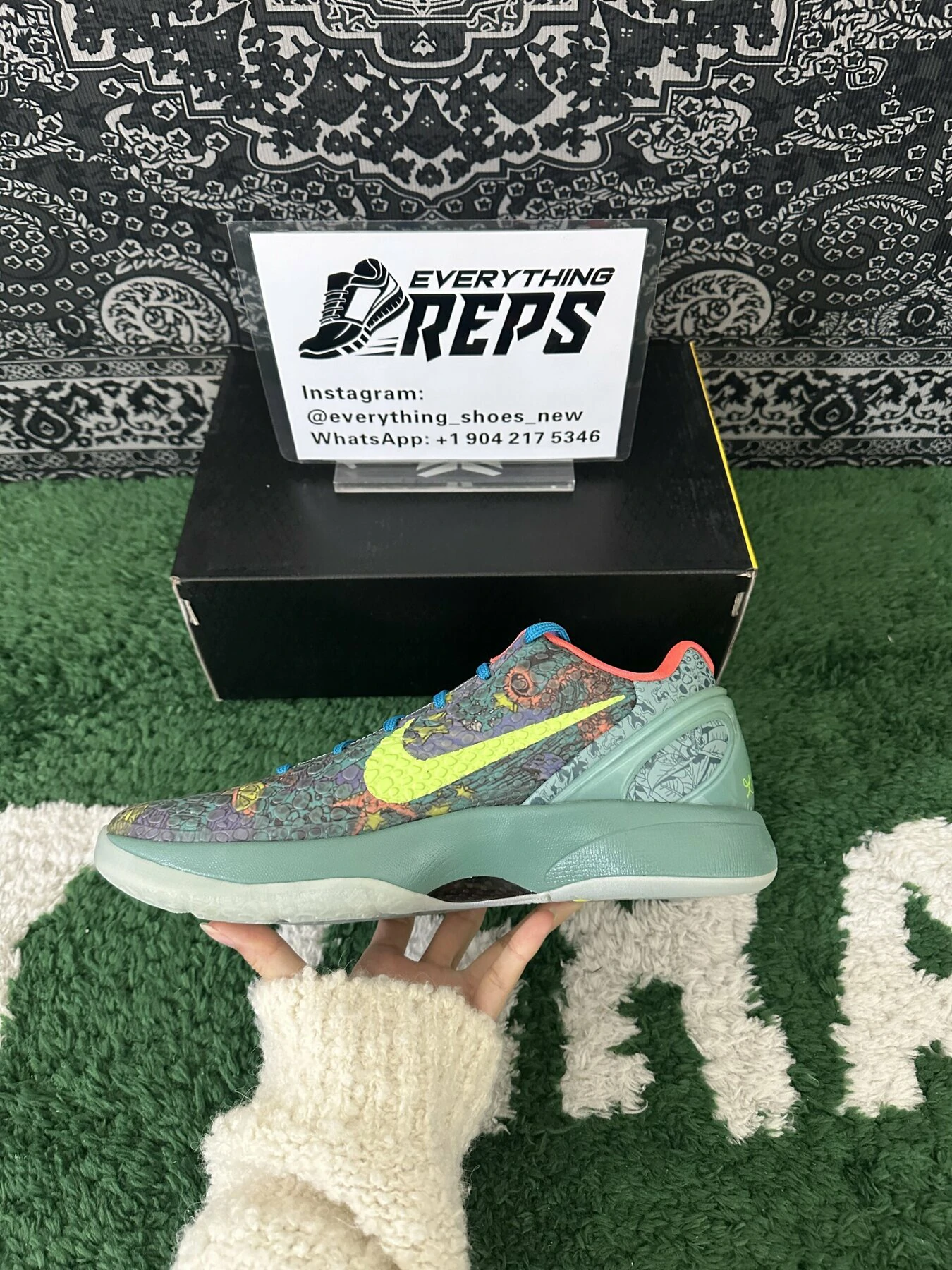
The Nike Dunk SB High Cork is a premium-tier SB Dunk High with a cork-textured upper, and it sits in that odd category of shoe that sells on material rather than hype. For an independent shop, it is a shelf piece aimed at a specific customer, not a volume driver like a core black-and-white Dunk. What follows covers the build, the fit, the authentication points, and the sourcing terms worth confirming before you spend open-to-buy dollars on it.
Who Actually Buys This Pair
Nike SB's high-top Dunk keeps the shape most buyers already know: padded collar, thick tongue with the SB mark, Zoom Air insole, rubber cupsole with a pivot circle at the forefoot. The cork version changes the surface, not the silhouette. That matters for a store because the fit advice you give on any other SB Dunk High applies here too.
Two customers show up for this colorway. The first is a collector who wants something in the tan and brown range and already owns the obvious releases. The second is a skater or everyday wearer who is tired of no, tired of black and white and wants a shoe that reads as a material rather than a logo.
Neither group buys in bulk. Expect single-pair sales, a few size questions from people who wear thick socks, and steady inquiries about whether the finish will scuff. Answer that last one honestly at the counter and you avoid returns later.
What the Cork Finish Does Under Wear
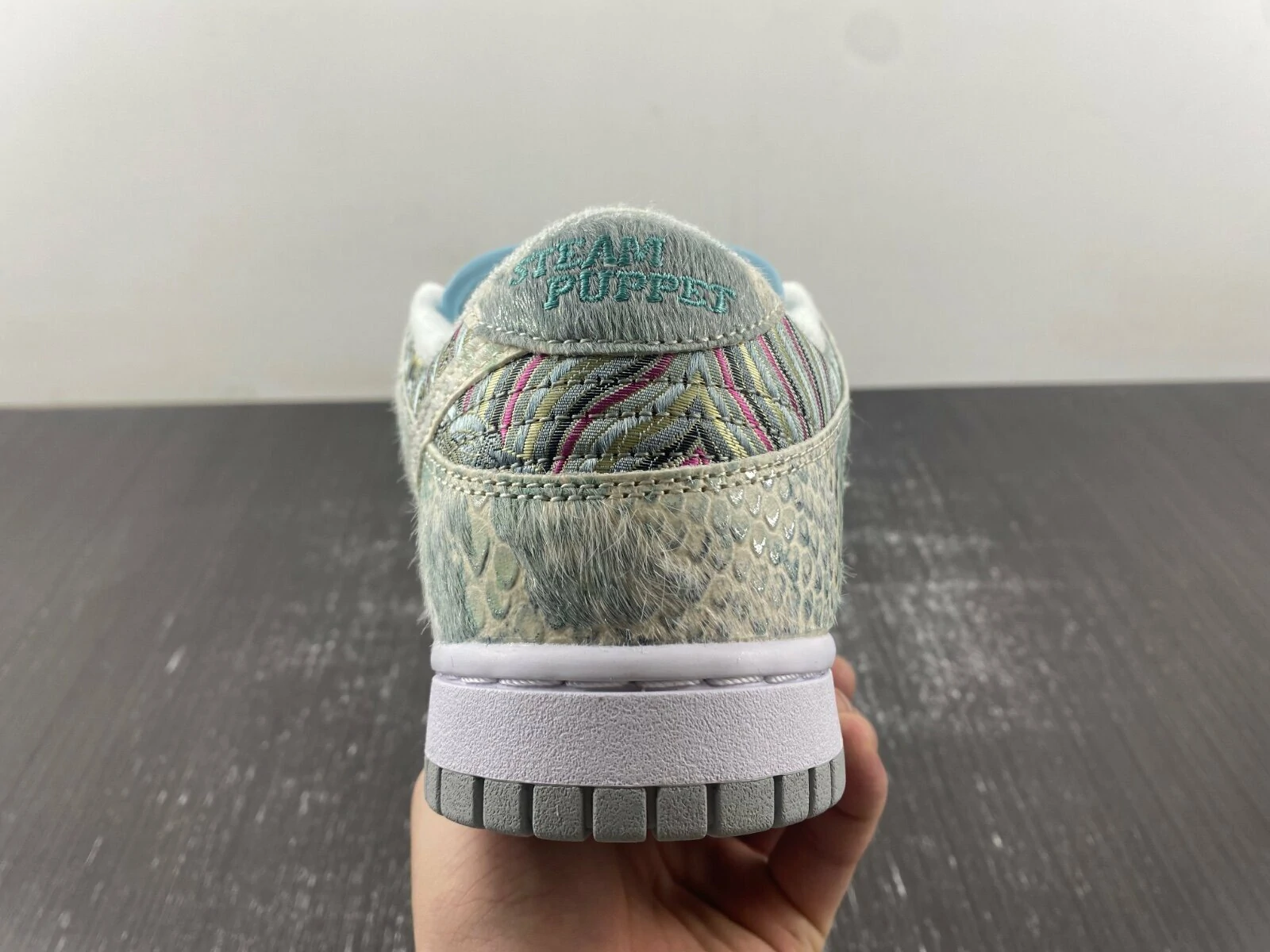
In the versions most shops see, the cork look comes from a textured finish applied over a leather or textile base, not solid cork panels. The grain repeats across the upper, so the print either lines up with the panel seams or it floats across them. That detail is one of the fastest ways to sort a clean pair from a sloppy one.
A pair of the Nike Dunk SB High Cork needs less care than suede and more care than plain leather. Wear shows up in three places: the toe box crease, the heel counter where car doors and stair edges land, and the collar edge. On darker cork tones, creasing reads as light lines. Keep display pairs out of direct sun, because tan finishes shift unevenly over a season in the window.
- Brush with a soft horsehair brush; skip erasers and harsh cleaners on the print.
- Blot spills instead of soaking them, since water can lift the finish at the toe.
- Use light shoe trees to slow creasing, and avoid over-stuffing the padded collar.
- Store in the box away from heat, and rotate window pairs every few weeks.
- Tell buyers the finish scuffs, so a toe mark does not come back as a defect claim.
Sizing and Size Run Planning
SB Dunk Highs run roomy. Most buyers take their normal US size, wide feet do fine without sizing up, and narrow feet often go a half size down once the padding packs out. The size-up advice you see online usually comes from skaters adding thick socks, not from the shoe running short.
When you build a run for the Nike Dunk SB High Cork, remember that highs move slower in summer and faster in fall. For a small opening order, weight the run toward the middle and keep the edges thin. The table below is a planning frame, not a rule; your own sell-through history beats any chart.
| Size band (US men's) | Typical buyer | Planning note |
|---|---|---|
| 8 to 9.5 | Smaller-footed adults, women buying men's sizing | Moves steadily; do not skip it on a unisex shelf |
| 10 to 11 | Core men's range | Where most of the run should sit |
| 11.5 to 12.5 | Larger-footed regulars | Slow in quiet months, first to go in busy ones |
| 13 to 14 | Big-foot buyers with few options | Keep one or two pairs, special order the rest |
| 15 and up | Niche | Order to order only |
Authentication Checks Before You Pay
Replica makers have caught up on SB boxes and tongue labels, so a single detail is never enough. Run through the list below on any pair you did not buy from an authorized account, and walk away from sellers who will not send extra photos.
- Tongue label: check font weight, letter spacing, and how the logo sits inside the patch.
- Stitch density: count stitches along the midsole curve and the heel; fakes tend to skip at corners.
- Print continuity: the cork grain should cross the panel seams in a believable way.
- Insole: Zoom Air text, print sharpness, and glue lines around the edge.
- Box label: style code, size, and colorway should match the shoe; fake labels usually run bold.
- Cupsole finish: paint edges and pivot circle texture should be crisp, not pooled.
If you buy from photos, use a seller with a return window and send the pair to a professional authentication service before it reaches the shelf. The fee is cheaper than one bad review.
Sourcing Terms Worth Confirming
Most independent shops get this colorway through one of four routes: an authorized SB account allocation, consignment from local collectors, closeout and liquidation lots, or overseas wholesale. Each route carries a different risk profile, and the price gap between them usually reflects condition and paperwork as much as the shoe.
Any quote on the Nike Dunk SB High Cork should spell out the style code, the size run, condition grading, and who pays return shipping on a rejected pair. Deadstock means different things to different sellers, so ask directly whether the box is original and whether the pair has been tried on. Small print variation between left and right is normal on this finish; peeling at the toe or print that stops mid-panel is not.
Payment terms matter as much as price. Deposits with balance on delivery are common in wholesale, but confirm the details with your supplier and your bank before wiring funds. On duties and customs handling, work with a licensed customs broker rather than a forum post, since rules change by entry type and origin.
Minimums and price breaks are negotiable in most channels, so treat a first quote as an opening number. Pull two or three quotes for a comparable grade and compare landed cost, not unit price. That single habit protects margin better than any discount you can argue for.
Questions Shops Ask Most
Does the Nike Dunk SB High Cork run true to size?
For most buyers, yes. The high-top SB Dunk has a roomy toe box and a thick insole, so wide feet stay at their normal US size while narrow feet often drop half a size. If you sell to skaters who wear thick socks, tell them their usual size is usually enough.
Is the upper real cork?
On the pairs most shops handle, the cork effect is a textured finish over a leather or textile base rather than solid cork. Check the material tag inside the collar and the feel of the panel. If a seller calls it full cork, ask for a close-up of the panel edge.
How deep should a small shop go on this colorway?
Start with a shallow run, one or two pairs per size in the core range, then reorder once sell-through proves out. Cork tones are a taste call in many US markets, and a deep buy on a texture shoe can sit for two seasons. Confirm restock lead times before committing.
What should I verify before accepting a wholesale lot?
Ask for the style code, a photo of every box label, and a written condition grade. Require returns on pairs that fail authentication. Compare landed cost across at least two suppliers, and get in writing who covers freight on rejected units.
Building an order and want a second look at a supplier quote? Send over the style code, size run, condition grade, and payment terms, and we can walk through the landed cost math and the return language before you commit.