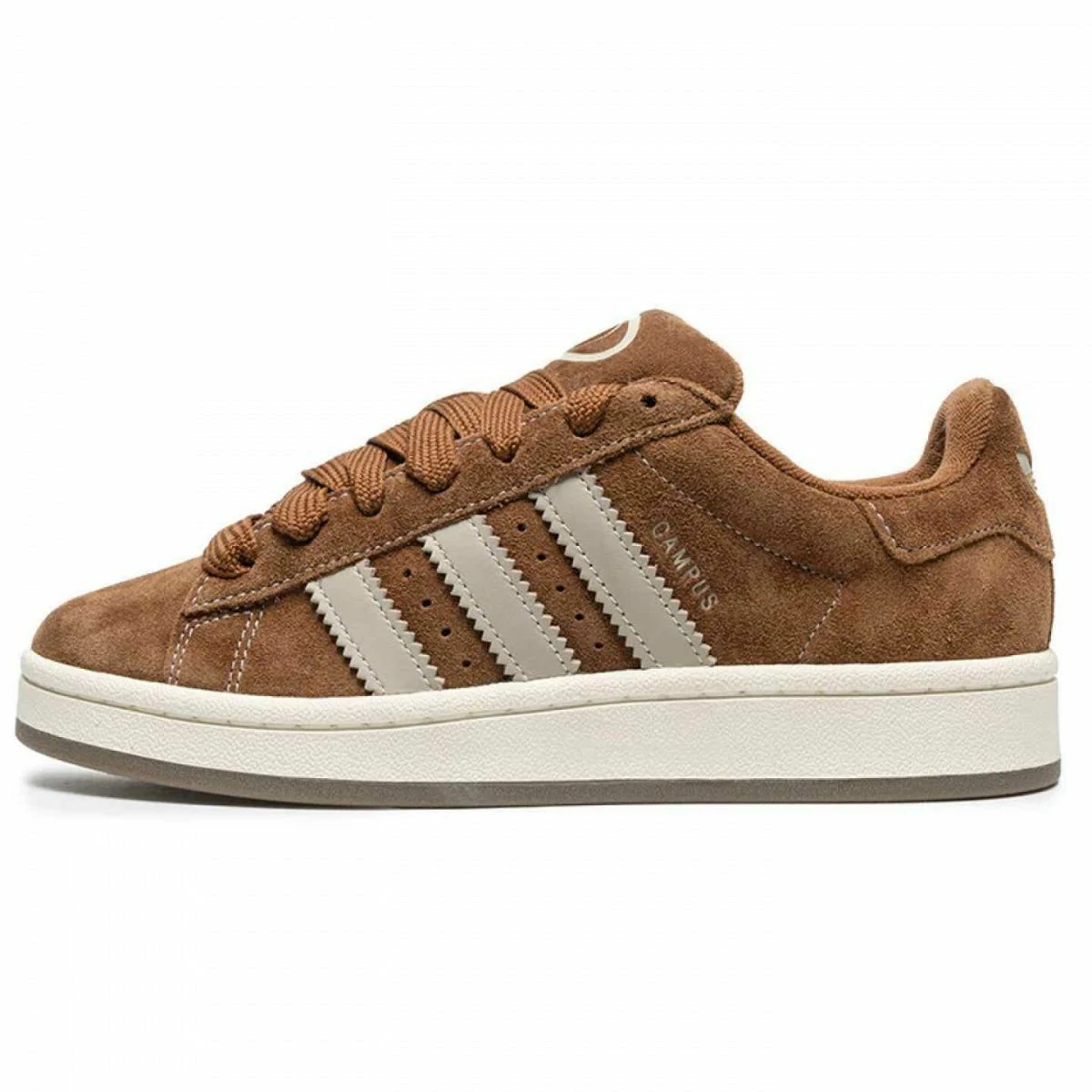
The all-White superstar is still one of the safest core SKUs a small footwear shop can carry, as long as you buy the right size run and verify what arrives on the pallet. Demand is steady rather than spiky, the shoe photographs well for listings, and returns stay low when the fit is right. This guide covers how the adidas superstar all white performs as inventory, how to build a case pack around real sell-through, how to screen replicas at intake, and how the main Sourcing channels compare.
Why this colorway keeps turning over
Clean leather, a rubber shell toe, and three perforated stripes make this an easy add-on sale. Shoppers who need one white sneaker for work, school, or a uniform usually land here after comparing a few options. It is not a hype release, and that is exactly why it sells in February and again in September.
The flip side is availability. The adidas superstar all white sits in broad distribution, so nearly every competitor within driving distance can price it. Plan to compete on fit advice, in-stock sizes, and fast shipping rather than on markup.
White uppers carry a return risk that black or navy does not. Creasing from a single try-on, yellowed midsoles on old stock, and glue stains are the complaints that come up most often. Inspect pairs in daylight before they reach the wall, and rotate boxes so older production dates sell first.
Sizing and the pack you should order
Most Superstar releases use unisex sizing, so a women's conversion usually means going down about one and a half sizes. Verify the current conversion on the official size chart before you print anything for the sales floor, since label wording has changed between releases.
For a US shop, the core of the run is men's 8 through 11, with 9 and 10 doing the heaviest lifting. Sizes 7 and 12 move slower, and anything above 13 is usually a special order unless you serve a team account. A workable rule is two pairs in the core, one on each shoulder, and none in the tail until you have your own numbers.
Keep one try-on pair per core size and label it clearly. Shoppers who can test the fit convert more often, and a dedicated try-on pair keeps the sellable stock free of creases. Review sell-through by size every week in spring, when the curve on a white sneaker shifts fastest.
Authenticity checks before the pair hits the shelf
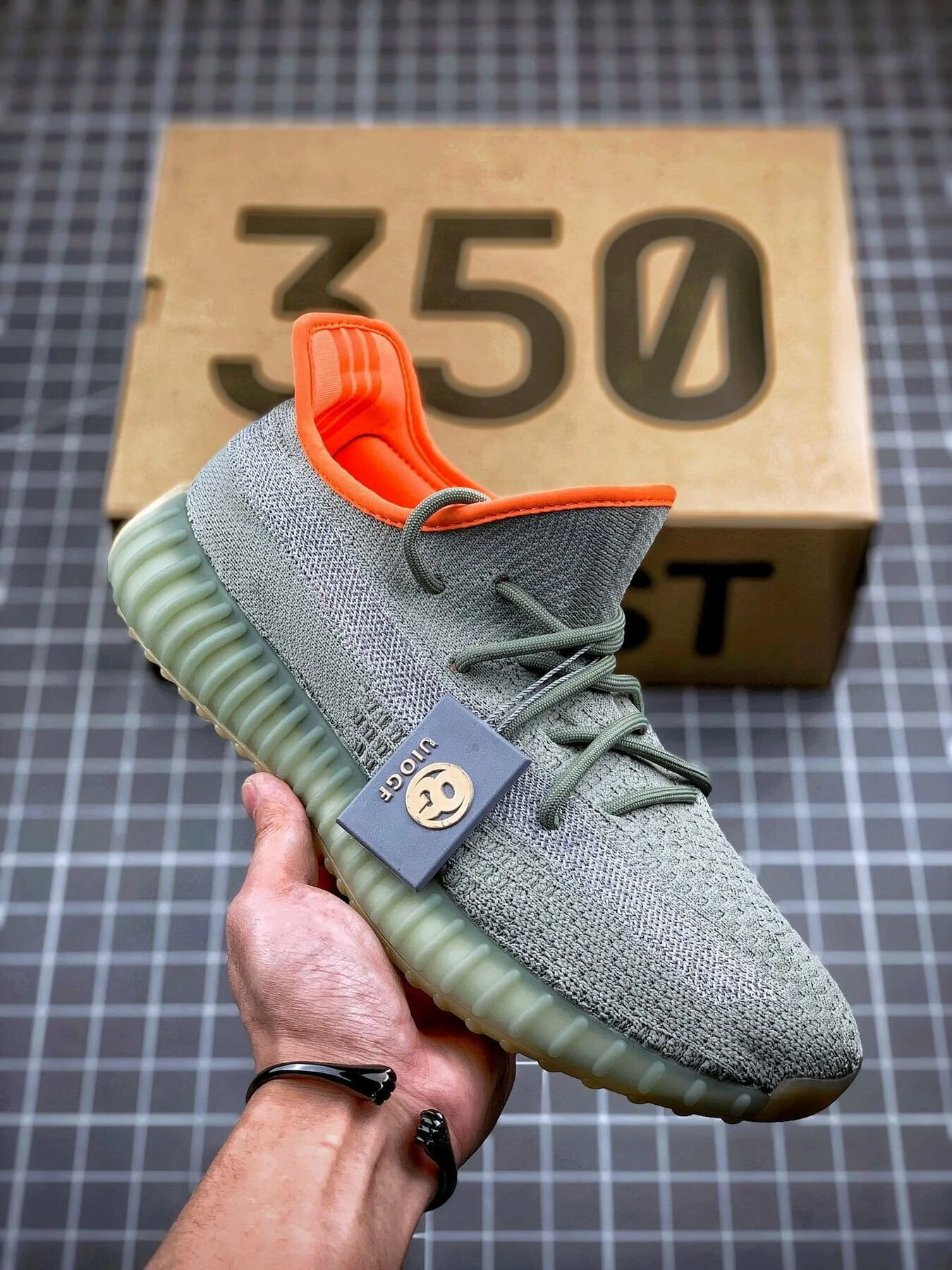
The Superstar is one of the most copied sneakers on the market, and the adidas superstar all white is the hardest version to judge from photos because there is no color contrast to compare. Screen every inbound lot, including lots from suppliers you have used for years. One bad pair in a case pack can cost you a customer who tells the whole neighborhood.
Run these checks on a sample from each lot, then spot-check the rest before pricing anything:
- Label match: style code, size, and production window should agree across the box label, tongue tag, and insole print.
- Shell toe: the rubber cap should sit even, with a clean ridge and no glue squeeze-out along the edge.
- Stitching: compare stitch count per inch on the heel tab and stripes. Loose, uneven spacing is the usual tell.
- Heel patch: the trefoil and lettering should be centered with sharp edges, not blurred or oversized.
- Weight and flex: counterfeit pairs often feel lighter and stiffer through the midsole than a genuine pair.
- Odor: heavy solvent smell out of the box is a warning sign, though never proof on its own.
No single check proves a pair is genuine. Use three or more together, and route anything questionable to a professional authentication service before it is listed. On larger lots, ask for the invoice chain and get the return policy in writing before you pay.
Sourcing channels compared
Where you buy moves your landed cost more than any negotiation tactic. The four channels below cover most of what a US independent shop runs into, and each trades price against risk in a different way. Figures are typical ranges only, so confirm current terms with each supplier.
| Channel | Typical order size | Lead time | Margin reality | Main risk |
|---|---|---|---|---|
| Authorized distributor | Case packs, brand minimums apply | 1 to 3 weeks domestic | Thin but predictable | Allocation limits on core sizes |
| B2B wholesale marketplace | Mixed cases, small trials possible | 1 to 2 weeks | Moderate | Inconsistent grading between sellers |
| Closeout and liquidation lots | Pallets or full lots | 2 to 4 weeks | Wide, but the size run is random | Broken runs, older production dates |
| Factory-direct overseas | High minimums, often by container | 4 to 10 weeks plus customs | Best unit cost at volume | QC variance, freight and duty exposure |
For most independents, one distributor account plus a marketplace backup covers the bulk of the year. Liquidation makes sense only if you can sell a broken size run, for example through an outlet table or an online listing with honest size gaps. Direct imports pay off at volume, but customs and duty work is real work; confirm classification and landed cost with a licensed customs broker before you commit.
What a repeat order should look like
Work backward from the shelf price instead of forward from the invoice. Take the retail price you can actually hold, subtract your target margin, and see what landed cost still works. That number is your ceiling, not the number on the supplier's quote.
Before you send a reorder for the adidas superstar all white, run this sequence:
- Pull sell-through by size for the last 60 days and flag anything under 30 percent.
- Compare the current production date on your stock against the new lot being offered.
- Confirm the pack breakdown in writing, including whether you can split sizes.
- Ask for photos of the actual shells and heel patches, not catalog images.
- Get freight, duty responsibility, and the return window in the same email thread.
- Set a cleaning and repackaging budget for returns before you approve the PO.
Watch the quiet margin killers. Freight quoted per pallet that changes at pickup, chargebacks for label errors, and duty questions that surface after delivery are all common. Each one is cheaper to fix before the order ships than after it lands.
White stock also needs its own line in the budget. Returns often come back wearable but not sellable, so keep a cleaning kit and a few spare boxes on hand. If you move more than a few dozen pairs a month, that cost is worth tracking separately.
Frequently asked questions
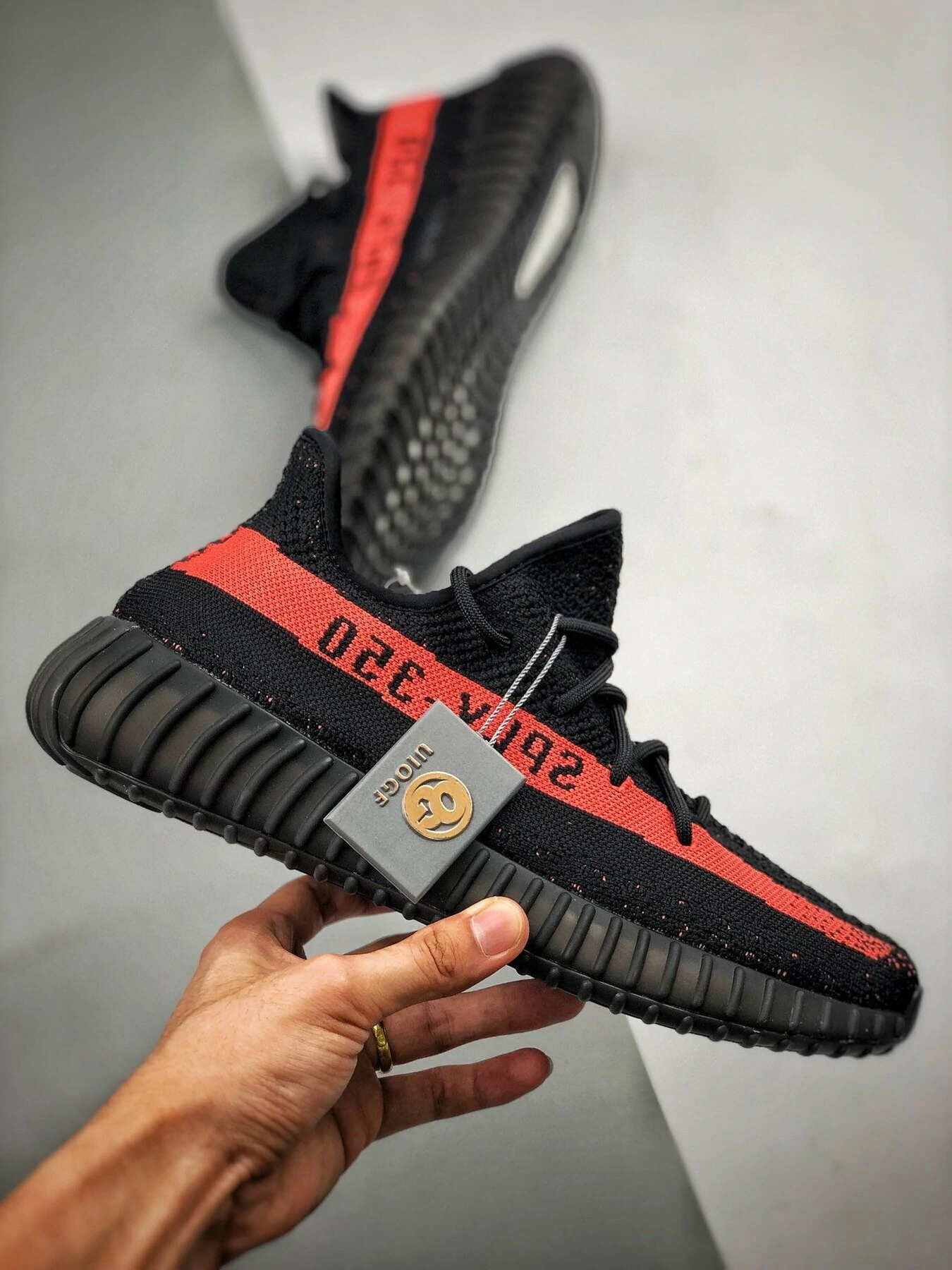
Does the adidas superstar all white run true to size?
For most buyers, yes, with one caveat. The shoe fits true to a standard men's size, but unisex labeling means women should size down roughly one and a half sizes from their usual women's size. Wide feet often need a half size up in the leather upper. Check the official chart and let customers try a pair first.
How many pairs should a small shop order the first time?
Start with one case pack or the smallest order the supplier allows, concentrated in men's 8 through 11. That gives you four to six weeks of selling data on a white colorway without tying up cash. Reorder only the sizes that sold at full price, not the ones that moved after a markdown.
Are liquidation lots of white Superstars worth the risk?
Sometimes, but only at a discount deep enough to absorb broken size runs and older production dates. White pairs yellow with age, and a pallet stored in a warm warehouse loses value quickly. Ask for production dates and photos of the actual lot before you bid.
How do I keep white stock from yellowing on the shelf?
Keep boxes off the floor and away from direct sunlight and heat sources. Rotate the oldest production dates forward so nothing sits for a year. A silica packet helps in humid climates. Check display pairs weekly and swap them out before the midsole starts to shift color.
Building a white sneaker program for spring starts with a realistic size curve and a landed cost you can defend. Send over the sizes you need and the price you need to hit, and we will tell you what is actually available, what the pack sizes look like, and where the terms get tight.