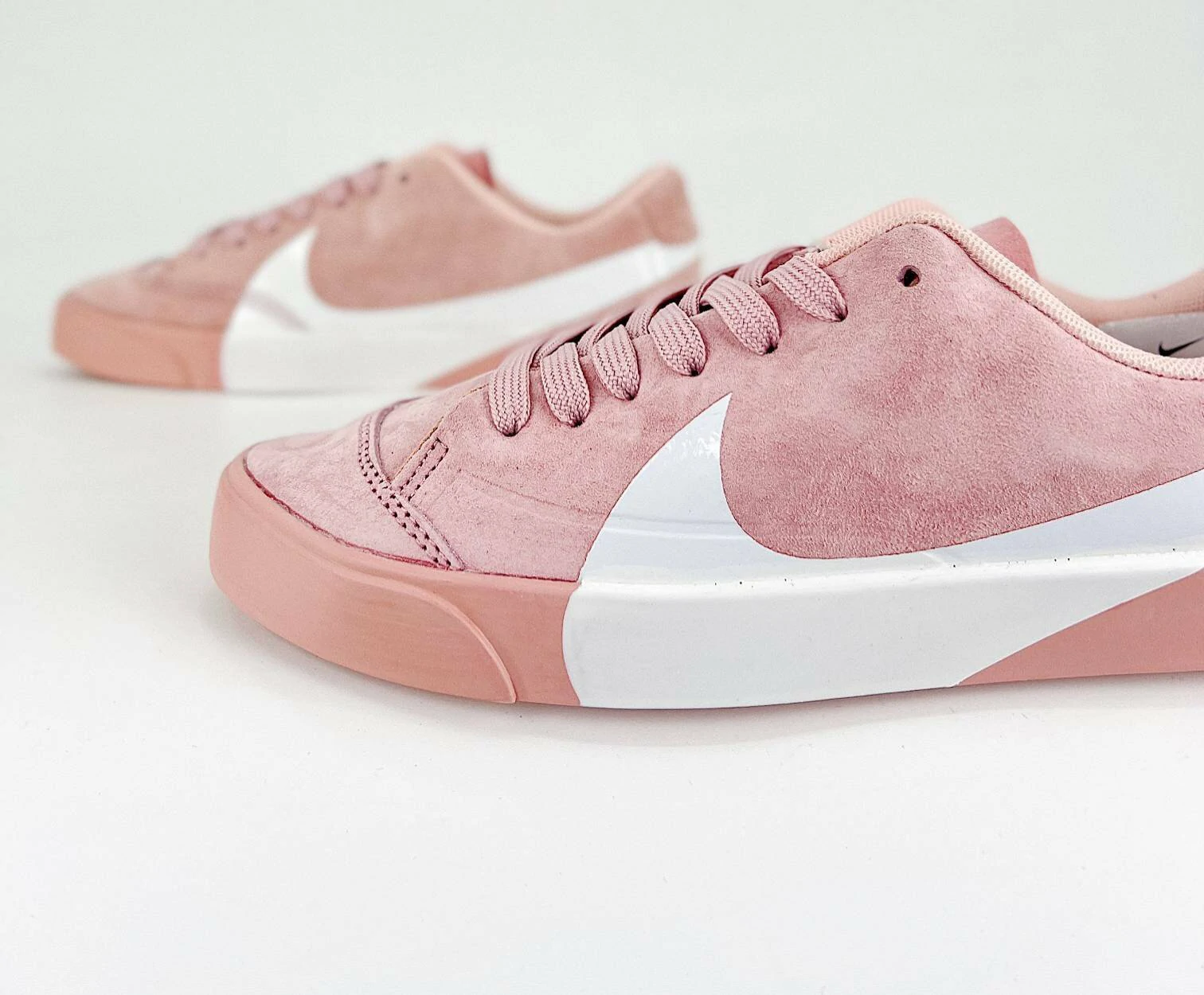
When buyers ask "are nike dunks flat shoes," the short answer is yes in the everyday sense: the standard Dunk sits on a low-profile foam midsole and rubber outsole with very little heel lift. It is not a zero-drop barefoot shoe, though, and the footbed still has a slight arch shape. This article explains what the sole actually feels like, how Dunk Low, Dunk High, and SB Dunk differ, and what US shop owners should check before adding pairs to an order.
The confusion comes from the word flat. Dunk is flat compared with an Air Max or a thick running shoe. It is not flat like a canvas plimsoll with no structure. For most customers, that distinction matters more than the label.
What a Dunk Sole Actually Feels Like
A standard Nike Dunk Low uses a foam midsole, a rubber outsole, and a low-cut upper. The heel-to-toe drop is small, so the foot sits close to the ground. That low platform is why shoppers hunting for flat sneakers often shortlist the Dunk.
Underfoot, the shoe still has a contoured insole and a firm foam layer. Someone with very high arches may find the arch support modest. Someone who wants a wide toe box should try the shoe rather than assume it will fit like a minimal trainer.
If a customer asks, "are nike dunks flat shoes?" because they have heel pain or wear orthotics, hand them a pair to try with their own insole. The answer can change once a thick aftermarket insole goes inside.
Dunk Low, Dunk High, and SB Dunk Compared
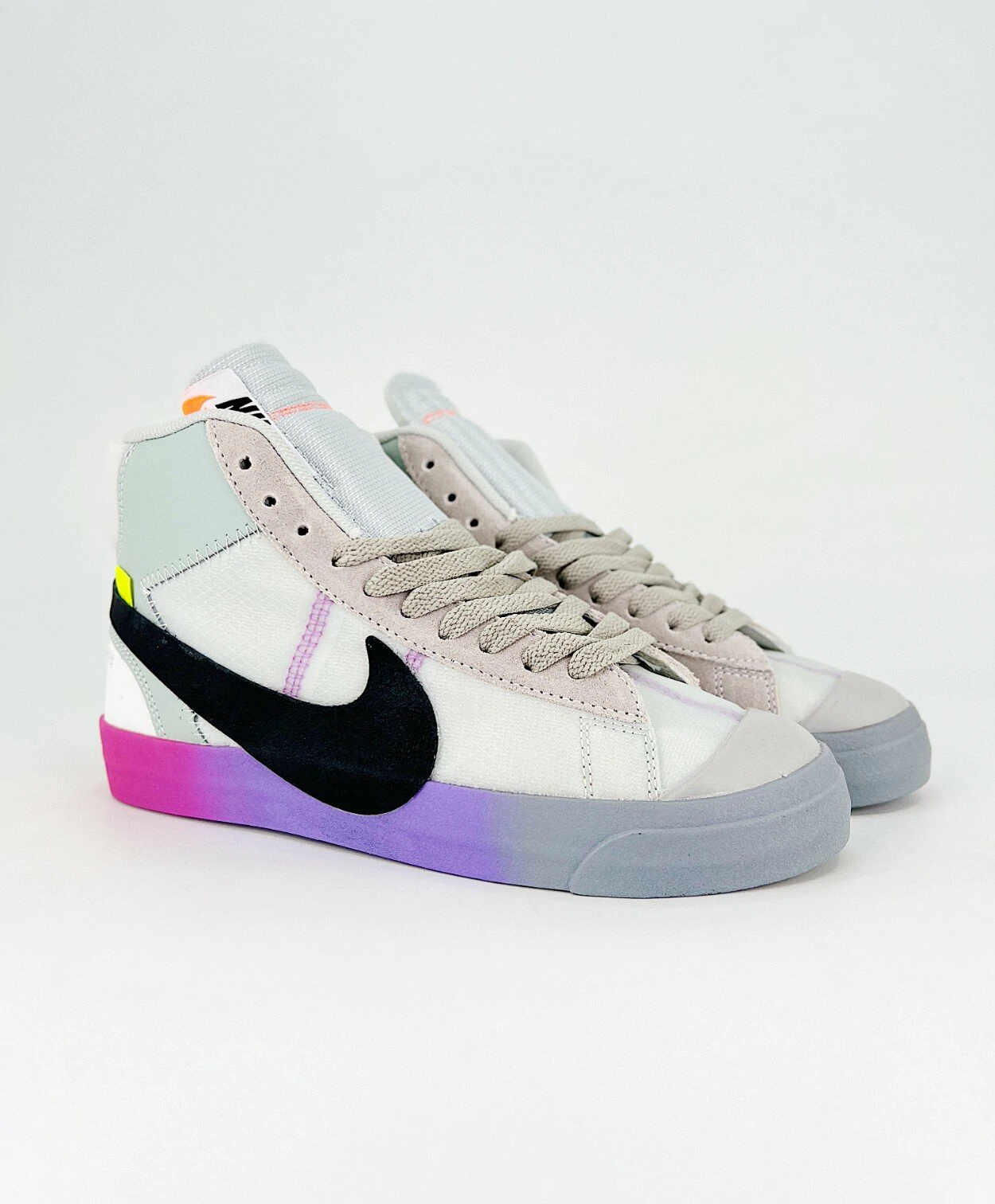
The three main families look similar on the shelf, but the sole and padding differ enough to affect fit. A Dunk High adds ankle coverage, not a taller heel. The SB Dunk has a bulkier tongue, more padding, and a different ride that many skaters prefer.
Use the table below as a quick counter reference. It is not a substitute for trying on a pair, but it helps staff steer a customer toward the right model.
| Model | Sole profile | Heel lift | Padding | Best for |
|---|---|---|---|---|
| Dunk Low | Low-profile foam with rubber outsole | Low | Standard | Casual wear and flat-shoe shoppers |
| Dunk High | Same low-profile sole as the Low | Low | Standard plus ankle collar | Customers who want ankle coverage |
| SB Dunk Low | Low-profile with more cushioning | Low, slightly softer | Thick tongue and extra padding | Skaters and buyers who want a plusher fit |
| Air Force 1 Low | Thicker sole with more visible cushioning | Moderate | Standard | Customers who want more platform than a Dunk |
The answer to "are nike dunks flat shoes" changes slightly when you move from a standard Dunk to an SB Dunk. The SB pair still sits low, but the extra padding can make it feel less flat against the foot.
Who Should Stock Them for Flat-Shoe Shoppers
For retailers, the question "are nike dunks flat shoes" is not just about fit; it is a stock question. Dunks sell to customers who want a low, stable sneaker with brand recognition. They also appeal to buyers who like a clean silhouette with panels that take color well.
Do not treat every Dunk request as a request for orthopedic footwear. Most shoppers want a flat-looking casual shoe, not a medical device. Ask what they plan to wear it with and whether they need room for an insole.
Stock a mix of neutral colorways and a few seasonal pairs. Neutral black, white, and grey pairs move across age groups. Loud colorways need a clear local audience or a plan for online sales.
Fit, Sizing, and Insole Checks
Dunks generally fit true to size for many buyers, but fit varies by model, material, and foot shape. Leather pairs can feel firmer at first. SB versions may feel snug because of the padded tongue and collar.
Ask customers to try their usual US size and one half size up if they wear thick socks or add an insole. Check heel slip, toe room, and pressure across the top of the foot. A shoe that feels flat underfoot can still pinch elsewhere.
A simple way to answer "are nike dunks flat shoes" at the counter is to compare them with a shoe the customer already wears. If they like Vans Authentic or Converse Chuck Taylor, a Dunk will feel more structured and cushioned. If they wear running shoes, it will feel lower and firmer.
Buying Checklist for US Retailers
Before you place a wholesale order, separate the question of style from the question of fit. Dunk demand is driven by colorway, size run, and local customer base. A popular national color can sit on your shelf if your customers wear different silhouettes.
Use this checklist when you review a supplier or a new batch:
- Confirm the exact model name, model number, and size run in writing.
- Ask for current product photos and, where possible, a sample pair.
- Check the insole, stitching, tongue label, and outsole pattern against a known pair.
- Compare landed cost, not just unit price, including freight and duties.
- Ask about return terms, defect rates, and replacement policy.
- Start with a small test order before committing to a deep size run.
Prices, minimum order quantities, and freight vary by supplier and season, so treat any quote as a starting point only. Confirm details with the supplier and your customs broker before you commit.
Frequently Asked Questions
Are Dunks good for people who need flat shoes?
For many casual wearers, yes. Dunk soles are low and stable, with little heel lift. They are not zero-drop, and they still have a foam footbed. Customers with arch pain or custom orthotics should try them in person.
Do Nike Dunks run true to size?
Many buyers take their usual US size, but fit depends on the model and material. SB Dunks often feel snugger because of extra padding. Leather pairs may need a short break-in period. Always check the official size chart.
Are SB Dunks flatter than regular Dunks?
The sole profile is close, but the SB version has more padding and a different insole feel. It can feel plusher rather than flatter. The standard Dunk Low is usually the better pick for a simple low-profile casual shoe.
Can I use Dunks for wide feet?
Some wide-footed wearers size up, but the shape is not designed as a wide toe box shoe. Check toe pressure and the midfoot fit. If a customer needs extra width, offer a half size or a different silhouette.
If you are building a Dunk assortment for a US shop or online store, start with a focused size run and a small color range. Contact your supplier for current availability, size breaks, and a quote based on your market.