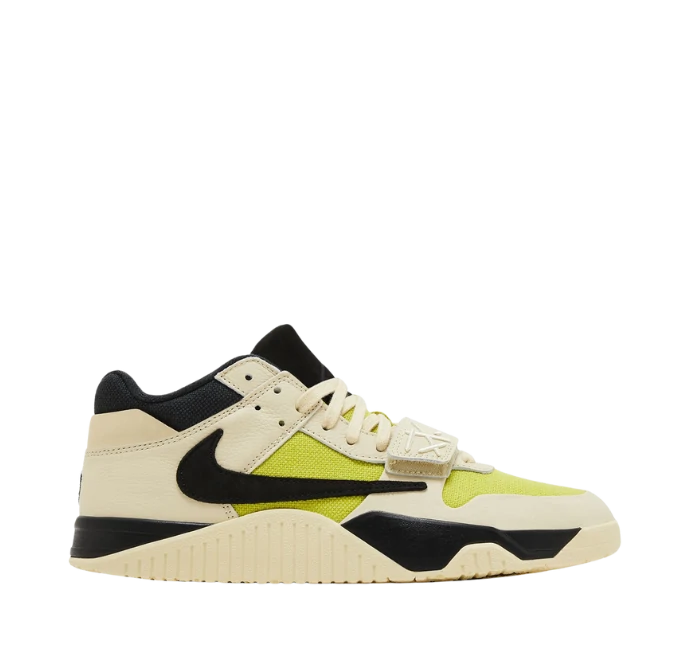
The Air Jordan 4 Retro Fear Pack last sat on a retail shelf in 2013. Anyone listing an Air Jordan 4 Retro Fear Pack for sale today is working the secondary market, consignment, or a wholesale channel built on top of both. That one fact should shape how you buy.
What follows covers the shoe itself, the customers who ask for it, the fit questions that come back after the sale, and the verification steps worth running Before money leaves your account.
What the Fear Pack 4 Actually Is
Jordan Brand released the Fear Pack in 2013 as a three-shoe set: the Air Jordan 3, 4, and 5, all in dark, muted builds with matching packaging. The 4 in that pack pairs a black and dark grey upper with a white speckled midsole and red accents around the tongue and heel.
Supply is fixed. No reissue has landed, so every pair in circulation is either a 2013 deadstock unit, a worn pair, or a replica. That third group is where new buyers lose real money, which is why authentication belongs before price negotiation in every conversation you have with a supplier.
Why Customers Keep Asking for It
Fear Pack pairs sit in the same drawer as the other 2013 oddities: limited, dark, and a step away from the usual white-and-red Jordan palette. Buyers who missed out in their teens now have budgets, so demand arrives as steady search traffic rather than sharp spikes.
For most independent shops, the right depth is one. Keep a display pair or take a piece on consignment, then let special orders carry the rest. A full size run of a decade-old shoe ties up cash that a current retro would turn over several times faster.
Fit and Size Runs Worth Carrying
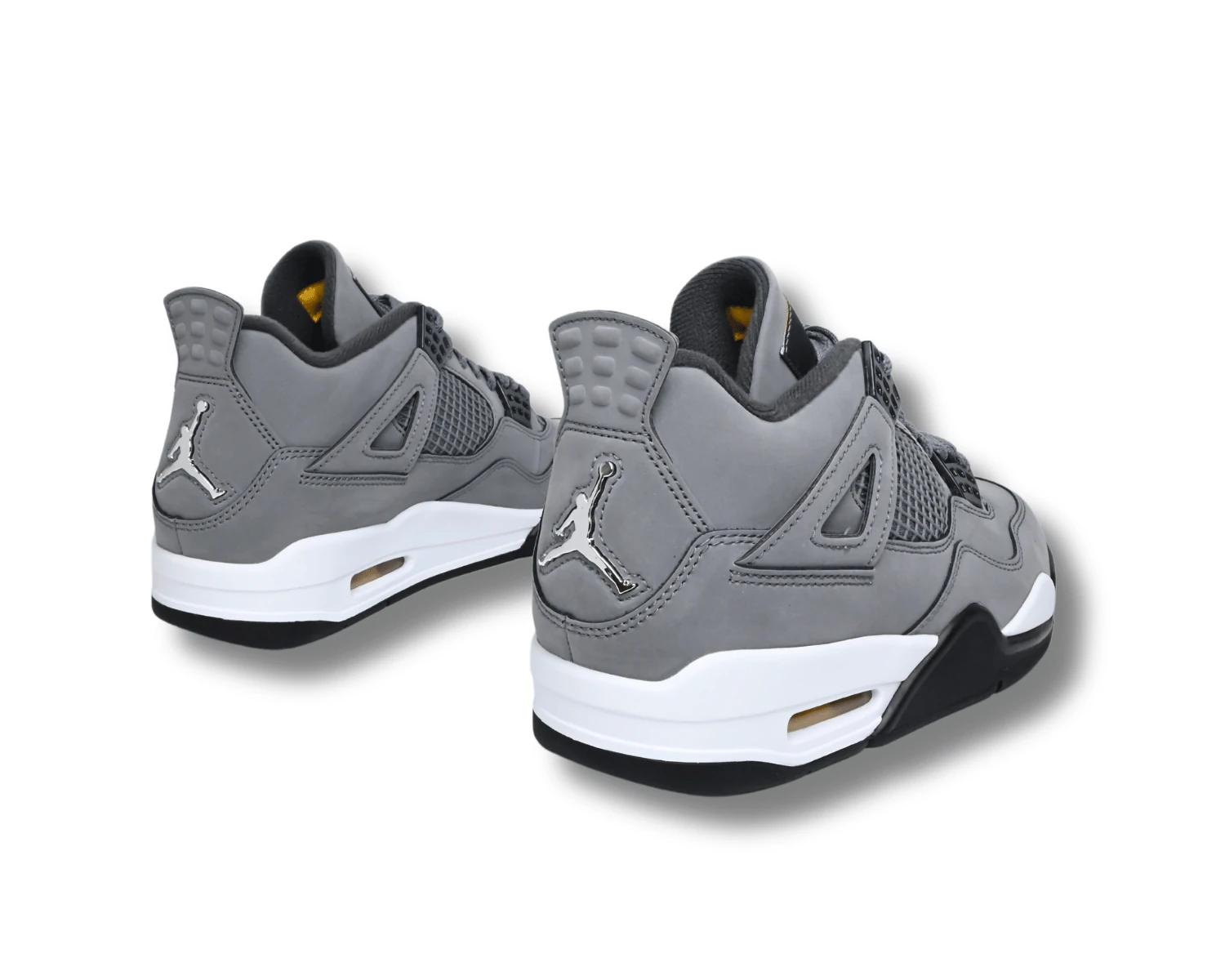
The Air Jordan 4 runs true to length but snug across the midfoot. Wide-footed customers usually need a half size up, and that advice matters more on a 2013 pair because the materials have had years to stiffen.
Men's US 9 through 11 is the volume window on nearly every Jordan 4, and this colorway follows the pattern. GS pairs exist and command a premium, though they also attract more counterfeits, so price them only after a hands-on inspection or a paid legit check.
Condition notes deserve space on your product page. Yellowed midsoles, dried glue at the toe, and creased toe boxes are normal on a shoe this old. Customers who read the flaws up front return fewer pairs and leave better reviews.
Six Checks That Separate a Real Pair from a Problem
Most bad purchases trace back to a skipped step taken under time pressure. Before an Air Jordan 4 Retro Fear Pack for sale listing goes live on your site, the pair should clear every item below. A seller who wants a decision within the hour is telling you something.
Run the checks on photos first, then again in hand when the box arrives. One clear failure is enough to walk away, and a supplier who cannot send sharp images of all six has already answered your question.
- Size tag. Compare font weight, the production date range, and the country line against photos of a confirmed pair, not a thumbnail lifted from a blog.
- Midsole speckle. Real speckle is random in density; replicas repeat the pattern or overspray the edges.
- Tongue and Jumpman stitching. Check tongue height, stitch count, and whether the logo sits flat instead of puckering at the corners.
- Box and packaging. Fear Pack boxes have specific label fonts and print quality. Ask for the label, the tissue, and any hangtag before you commit.
- Weight and smell. Aged pairs smell of old glue and rubber. A sharp solvent smell is a warning, and so is a pair that feels light in hand.
- Provenance. A receipt, an order screenshot, or a report from a legit-check service your shop already trusts carries more weight than any story.
Photograph everything on arrival, including the tag and the box label, before the pair reaches the shelf. That record protects you if a customer disputes authenticity six months later.
Pricing, Margins, and Choosing a Channel
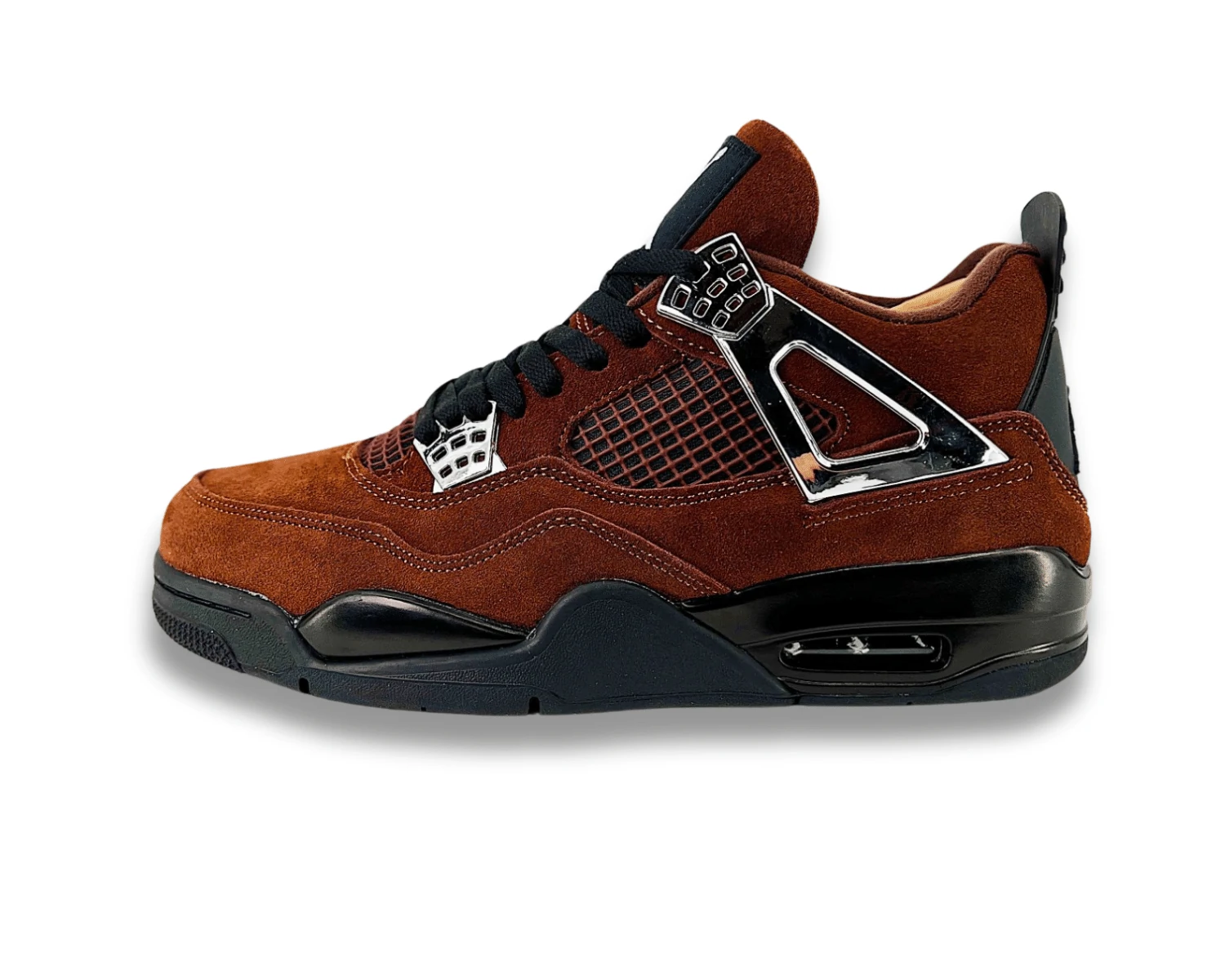
Deadstock pairs in common sizes generally trade in the several-hundred-dollar range, and clean examples with the original box push higher. Condition, size, and packaging move the number more than any listing headline. Treat every figure you see as a starting point and confirm it against recent sold data.
The buy-side math is straightforward. A workable rule of thumb for most shops is a landed cost under roughly 60 percent of realistic resale, with room left for marketplace fees, shipping, and a legit-check fee. An Air Jordan 4 Retro Fear Pack for sale at a price that looks too good usually skips one of those costs, and the seller rarely absorbs it.
Four channels cover nearly every pair a US shop will see, and each one carries a different risk profile. Use this table as a conversation starter, not a price list, since terms shift with condition and size.
| Channel | Typical unit cost | Minimum quantity | Authentication risk | Best for |
|---|---|---|---|---|
| Marketplace single pairs | Close to full resale value | One pair | Moderate, depends on seller history | Filling one customer request |
| Local consignment | Negotiated, often below resale | One to a few pairs | Low when you inspect in person | Display pairs with known history |
| Vintage and closeout wholesale lots | Lower per unit, varies widely | Case or pallet lots, confirm with supplier | High, grading is inconsistent | Shops with in-house authentication |
| Overseas factory-direct offers | Lowest quoted, highest total risk | Varies, get it in writing | Very high, assume replicas until proven | Not recommended for this model |
Read the table left to right and the trade-off becomes obvious. The lowest cost per unit sits with the channel that gives you the least control, and control is the whole game on a shoe with fixed supply and an active counterfeit market.
Common Questions From Shop Owners
Is the Fear Pack 4 still available at retail?
No. The pack released in 2013 and Jordan Brand has not reissued it, so retail shelves are out. Everything now moves through resale, consignment, and wholesale lots assembled from those channels. If a supplier claims new retail stock, ask for the source before you ask for the price.
Does this pair run true to size?
Length is true to size, but the fit is narrow through the midfoot. Customers with wide feet should go up a half size, and anyone planning daily wear should expect a break-in period. On older pairs, check for sole separation before the first wear.
Where do US shops find an Air Jordan 4 Retro Fear Pack for sale in bulk?
Mostly through closeout and vintage wholesale suppliers, consignment partners, and marketplace buying at volume. Ask about size run availability, condition grading, and whether returns are accepted on failed authentication. Get the terms in writing and start with a small test order.
How much should a small shop order?
For a shoe this old, one or two pairs in the highest-demand sizes is usually enough, with the rest handled as special orders. Bulk lots only make sense if you already sell older retros regularly and can authenticate in house. Confirm condition standards before payment.
Are GS sizes worth stocking?
Sometimes. GS pairs sell to collectors as well as to parents, and they carry a premium because fewer clean pairs survive. They also draw more replicas. Inspect in hand or use a legit-check service before listing, and photograph the tag.
If you source older Jordan retros for a US storefront, begin with a small trial order and a written condition standard rather than a large commitment. Send over your target size run and landed cost, and we will tell you honestly what is realistic for this colorway before you tie up inventory budget.