
Official Jordan 4 release dates are set by Nike and published through the brand launch calendar, the SNKRS app, and major retailer drop pages, usually a few weeks to a few months before pairs ship. What you see today is a working draft, not a purchase order. For a shop, the more useful question is not when the next drop lands but which drops deserve shelf space and cash.
This guide covers the buying side of the calendar: where the dates come from, how to verify them before you commit money, and how to turn a drop list into an order plan that fits your store.
Why the calendar matters more to a shop than to a fan
A fan tracks one pair in one size. A store tracks a full size run, a colorway's resale signal, and how long the box will sit if the drop misses. Same calendar, different job.
Retro 4s also carry a heavier unit cost than most general-release runners. A slow colorway ties up real money, and two mediocre buys can crowd out the pair that would have sold through in a week.
Where the dates come from, and how to verify them
Most jordan 4 release dates surface in three places, and each one earns a different level of trust. Treat every date as a claim with a source attached, because the source is what decides how much you commit.
Official brand channels first
Nike's launch calendar and the SNKRS app are the reference point. A date that appears there is close to final. A date that has not appeared there is still a rumor, however credible it sounds.
Check the calendar weekly rather than daily, and watch for brand launch emails. Drops move for production, shipping, and regional reasons, and a weekly pass catches nearly every change.
Retailer launch pages
Large US retailers publish their own launch lists, and those pages often confirm timing before smaller accounts ever see an allocation sheet. Compare two or three of them against the brand calendar.
When a retailer posts a date the brand has not confirmed, hold the order and wait for a second source. That gap is exactly where bad purchase orders get written.
Leak accounts and social posts
Leak accounts are good for early colorway photos and poor for firm dates. Use them to gauge interest, not to plan inventory.
Keep a short log of colorway, first rumor date, confirmed date, and source. After a few months you will know which accounts are early and which are simply guessing.
Turning a calendar into a buying plan
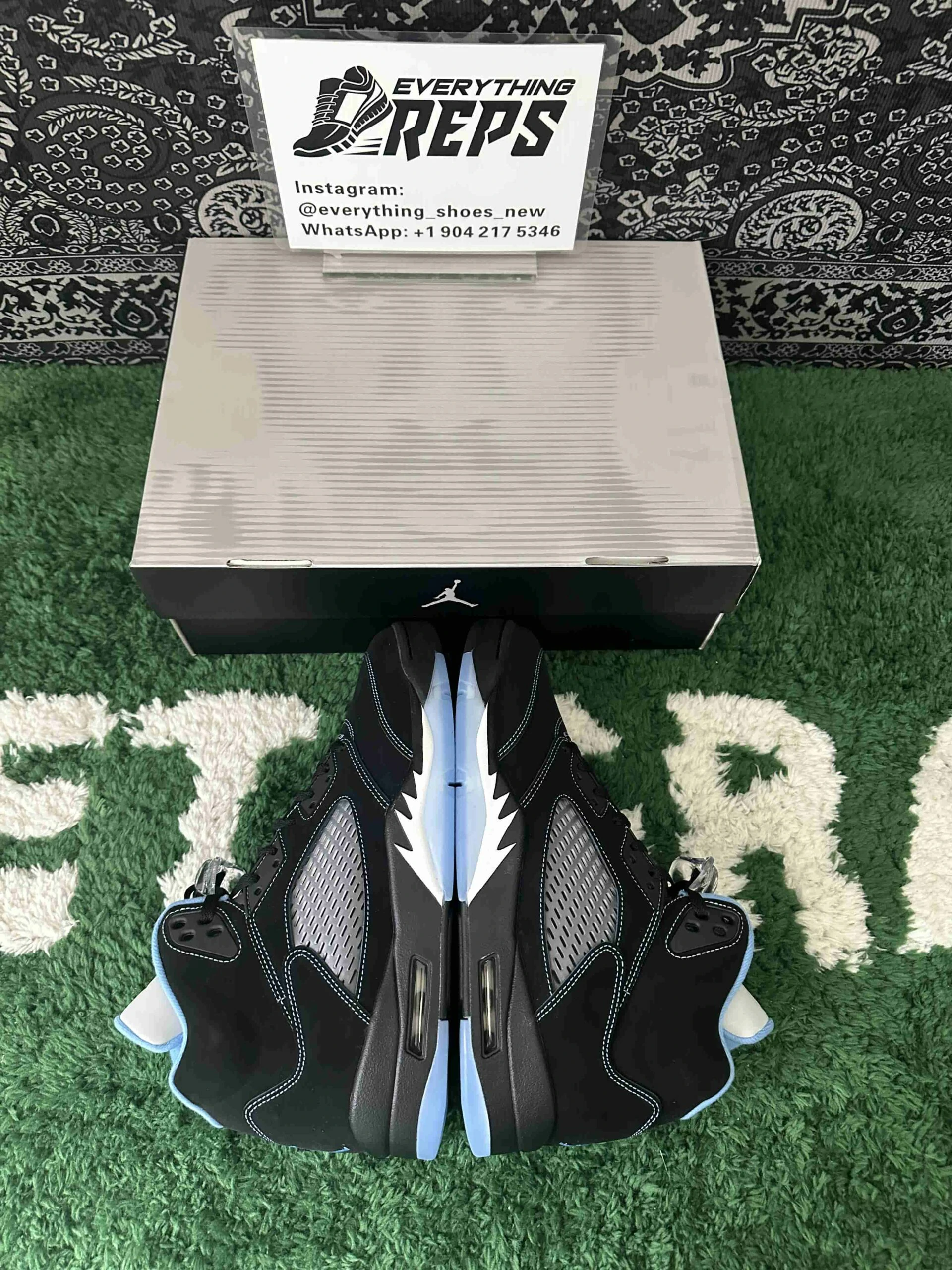
Once you have a set of jordan 4 release dates you trust, sort them by drop type before you sort them by date. A general release and a limited collaboration need different size curves and very different total units.
The table below maps the most common signals to a buying move. The moves are starting points, not rules, and they should be adjusted against your own sell-through history.
| Drop signal | What it usually means | Buying move | Risk level |
|---|---|---|---|
| Retro of an original colorway | Nostalgia demand, usually a wider release | Fuller size run, weighted to 9–11 | Medium |
| New collaboration or limited pair | Short supply, hype-driven pricing | Go deep in core sizes or skip entirely | High |
| General release in a core colorway | Steady, repeatable demand | Standard run, restock if it sells through | Low |
| Restock of a recent drop | Demand has already been tested | Reorder only the sizes that sold out | Low |
| Online-only or regional launch | Uneven allocation, shipping friction | Confirm shipping terms before committing | Medium |
Retail on recent retro 4s has generally sat in the low $200s, though MSRP shifts with colorway and year, so confirm current pricing and wholesale terms with your supplier before you set a shelf price.
Sizing and allocation details that change the math
US men's 9 through 11 is where most of the money sits on a retro 4, with 8 and 12 close behind. Sizes 7 and under, plus 14 and up, move slower, so order them lighter unless you have regular customers who ask for them.
A crowded month changes the math. When jordan 4 release dates land within a few weeks of each other, order the second drop lighter than the first, because two hot releases in one month split the same foot traffic.
Women's sizing on the retro 4 uses a conversion rather than a separate last, so a women's 10 is roughly a men's 8.5. If your customer base is mixed, stock the overlap in both listings instead of assuming the labels are interchangeable.
Kids and preschool pairs are a separate decision with lower unit cost and lower margin. Those sell best when a parent can see the shoe on a shelf rather than on a screen.
A pre-commit checklist for each drop

Run the same checks before every order. Ten minutes of verification beats eight months of dusty boxes in the stockroom.
- Confirm the launch window on at least two independent sources, one of them official.
- Classify the colorway as an original retro, a general release, or a limited pair.
- Review sell-through on the last three Jordan 4s you stocked, by size.
- Set the size curve before you set the total unit count.
- Get wholesale cost, shipping terms, and the return policy in writing.
- Agree on an allocation percentage, not a round number someone quoted over the phone.
- Write a sell-by date and a markdown plan for anything still on the shelf when it passes.
That last item matters most for a small shop. A written exit plan turns a bad buy into a small loss instead of a slow one.
Questions buyers ask before the next drop
How early are jordan 4 release dates announced?
Brand confirmation usually lands a few weeks to a few months before launch, and rumor accounts often post earlier than that. Plan purchase orders around the confirmed window and treat anything earlier as a lead, not a commitment. Re-check the calendar weekly, and get written confirmation from your supplier before you pay a deposit.
Do Jordan 4s fit true to size?
Most buyers go true to size in the retro 4, though the shoe runs a little narrow through the midfoot and some customers size up half a step for width. Order the core run straight and add a few half sizes above it. Always check the brand's current size chart rather than an older conversion table.
Are launch dates the same in every region?
No. US, European, and Asian launches can fall on different days, and some colorways stay regional. If you source from overseas suppliers, confirm which market a pair was made for, since region can affect box labels, size tag language, and sometimes the retail packaging itself.
What should I confirm before paying a deposit?
Get the launch window, available size breakdown, cost per size run, shipping terms, and return policy in writing. Ask for allocation as a percentage of your request rather than a unit count. If a supplier cannot name a source for the date, treat the order as speculative and size it accordingly.
Building next quarter around upcoming drops? Send your size curve and target colorways through the wholesale inquiry form, and we will come back with current availability, allocation ranges, and shipping timelines so you can place an order you can actually sell through.