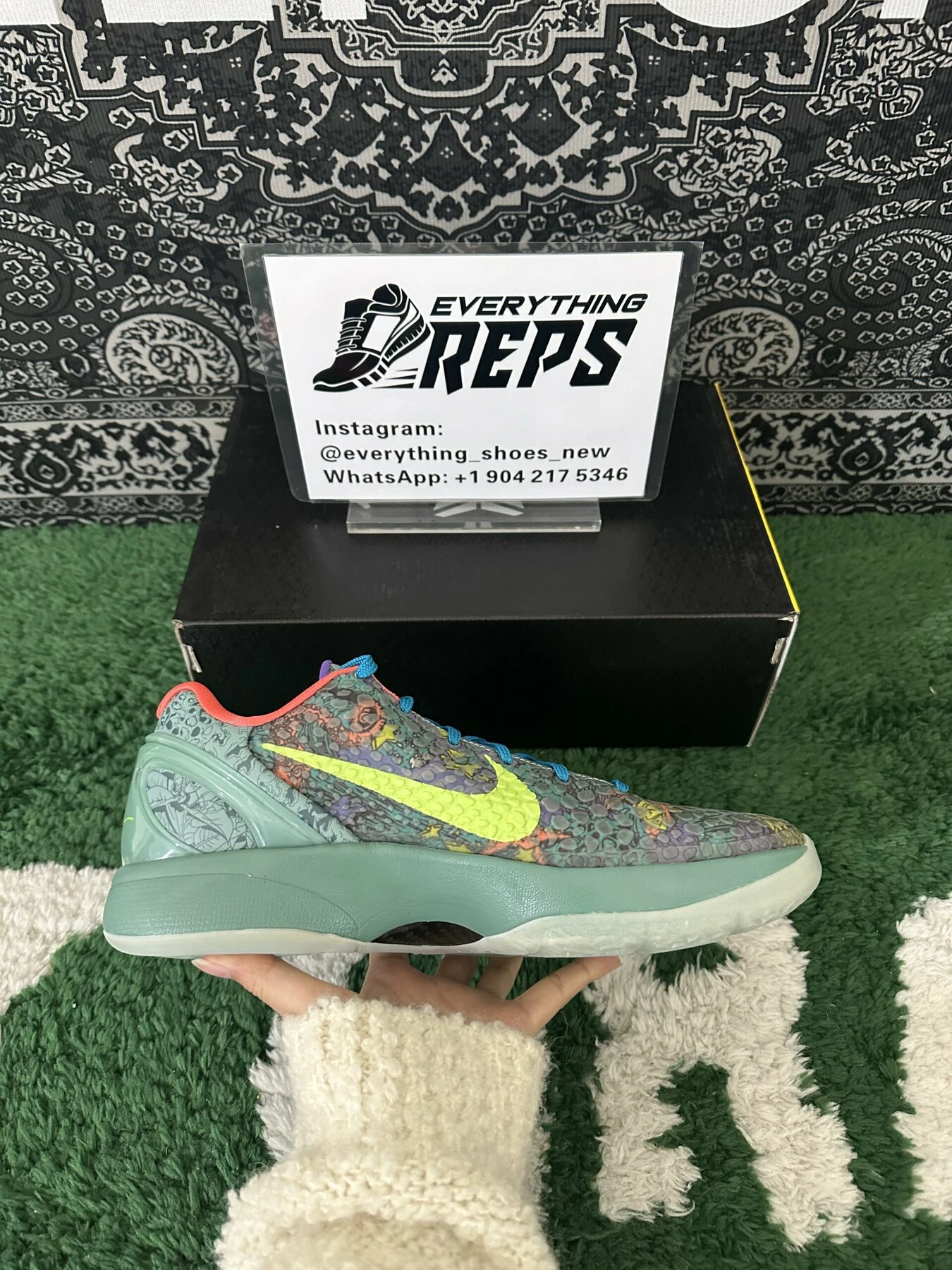
The Nike Dunk Low Stranger Things is not a standard in-line shoe you can reorder like a black-and-white Dunk. Most pairs sold under that name are custom, tribute, or concept builds, and Nike's official Stranger Things collection has focused on other silhouettes. That difference matters for US stores, online sellers, and wholesale Buyers because it changes what you are actually sourcing and how you should price the risk. This guide covers how to evaluate the shoe, what to ask suppliers, and where the margin traps usually sit.
Treat the name as a search term first, not as proof of a factory SKU. A listing can show a hand-painted custom, a fan-made mockup, or a Dunk Low dressed in Hawkins-inspired colors. Your job is to separate the story from the shoe before you place a deposit.
What the Name Usually Means
Most listings use the phrase loosely. Some sellers show a custom pair built on a base Dunk Low, while others use it for a tribute colorway with green, cream, black, or red accents. A few use it simply to catch search traffic for Stranger Things fans who want a Dunk.
Nike's official Stranger Things collaboration has centered on models such as the Blazer Mid and Air Tailwind 79. That does not stop resellers from using the Dunk name, but it should make you cautious. A serious Nike Dunk Low Stranger Things listing should include provenance, not just a mood board.
If a supplier claims factory-direct stock of an official collab, ask for a style code, box label, and launch reference. Without those, treat the offer as a themed custom or a private-label build. That label affects both your customer service and your legal risk.
Design Cues and Fit
Custom pairs often borrow visual cues rather than exact plot details. You may see forest green and cream, black with red accents, or a Hellfire Club style motif. Check whether the artwork is painted, printed, embroidered, or stitched, because each method ages differently.
| Check | Why it matters | What to request |
|---|---|---|
| Source type | Custom, tribute, and claimed official pairs carry different risk. | A written description of who made the pair and from what base shoe. |
| Style code and label | Labels are easy to copy but still useful for cross-checking. | Clear photos of the size tag, box label, and sole stamp. |
| Material and artwork | Painted graphics can crack, and prints can peel. | A close-up of the toe box, swoosh, and heel artwork. |
| Fit sample | Custom padding can change sizing. | One sample pair with insole length measured in US size. |
Dunk Low fit is familiar to most US buyers, but custom work can change it. Heavier lining, a thicker tongue, or added heel padding can make the shoe feel tighter. Ask for a measured insole length in the exact US size you plan to sell.
For average feet, many buyers take their usual Nike size. Wide-foot customers often need a half size up, especially in a Dunk with a stiff leather upper. Publish that guidance clearly if you sell online, and link customers to Nike's official size chart for a baseline.
Sourcing Checks That Save You Money
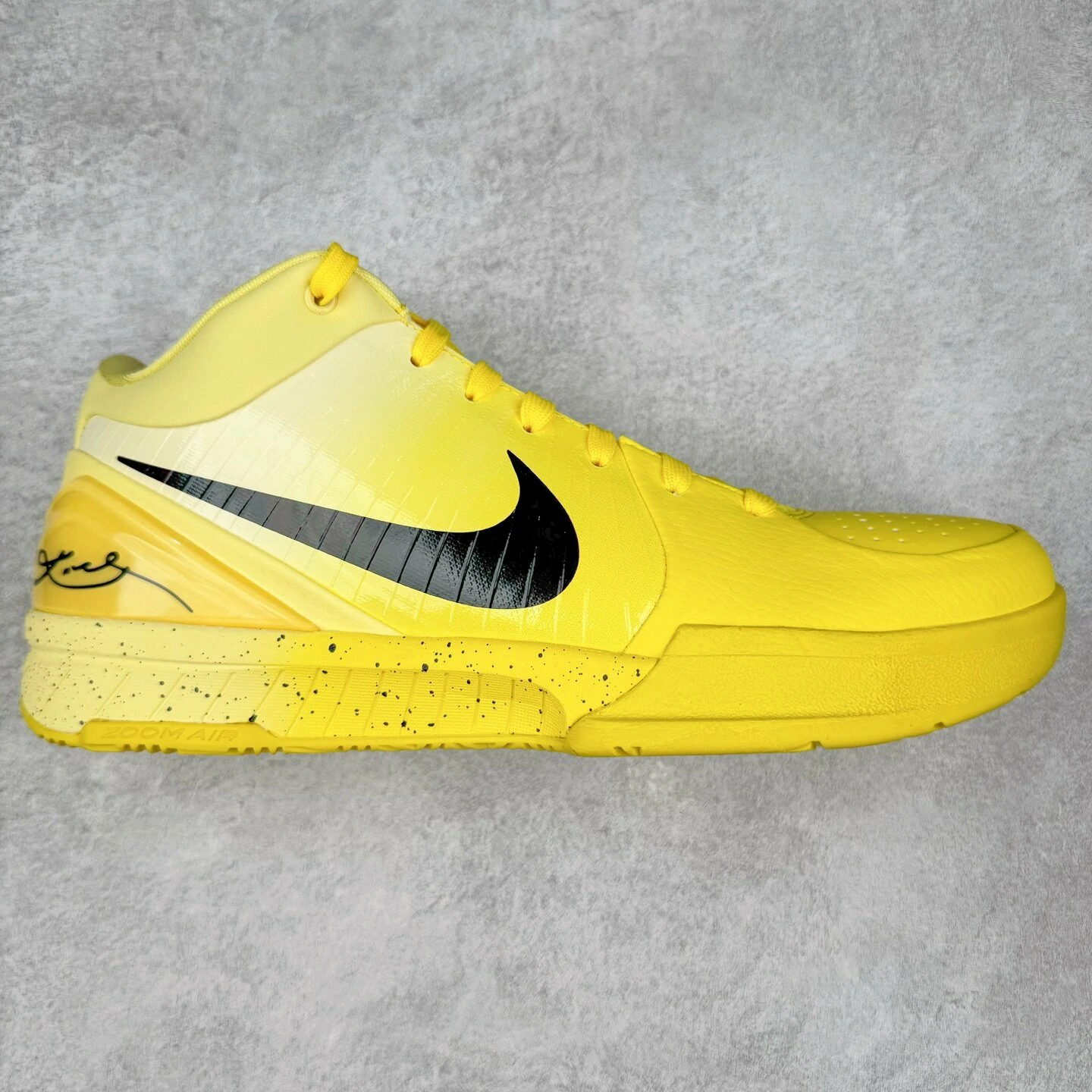
Before you commit to a Nike Dunk Low Stranger Things buy, separate the shoe from the story. A strong theme can sell a weak pair once, then create returns and chargebacks. Ask for real photos, not catalog renders, and compare the same angles across two or three suppliers.
- Ask for the style code, box label, and factory stamp photos.
- Request timestamped images of the actual pair you will receive.
- Confirm whether graphics are painted, printed, or stitched.
- Get the return policy and defect window in writing before deposit.
- Order one sample and inspect stitching, glue lines, and sizing.
Do not accept a video that shows a different pair from the one in the quote. Ask the supplier to place a dated card next to the shoe in the photo. That simple step filters out lazy brokers and stolen images.
A sample order is your cheapest insurance. Wear the sample around the shop, check the toe box crease, and measure the insole. If the sample feels off, a bulk order will not improve with volume.
Margins and Inventory Risk
The Nike Dunk Low Stranger Things theme can move product around a show release or a social media spike. It can also go quiet fast. Do not build a deep buy around one theme unless you have pre-orders or a clear local fan base.
MOQ varies widely by supplier and is often negotiable for sample orders. Treat any number as a quote-specific term, not a market standard, and confirm it with the supplier in writing. Freight, duties, and returns can change your landed cost more than the unit price does.
Landed cost is where many buyers get surprised. Ask a customs broker about classification and duty rates for your shipment, and do not rely on a supplier's estimate. A low unit price with slow freight and high returns is not a good deal.
Red Flags in Bulk Offers
Bulk offers for a niche theme often look better than they are. Common red flags include one-size-fits-all photos, pressure to pay by wire, missing business details, and claims of factory-direct stock on a collab that was never a mainstream release.
A legitimate supplier will tolerate a sample order, provide tracking, and put terms in writing. If the price is far below other quotes, assume the product is not what the listing says until proven. Ask for the name of the person who handles defects, not just the sales rep.
FAQ
Is this an official Nike release?
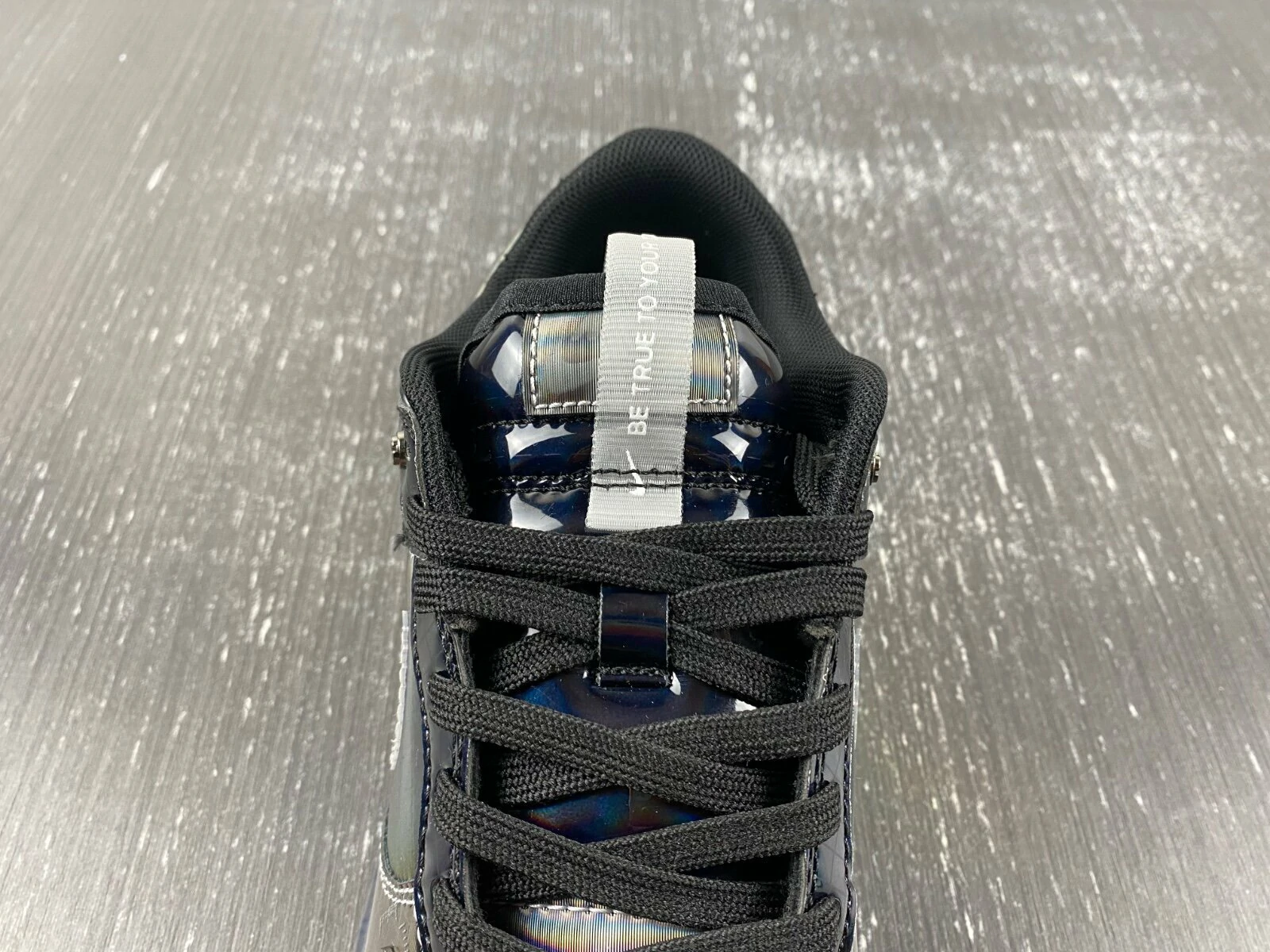
The Nike Dunk Low Stranger Things is mostly a custom or tribute label in the resale market. Nike's official Stranger Things collection has focused on other silhouettes. If you see a bulk offer, ask for a style code and launch reference. Without those, treat it as a themed custom, not an in-line Dunk, and verify any claimed official pair with a professional authenticator.
What should US retailers pay for a pair?
There is no reliable market price for a theme that is mostly custom. Cost depends on the base Dunk, materials, artwork, and shipping. Get at least three quotes, compare landed cost, and confirm duties with a customs broker. Do not anchor to a single social media post or a supplier's screenshot.
Do these Dunks run true to size?
The Dunk Low generally fits true to size for average feet, but custom builds can change lining and padding. Wide-foot customers may need a half size up. Measure the insole on your sample and compare it with Nike's official size chart before you publish a size recommendation.
How can I tell a custom from a factory fake?
A custom is made from a base shoe and usually documented by the artist or workshop. A fake tries to pass as an official release. Ask for dated process photos, the artist name, and material details. For claimed official pairs, request style codes and use a professional authentication service before you buy in volume.
If you are building a themed capsule for a US store or online shop, start with a sample, a written quote, and a landed-cost estimate before you commit to bulk. Send your size run and target retail price to your supplier, then compare at least two quotes side by side.