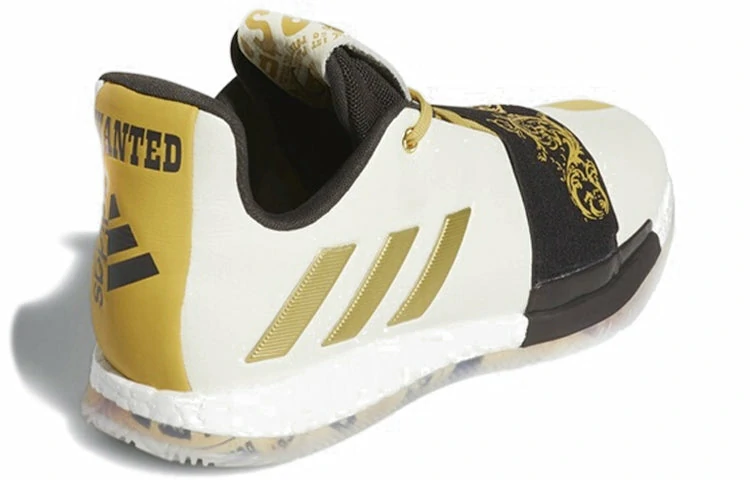
If you are searching adidas gazelle Where to buy for resale, the short answer is that Gazelles do not move through open wholesale channels the way blank apparel does. Pairs reach US shelves through a handful of routes: a direct adidas wholesale account, a licensed distributor, off-price closeout, or the secondary market. Each one carries a different cost, commitment level, and counterfeit risk.
What follows is a buyer-side breakdown of those routes. You get a channel comparison, a document checklist to run before any first order, and notes on size runs and colorway depth that decide how fast the shoe actually turns on your floor.
Why Gazelle Supply Is Tighter Than It Looks
Gazelle is a volume shoe, but it is not open stock. Adidas allocates core suede colorways by account history, which means a shop with no branded footwear record usually cannot open with a full run of black or green.
That single fact shapes every Sourcing decision. Buyers who treat Gazelle like a commodity drift toward marketplaces and pay near retail for pairs they resell at thin margins. Buyers who plan around allocation end up with a smaller but steadier flow.
Four Supply Routes Worth Comparing
Most of the adidas gazelle where to buy traffic lands on four supply types. They are not interchangeable, and mixing them inside one buy plan usually wrecks your size curve, because each source offers different depth per size.
| Channel | What You Need to Open | Commitment | Margin Profile | Main Risk |
|---|---|---|---|---|
| Direct adidas wholesale account | Resale certificate, storefront or live e-commerce site, brand application | Brand-set opening order, seasonal buys | Deepest on core colors | Slow approval, strict MAP and channel rules |
| Licensed distributor | Business license, tax ID, credit or prepay | Case packs or assorted size runs | Moderate | Thin depth on the sizes that sell |
| Off-price jobber | Resale certificate, fast payment | Lot or pallet, no size selection | Wide but uneven | Broken runs, past-season colors |
| Secondary marketplace | Account and capital | Per pair | Thin to negative | Counterfeits, no brand warranty |
Direct accounts are the only route that delivers clean, full size runs on current colorways. The tradeoff is time: paperwork, a website or storefront that reads as a real retail business, and a buying history the brand can review.
Distributors and jobbers fill gaps. A closeout lot is a reasonable way to test a colorway you would never get allocated, but you inherit whatever curve the seller is sitting on. A lot heavy in men's 13 and light in 9.5 looks fine on the invoice and dies in the stockroom.
What to Verify Before Your First Order
Every adidas gazelle where to buy lead deserves the same treatment: verify the business, sample the product, then scale the order. The list below costs an afternoon and prevents most of the expensive mistakes.
- Confirm the seller is a registered business and ask for a state registration number plus a physical address.
- Request a resale certificate or tax ID match before any wire transfer.
- Get the size curve in writing, broken out by colorway and SKU.
- Ask for in-hand photos of the actual lot, including box labels and tongue tags.
- Put the return policy in writing, specifically for pairs that fail authentication.
- Start with a test order you can afford to absorb, then reorder.
- Confirm current MSRP and MAP policy with the brand before setting your shelf price.
Two items matter more than the rest. The written size curve tells you whether the lot is sellable, and the authentication return clause tells you whether you can recover money on bad pairs. A supplier who dodges either question has already answered it.
Price, Size Run, and Colorway Planning
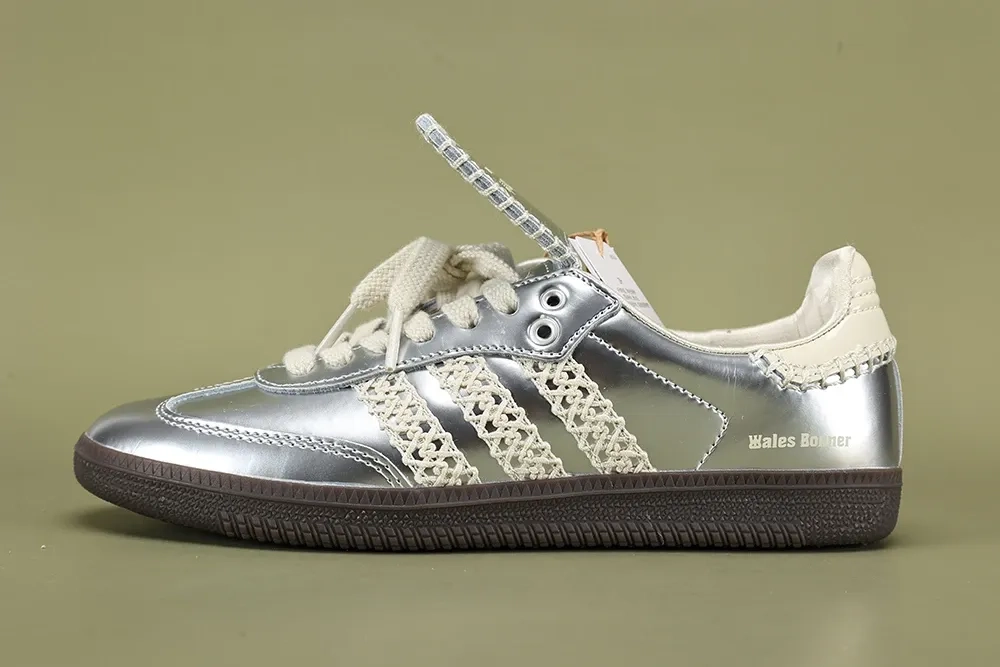
Landed cost, not the quote
Conversations about adidas gazelle where to buy usually stop at a per-pair number. That figure means little without landed cost, which folds in freight, duties, and the pairs you will mark down because nobody wants a men's 4.5.
As a rough planning band, authorized wholesale on branded footwear commonly lands between 35 and 55 percent off MSRP, depending on volume and account tier. Off-price lots quote wider. Deals far beyond that range deserve a hard look at authenticity. Treat these as general ranges only and confirm current terms with each supplier.
Building a size run that clears
Gazelle fits close to true to size for most wearers, with a slightly narrow forefoot. Some buyers go up half a size in the Indoor version because of the padded collar. Pull the current official size chart before you publish a fit guide, and tell customers to measure their feet rather than guess.
On US sell-through, men's 8 through 11 and women's 7 through 10 clear fastest. Extended sizes sit longer, so a lot built mostly on 12s and 13s needs a discount plan from day one, not in week six.
Colorway depth
Core suede in black, navy, and the classic green restocks and sells year-round. Seasonal drops and collaborations can produce strong margins, but they either move in a week or sit for a season. A workable mix is a steady core buy plus a small, tested position in one fashion colorway.
Red Flags in a Gazelle Lot
Counterfeit Gazelles show up in volume, mostly on marketplaces and inside wholesale offers that look too generous. Common tells include suede with a flat, synthetic nap, heel tab foil that sits crooked, and a tongue label with uneven stitching.
Box labels are the fastest filter. The article number on the box must match the one inside the shoe, and size, color code, and factory code should all line up. A seller who photographs one pair and ships another, or refuses close-ups of the label, is not worth a second call.
For any lot large enough to hurt, pay a professional authentication service to review a sample pair first. The fee is trivial next to a pallet of stock you cannot move, and it gives you a paper trail if the deal goes sideways.
Common Questions From Buyers
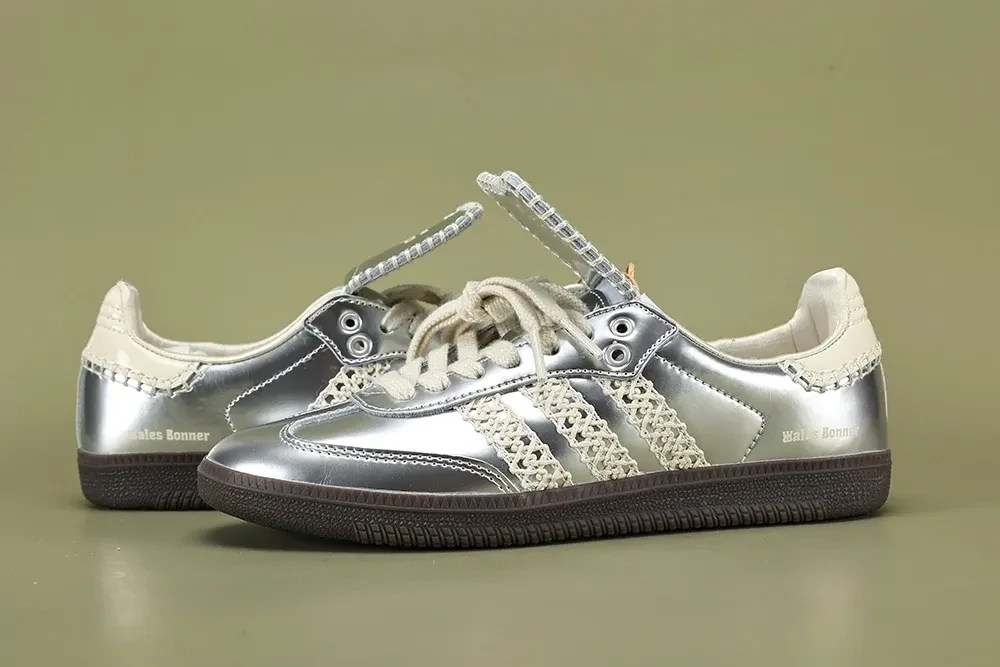
Does adidas sell Gazelle wholesale to small independent shops?
Adidas runs a wholesale program in the US, but approval depends on your business paperwork, your retail presence, and your ability to commit to a brand-set opening order. Many small shops start through a distributor and apply for a direct account once they have buying history. Confirm current requirements with the brand, since terms shift.
Are Gazelles true to size when planning a run?
For most people, yes. Gazelle is a fairly standard fit with a slightly narrow toe box, and only the platform and Indoor variants push some buyers up half a size. Use the official adidas size chart for your market and keep your buffer in the mid sizes, where sell-through concentrates.
How do I tell fake Gazelles from authentic pairs?
Start with the box label, then move to the shoe. The article number must match the pair inside, the suede should show visible nap, and the heel tab lettering should be clean and centered. Tongue tag stitching, insole print, and sole tooling are secondary checks. On any costly lot, use a professional authentication service.
Which Gazelle colorways are safest to stock?
Core suede colorways in black, navy, and the classic green are safest because they restock and sell year-round. Seasonal colors and collaborations can produce stronger margins but carry real risk if you buy deep. A common approach is a steady core buy plus one or two fashion colorways held at low depth.
Is buying Gazelles from a marketplace ever worth it?
Only to fill a specific customer request you cannot source elsewhere, and only in small quantities. Marketplace pairs carry no brand warranty, come with authentication risk, and typically cost near or above retail, which leaves little room for store margin. Treat it as a stopgap rather than a supply plan.
If your shortlist still has holes, send over the colorways and size run you need along with your target landed cost. Our team will come back with what is realistically available this quarter, where the numbers stop working, and which sizes to hold back on. Reach out through our contact form to start the conversation.