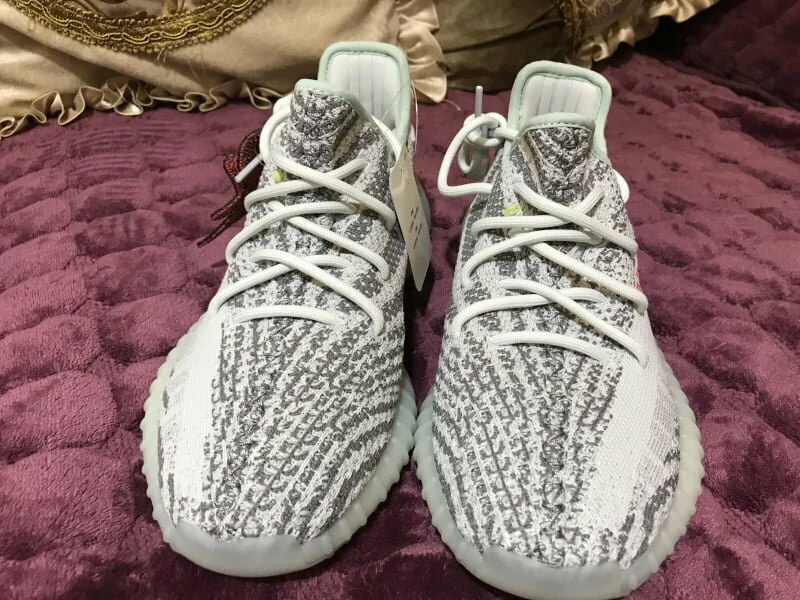
At most brands, a 6.5 womens to mens shoe size lands close to a men’s 5 or 5.5. The common difference is about 1.5 sizes, but Nike, Jordan, adidas, and unisex models do not all follow the same last or size chart. For a store owner, the useful answer is not just a number; it is a process for checking the box, the brand chart, and the customer’s foot before you commit stock.
This guide covers the Conversion math, the brand gaps that matter on a sales floor, and the inventory decisions that keep returns down. It is written for US independent retailers, online sellers, and Buyers who need a repeatable answer rather than a guess.
What the 6.5 Conversion Actually Means
Women’s and men’s US sizes are usually offset by about 1.5 sizes. That puts a women’s 6.5 near a men’s 5, or a men’s 5.5 in some charts. The gap exists because the lasts are built to different width and volume assumptions, not because the number is arbitrary.
Treat the 6.5 womens to mens shoe size conversion as a starting point, not a promise. A women’s standard width may feel narrower than a men’s standard width even when the length number looks equivalent. For buyers, that means the conversion table is a filter, not a final answer.
Length is only one part of fit. Toe box shape, midfoot volume, and heel hold can change whether a customer stays in the converted size or moves up half a size. If you sell online, put the conversion next to the size chart and tell shoppers to measure their foot in centimeters or inches before ordering.
Brand Differences That Change the Answer
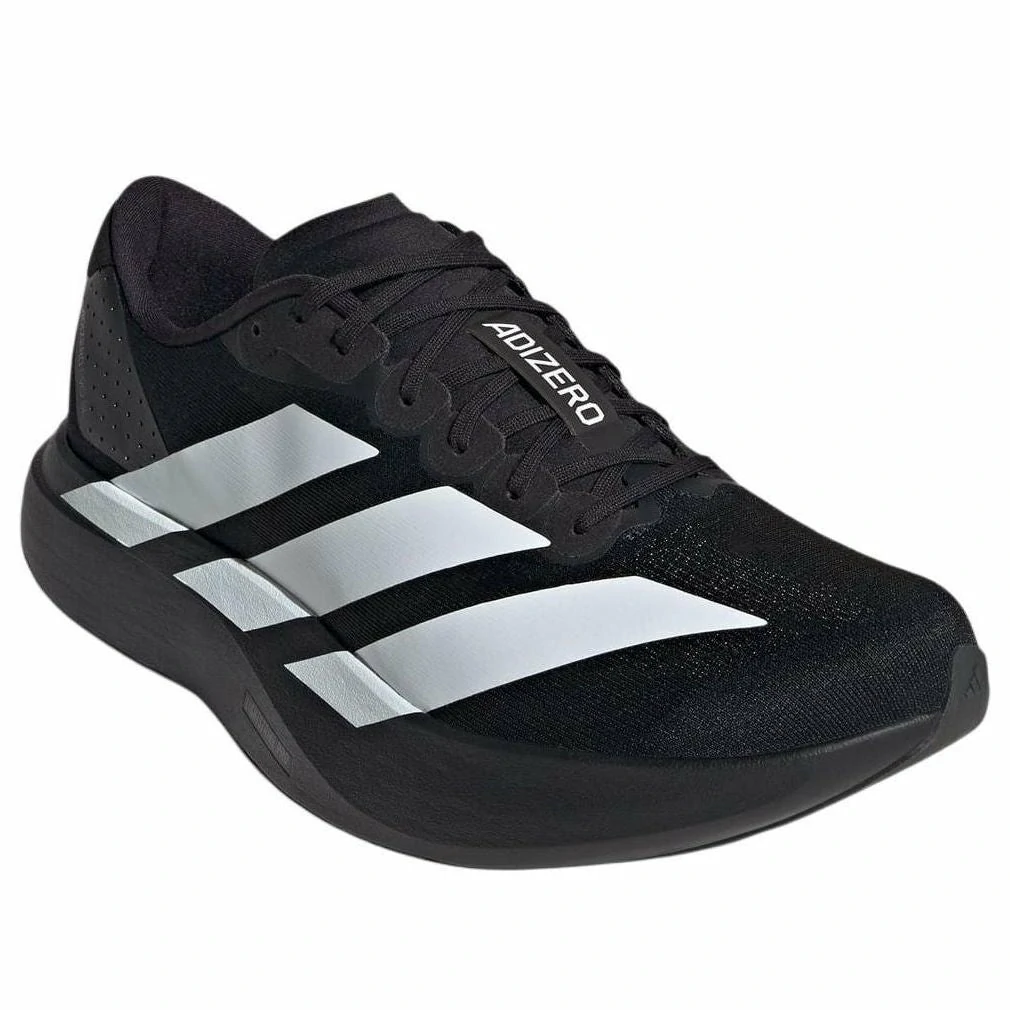
Nike and Jordan often use unisex sizing on many lifestyle and basketball models. In those cases, the men’s size on the box is the anchor, and women should usually go down about 1.5 sizes. Adidas is less consistent across running, basketball, and lifestyle lines, so the specific model page and official chart matter more than a generic rule.
For a customer asking about 6.5 womens to mens shoe size in Nike, start with the official chart, then check whether the model is listed as men’s, women’s, or unisex. Jordan retros can run slightly narrow for some wearers, while some Adidas lifestyle models have a roomier forefoot. Do not apply one brand’s conversion to another without checking.
| Item to Check | Why It Matters | What to Do |
|---|---|---|
| Brand size chart | Offsets vary by model and gender labeling | Use the chart on the product page, not a third-party image |
| Size label on box | Unisex pairs may show men’s size only | Confirm whether the listed size is men’s, women’s, or unisex |
| Width and volume | Length conversion does not fix narrow or wide fit | Ask about width options and customer fit notes |
| Return history | Repeated size returns signal a chart problem | Track returns by model and size run |
How to Convert Sizes on the Store Floor
When a shopper asks for 6.5 womens to mens shoe size, write the conversion on the try-on slip and note the model. Ask whether she wears a 6.5 in that brand already, or whether 6.5 is her measured size. Those are different questions, and the second one often needs a half-size buffer.
Use a simple three-step check before you hand over a box:
- Measure both feet at the end of the day and use the larger measurement.
- Compare that measurement with the brand’s official chart in centimeters or inches.
- Try the converted men’s size and the next half size up; keep the one with toe clearance and a locked heel.
That routine takes a few minutes and prevents most conversion errors. It also gives your staff a consistent script, which matters when multiple associates cover the same shift.
Inventory and Wholesale Buying Notes
If your buy plan depends on 6.5 womens to mens shoe size demand, order depth should follow actual sell-through, not a single conversion rule. Women who buy men’s sneakers often choose a half size up for a roomier fit, while others stay true to the converted size. Carry the converted size and one adjacent half size in core models.
For wholesale purchasing, ask suppliers how they label unisex pairs and whether their size runs follow US men’s or women’s sizing. A mixed pallet or closeout lot can look attractive until half the boxes are labeled in a way your customers do not understand. Clear labeling protects margin better than a slightly lower unit cost.
Keep a small conversion card at the register and on the product page. It should list women’s size, men’s equivalent, and a note to check the brand chart. Do not promise a universal fit, and do not quote firm import costs without checking with a customs broker. Common practice is to verify duties, taxes, and labeling requirements before the shipment leaves the supplier.
Common Mistakes That Cost You Returns
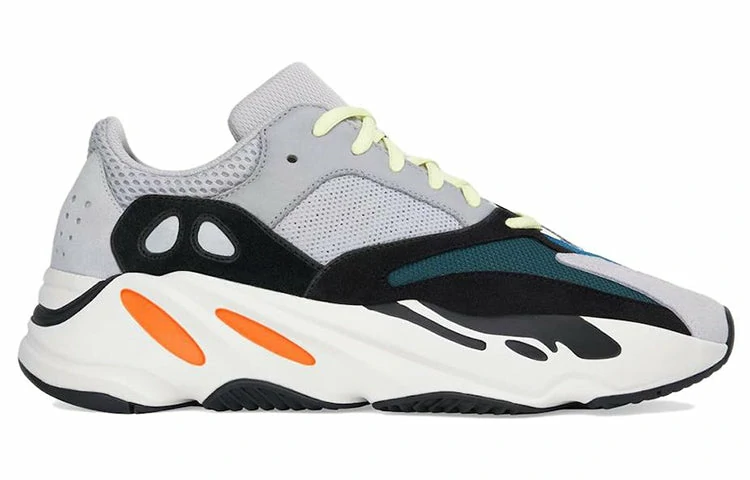
The first mistake is treating a women’s 6.5 as a men’s 4.5 because someone subtracted two full sizes. That shortcut is common in casual conversation and wrong often enough to create avoidable returns. The second is ignoring width: a converted length that pinches the forefoot is still the wrong size.
Another costly error is mixing youth and adult sizing. A youth size may share a number with a men’s size, but the fit and construction can differ. Check the label, the official chart, and the model’s fit notes before you compare them.
- Do not convert from a photo of a size tag alone.
- Do not assume every unisex pair uses the same label.
- Do not let a customer choose by number without a foot measurement.
- Do not ignore return reasons by model and size.
Train staff to ask one extra question: “Is 6.5 your usual size in this brand, or your measured size?” That single question separates a loyal repeat fit from a first-time conversion.
Frequently Asked Questions
Is a women’s 6.5 always a men’s 5?
No. A men’s 5 is the usual starting point, but some charts put the equivalent at 5.5, and brand-specific lasts can shift the fit. Check the official size chart for the exact model, then use a foot measurement and a try-on or return policy to confirm. Width and volume matter as much as length.
Should women size down 1.5 sizes in unisex sneakers?
In many unisex Nike and Jordan models, going down about 1.5 sizes from a women’s size is the common recommendation. Treat that as a starting point. If the customer has a wide foot or wears thick socks, a half size up from the converted men’s size may fit better. Confirm with the model’s chart.
How do I train staff to handle size conversions?
Give them one script, one chart, and one rule: measure first, convert second, try the adjacent half size third. Keep the brand chart at the register and on the product page. Review return reasons weekly so the team can see which models create repeat conversion problems and adjust the advice.
What should a wholesale buyer ask a supplier?
Ask how the supplier labels men’s, women’s, and unisex pairs, which size chart they use, and whether the lot includes mixed labels. Request the size run before you commit. Confirm duties, taxes, and labeling requirements with a customs broker. Do not rely on a single unit cost or a generic conversion table.
Do youth sizes solve the conversion?
Sometimes a youth size can fit a smaller adult foot, but youth models may have different cushioning, width, and durability. Do not treat youth sizing as a direct substitute for an adult men’s size. Compare the official charts and the specific model, then test the fit before you build inventory around it.
Need a supplier who can confirm size labels, pack ratios, and model-level fit before you order? Send your size run and target models to a trusted wholesale contact, and ask for the official chart with the quote. Clear conversion data up front is cheaper than a return pile later.