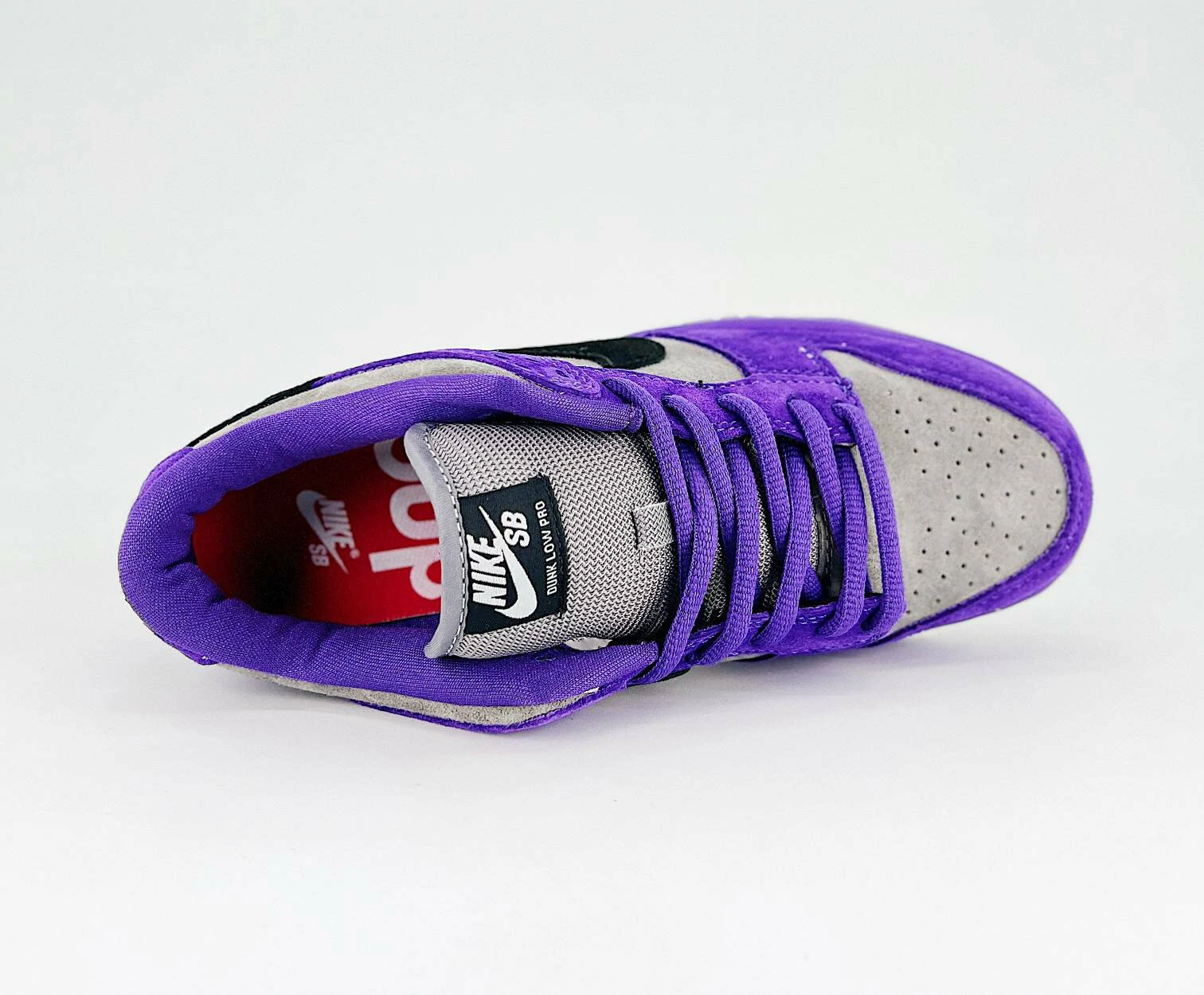
If a customer asks for a nike low dunk for kids, they usually mean a Nike Dunk Low in toddler, preschool, or grade-school sizing. It is a low-cut lifestyle sneaker with a leather or synthetic upper and a rubber cupsole. For a store, the real work starts with size tiers, colorway discipline, and supplier paperwork, not with treating every kids Dunk as the same SKU.
This guide covers how the kids Dunk Low differs from adult and SB versions, how to map the main size tiers, and what to inspect on a supplier invoice. It also flags the assortment mistakes that create returns and dead stock.
What Buyers Mean by the Kids Dunk Low
Search demand for a nike low dunk for kids often mixes three different products: standard Dunk Low kids' shoes, adult Dunk Lows in small sizes, and SB Dunk releases. They are not interchangeable. The standard Dunk Low is a casual shoe. SB Dunk is a skate line with different tooling, packaging, and release rules.
Before you buy, confirm the style code, size tier, and box label. Nike does not make every colorway in every kids size, and some listings use kids loosely. Ask for the exact US size run and a photo of the label. If the seller cannot separate TD, PS, and GS stock, the order is harder to reconcile.
Materials also vary by release. Some pairs use leather, others synthetic leather or textile panels. Toddler and preschool closures can differ from grade-school laces. Check the product spec rather than assuming the adult build carries down unchanged.
For a retail floor, the kids Dunk Low is a fashion staple, not a performance basketball shoe. Parents buy it for school, weekends, and matching family outfits. That matters for merchandising: pair it with socks, laces, and easy-clean care items instead of technical sports gear.
Size Tiers and Fit Checks
Kids sizing is where most returns start. The table below shows common US size bands, but Nike's official size chart and the specific product page control. Measure the child's foot or compare insole length when a customer is between tiers.
| Size tier | Common US band | Fit check | Stocking note |
|---|---|---|---|
| Toddler (TD) | Roughly 2C to 10C, confirm official chart | Toe room and closure type | Keep depth shallow; parents repurchase quickly |
| Preschool (PS) | Roughly 10.5C to 3Y, confirm official chart | Heel slip and strap or lace fit | Core colors move before trend colors |
| Grade School (GS) | Roughly 3.5Y to 7Y, confirm official chart | Insole length and toe box width | Watch overlap with small adult sizes |
A nike low dunk for kids in GS sizing can fit a small-footed adult, so do not hide the size label. Keep TD, PS, and GS boxes in separate bays, and train staff to ask for age and measured foot length. A pair that looks right on the shelf can still be wrong once the child stands up.
Parents often ask whether the shoe runs true to size. Most kids Dunks fit close to standard Nike sizing, but feet vary by width and instep. Offer a measured insole length and a clear return policy. If a child is between sizes, check heel slip before recommending the larger pair.
Supplier and Authentication Checks
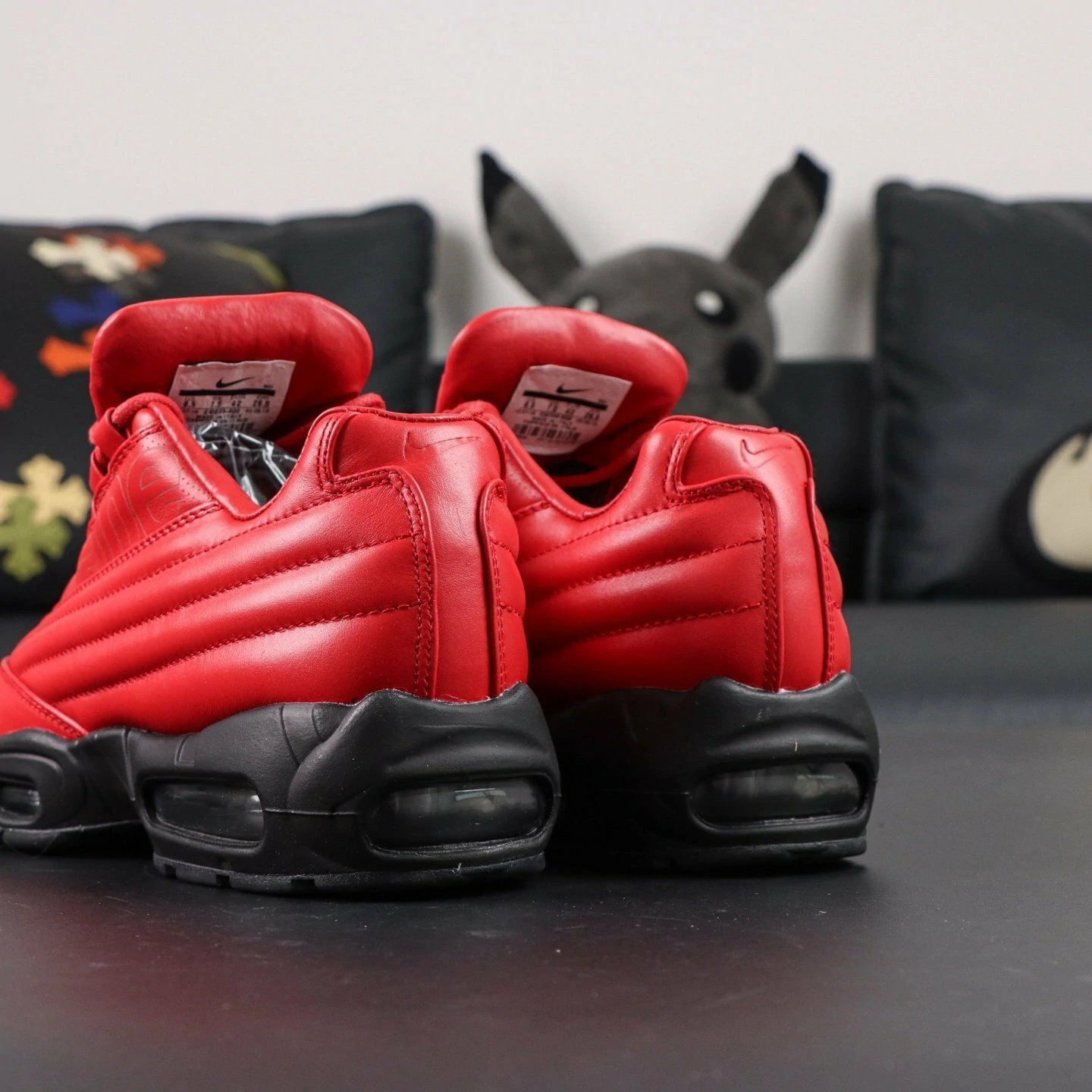
A legitimate nike low dunk for kids listing should give you enough detail to verify the pair before payment. Vague photos and mixed-size lots raise risk. Ask for the same evidence you would want on a customer return: labels, stitching, sole tooling, and packaging.
Use a short checklist for every order. Keep it in writing, and compare the invoice with the physical carton when it arrives. Photos should be current, not pulled from a catalog.
- Style code, color code, and size tier on the box label and shoe label
- Clear photos of the heel logo, tongue tag, stitching, and outsole
- US size run by tier, not just a total pair count
- Closure type and material notes for the specific release
- Invoice terms, return window, and authenticity policy
- Packing list that matches the carton and purchase order
Authentication is not a single check. Stitching density, label fonts, box details, and sole shape all matter. If you are not confident, use a professional authentication service before listing. Do not rely on a supplier's verbal assurance alone.
Ask for the supplier's business terms as well as product photos. A clear return window, written invoice, and consistent size-run policy tell you more than a low quote. If the seller avoids basic paperwork, walk away.
Assortment Planning for Independent Shops
A nike low dunk for kids is not a one-size bet. Build the buy around your local size curve, then add one or two fashion colors. If your customers are mostly school-age, GS sizes deserve more depth than TD. If you sell to families with toddlers, PS and TD need faster replenishment.
Color strategy matters more than full-size runs in some stores. Black, white, and neutral colorways pay rent. Bright seasonal pairs can lift display appeal, but they should sit on top of a core base, not replace it. Track sell-through by size tier after two weeks, not by total pairs sold.
Keep adult and kids stock separate in your POS. A GS pair and a small adult pair may look similar on the shelf, but they carry different margins and return patterns. Separate SKUs also make reorders cleaner.
Set a reorder trigger for your best sizes. If a core color sells through in GS 1Y to 5Y, restock before the next school break. Do not wait for the whole run to thin out. Broken size runs are harder to sell than a narrow but complete size offer.
Margin, Pricing, and Supplier Terms
Do not judge a nike low dunk for kids order by unit price alone. Ask for a landed-cost quote that includes freight, duties, and any handling fees. Duty rates and clearance rules vary by country and product details, so confirm them with a customs broker rather than treating an online summary as final.
Wholesale pricing moves with colorway, size tier, season, and order size. Ask whether the minimum applies per style, per color, or per size run. Get the return policy in writing, especially for shoes that arrive with damaged boxes or uneven size runs.
Protect margin with realistic shipping and payment terms. A low unit cost with slow replenishment can cost more than a slightly higher price from a supplier who ships complete size runs. For kids' shoes, broken sizes are the main margin leak.
Price kids and adult pairs separately. A family may buy two or three sizes at once, so a clear multi-pair policy can help conversion without giving away margin. Review markdowns by tier and color, not by the Dunk name alone.
FAQ
Is the kids Dunk Low true to size?
Most kids Dunk Low pairs fit close to standard Nike sizing, but fit varies by size tier and foot shape. A child with a wide foot or high instep may need a half size up or a different model. Check Nike's official size chart, measure the foot, and keep a clear return policy.
Are kids Dunk Lows good for wide feet?
They can work for some wide feet, but the low profile and flat laces do not suit every child. Parents should check toe box pressure and heel slip at the end of the day. If the foot spills over the midsole, try another width-friendly style rather than forcing a half size up.
Can a store sell kids and adult Dunk Lows together?
Yes, but keep separate SKUs and size labels. A grade-school pair can overlap with small adult sizes, which confuses inventory and returns. Display them in separate sections, track sell-through by tier, and train staff to ask for the child's age and measured foot length before recommending a pair.
What should I ask a supplier before ordering?
Ask for the style code, size tier, exact US size run, current photos of labels and stitching, and the return policy. Confirm whether the minimum applies per style or per size run. Get freight, duties, and payment terms in writing, then verify the carton against the invoice on arrival.
Ready to build a kids Dunk order? Send your size curve and target colorways to a vetted supplier, and request a landed-cost quote with a written return policy.