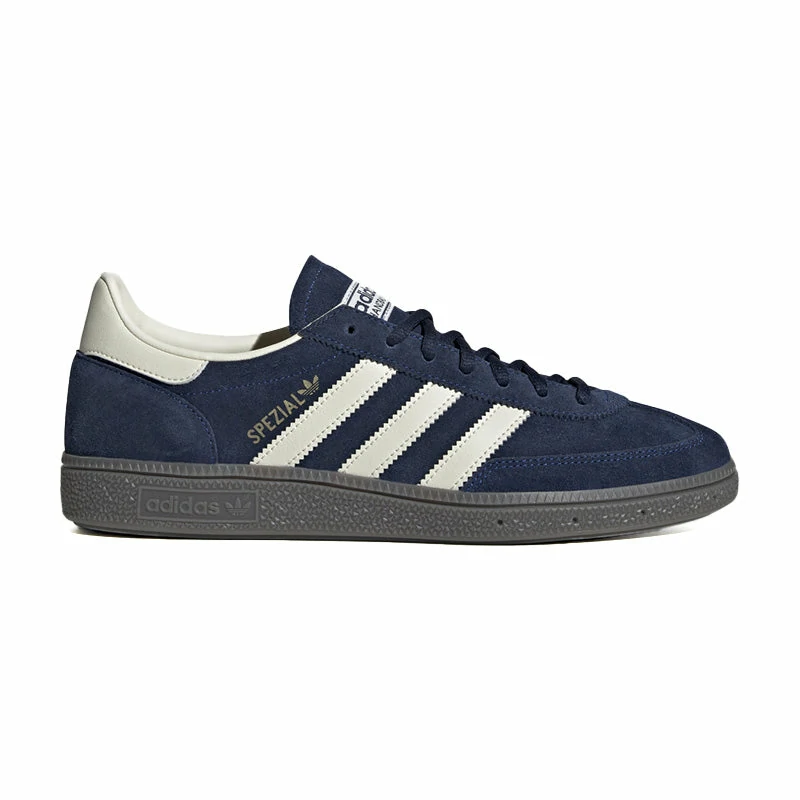
The navy adidas gazelle kids shoe is a low-profile suede sneaker for everyday wear, not a performance runner. For a US shop, its value comes from a clean shape, familiar branding, and a dark color that hides scuffs. This guide covers product checks, size planning, and Reorder discipline for buyers who need sell-through rather than hype.
Parents recognize the Gazelle silhouette, and kids can wear it with jeans, uniforms, and casual dresses. That range keeps the model on shelf, but local dress codes and weather still decide how deep you can go. A navy pair often works as a core color because it photographs well and does not show dirt as fast as light suede.
For a navy adidas gazelle kids order, confirm whether the upper is suede, synthetic suede, or another textile. Ask for the exact style code, season, and size scale, because photos alone hide material changes. Treat the shoe as a fashion-leaning kids sneaker, not as a school gym replacement.
Materials and build checks
Construction matters more than the color name on the box. Kids' shoes take abuse at the toe, heel, and laces, so inspect the areas that fail first. A good sample review tells you whether the pair will survive a school term or come back as a return.
Use the table below as a buying checklist. The goal is not to certify authenticity, but to catch obvious mismatches before a carton reaches your sales floor.
| Check | What to expect | Why it matters | Buyer action |
|---|---|---|---|
| Upper | Suede or suede-like textile on many versions | Shows creasing, color rub, and water marks | Compare against the approved sample |
| Toe shape | Low profile with a rounded bumper | A crushed or uneven toe looks defective | Inspect pairs from the top and side |
| Stitching | Even lines around the toe and heel | Wavy stitching signals poor assembly | Check two or three pairs per carton |
| Sole bond | Clean join with no excess glue | Gaps lead to early failure and returns | Flex the shoe gently at the forefoot |
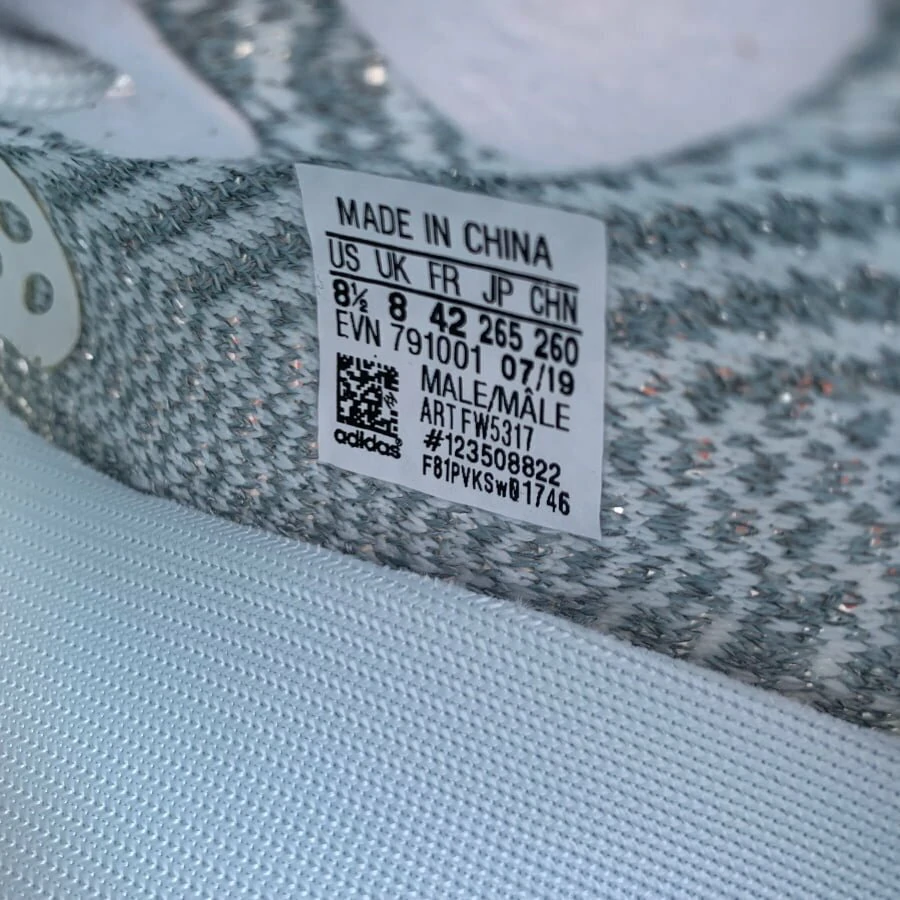
| Labeling | Style code, size tag, and box label agree | Mismatches complicate returns and resale | Photograph the label set on receipt |
Suede can look flat in low light, so check it under daylight and under store lighting. Stitching should sit evenly around the toe bumper and heel. A wavy stitch line or a bent eyelet is a warning sign, not a cosmetic quirk.
Sizing and fit
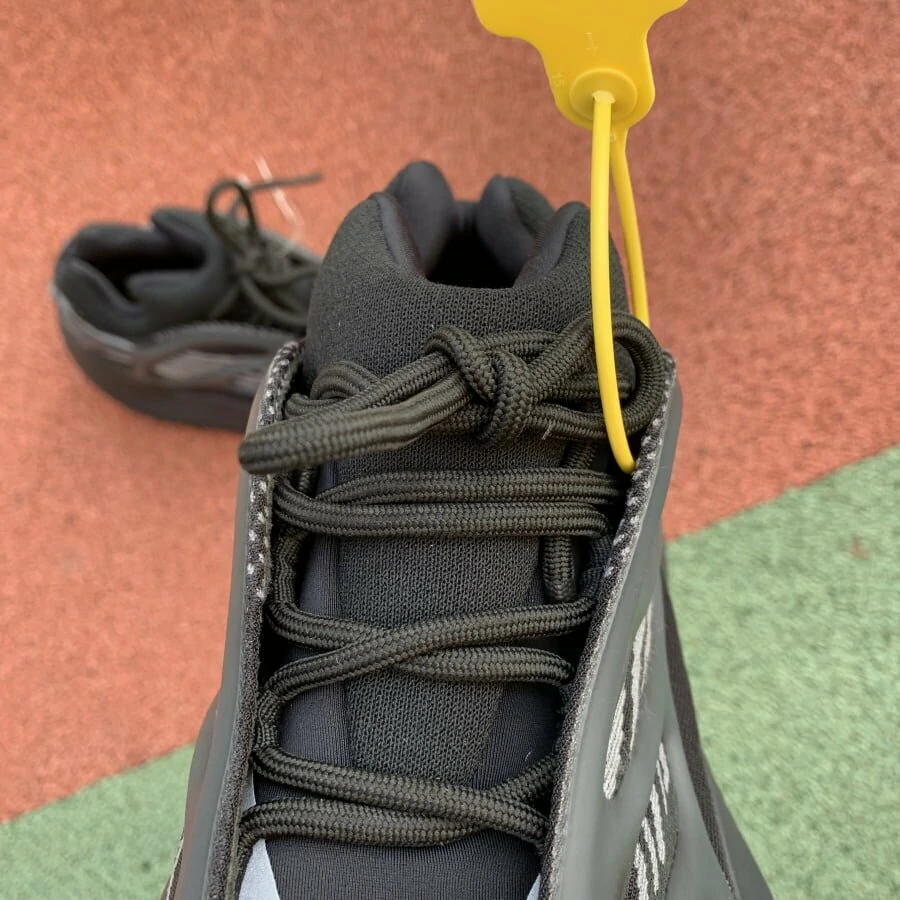
US sizing is the first filter. Adidas kids sizing usually follows a standard scale, but confirm the official size chart for the exact style and season. Do not convert adult sizes from memory, and do not assume that two Gazelle kids models share the same last.
Many buyers treat this model as true to size, yet foot width and sock choice still matter. A child with a wide foot may need a half size up or a different silhouette. Keep a printed size card at the display so parents can compare their child's current shoe.
A navy adidas gazelle kids size run should mirror your actual sales history, not a supplier's default pack. If your store sells mostly back-to-school sizes, weight the middle of the run. If you serve a broader age range, open with a narrow test and reorder from sell-through data.
Stock, color, and reorder planning
Navy is a safe anchor, but safe does not mean unlimited. Plan the color next to white, black, and gray options so the customer can compare. Keep the display near socks, laces, and backpacks if your floor plan allows it.
Reorder discipline protects cash flow. A common test run is a narrow size band, often three to five sizes, but confirm availability and case pack details with your supplier. Sell-through by size is more useful than total units sold.
- Record sell-through by size every week.
- Flag returns for fit, glue, or stitching.
- Keep one approved sample for future shipments.
- Ask for style code, season, and country of origin on the invoice.
- Review markdown risk before you deepen the buy.
Quality control and authentication
Every navy adidas gazelle kids carton should be checked against the approved sample, not just the packing list. Pick two or three pairs at random and inspect the toe shape, heel counter, sole bond, and label placement. Small differences can be normal, but repeated defects are a supply problem.
Authentication is a separate task from quality control. Check the style code, size tag, insole print, and box label as a set, then compare with known retail examples. No single detail proves a pair is genuine, and photos from social media are weak evidence.
For secondary-market purchases, use a professional authentication service or a trusted industry contact. If the price is far below normal wholesale and the story is vague, walk away. Your return policy and supplier terms matter more than a verbal guarantee.
Pricing and margin guardrails
Do not set a retail price from a competitor's website alone. Work backward from landed cost, freight, duties, payment fees, and the markdown you expect at the end of the season. Navy core colors usually markdown less than trend colors, but that is not a promise.
Ask for a landed cost estimate and confirm who handles duty and clearance. Import rules and tariff treatment vary, so verify details with a customs broker. A lower unit price can disappear once freight, returns, and slow sizes are included.
A navy adidas gazelle kids program works best when the size curve is tight and the reorder window is short. Keep enough stock for the school season, then protect margin with a clear markdown plan instead of panic discounts.
Buyer questions
Is this Gazelle kids shoe true to size?
Most buyers treat it as true to size, but fit depends on foot width and sock choice. Check the official adidas size chart for the exact style. If a child is between sizes or has a wide foot, compare against a current shoe and consider a half size up.
What upper material should I expect?
Many Gazelle kids versions use suede or a suede-like textile, but materials can change by season and style code. Confirm the sample and the invoice description. Do not promise suede to customers unless the label and supplier documents support it.
How many sizes should a US store stock first?
Start with a narrow test based on your own sales history, often three to five sizes for a new color. Confirm the supplier's case pack and replenishment lead time before you commit. Sell-through by size should decide the second order.
Can I check authenticity without an official partner?
You can check style codes, labels, stitching, and packaging against known retail examples, but that is not a formal authentication. Use a professional authenticator for high-value or secondary-market buys. No shop should claim official status without written authorization.
Ready to plan a back-to-school buy? Send your size run, target landed cost, and delivery window to your supplier, then ask for current color availability, case pack details, and the return policy in writing. A short, documented order beats a large guess.