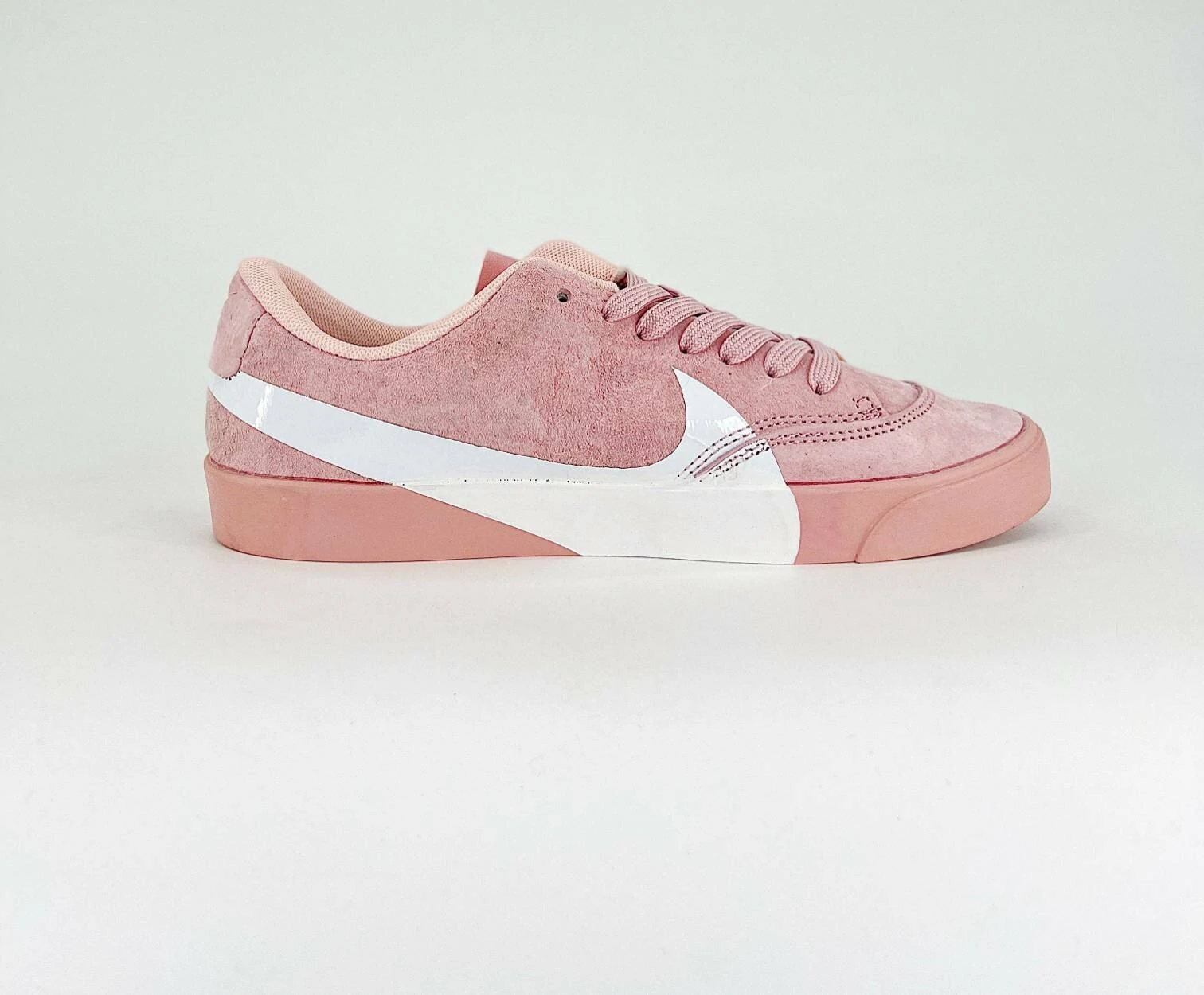
Reuse keeps a wearable pair in service, which saves more resources than breaking it down. If a returned pair is clean and has life left, resale, donation, or a staff rack is the better first move. Recycling fits shoes that are too worn for resale or have a damaged sole or upper.
Condition matters more than brand. A scuffed pair with an intact outsole can still sell as a budget option. A blown-out pair with a separated sole is a recycling or disposal candidate. Teach your team to sort by wear, not hype.
What Nike's Own Programs Can and Cannot Do
Nike has supported shoe collection and material recovery for years, often through Nike Grind and related take-back efforts. Those programs can turn eligible athletic shoes into surfacing, playground, and product materials. Acceptance rules and drop-off points change, so verify current terms before you advertise a collection point.
Do not call your store an official Nike drop-off without written confirmation. A safer line is "We collect eligible athletic shoes for a licensed recycling partner." Tell Customers that not every cleat or heavily contaminated pair will be accepted.
When a customer asks, "can nike shoes be recycled," give a short answer and a next step. The answer is often yes, but the receiving program makes the final call. Keep a printed list of accepted items near the counter.
A Retailer's Options for Damaged or Unsold Pairs
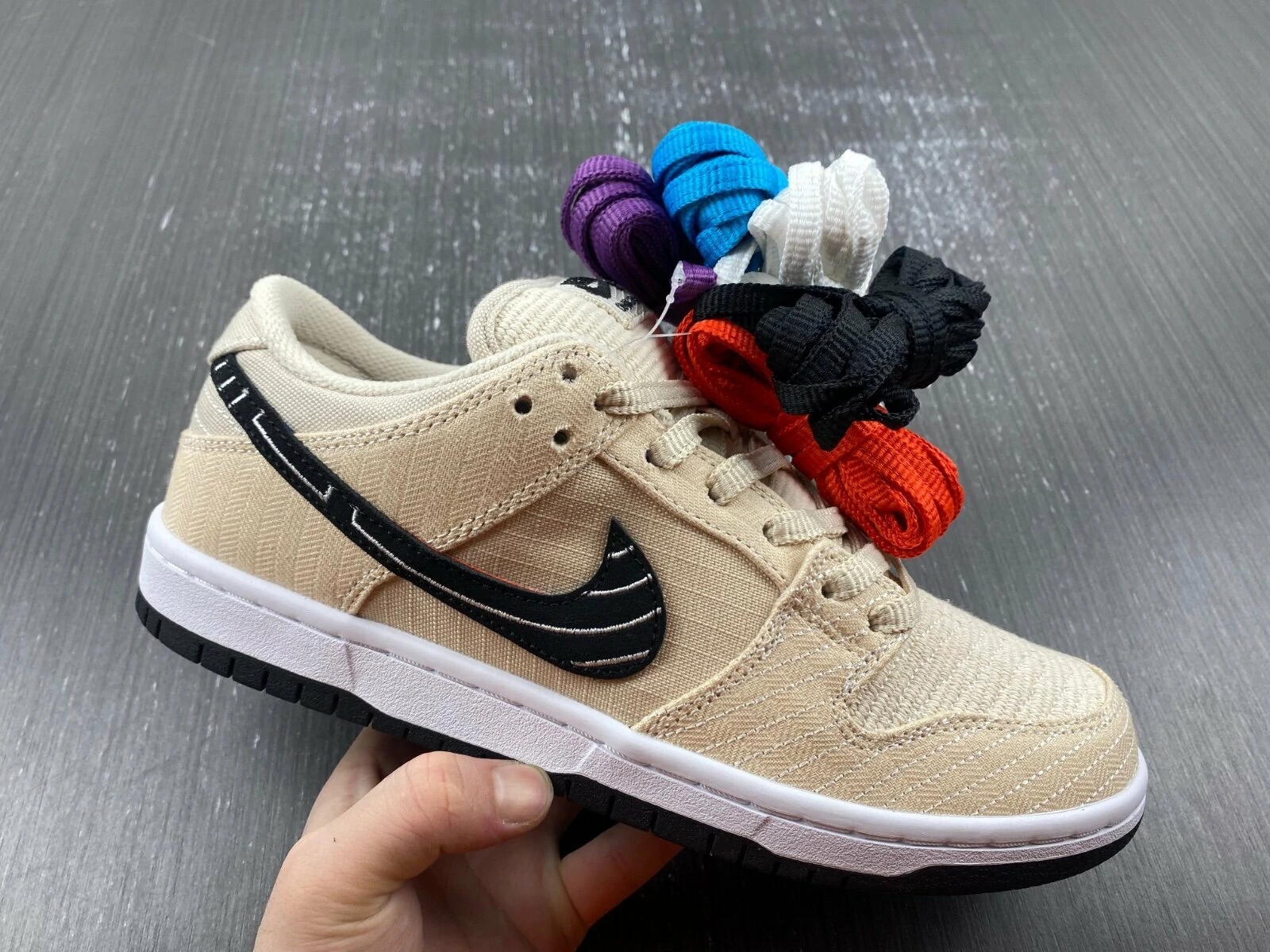
Match each pair to its condition. Unsold current stock belongs in resale or liquidation, not a recycling bin. Customer returns with minor wear can go to a resale rack if your policy allows it. Worn-out pairs need donation, recycling, or disposal based on local partner rules.
| Option | Best for | Verify | Customer message |
|---|---|---|---|
| Resale or liquidation | Clean, wearable pairs | Authenticity, size, condition | We resell eligible pairs. |
| Donation | Wearable shoes | Charity rules and pickup | These go to a local partner. |
| Take-back or recycling | Worn athletic shoes | Accepted materials and cost | Eligible pairs go to a recycling partner. |
| Disposal | Contaminated pairs | Local waste rules | Some pairs must be discarded. |
Cost is easy to underestimate. Bins take floor space, staff time, and sometimes shipping fees. Get those numbers in writing before you promote a program. A small, clean program beats a broad promise that creates a backroom pile.
How to Train Staff and Set Customer Expectations
Staff need one clear script, not a lecture. "We accept clean athletic shoes for a recycling partner, but not cleats, moldy pairs, or shoes with metal parts" is specific and easy to repeat. Update the script when your partner's rules change.
A counter card that says "can nike shoes be recycled?" is not enough on its own. Staff also need to know what you accept, what you reject, and where the bin goes. Review those rules during weekly huddles.
Counter checklist for a shoe collection program
- Confirm accepted shoe types, condition, and contamination rules in writing.
- Choose a dry bin location away from heat.
- Print a one-page customer script and train every shift.
- Set a pickup or shipping schedule before the first pair arrives.
- Track volume, cost, and complaints monthly.
- Stop collecting if sorting quality drops.
Sourcing and Liquidation Notes for B2B Buyers
For wholesalers and online sellers, recycling is not a substitute for inventory discipline. If you buy pallets or closeout lots, inspect condition early and separate resale-grade pairs from recycling-grade pairs. Return privileges and size runs matter more than a vague sustainability claim.
Use recycling as a back-end solution, not a marketing headline. Buyers want sellable sizes and clean uppers. A pair that fails a basic condition check will not become profitable because it has a green story attached.
FAQ for Store Owners
Can Nike shoes be recycled at any Nike store?
No. The question, "can nike shoes be recycled at any Nike store," depends on current collection rules and the store's participation. Programs change by location and year. Check the official program page or call the store before you send customers there. Do not promise a drop-off unless you have confirmed it that week.
Are worn-out shoes accepted by recyclers?
Many recyclers accept worn athletic shoes, but they often reject mold, heavy mud, metal cleats, and separated soles. Acceptance depends on the partner and the end material. Ask for a simple yes or no list, then post it at the counter. If you are unsure, keep the pair out of the collection bin.
Is recycling better than resale?
Usually no. Resale or donation keeps a wearable pair in use and avoids the energy needed to break it down. Recycling is best for shoes that cannot be sold or worn. Sort for condition first, then send only the remaining pairs to a recycling partner.
What should a small shop do first?
Start with a 30-day test. Use one bin, one partner, and one printed script. Track how many pairs you collect, how many are rejected, and what the handling cost is. If the process is clean, expand it. If not, fix the script before adding more locations.
If you are building a take-back program or sourcing closeout inventory, start with a clear policy and a partner who will put acceptance rules in writing. Contact your supplier or recycling vendor with your volume, shoe types, and storage constraints. Ask for a sample pickup plan before you promote anything to customers.