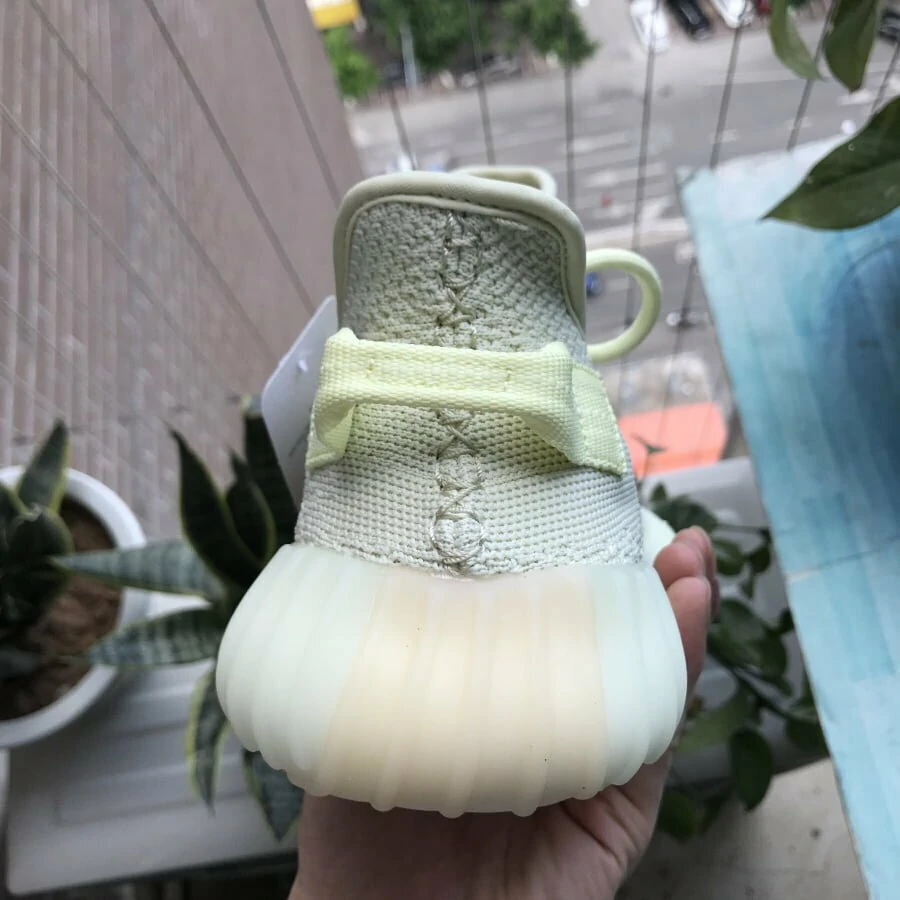
The adidas originals gazelle unisex trainers are a slim, low-profile lifestyle sneaker, not a performance runner. For a shoe store, the Buying question is less about hype and more about size Depth, color selection, and whether local customers will pay full price. This note covers fit, materials, Stock risks, and a practical checklist for independent retailers and online sellers.
What the shoe is and who buys it
At Retail, the adidas originals gazelle unisex trainers sit in the retro-casual zone. The upper is usually suede or leather, the sole is a low rubber cupsole, and the three-stripe layout does most of the visual work. That clean shape is why the shoe moves across age groups, not just one sneaker crowd.
Your core buyer often wants a simple shoe for daily wear, not a gym shoe. Campus customers, office-casual shoppers, and parents buying for teens can all land on the same shelf. Unisex sizing helps, but it does not mean one size run fits every store.
Fit, sizing, and width issues
Most customers start with their usual US size, but fit feedback is not uniform. Because the adidas originals gazelle unisex trainers use a slimmer upper, wide-foot shoppers often need to size up or choose another model. Narrow-foot buyers may find the standard size close to correct.
Do not rely on a single employee fitting. Measure a few regular customers, compare notes, and post a short fit note on your product page. The note should say whether the shoe runs narrow, how the toe box feels, and whether thick socks change the fit. That reduces returns without overselling the fit.
Size conversion needs care. US, UK, EU, and CM labels can differ by model and production run. Use the official Adidas size chart as the baseline, then check the label on the actual pair before you publish a conversion table.
Materials, colorways, and quality checks
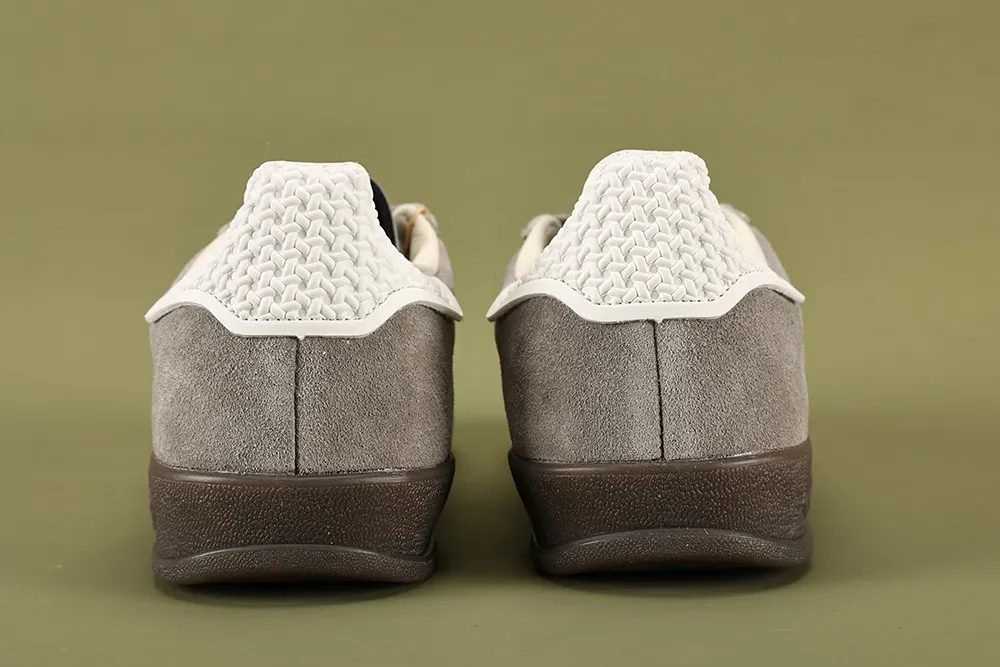
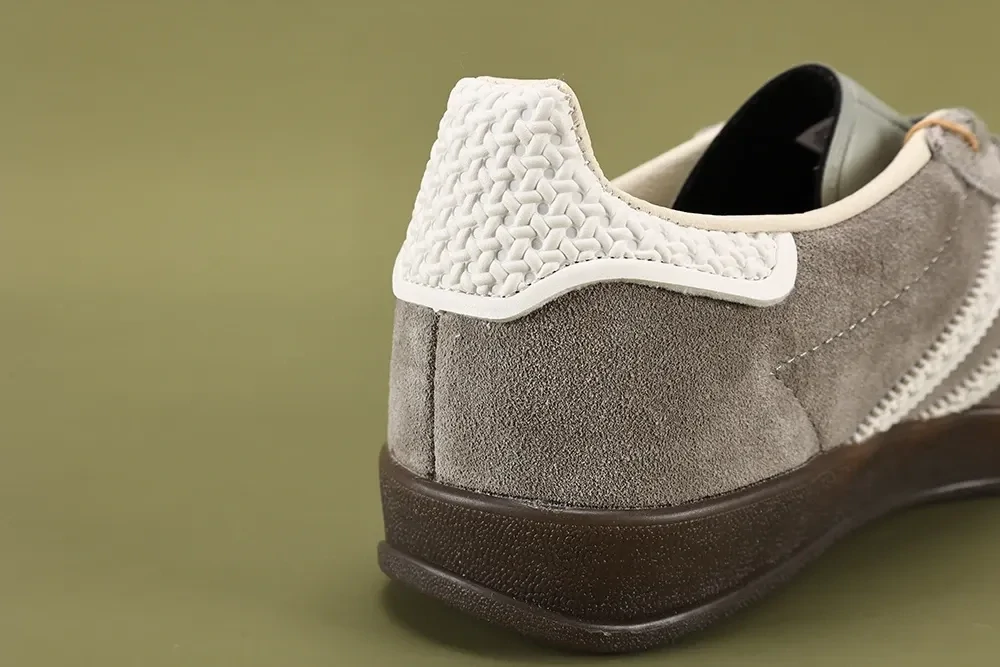
Suede finishes vary by colorway. Some pairs have a shorter, tighter nap; others look softer and show marks faster. For a store floor, that matters because handling and try-ons leave evidence. Keep a suede brush behind the counter and rotate display pairs before they look tired.
Check the stitching around the toe, heel, and eyestay. Look at the sole bond, the tongue label, and the print on the insole. Small differences are normal across production runs, but loose threads, glue stains, and mismatched labels are reasons to hold a pair and inspect the rest of the carton.
Color selection should follow your customer base. Black, white, navy, and grey are easier to reorder and less likely to date. Seasonal shades can sell well online, where a shopper can find the exact match. They are harder to move on a small retail floor if the first few weeks are slow.
Stock planning and size curves
When you build a size run for the adidas originals gazelle unisex trainers, start with your own sales data. Pull the last 60 days of requests, returns, and missed sales by US size. If you do not have that data, start narrow and reorder based on actual sell-through instead of a broad guess.
Use the table below as an inspection guide, not a guarantee. A clean sample pair does not prove the whole carton is clean. Open several pairs from different packs and compare them under the same light.
| Check | Better sign | Red flag | Buyer action |
|---|---|---|---|
| Upper finish | Even nap, tight stitching, clean edges | Glue stains, loose stitches, uneven suede | Inspect several pairs, not one sample |
| Size label | US, UK, EU, and CM labels match the box | Label and box disagree or look reprinted | Hold the pair until you verify |
| Color consistency | Same dye lot across the run | Noticeable shade shift between pairs | Separate lots and photograph accurately |
| Demand signal | Repeat requests for core sizes | Only extreme sizes remain | Reorder narrow, not broad |
Stock depth matters more than color count for many independent stores. Three colorways with a full size curve usually outperform eight colorways with holes in the middle sizes. If you sell online, you can go wider on color, but keep a clear return policy and accurate photos.
- Pull 60 days of size requests and missed sales.
- Set a base size curve for US men’s and women’s conversions, then adjust by local demand.
- Start with two or three core colorways and one seasonal test.
- Inspect at least three pairs per carton before listing the batch.
- Photograph the actual pair, including the size label and outsole.
- Track sell-through weekly and reorder before the middle sizes break.
Review the list after the first sell-through cycle. A size that sells out first is a reorder signal; a size that never moves is a markdown risk. Keep those notes in your buying file so the next Gazelle order starts with better data.
Common buying mistakes
A common mistake is treating unisex sizing as one size curve. Men and women often shop different size ranges, and your local mix may lean one way. Build separate demand notes for men’s and women’s customers even if the SKU is shared.
Another mistake is buying color before checking the upper. A strong colorway with a rough suede finish or poor stitching will come back as a return. Inspect the physical pair, not just the stock image. If you buy closeout or secondary-market stock, verify the box label, size tag, and stitching against a known pair, or use a professional authentication service.
Finally, do not let the shoe sit in the back room. The Gazelle is a visual product, and shoppers need to touch the suede and see the shape. Put it near high-traffic entry space, keep sizes accessible, and train staff to explain the narrow fit before the try-on.
FAQ
Do these run true to size?
Many buyers take their usual US size, but the fit is closer to narrow than roomy. Customers with wide feet should try a half size up or compare with a wider silhouette. Always check the official size chart and the label on the specific pair, because conversions can vary by production run.
Are they good for all-day wear?
They work well for casual days, errands, and light office wear. The low cupsole and flat shape are not built for long standing shifts or gym use. If a customer needs arch support or a removable insole, suggest trying the pair with their own insert before buying.
What should I check on a wholesale pair?
Check the upper finish, stitching, sole bond, tongue label, and box label. The size tag should match the box, and the pair should look consistent with other pairs in the same carton. For closeout or secondary-market stock, ask for actual photos and use a professional authentication service when the source is unclear.
Are these a safe stock item for a small store?
For many independent shops, the adidas originals gazelle unisex trainers are a safe stock item if the size curve matches local demand and the color is not too narrow. They are not a guaranteed sell-through pair, and seasonal shades can sit. Start with core colors, a focused size run, and a reorder plan based on weekly sales rather than a single large buy.
Before your next order, compare your size history with the supplier’s current stock and ask for actual pair photos. Contact your supplier for a live availability list, landed cost, and reorder terms, then place a test order that matches your store’s real sell-through.