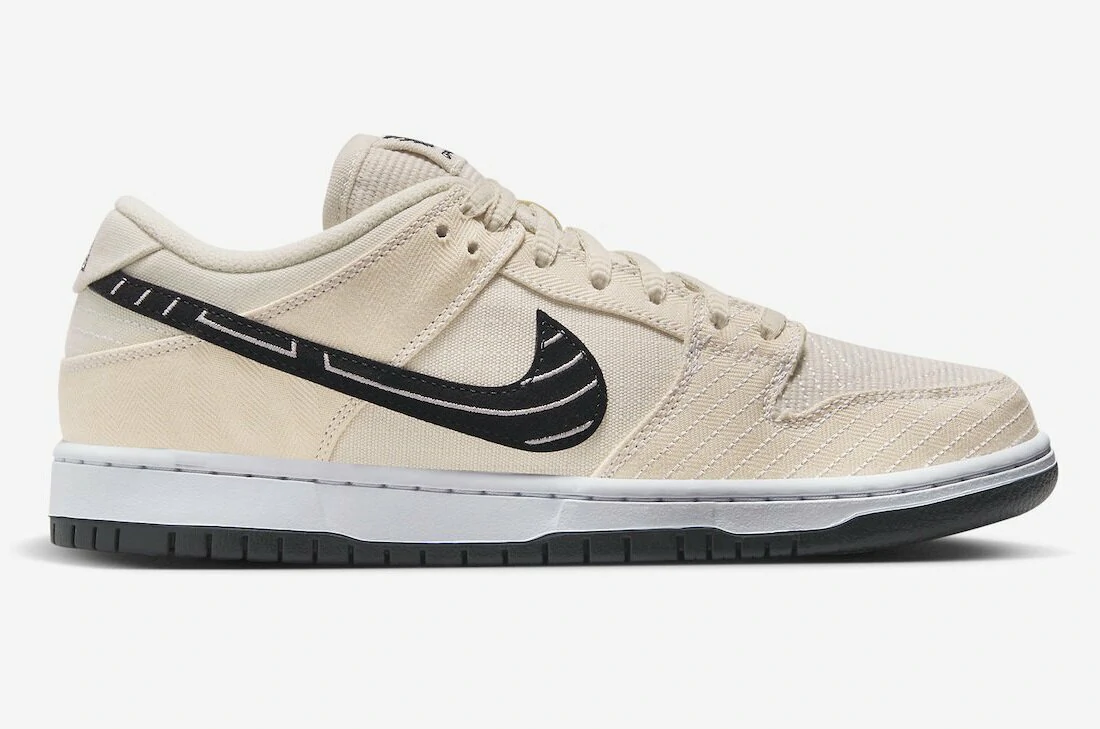
The Nike SB Dunk Low Wieger is a skate-tier SB Dunk colorway that most US shops now source through the secondary and wholesale market rather than a first-run Nike SB account. That single distribution detail shapes everything else: your cost basis, how carefully you have to verify pairs, and which sizes you can realistically get in depth. What follows is a buyer-side view of the shoe itself, its fit and Materials, the checks worth running before you commit to a lot, and where the margin usually sits.
Where the Shoe Sits in the SB Line
Nike builds the SB Dunk Low on the same silhouette as the standard Dunk Low, then changes the parts that matter for skating. You get a padded tongue, a Zoom Air unit built into the sockliner, a pivot-circle outsole, and a materials mix that leans on suede and nubuck more often than the lifestyle version. Customers notice the tongue first, then the cushioning.
The Wieger colorway carries that build. Because SB releases typically move through skate shop accounts rather than mall retail, supply arrives in narrow windows and thin quantities, which is why the Nike SB Dunk Low Wieger turns up in assembled wholesale lots far more often than in a single clean bulk offer. Expect to buy from resellers who have consolidated pairs, not from one factory-style source.
Fit, Materials, and the Questions You Hear at the Counter
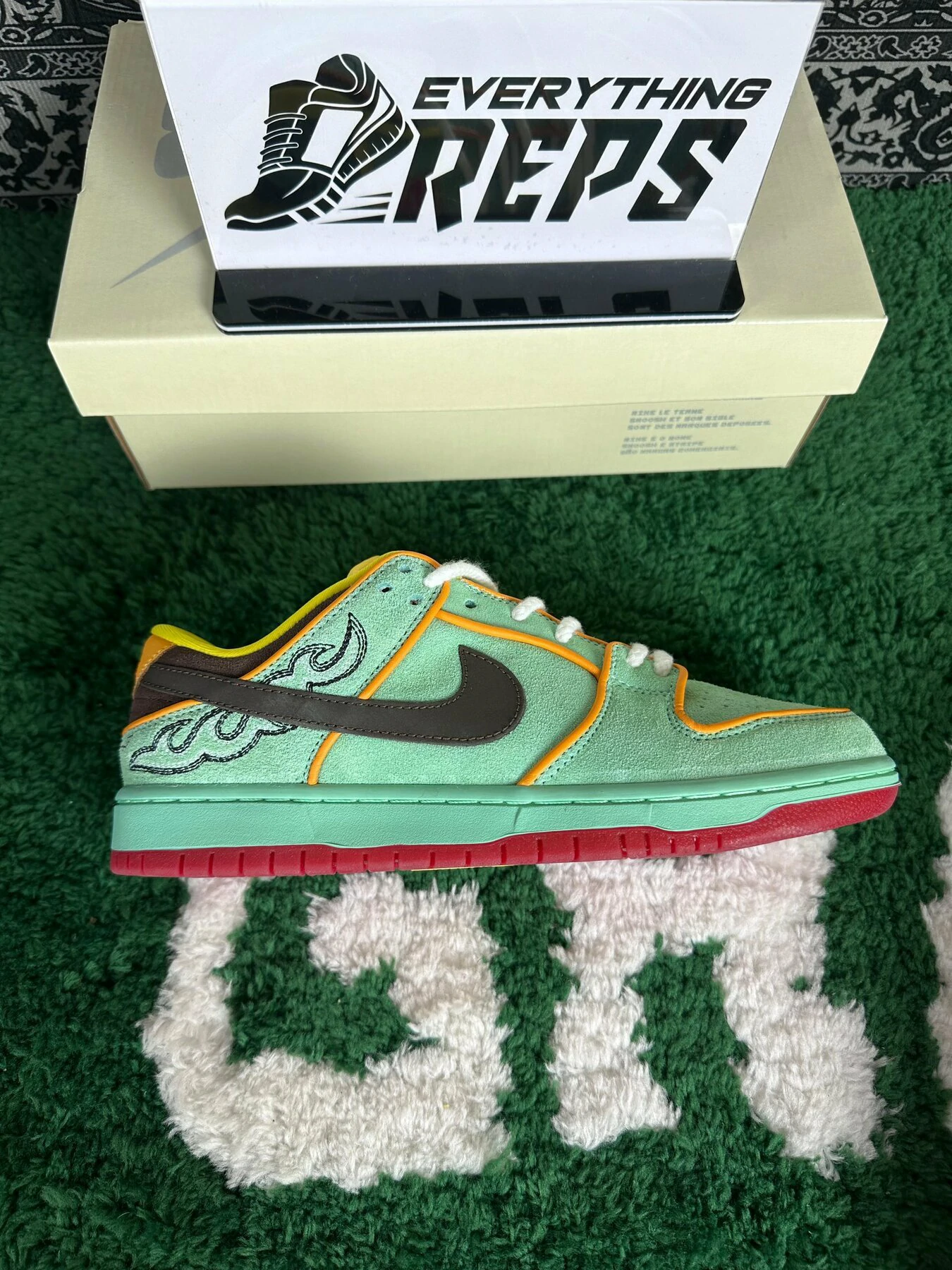
SB Dunk Lows fit snug through the midfoot and toe box. Most customers take their usual Nike size, and anyone with wide feet or a high instep usually goes a half size up. That matters for ordering, because the pairs that sell out first are rarely the ones you overbought.
Materials vary by colorway, so grade the suede and nubuck yourself instead of trusting a listing photo. Suede panels crease, scuff, and fade, and on shelf-worn lots that wear is where margin disappears. Send customers to the official Nike size chart for fit questions rather than guessing at the register.
At the counter the sell is simple: skate build, better cushioning, a name with a story. Shoppers who know the colorway will ask for it directly. Shoppers who do not will stack it against a standard Dunk Low on price, so have both answers ready.
| Attribute | What to Expect | Why It Matters to a Buyer |
|---|---|---|
| Fit | Snug midfoot, padded collar, half size up for wide feet | Order a real size run, not just US 9 to 10 |
| Upper | Suede or nubuck overlays with leather panels on most SB builds | Material grade drives resale value on used lots |
| Cushioning | Zoom Air unit set into the sockliner | Main talking point against a standard Dunk Low |
| Outsole | Pivot circle traction pattern | Fast visual confirmation of a skate-tier build |
A Sourcing Checklist Before You Commit to a Lot
Wholesale listings for the Nike SB Dunk Low Wieger are usually assembled, not made to order. Your job is verification, not negotiation on spec. Ask for the same evidence every time so a supplier who cannot produce it stands out early.
- Request the style code from the box label and match it to the size tag inside the shoe.
- Ask for tagged photos of both shoes from all four sides, plus a close-up of each size tag.
- Get a written size breakdown by pair, not an average.
- Confirm whether pairs are deadstock, tried on, or shelf-worn, with photos of the suede panels.
- Sample one or two pairs in hand before approving a larger run.
- Agree in writing on returns for pairs that fail inspection on arrival.
- Ask how the lot was stored, since damp storage shows up as discolored suede and yellowed midsoles.
Keep the checklist narrow. Suppliers who genuinely handle SB inventory will answer all seven points without friction, and the ones who stall on box label photos usually have a reason.
Red Flags That Show Up in Bulk Lots
Two problems appear more than any other: mismatched size tags and repainted midsoles. A tag that does not line up with the style code on the box is a hard stop. Midsole paint that looks glossier or thicker on one shoe than the other usually means a refurbished pair was slipped into the lot.
Stitching is the third tell. Look at the heel tab and the edge of the swoosh, where replica production tends to get lazy, and compare left against right rather than judging one shoe alone. On a large lot, pull three random pairs and inspect those closely before you look at the rest.
- Style code on the box does not match the size tag
- Visible difference in suede nap between left and right
- Uneven stitching at the heel tab or swoosh
- Faded or misaligned insole print
None of these checks replaces a professional authentication service on high-value pairs. Use them as a filter, then send anything questionable out for review.
Price Logic, Margins, and Size-Run Risk
Cost on SB Dunk Lows moves with colorway demand, size, and condition, and quoted ranges swing widely between brokers. Treat any figure you hear as a starting point only and confirm it with your supplier in writing. The practical question is not box price but sell-through: what a pair costs you against how long it sits on the shelf.
Size risk is where independent shops usually lose money on the Nike SB Dunk Low Wieger. US 9 to 11 clears quickly at a fair markup. Size 7 and under, and 13 and up, can sit for months unless you have a specific customer base for them. A full run at a discount only pencils out if you can move the tails.
Frequently Asked Questions
Is the Nike SB Dunk Low Wieger true to size?
Most buyers take their normal Nike size. The shoe runs snug through the midfoot because of the padded tongue and collar, so wide-footed customers often go a half size up. If you are advising someone remotely, have them measure their foot and compare it against the official Nike size chart before you ship.
Do SB Dunk Lows work for wide feet?
They can, with an adjustment. The padded upper takes up interior volume, so a half size up usually relieves pressure across the forefoot. Customers with a very high instep should try a pair in store when possible, since the tongue adds bulk right where the lacing starts.
What sizes should a small shop stock?
Concentrate on US 8 through 11 first, then add 12 and 13 only if you have requests on file. A mixed lot with heavy tails looks cheaper per pair and usually is not. Ask for the size breakdown in writing before you agree to anything.
How do I vet a supplier before a first order?
Start small, pay for tagged photos, and inspect a pair or two in hand. Suppliers who resist tagged photos or refuse to break down sizes are telling you something useful. Keep return terms in writing, and never send full payment before a sample clears your inspection.
Building a size run for next quarter? Send your size breakdown and target quantity, and we will come back with current availability, condition notes, and a quote you can take straight to your accountant.