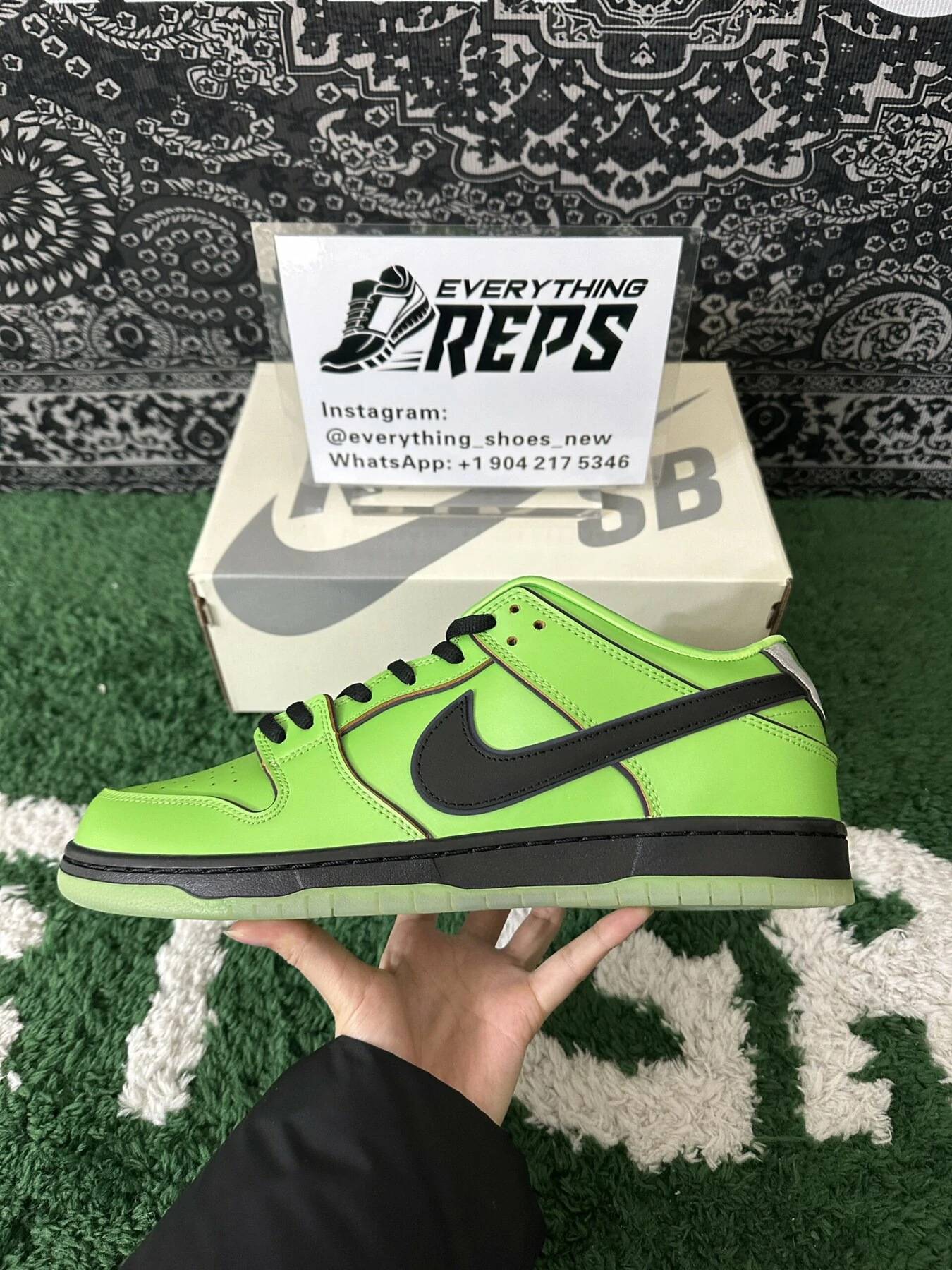
The Nike SB Dunk Laser is a laser-etched build of the SB Dunk Low, and most of its appeal sits in the surface texture rather than the colorblocking. For a store, that makes it an easy in-hand sale and a much harder online impulse buy. What follows covers what the finish actually is, how the shoe fits, how to screen out copies and B-grades, and what to pin down with a Supplier before you commit to a bulk order.
What the Laser Treatment Changes on a Dunk
Laser etching is cut into the upper panels instead of printed on top of them. On most pairs the pattern stays tonal, so the shoe reads as one solid color from across the room and only shows its detail at arm's length. That hidden texture is the selling point, and it is also why the shoe dies in a flat product photo.
Pattern placement shifts slightly from pair to pair because the engraving follows the panel shapes. Small variation between a left and right shoe is normal, so do not call it a defect. Depth is the thing to judge: crisp, visible lines mean a good pair, while shallow or fuzzy etching points to wear or to a copy.
Materials on premium SB releases sit a step above a general-release Dunk Low, and your cost basis should reflect that. Quotes for laser-etched SB pairs commonly land above standard GR pricing, though the spread depends on size run, box condition, and how motivated the seller is. Treat any figure you hear as a starting point to confirm with the supplier, not as a fixed market rate.
Fit, Sizing, and How to Build a Size Run
Because the Nike SB Dunk Laser uses the same shell as a standard SB Dunk Low, the fit will be familiar to anyone already selling SB. The shoe runs true to size for most buyers, with a padded tongue and a thick insole that eat a little volume through the midfoot.
Wide-footed customers usually go up half a US size, and so do buyers who wear thick socks or drop in an aftermarket insole. Narrow feet stay true. When someone asks, send them to the official Nike SB size chart and a measured foot length in inches instead of a guess based on another brand.
Depth beats breadth when you plan stock. Core US men's 8 through 12 carries most of the demand, with 9 to 10.5 moving fastest. Add a light run of 7 and 7.5 for women Buying down, and keep 13 to a pair or two unless a regular customer is asking.
Returns are where sizing mistakes get expensive. Spell out your exchange window on the sales floor and online before the pairs land, because a laser-etched upper shows creasing faster than a smooth leather panel and a worn pair cannot go back on the shelf.
Spotting Fakes and B-Grades Before You Pay
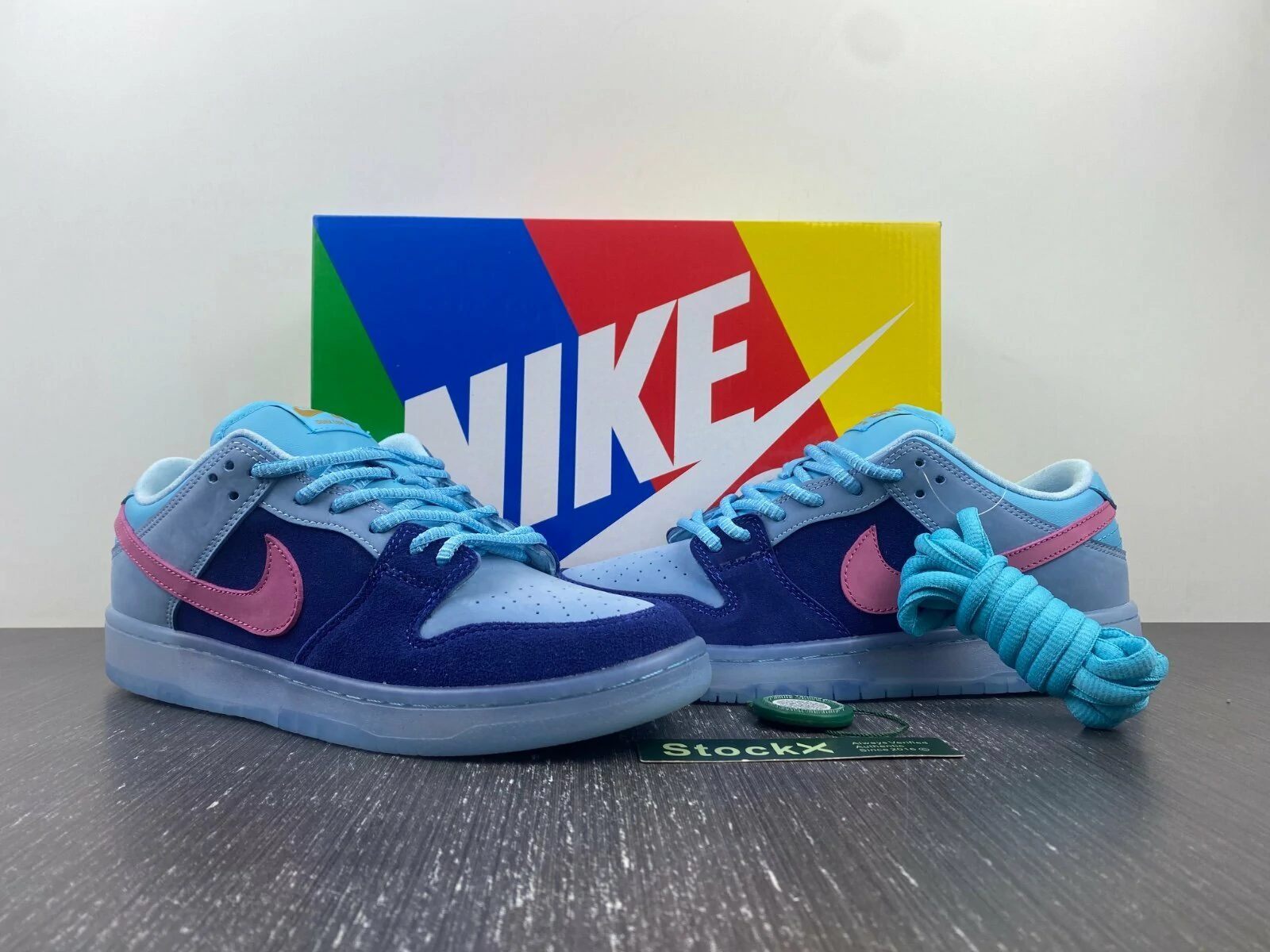
The etching is the first thing to check on any Nike SB Dunk Laser offered to you. Real engraving has depth and a clean edge, and the pattern stays consistent across panels and between shoes. Copies usually print the texture, so the surface looks flat and the lines smear when you tilt the shoe to the light.
Work through the rest of the pair in a fixed order so nothing gets skipped.
- Size tag: font weight, spacing, and code layout should match known retail pairs.
- Stitching: even spacing along the toe cap and heel, no wandering lines.
- Midsole and outsole: clean paint edges, no overspray at the tape line.
- Box label: correct style code and size format, label sitting flat and square.
- Insole print: sharp, centered, and not peeling at the heel.
B-grades are the other trap, and they are more common than outright fakes in wholesale channels. These are pairs that failed factory inspection for glue spots, a crooked panel, or a scuff, then got sold into the secondary market at a discount. Ask every seller, in writing, whether the pairs are retail-first quality. A vague answer is an answer.
When the money at risk is meaningful, pay for professional authentication or a third-party inspection before the balance is released. On a bulk order the fee is small next to the cost of a bad run you cannot move at full margin.
Screening Suppliers Without Wasting Weeks
Availability claims are the cheapest thing to fake. A supplier who can produce any size in any quantity of a scarce SB colorway on a day's notice is either sitting on old stock or selling something that is not what the listing says. Ask for in-hand photos with a dated note in frame, a close-up of the size tag, and one shot of the full run laid out together.
| Channel | Size-run flexibility | Authentication risk | Best for |
|---|---|---|---|
| Authorized wholesale account | Low, allocations are set | Low | Shops with steady SB volume |
| Licensed closeout and liquidation | Medium, depends on the lot | Low to medium | Filling gaps at a discount |
| Overseas sourcing agents | High on paper | High | Buyers with inspection in place |
| Local buyouts and consignment | High, but only one or two sizes | Medium | Small shops testing demand |
Run this list before any deposit leaves your account.
- Confirm the size breakdown in writing, not as "mixed run."
- Ask what happens with flawed pairs: credit, replacement, or nothing.
- Get lead time and ship method written into the quote.
- Request two trade references you can actually call.
- Start with a trial order before you scale quantity.
Payment structure tells you more than any catalog does. Sellers who want the full amount up front on a first order, with no inspection and no defect policy, are asking you to carry every bit of risk. A deposit with the balance due after inspection is common practice and a fair thing to request. Confirm duties and clearance costs with a customs broker before you set your landed cost, since rates and entry rules shift.
Common Questions From Buyers
Do these Dunks fit the same as a regular Dunk Low?
Close, but not identical. The SB version adds a padded tongue and a thicker insole, so the midfoot feels snugger than a standard Dunk Low. Most buyers take their normal size, wide feet go up half a size, and anyone planning to swap insoles should size with the new insole in mind.
How large should a first bulk order be?
Small enough that a slow sell-through will not hurt your cash flow. Many independent shops open with a trial run spread across the core sizes and reorder once they see which sizes clear. Ask the supplier for their stated minimum order quantity in writing, then price the order at your realistic sell-through rate, not your best-case one.
Are B-grades worth buying at a discount?
Sometimes, if the flaws are purely cosmetic and the seller documents them. Keep them in a separate bin with the flaw disclosed and price them accordingly. Never mix graded pairs into stock you are advertising as retail-first, because one returned pair costs more in trust than the discount saved.
How can I tell whether supplier photos are real?
Ask for a dated handwritten note in the frame, a close-up of the size tag, and a short video panning the same pair. Run the images through a reverse image search to see if they appear on other listings. Photos that reappear across several sellers usually belong to one original owner, not to the person quoting you.
Pricing a restock on laser-etched SB pairs? Send us your size breakdown and target quantity, and we will come back with current availability, box condition notes, and a landed-cost estimate you can check line by line before you commit.