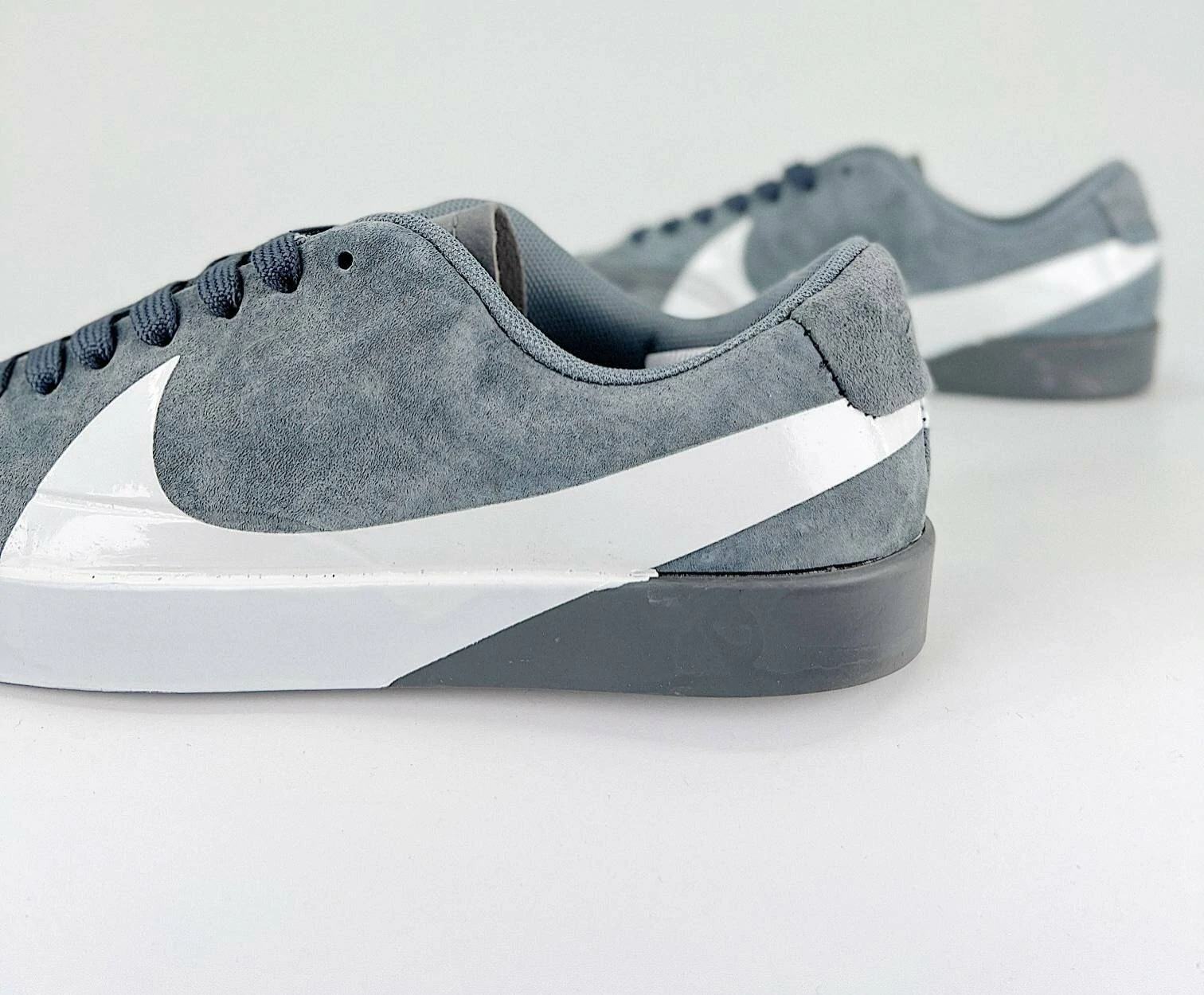
A pair listed as the Nike SB Dunk 3D is a colorway within Nike's skateboarding line, not a separate silhouette. Underneath the 3D tag sits the same SB Dunk build most Shops already Stock: padded collar, Zoom Air insole, cupsole with a pivot circle under the ball of the foot. What changes is the upper, the color blocking, and whatever name the seller has attached to it.
That distinction matters at the buying stage. Two listings can carry nearly identical names and still describe different pairs, different Materials, and different quality tiers. The notes below cover how to read the label, who the shoe actually sells to, fit and sizing on the sales floor, and what to verify before you commit money to a run.
Reading the 3D Label Without Getting Burned
SB Dunk colorway names get recycled, shortened, and occasionally invented. A marketplace listing that says Nike SB Dunk 3D might point to a real release, a regional pair, or a sample that never carried that name in the first place.
The reliable move is to ask for the style code before anything else. Legitimate SB Dunks carry a six-digit-plus-three code on the tongue tag and the box label. Match that code against the official catalog entry, then compare the upper materials, panel shapes, and stitching in the seller's photos against that reference.
If a supplier cannot produce a style code, or sends photos of a different pair than the one in the listing, that is your answer. Walk away and keep the relationship for a cleaner colorway.
Who Actually Buys This Shoe
SB Dunk demand comes from two groups that behave very differently. Skaters buy them to skate, so they care about board feel and how the suede holds up to grip tape, and they tend to come back for a replacement pair. Collectors buy by colorway, often in multiples, and care about the box, the tag, and whether the pair is genuinely deadstock.
Your size curve should serve both. Men's 8 through 11 does most of the volume in most US shops. Women's sizing has become a real driver at the small end, roughly a men's 5 to 7, and those sizes clear faster than they did five years ago.
Big sizes, 12 and up, move slower but rarely sit forever, and they are painful to reorder once a run sells through. On a first order, keep the extremes shallow and put your depth in the middle.
Fit, Sizing, and What to Tell Customers
Most buyers ask whether the Nike SB Dunk 3D runs true to size. In general it does, for average-width feet, with a slightly snug forefoot caused by the thick insole and heavily padded tongue.
Wide-footed customers usually do better going up a half size. Customers who swap in a thinner aftermarket insole can often stay true to size. Neither shortcut replaces the official size chart, so keep it bookmarked behind the counter.
| Feature | SB Dunk 3D colorway | Standard SB Dunk Low | Non-SB Dunk Low |
|---|---|---|---|
| Cushioning | Zoom Air unit in the insole | Zoom Air unit in the insole | Standard foam insole |
| Tongue and collar | Thick, padded tongue | Thick, padded tongue | Slimmer, lifestyle padding |
| Upper materials | Colorway dependent: suede, nubuck, leather, canvas | Same range, colorway dependent | Usually smooth or tumbled leather |
| Outsole | Cupsole with skate pivot circle | Cupsole with skate pivot circle | Cupsole, standard tread |
| Typical buyer | Collectors and skaters chasing the colorway | Skate and everyday wear | Lifestyle buyers, price sensitive |
Use that table when a customer asks why one Dunk costs more than another. The differences are real and easy to explain in thirty seconds.
Materials, Wear Points, and Returns
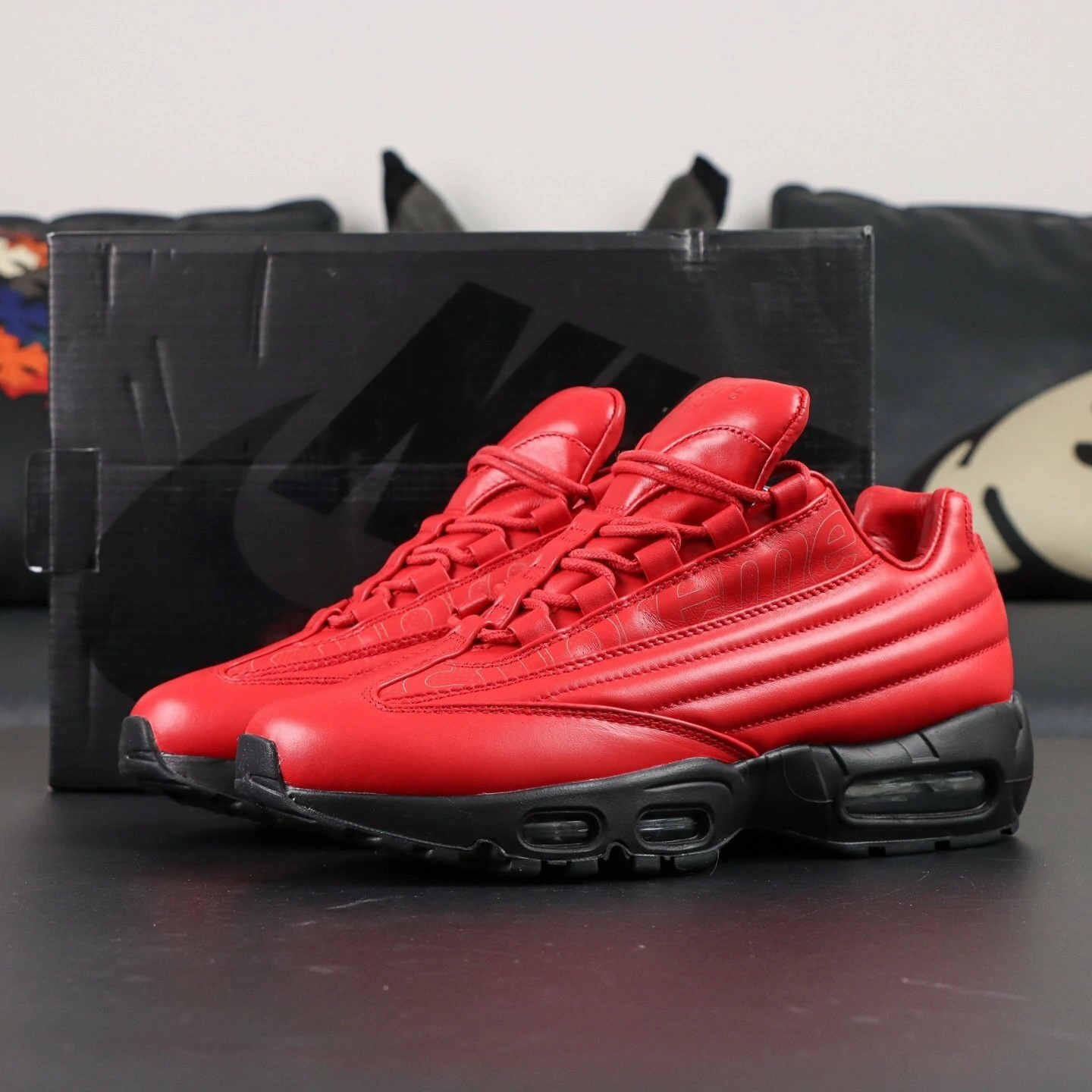
Which material the upper uses changes everything about how the pair ages. Suede and nubuck scuff visibly and need a brush. Smooth leather wipes clean but creases hard at the toe box. Canvas is the lightest option and the least forgiving in wet weather.
Most returns on SB Dunks trace back to three things: heel drag on suede pairs, midsole paint cracking near the flex point, and pure sizing guesses. Setting expectations at the register prevents two of the three before the shoe leaves the store.
Inspect every pair before it hits the shelf. Look at the tongue tag stitching, the box label, the insole print, and whether both shoes match in panel shape. On a colorway-heavy release, mismatched panels are the first warning sign.
Cost, Depth, and Order Math
Landed cost on the Nike SB Dunk 3D swings widely depending on the age of the colorway, the size run you want, and the channel you buy through. Treat any quote as a starting point and confirm the final figure with your supplier, freight and duties included.
Build your margin backward instead of forward. Set the retail price your local market supports, subtract your target margin, and see what landed cost you can actually afford. If the quote sits above that number, the run is too thin to justify the shelf space.
Customs and duties are the line item new buyers underestimate most. Rates depend on classification and country of origin, and the rules get revised. Have a customs broker confirm the classification before your first shipment clears, not after.
Pre-Purchase Checklist for a New Run
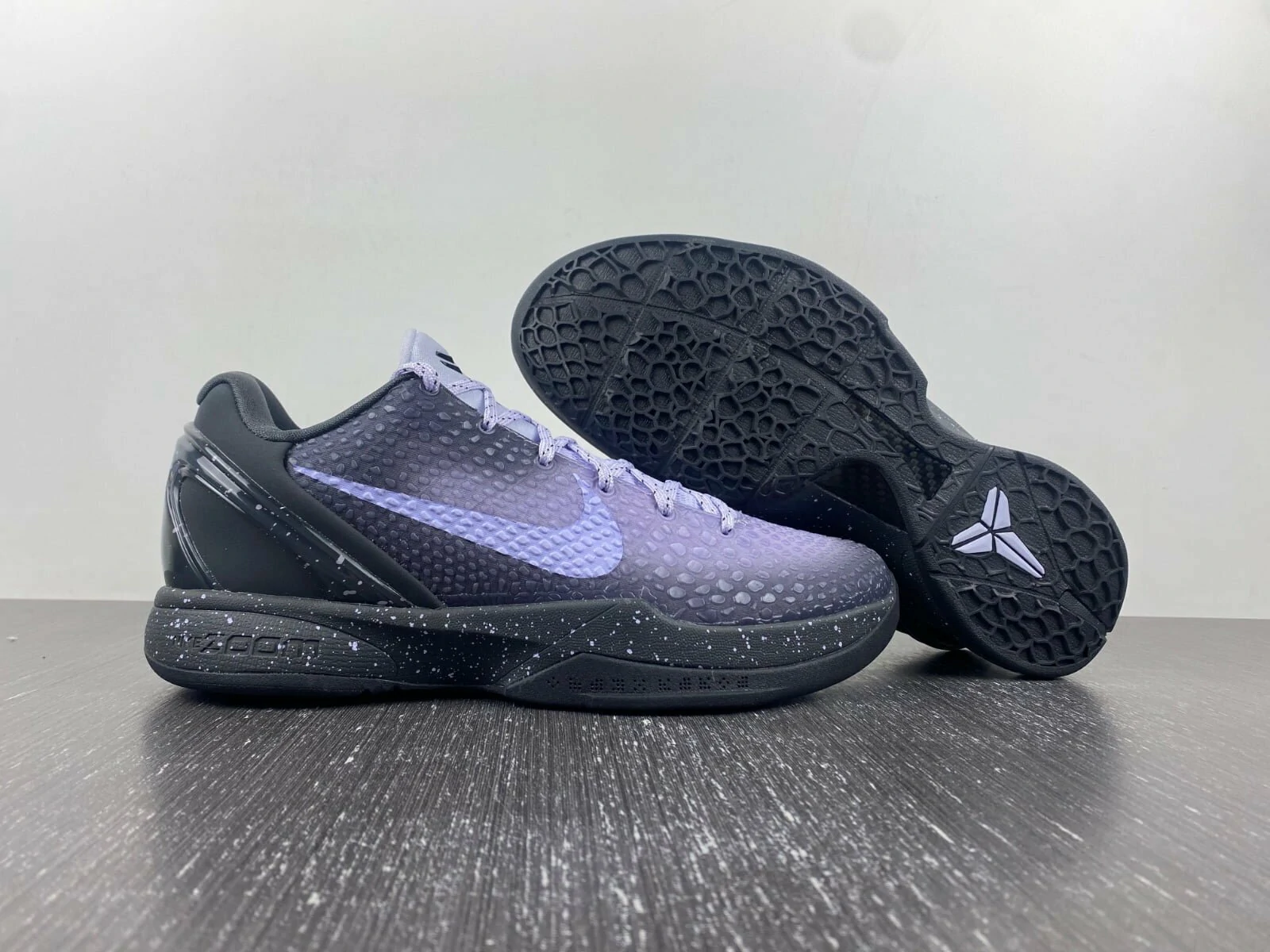
Run this list in order. Every item exists because someone skipped it and paid for the lesson.
- Style code confirmed and matched to the official catalog entry
- Photos of the actual pair, not catalog renders, from at least three angles
- Size run specified in US sizes, never converted from EU or UK
- Material breakdown per colorway confirmed in writing
- One sample pair ordered and inspected before a bulk commitment
- Defect and return policy stated in writing, including who covers return freight
- Landed cost calculated with freight, duties, and insurance included
- Payment terms reviewed, with no full upfront payment on a first order
Questions Buyers Ask Most
Is the Nike SB Dunk 3D true to size?
It follows the standard SB Dunk fit: true to size for most average-width feet, slightly snug through the forefoot because of the insole and tongue padding. Customers with wide feet should go up a half size. Anyone planning to swap insoles should try the pair on with the insole they intend to use.
How can I tell whether a pair is authentic?
Start with the style code on the tongue tag and box label, then compare stitching density, panel symmetry, and insole print against the official reference. Ask for photos under natural light. For high-value pairs, pay a professional authentication service rather than relying on your own eye.
Do SB Dunk colorways hold their value?
It varies by release, size, and condition. Some colorways trade well above retail for years, others flatten within a season. Check recent sold listings in your exact size range instead of asking prices, and buy on the assumption that slower movers will need markdown room.
How deep should a first order go?
Shallow in the middle, shallower at the extremes. Take depth in men's 8 to 11, one or two pairs each in the small and large ends, and reorder once you see which sizes actually move in your store. Ask suppliers for their minimums broken out by style and by size before you agree to anything.
If you are planning a run and want the numbers laid out clearly, send your size curve and target retail price. We will come back with a quote broken down by size, landed cost, and lead time so you can compare it against your margin target before committing.