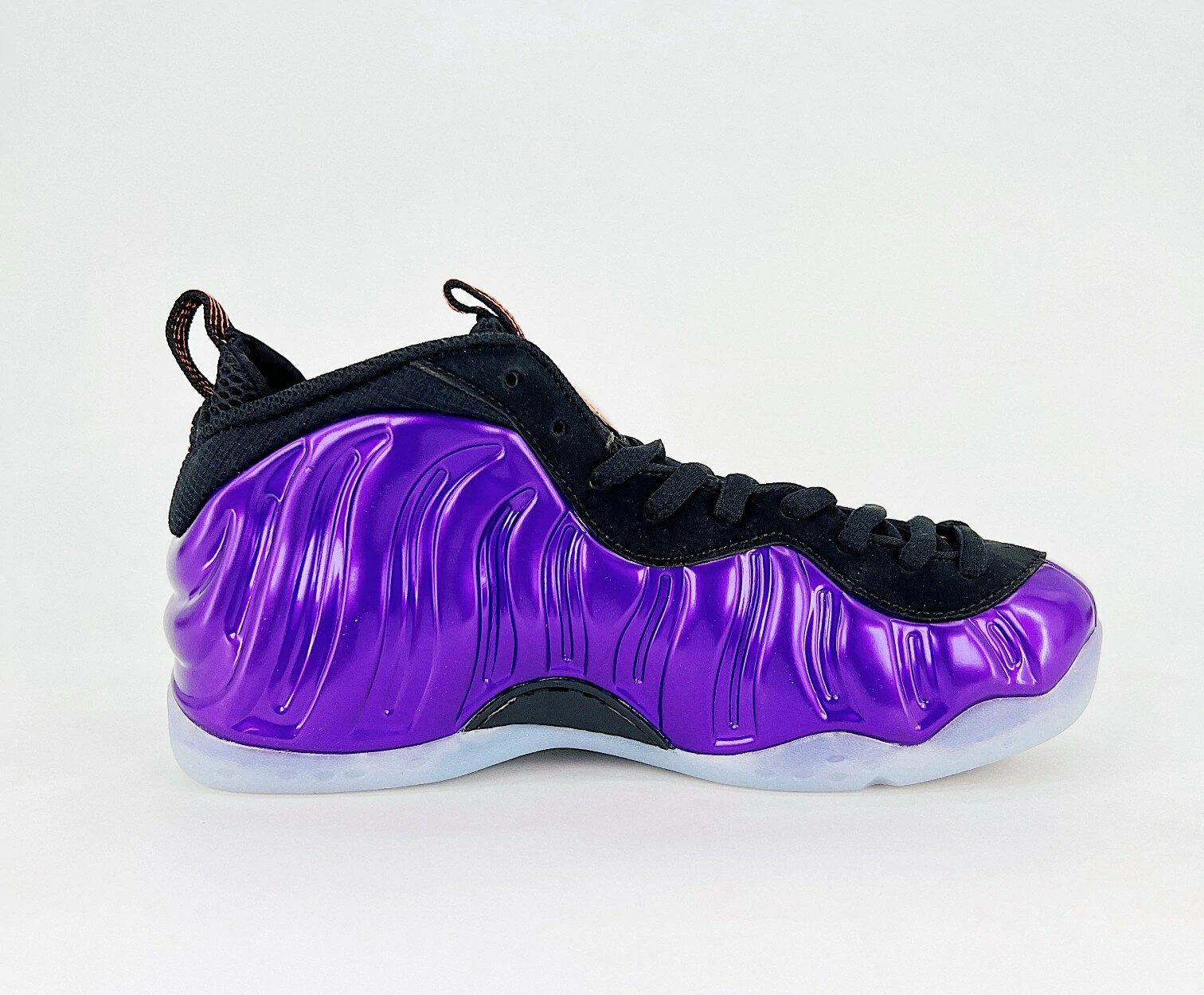
Most searches for the Nike Dunk SB force 58 are actually two searches in one. The Nike SB Dunk and the Nike SB Force 58 are separate models, with different cupsoles, different price bands, and different customers, and a store that treats them as one SKU usually ends up with the wrong size run on the shelf.
What follows covers what each shoe is, how fit and sizing differ, what to inspect on incoming cartons, and how to plan a wholesale order around real local demand. It is written for shop owners, online sellers, and buyers ordering in bulk, not for collectors chasing a single colorway.
Two Different Shoes Behind One Search Term
The SB Dunk arrived in 2002 as a skate-ready take on the Dunk and has stayed the brand's flagship skate silhouette since. It sits on a cupsole with Zoom Air in the heel, comes in Low and High builds, and carries the strongest resale premium of any SB model.
The SB Force 58 is a newer, simpler cupsole aimed at entry-level skate and everyday wear. Expect a canvas or suede upper, a lower retail price, and a fit built for comfort rather than board feel. Think of it as the pair a first-time skate customer buys before committing to a Dunk.
When a buyer asks for the Nike Dunk SB Force 58, the first question to ask is which one they mean. Getting that wrong costs you a return, a one-star review, or a shelf full of pairs nobody in your area is asking for.
Side-by-Side Comparison for Buyers
| Feature | Nike SB Dunk Low | Nike SB Force 58 | What It Means for Stock |
|---|---|---|---|
| Typical US retail band | Roughly $110 to $140 | Roughly $75 to $95 | Resale premium changes what your market will pay |
| Cushioning | Zoom Air heel in a cupsole | Foam midsole in a cupsole | Dunk suits hype drops, Force 58 suits volume |
| Fit | True to size, snug midfoot | True to size, roomier forefoot | Keep separate size runs, do not share shelves |
| Core buyer | Collectors, skaters, resellers | Beginners, casual wear, parents | Force 58 sells well in family and youth sizes |
| Reorder pattern | Drop-driven and hard to predict | Steady, repeatable core orders | Treat Force 58 as a staple, Dunk as a bet |
Read that table as a stocking guide, not a price list. Retail bands shift by season and region, so confirm current figures with your supplier or the brand's published retail before you set margins. The Force 58's real advantage is that it reorders predictably in core sizes, which is the opposite of how Dunk SB drops behave.
Sizing, Fit, and Size Runs
Fit questions drive more returns than quality complaints on both models, so settle the guidance before you write product copy or train staff.
SB Dunk Low and High
Most customers take their usual US size, and the upper relaxes at the midfoot after a week of wear. Wide-footed buyers often go up a half size on the Low, which runs narrow through the arch. Stock US 8 to 11 heaviest, with 9.5 and 10.5 selling out first.
SB Force 58
Treat the Nike Dunk SB Force 58 as true to size too, but expect a roomier forefoot and a flatter arch than the Dunk. That makes it an easier sell to casual customers and to parents buying for teenagers who dislike a snug fit. Half sizes matter here, and cutting 9.5 from a size run to save money costs you conversions.
A workable opening run for either model:
- Two pairs each of US 8, 8.5, 9, 10.5, and 11
- Three to four pairs each of US 9.5 and 10
- One pair each of US 7 and 12 to cover outliers
- US 13 and 14 on special order only, unless a local buyer has already asked
Those quantities are a starting point, not a rule. If your store sells mostly to skaters, shift weight toward the Dunk and keep the Force 58 shallow. If you sell online to a broad audience, the reverse usually works better, because search demand for the cheaper cupsole is steadier month to month.
Authentication and Quality Checks on Incoming Pairs
Counterfeits of the Dunk SB are common. Copies of the Force 58 are less frequent but far from rare, and both arrive through the same gray channels, so run the same inspection on every carton, whether it holds the Nike Dunk SB Force 58 or a Dunk SB colorway.
Do the inspection before you price and shelve anything. Once pairs are mixed into inventory, tracking which carton a problem came from gets expensive.
- Match the SKU and color code on the box label to the tag inside the tongue, character by character.
- Check stitch density along the toe cap and the evenness of the Swoosh edge; sloppy spacing is the most common tell.
- Pull the insole and measure it against a pair you already trust in the same size.
- Weigh one pair on a kitchen scale; a 30 to 50 gram gap from a known pair deserves a second look.
- Flex the midsole and smell the glue line. A sharp chemical odor plus a stiff, chalky flex is a warning sign.
- Photograph anything questionable and send it to a professional legit-check service before listing.
No single check proves a pair is genuine. Two or three small inconsistencies together are enough reason to hold a carton back and ask the supplier for documentation.
Wholesale Planning: MOQ, Price Lists, and Supplier Screening
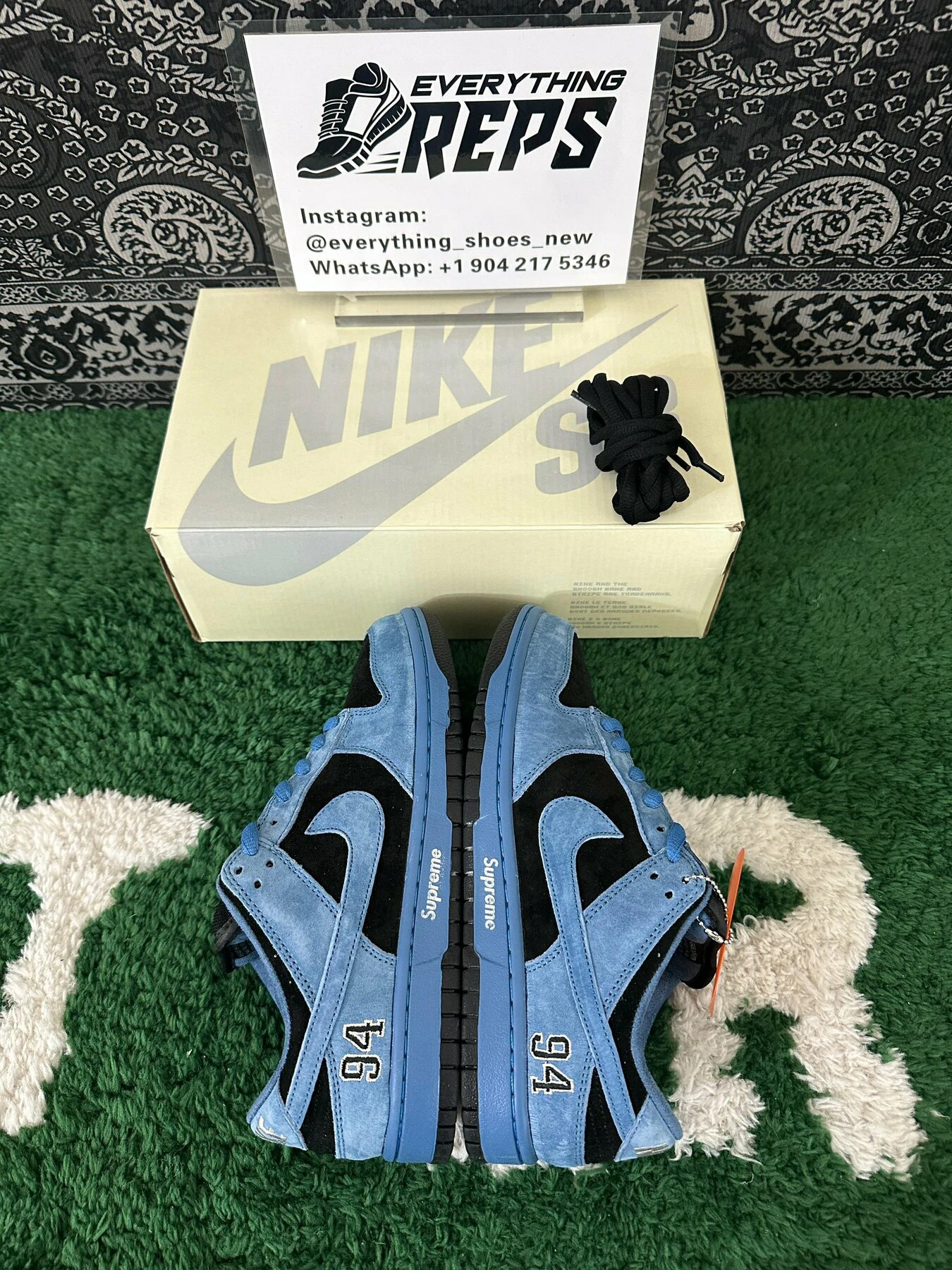
Minimum order quantities on SB product vary widely by supplier and by whether the pairs are first-run, closeout, or liquidation stock. Ask for the MOQ in writing along with the size breakdown, because a low unit minimum with a locked size curve is often worse than a higher minimum you can actually sell through.
Price lists are where weak deals hide. A quote that lands far under market usually means mixed sizes, no original box, or B-grade pairs with glue stains. Ask what is excluded from the price before you compare two suppliers on cost alone.
Screen suppliers the same way you would screen a new employee. Request references from stores in your region, order one sample pair at full cost, and pay a deposit only after you have seen real photos of the actual stock, not catalog shots. Confirm freight, duties, and returns in writing, and check the tariff treatment with a customs broker rather than relying on the seller's summary.
FAQ
Is the Nike Dunk SB Force 58 the same shoe as the SB Dunk?
No. They are two separate models. The SB Dunk is the flagship skate silhouette with Zoom Air and a higher retail price. The Force 58 is a simpler, lower-priced cupsole built for entry-level skate and casual wear. They share a size scale but not a last, a price tier, or a typical customer.
Do the SB Dunk and the Force 58 fit the same?
Close, but not identical. Both run true to size for most buyers. The Dunk is snugger through the midfoot, so wide-footed customers often go up a half size. The Force 58 gives more room in the forefoot. Publish that difference in your product copy and you will cut fit-related returns.
What size run should a small shop order first?
Start concentrated, not complete. Two pairs each of US 8 through 11 with extra depth at 9.5 and 10 covers most of the demand. Add US 7 and 12 as single units. Hold 13 and 14 until a customer asks, since those sizes tie up cash and rarely move quickly.
How do I check a supplier's stock before paying a deposit?
Ask for dated photos or a short video of the actual cartons, including box labels and the size curve. Order one sample pair first. Get the MOQ, size breakdown, and return policy in writing. If a seller refuses any of those three requests, treat it as your answer and move on.
Ready to Build Your Order
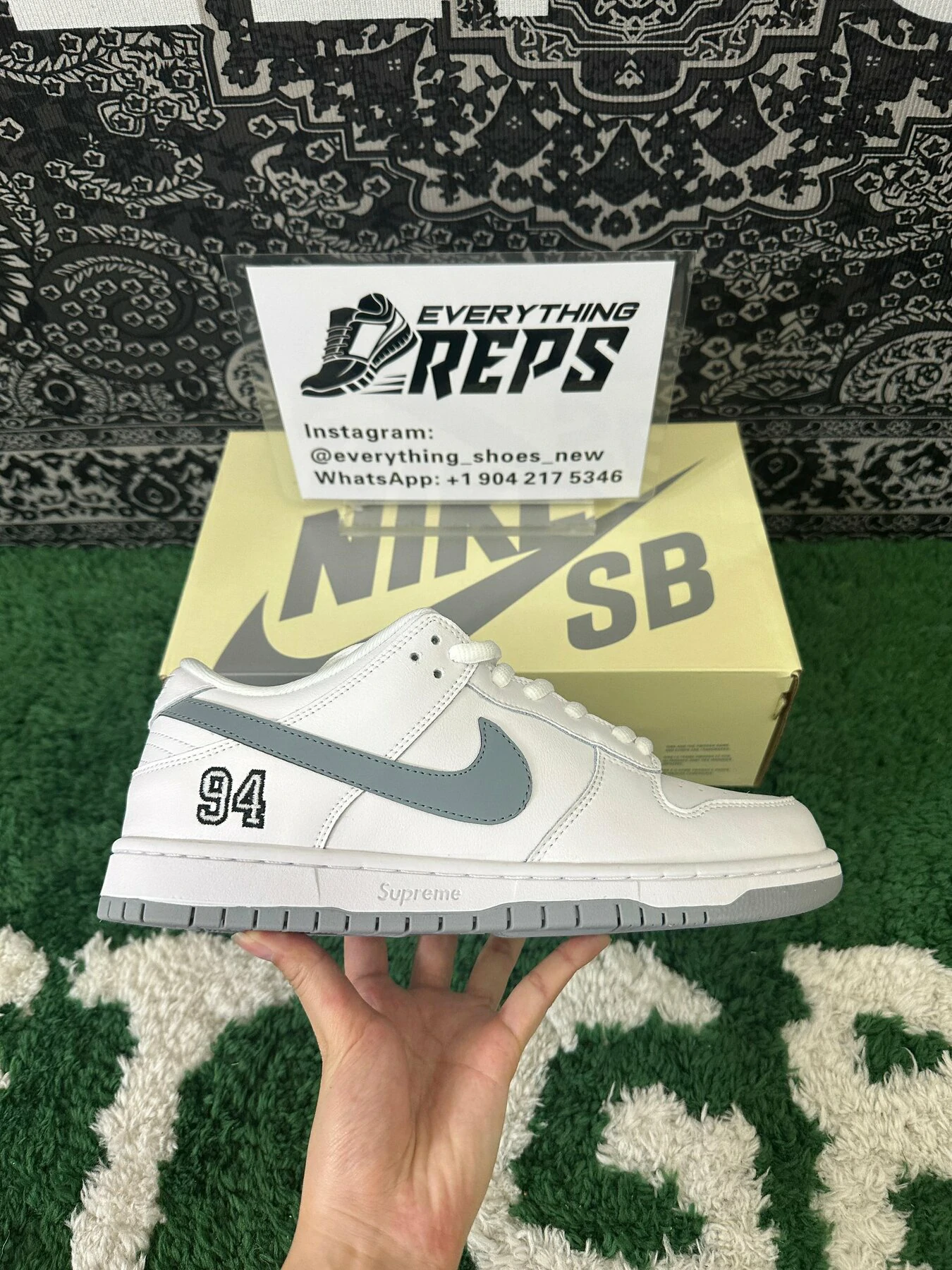
Send over the models you stock, your target size run, and the landed cost you need to hit, and we will put together a quote with the size curve, packaging details, and lead times spelled out. Ask for references and a sample pair first; a supplier who welcomes that check is the one worth keeping.