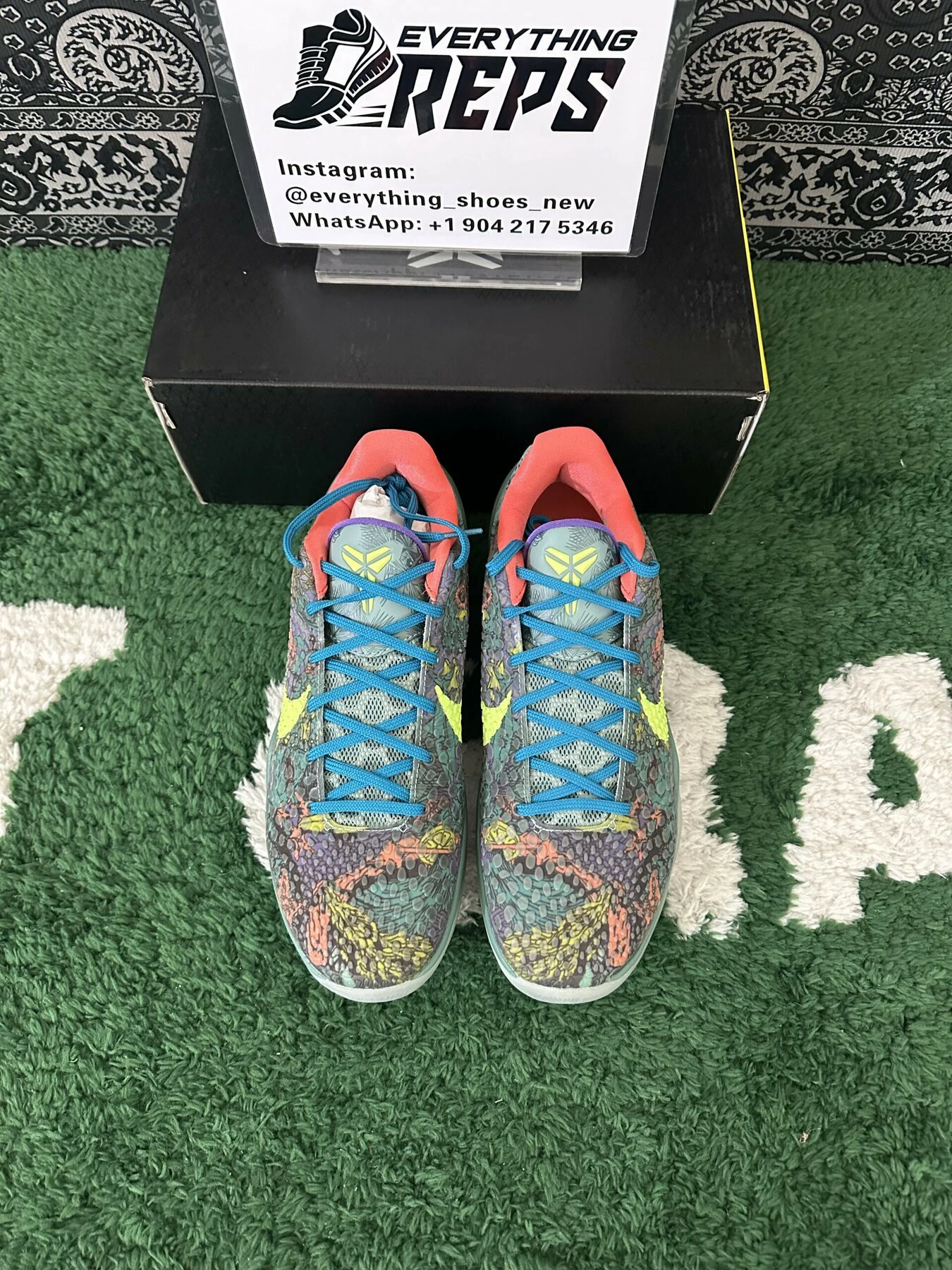
The Nike Adobe SB Dunk is a clay-toned take on the SB Dunk Low Pro, a skate shoe that most customers will end up wearing casually. Whether it belongs in your store comes down to three things: how a neutral colorway sells in your market, whether your size run matches local demand, and whether the pairs you receive survive inspection. The notes below cover Materials, fit, verification steps, and the margin math, all from the buying side of the counter.
Read this as a working checklist rather than a review. You are not deciding whether the shoe looks good. You are deciding how many pairs to commit to, at what landed cost, and with what exit plan if the sell-through stalls.
What This Colorway Actually Is
The Adobe sits at the earthy end of the SB Dunk range: clay, sand, and gum tones instead of the loud color-blocked pairs that dominate social feeds. Construction follows the standard SB Dunk Low Pro recipe. Suede or nubuck panels sit over a padded collar and tongue, a Zoom Air unit sits in the heel, and a rubber cupsole with a pivot circle handles the ground contact.
That neutral palette cuts both ways. It sells to a wider age range, including the customer who wants one Dunk to wear with everything and does not follow drop calendars. It also generates less noise, which means fewer Buyers paying above retail and a slower, steadier sell-through instead of a spike.
Colors drift between product photos and real pairs. Ask for daylight shots of the actual units in your size run Before approving a bulk order, and compare them against the official product page rather than against resale listings.
| Spec | What to expect | What to verify on receipt |
|---|---|---|
| Upper | Suede or nubuck panels in warm clay tones | Nap direction and shade match between left and right shoe |
| Sole unit | Rubber cupsole, gum or tonal finish | Glue lines at the midsole seam, no yellowing at the toe |
| Fit | Standard SB Dunk volume, snug for wide feet | Half sizes present in the run you ordered |
| Cushioning | Zoom Air unit in the heel, printed insole | Insole print sharpness and heel padding density |
| Packaging | SB box with a labeled end panel | Box SKU, color code, and size matching the shoe tag |
Fit Notes for Your Size Run
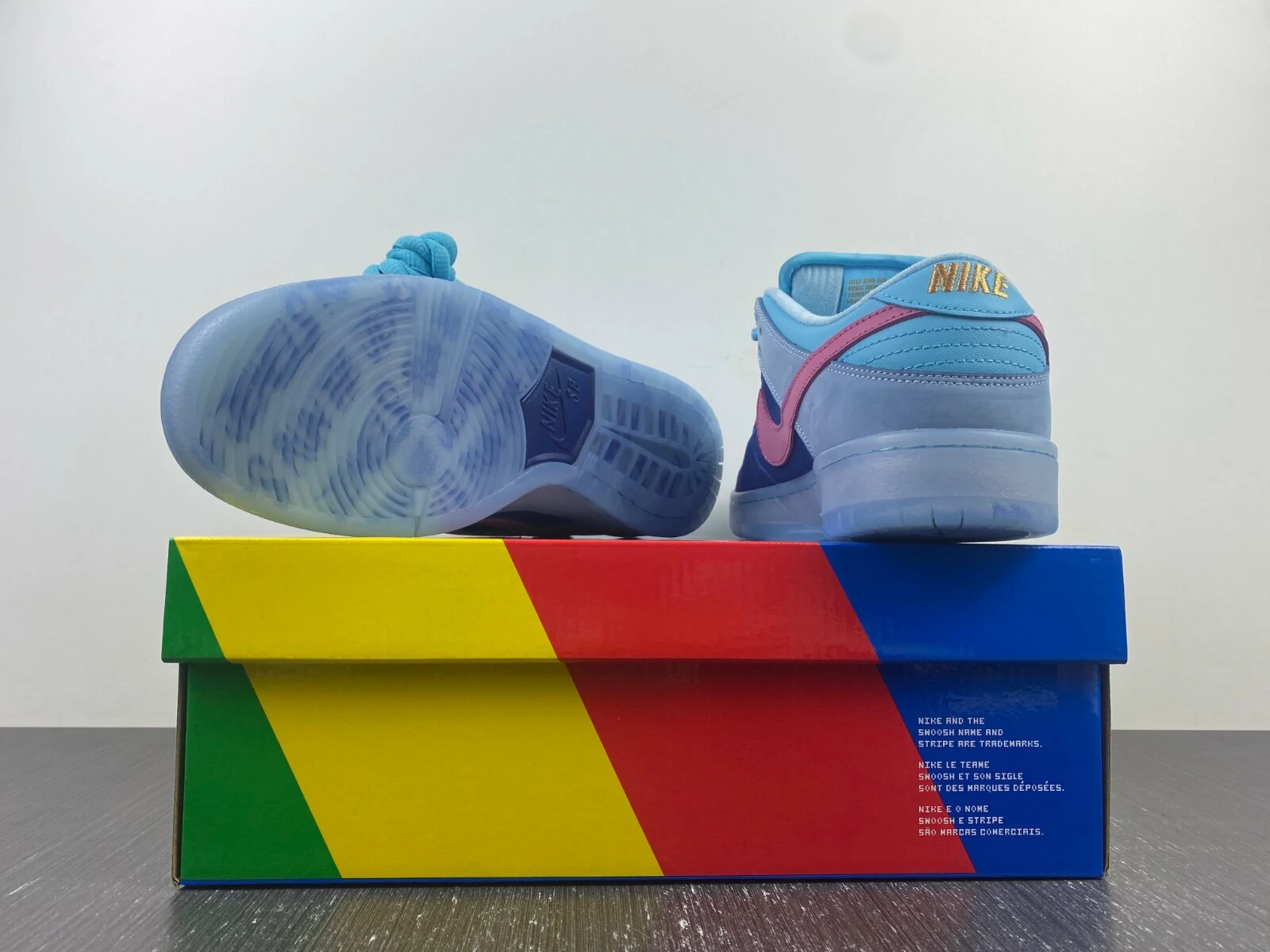
Fit on the Nike Adobe SB Dunk follows the usual SB Dunk Low pattern. The padded tongue and collar eat interior volume, so most customers stay with their normal Nike size while wide-footed buyers often need a half size up. Anyone planning to skate in them usually wants a snugger fit than a casual buyer does.
That padding shapes your buying decision. A full-sizes-only run looks cheaper on paper and produces more exchanges, more shopworn returns, and more time spent re-selling a tried-on pair. Carrying half sizes from roughly 8 to 11 costs a little more per unit and removes most of that friction.
Train staff to mention break-in at checkout. Suede panels relax within a week or two of regular wear, and setting that expectation before the customer leaves prevents a return three weeks later.
Spotting Problem Pairs Before They Reach the Shelf
Every pair of the Nike Adobe SB Dunk you take in should pass the same inspection, whether it arrives from a distributor, a liquidation lot, or a secondary-market seller. Replicas have gotten good at the silhouette and the proportions. They still slip on materials, stitching, and label printing.
Work through this list with the shoe in hand and the box open next to it:
- Suede nap: brush the panel in one direction with a fingertip. Real suede shifts tone; cheap synthetic stays flat.
- Stitching: even spacing along the swoosh and heel tab, no loose threads, no double-stitched corners.
- Tongue label: thick, slightly stiff material with clean font weight and even spacing between letters.
- Size tag: font, placement, and production dates that make sense next to the box label.
- Box end label: SKU, color code, and size matching the shoe tag exactly, printed crisply and not photocopied.
- Midsole finish: light, even adhesive at the seam and no excess glue smeared onto the suede.
- Flex and weight: the forefoot bends without a hollow sound, and the pair feels substantial in hand.
- Insole print: sharp branding, correctly centered, with no smudging around the edges.
Above your normal unit cost, pay a professional authenticator rather than relying on a staff member's eye. Phone photos of the tag, box label, and both shoes side by side are usually enough for a verdict, and the fee is cheaper than one bad pair reaching a customer.
Photograph every pair before it leaves the back room. A timestamped image of the tag and box protects you if a buyer later claims the shoe arrived used or mismatched.
Landed Cost, Markup, and Sell-Through
Pricing starts with landed cost, never with a marketplace screenshot. Add unit cost, inbound freight, duties, payment processing, authentication fees if you use them, and a shrink allowance for returns and shopworn pairs. That total is your real cost, and it is usually meaningfully higher than the invoice.
From there, most footwear buyers aim for roughly keystone, about double landed cost, on full-price sales, then plan promotions at a lower multiple. Treat that as a starting reference and confirm it against your own margin targets and your supplier's terms.
When you price the Nike Adobe SB Dunk, decide whether you are holding or turning before the first pair sells. Neutral pairs tend to clear closer to full price but take longer, while hype pairs spike early and soften fast. Mixing the two strategies on the same shelf usually produces a muddled result.
Set a dead stock rule and actually follow it. If a pair has not moved at full price in 60 days, mark it down and put the cash back into something that turns. Shelf space is inventory, and slow stock quietly costs you both.
- Confirm the color code and SKU against the official product listing.
- Ask for the MOQ in writing, broken out per SKU and per size.
- Request a sample pair from the exact lot you will be buying.
- Check the supplier's return policy on mismatched or defective units.
- Run the numbers at landed cost, not at quoted unit price.
Questions Buyers Ask Most
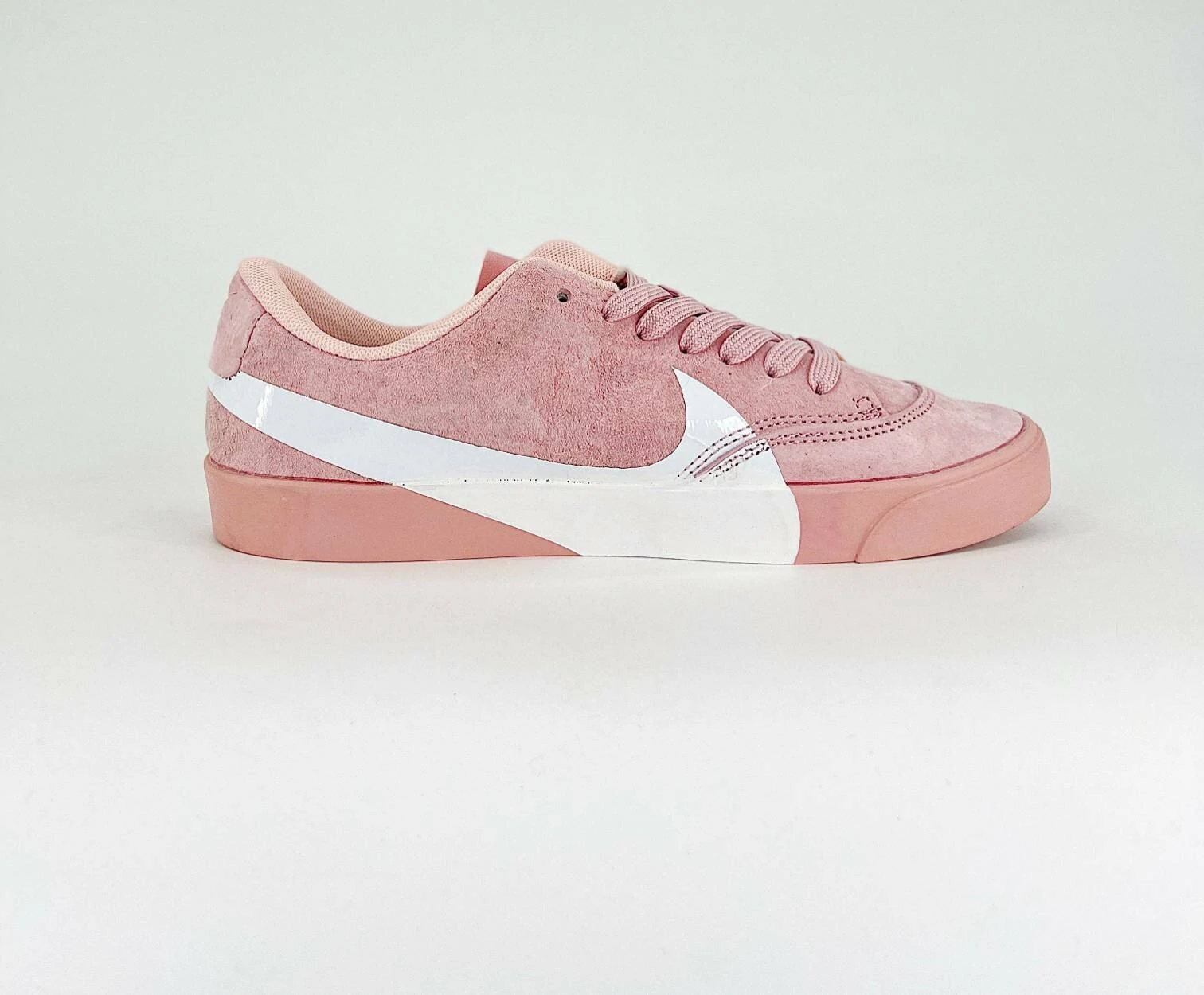
Does the Nike Adobe SB Dunk run true to size?
For most people, yes. The padded tongue and collar make it feel snug out of the box, and wide-footed customers often go up a half size. If you are advising a customer who cannot try the shoe on, ask about their normal Nike size and whether they wear thick socks, then recommend accordingly.
What materials should I expect on this colorway?
SB Dunk Lows in earthy palettes typically use suede or nubuck panels with a padded textile tongue and a rubber cupsole. Confirm the exact material mix on the official product page before you write shelf signage, since labels like suede and nubuck carry different care instructions and different customer expectations.
Is a neutral SB Dunk colorway safe stock for a small shop?
It is usually a steadier bet than a loud, trend-driven pair, but slower. Neutral pairs appeal to a broader age range and resist sudden drops in demand. The tradeoff is that they rarely create a rush, so plan for a longer hold and a tighter initial order.
What MOQ should I expect from a wholesale supplier?
Terms vary widely. Small-lot sellers may quote per pair or per size run, while pallet and container programs require far larger commitments. Ask for the minimum in writing, per SKU and per size, and confirm whether mixed sizes count toward it. Any number given verbally should be treated as an estimate and confirmed with the supplier.
How do I check that the box matches the shoe?
Compare three things: the size tag inside the shoe, the box end label, and the production dates. The SKU, color code, and size must match exactly, and the printing should be crisp rather than faded or misaligned. A mismatched box is one of the easiest red flags to catch and one of the most common.
If you are planning a spring or back-to-school buy and want current availability, size runs, and per-unit pricing on the pairs you are considering, send over your target quantities and we will put a quote together with the terms in writing.