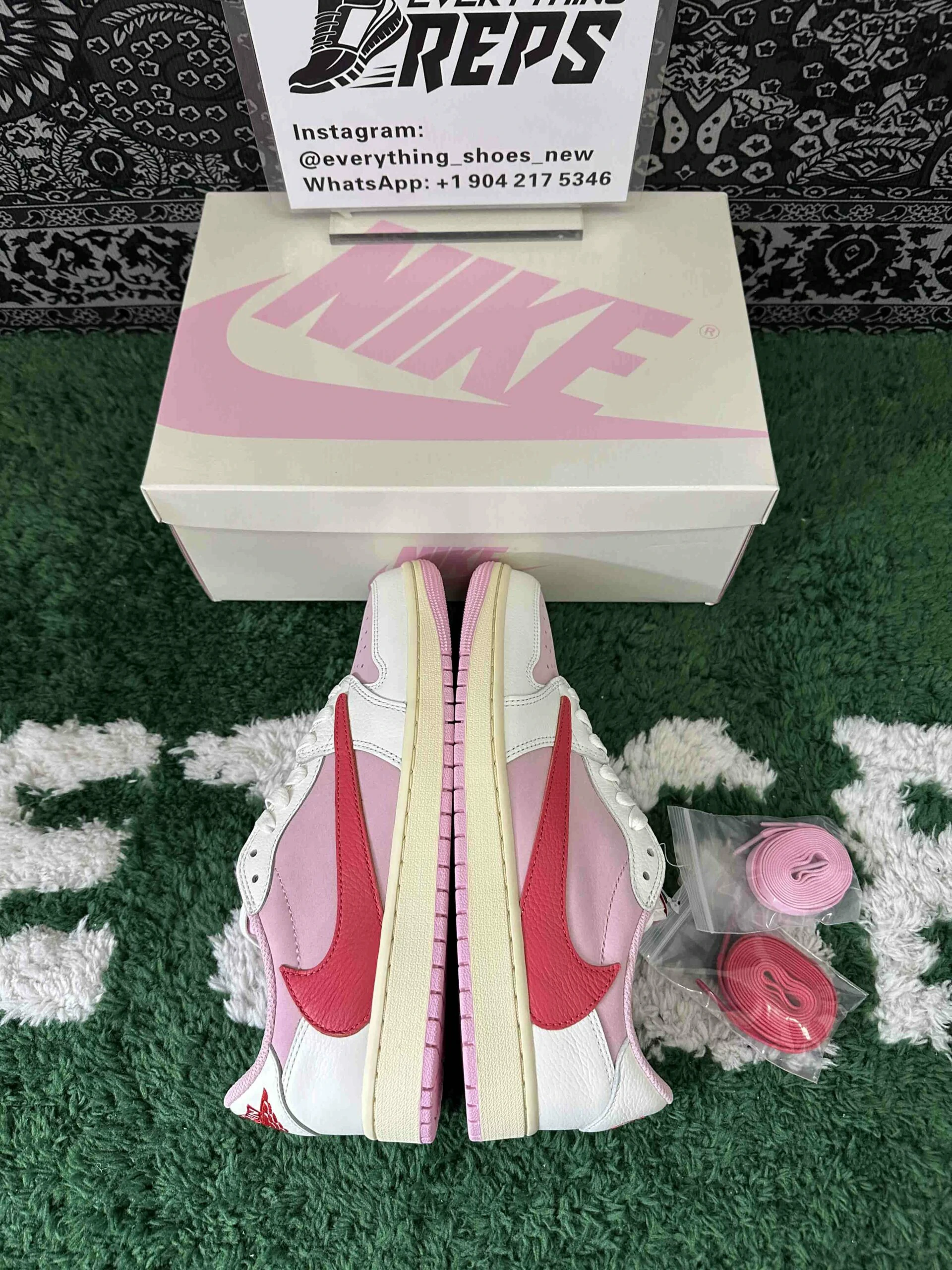
There was no published schedule for Jordan restocks in 2018. Nike ran them in waves through its own channels, and most store owners searching the next jordan Restock 2018 query were really asking a supply question: would pairs ever show up at a cost that left room for margin. Mostly, they did not.
What follows is a practical read on how that cycle worked, what it still tells you about buying Jordan inventory in the US, and how to plan open-to-buy when the official calendar stays silent.
How the 2018 Restock Cycle Actually Worked
Jordan restocks that year were marketing events, not inventory programs. Nike leaned on them around All-Star weekend in Los Angeles, the back-to-school window, and the holiday run-up, bringing back retros that still carried demand. Notice was short, sometimes only hours.
A restock also rarely meant a full size run. Sizes 8 through 11 or 12 would reappear, and 9, 9.5, and 10 disappeared first. Anyone needing a 7 or a 13 was pushed to the resale market. That pattern has not changed much since.
Replenishment is the other half of the story, and it gets ignored. Core Jordan team product and mid-tier models moved through normal wholesale channels on a steady rhythm. Hyped retros did not. Mixing up those two categories is the most common error I see from new buyers.
Why "Next" Was the Wrong Question
Searches for next jordan restock 2018 were supply questions in disguise. Buyers wanted a cost basis, not a date. Waiting for an announcement put them in the same queue as every consumer with a phone and a payment app.
Budget planning beats date watching. Set a quarterly figure for Jordan product, commit most of it to styles you can actually reorder, and hold a small reserve for opportunistic buys. That reserve is where closeout lots and wholesale batches fit.
Those batches are not a replacement for an account with real allocation. They do keep a Jordan wall looking stocked when the official channel goes quiet, which matters more for walk-in traffic than most owners admit.
Restock Pairs vs. Wholesale Sourcing
Comparing sources on unit price alone gets people in trouble. The table below breaks out what each channel typically delivers, kept qualitative because terms shift by supplier and season. Confirm every line in writing before you commit.
| Source type | Typical size run | Lead time | Cost vs. MSRP | Best fit |
|---|---|---|---|---|
| Brand restock via Nike or a partner door | Partial, core sizes first | Immediate, allocation based | At retail | Shops with an existing account and allocation |
| Authorized distributor or licensed wholesaler | Partial to full, case packs common | Days to a few weeks | Below retail, margin varies | Stores that need reorderable core product |
| Closeout and off-price lots | Mixed, often broken sizes | Days to a few weeks | Well below retail, condition dependent | Off-price sellers and outlet-style shops |
| Liquidation pallets and mixed loads | Unknown until sorted | One to several weeks | Lowest per unit, highest risk | Resellers with sorting space and authentication skills |
For a physical store, the size curve matters more than the unit price. A cheap lot with four size 14s and no size 9 is dead stock taking up shelf space. Ask for the curve in actual units before you approve a purchase order.
Condition is the second filter. Deadstock with an original box, clean labels, and no midsole yellowing moves faster than the same shoe with a crushed lid. Request photos of the box label and the size tag inside the collar, not just a side profile shot.
A Buying Checklist Before You Commit to a Jordan Order
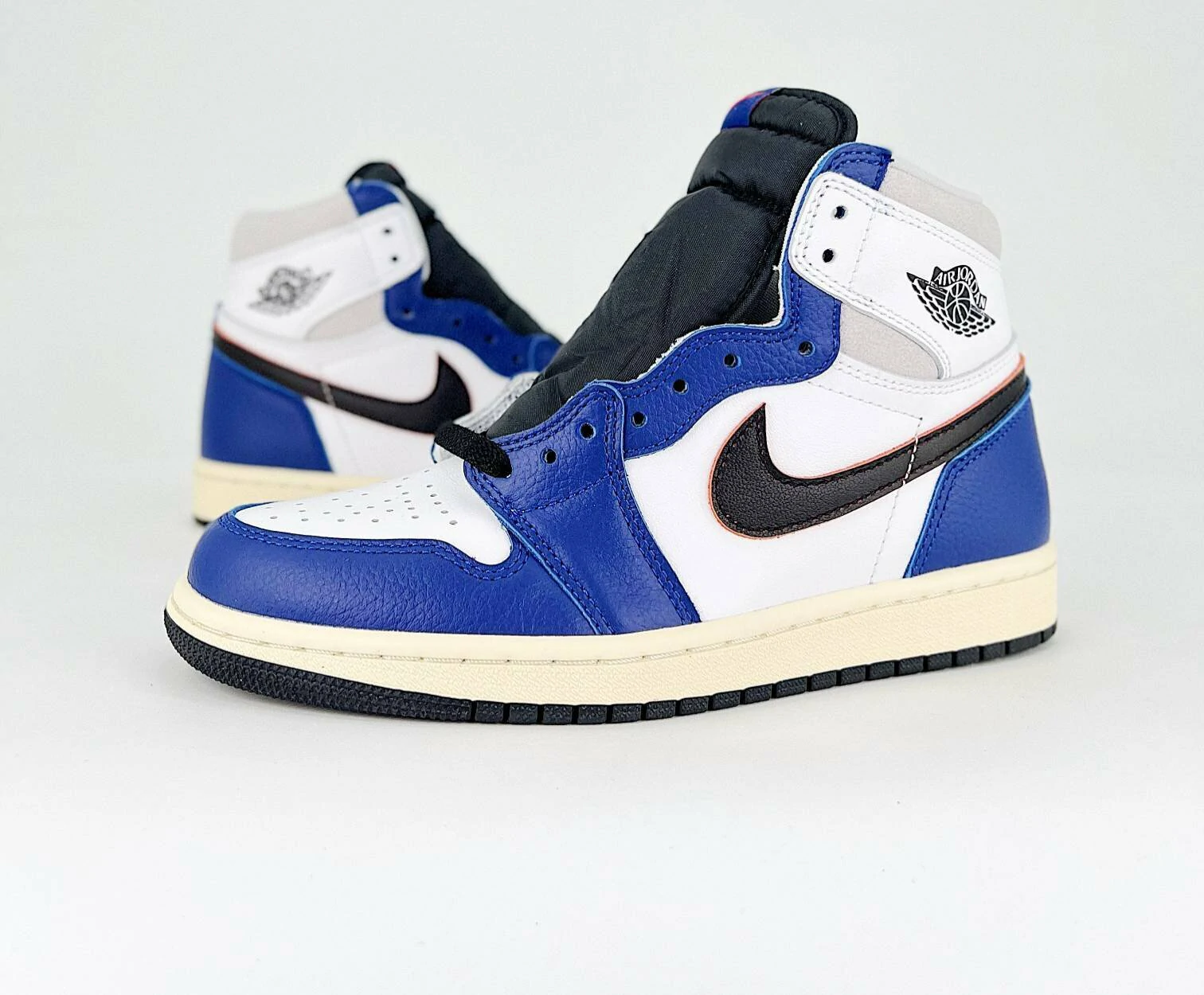
Most bad Jordan purchases trace back to a skipped question, not a bad supplier. Run this list every time, even with a vendor you have used before. It takes ten minutes and saves weeks.
- Ask for the size curve in units per size, not percentages.
- Confirm the style code for every colorway in the lot.
- Request photos of box labels, inner size tags, and heel stitching.
- Confirm box condition and whether lids and inserts are included.
- Agree on minimum order in units and total cost before any deposit.
- Get lead time and shipping terms in writing, including who handles duties.
- Ask what happens if authentication fails on arrival.
- Buy one sample pair before committing to a full lot.
A supplier who answers all eight in writing is worth more than a hot tip about next jordan restock 2018. Vague answers on style codes or returns are a signal to walk, no matter how good the price looks.
Reading Restock Signals Without Getting Burned
Much of the next jordan restock 2018 speculation still floating around resale groups was guesswork dressed up as a leak. Rumor accounts are entertainment. Your own sell-through data is the signal that pays rent.
If size 10.5 in a given model clears in under two weeks at full price, that model earned more shelf space. If a colorway sits for 60 days, no restock headline will rescue it. Track both numbers per style, not per brand.
Regional patterns are useful but easy to misread. European and Japanese releases sometimes land before US availability, which tells you demand is building. It says nothing about your landed cost, and buyers who treat a foreign drop as a wholesale signal usually overpay.
Keep authentication non-negotiable. Match the style code on the box label to the tag inside the shoe, check stitching density at the heel, and look at toe box shape. For high-value pairs, pay a professional authentication service. One bad batch can wipe out the margin on ten good ones.
Questions Buyers Still Ask
Did Jordan restocks in 2018 follow a published schedule?
No. Nike did not publish a restock calendar that year. Pairs came back around retail moments such as All-Star weekend and the holidays, usually with short notice through Nike's own channels and a limited number of partner doors. Any list claiming to be the official 2018 schedule should be treated as a reconstruction, not a source.
Can an independent shop buy restocked Jordans at wholesale?
Rarely at the hyped end. Restocked retros typically stay inside the brand's own channels and existing allocated accounts. Independent shops more often build their Jordan assortment from team models, mid-tier styles, and closeout or wholesale lots. Check what your account tier actually allows before promising a customer a specific retro.
What size curve should a small store order first?
Start narrow and deep around the middle. For most US menswear, sizes 8.5 to 11 carry the volume, with 9.5 and 10 turning fastest. Buy one or two units at the extremes only if you have local demand. Pull your own sales history by size before your first order and adjust from there.
How do I verify a supplier before a first Jordan order?
Ask for a business license, a physical address, and references from two current buyers. Request live photos of inventory with a dated note in frame. Pay a deposit by a traceable method, never by wire to a personal account. Start with a sample pair and a small lot before scaling.
Are pairs from 2018 restocks still worth stocking?
Only with care. Older deadstock can yellow at the midsole, dry out at the glue line, and lose box integrity in storage. Inspect in person or demand detailed photos, and price in the risk. For most shops, current-season core product turns faster and carries less storage risk than a six-year-old retro.
Planning Your Next Jordan Buy
If you are building a Jordan assortment for a US store and want a size curve, condition standard, and lead time you can plan around, send over your target styles and quantities. We will come back with availability, unit pricing tiers, and shipping terms in writing so you can compare against your current supplier.