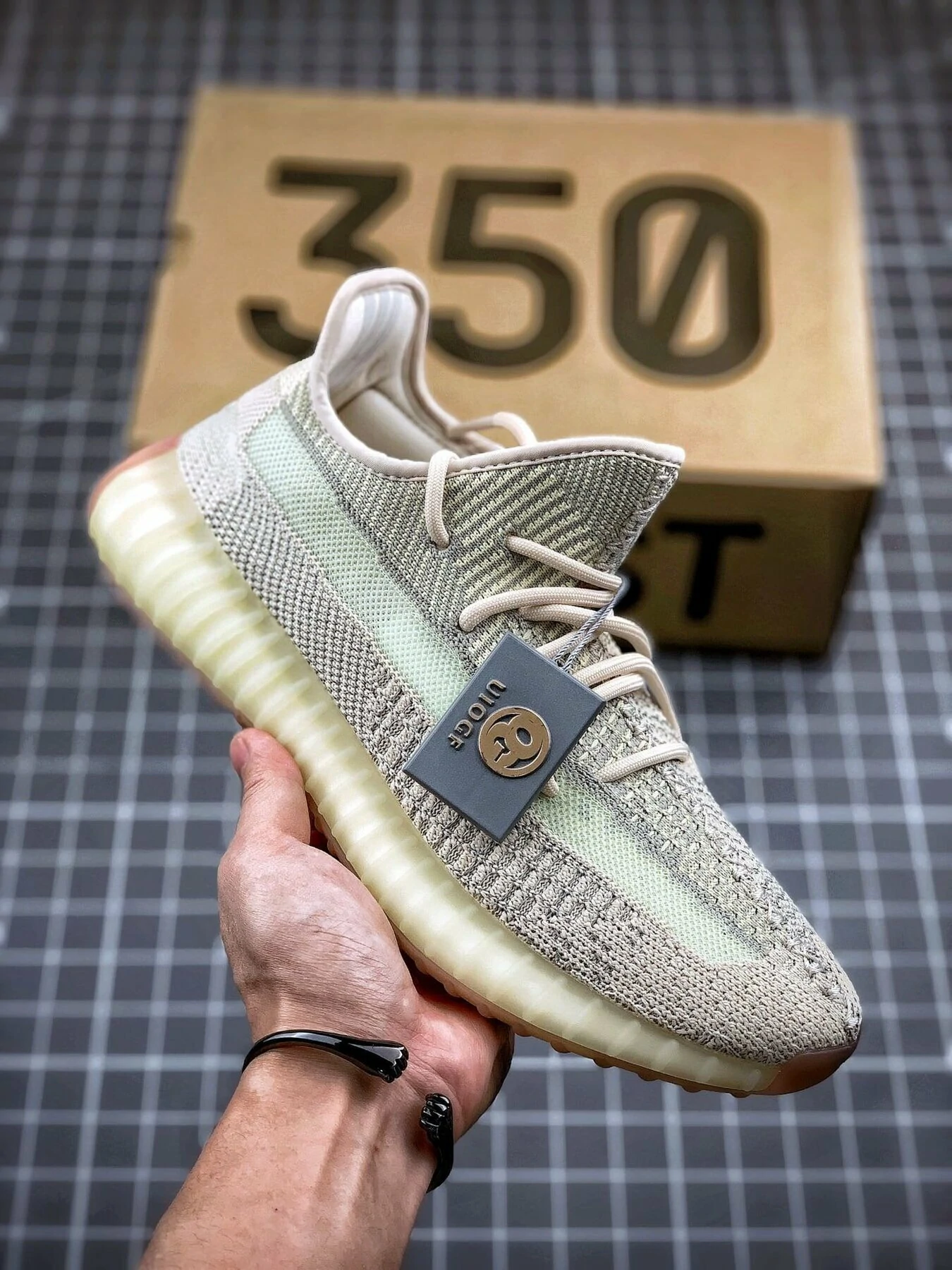
Shoppers who type Samba tenis into a search bar are almost always hunting the Adidas Samba, the low-profile indoor soccer shoe that crossed into streetwear and never left. That detail matters for a buyer: the customer knows the shape, not always the model name, and they expect to find a size on the shelf today. What follows is a store-level view of the shoe, covering fit, Colorway Depth, inbound checks, and the points worth raising with a supplier.
What the Term Actually Covers
The Samba started as an indoor football shoe and kept the flat gum outsole, the suede T-toe overlay, and a low, close-fitting upper. Retail assortments usually center on the Samba OG in full-grain leather, with a handful of seasonal builds in suede, nylon, or recycled materials. Treat those as separate items when you plan an order, because they sell at very different speeds.
Two variants trip up new buyers. The Samba Classic keeps the long tongue that indoor players want but that casual shoppers often find odd. Stripped-back builds like the Decon drop some of the reinforcements and feel lighter on the shelf. Most pairs sold under a samba tenis search are still the standard OG in white, black, or a core gum sole, so anchor your buy there before chasing seasonal drops.
Sizing and Fit Notes That Cut Returns
The Samba runs on a narrow last with a fairly flat toe box. Most customers take their normal US size, but anyone with a wide forefoot usually needs a half size up, and the leather and suede panels will not stretch much. Women buying unisex pairs typically go down 1 to 1.5 sizes from their women's size, so post that conversion next to the size run online.
Returns on samba tenis orders cluster around two mistakes: shoppers treating a unisex size as a women's size, and shoppers sizing up for width when a different silhouette would serve them better. A two-line fit note on the product page does more for your margin than a discount code.
Kids' sizing deserves its own check. Youth pairs use a different scale, and grade-school versus preschool runs are not interchangeable. Pull the current chart from the brand before you publish anything, then recheck it each season.
How It Sits Next to Similar Silhouettes
When a customer asks for a Samba and the size is gone, a trained associate can save the sale with a nearby model. That only works if staff know where the differences actually are, so build a short cheat sheet for the counter and the chat window.
| Model | Fit note | Typical buyer | Stock note |
|---|---|---|---|
| Samba OG | True to size, narrow forefoot | Fashion and casual wear | Core of every order, full run |
| Samba Classic | Similar last, longer tongue | Indoor players, retro fans | Shallow depth, two or three colors |
| Gazelle | Slightly roomier than the Samba | Women's casual | Strong substitute when Samba sizes break |
| Campus 00s | Runs large, bulky build | Younger streetwear buyer | Test one colorway before committing |
| Spezial | Slim, low profile, firm sole | Collector and enthusiast | Buy light, no reorder assumption |
The practical takeaway is to keep depth in the Samba OG and light depth in one or two adjacent models, so you have an answer ready when a size disappears. Substitutes also protect you when a supplier ships short on a confirmed order.
Colorway Depth: What to Order First
Core white with a gum sole and core black are the two colorways that carry the line. They reorder predictably and rarely sit long enough to need markdowns. Seasonal colors sell well in the first six weeks and then flatten hard, which is why a deep buy on a loud colorway is the most common inventory mistake in this category.
A workable split for a small shop is roughly 60 to 70 percent core, 20 to 30 percent seasonal, and a small test allocation for anything new. Treat those percentages as a starting point only and adjust against your own sell-through instead of copying them.
- Core leather with gum sole: always in stock, full size run.
- Seasonal suede or color-pop: three or four sizes in the middle of the run.
- Collaboration or limited drops: one size run, no reorder assumption.
- Clearance colorways: only at a landed cost that leaves room to mark down.
Watch the men's and women's split on your own sales floor. A store near a campus sells a different size curve than one in a suburban mall, and the two should not carry identical orders.
Inbound Checks Before Pairs Hit the Shelf
Counterfeit samba tenis pairs move through the same secondary channels as legitimate closeouts, and the fakes have gotten good. Your first defense is the supplier: verifiable business history, consistent invoices, and a willingness to answer questions about where the goods came from.
- Compare stitching density and straightness at the T-toe and heel.
- Check the suede T-toe shape, since fakes often run thick or uneven at the edge.
- Read the insole print and heel tab logo for spacing and font weight.
- Weigh the pair and compare it against a known authentic pair in the same size.
- Match box label to shoe label: style code, size, and colorway must agree.
Inspection catches sloppy fakes, not good ones. If a lot feels off or the price sits far below the market, send a pair to a professional authentication service before you list it, and keep the option to return the full lot in writing.
Reorder Signals and Supplier Conversations
Restock decisions should come from size-level data, not from a gut feeling that the shoe is popular. Track sell-through by size each week. When your middle sizes clear at a steady pace and only the extremes remain, that is the moment to reorder, not after the shelf looks empty.
Ask suppliers for a written price list with size runs, pack quantities, and current availability before you commit to anything. Minimum order quantities in this category vary widely, often from a few pairs per style per size run up into full case packs, and those figures are indicative only, so confirm them in writing for each order.
On imports, budget for freight, duties, and brokerage on top of the unit price, and have a customs broker confirm the classification rather than assuming a rate. Landed cost decides whether a reorder of samba tenis makes money, not the quoted unit price.
Frequently Asked Questions
Is the Adidas Samba true to size?
For most customers, yes. The narrow last means wide-footed buyers often need a half size up, while women converting from a women's size usually go down 1 to 1.5 sizes. Always check the brand's current size chart before you publish a recommendation, since charts and lasts can change between seasons.
Does this shoe work for wide feet?
It is not the friendliest option for a wide forefoot. A half size up helps, but the upper has little give. Point wide-footed customers toward a roomier silhouette in the same style family, and note the tradeoff on your product page so they are not surprised at the door.
Can a small shop resell Samba pairs without a brand account?
Many independents buy through authorized distributors or the secondary market. That route requires disciplined authenticity checks and honest labeling. Never describe yourself as an authorized or official retailer unless you actually hold that status, and keep purchase records for every lot you resell.
How many sizes should a first order cover?
Cover the full run in your core colorways and the middle sizes only in seasonal ones. A partial run of a new color limits your exposure if it flops. Review the size curve after four to six weeks and adjust the next order rather than repeating the same pack breakdown.
What should I confirm before paying a deposit?
Get the unit price, size run, pack quantities, lead time, and return policy in writing. Ask whether the goods are in hand or backordered, and confirm who covers freight. Paying a deposit without those details documented is the fastest way to end up with the wrong sizes.
Planning a first order or filling a gap in a size run? Send your size curve and target landed cost, and we will come back with available colorways, pack quantities, and current lead times. Confirm every figure on the final invoice before any payment goes out.